
Selecting a Singapore-themed key chain as a souvenir involves finding a balance between iconic visual representation and everyday durability. The most popular designs fall into three distinct categories: modern architectural landmarks like the Marina Bay skyline, cultural heritage motifs such as Peranakan tile patterns and shophouse facades, and playful culinary icons representing local coffee shop culture and traditional dishes. A well-chosen key chain serves as a highly portable, functional memento that fits easily into a recipient’s daily life, whether attached to house keys, office lanyards, or travel bags.
Rather than relying on generic, mass-produced trinkets that quickly wear out, identifying a high-quality souvenir requires a closer look at design authenticity and material construction. A key chain is a highly tactile object that undergoes constant friction, impact, and exposure to the elements. By understanding what makes a design recognizable and how to inspect its physical build, you can select a gift that carries genuine cultural narrative while remaining a practical accessory for years to come.
How to Evaluate Singapore-Themed Key Chain Designs
Distinguishing a meaningful cultural representation from a generic, mass-produced tourist item requires evaluating the design’s attention to detail. High-quality souvenirs respect the proportions and historical accuracy of the motifs they depict. For instance, when examining a key chain featuring the Merlion, look for clean, defined lines in the scales and a balanced posture rather than a distorted or simplified caricature. Accurate scaling and clean geometric lines indicate that the manufacturer invested care into the design process rather than rushing a low-cost template to production.
Products mentioned in this guide
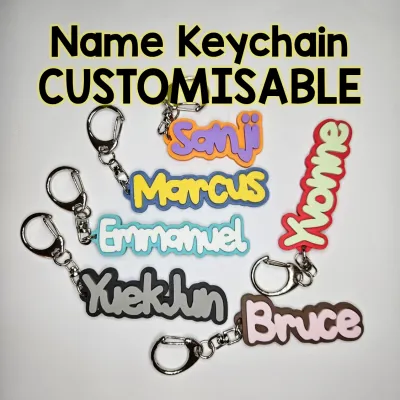
![[SG Seller] CHEAPEST Keychain Customised Personalised Name Teachers Day](https://img.lazcdn.com/g/p/441f938aa75de1500d4f5a25297f038f.jpg_400x400q80.jpg_.webp)
![[Ready Stock] Graduation Key Chain](https://img.lazcdn.com/g/p/93f69a8afed87fbab5212e165f11bade.jpg_400x400q80.jpg_.webp)

Prices are valid at publication and may change. Please refer to the product page for the latest price.
Another reliable indicator of design value is local designer attribution or official collaboration. Many of the most compelling Singapore-themed key chains are created by local independent designers, illustrators, or heritage brands. Check the packaging for artist bios, design studio logos, or endorsements from local heritage boards and museum shops. These details confirm that your purchase directly supports the local creative community and ensures that the cultural stories behind the designs are told accurately and respectfully.
Finally, consider the physical dimensions, weight, and balance of the key chain relative to its intended use. A souvenir key chain should be compact enough to fit comfortably in a pocket or a small compartment within a bag. If the charm is too heavy, it can weigh down ignition switches or stretch out delicate lanyard fabrics; if it is too large or features sharp, protruding elements, it becomes cumbersome to carry. A well-designed key chain typically keeps the main charm within a 5 to 7 cm range, balancing visual impact with daily portability.
Recognizable Design Themes for Different Recipients
Matching a Singapore-inspired design to the recipient’s personality and interests ensures the gift is both appreciated and used. Different design themes speak to different experiences, whether the recipient is a first-time traveler captivated by modern architecture, a history enthusiast drawn to traditional arts, or a colleague who appreciates lighthearted, everyday cultural humor.

Architectural Landmarks and Cityscapes
Architectural key chains capture the dramatic, futuristic skyline of modern Singapore, making them excellent gifts for first-time visitors, business associates, or architecture enthusiasts. Popular designs feature the distinctive silhouettes of Marina Bay Sands, the futuristic Supertrees of Gardens by the Bay, or the elegant curve of the Singapore Flyer. These designs celebrate the city’s reputation as a global hub of modern design and urban planning.
When choosing an architectural design, look for clean, recognizable silhouettes that avoid overly complex, fragile cut-outs. Intricate metal or acrylic representations must be structurally sound; thin, spindly lines representing bridge cables or building spires can easily bend, snag, or snap under daily wear. Opt for designs where the negative space is filled with solid material or where the delicate elements are integrated into a thicker, unified backing plate to ensure long-term durability.
These modern architectural themes are highly suited for recipients who appreciate contemporary, minimalist aesthetics. A sleek, matte-black metal skyline or a polished silver-plated landmark key chain offers a sophisticated look that fits seamlessly into a professional setting. The neutral tones and clean lines make these designs versatile accessories for office keys or business briefcases.
Cultural Heritage and Local Symbols
For recipients with an interest in history, traditional arts, and regional heritage, key chains featuring local cultural motifs offer a deeper connection to Singapore’s diverse identity. These designs often draw inspiration from Peranakan tile geometry, traditional shophouse facades with their iconic shuttered windows, or the elegant petals of the national orchid, the Vanda Miss Joaquim. Such symbols reflect the rich historical tapestry of the region’s Malay, Chinese, Indian, and Peranakan communities.
When evaluating these heritage designs, pay close attention to color accuracy and enamel fill quality. Traditional Peranakan patterns rely on vibrant, specific color palettes—such as pastel pinks, turquoise, and ochre—which must be rendered cleanly without bleeding across the metal borders. High-quality hard enamel key chains offer a smooth, polished surface where the colorful fill sits perfectly level with the metal lines, creating a premium, stained-glass effect that resists scratching.
It is also important to ensure that traditional motifs are represented with respect and accuracy rather than falling into generic stereotypes. Look for designs that reference documented historical patterns or are produced in partnership with local museums and cultural institutions. This ensures that the geometric layouts of the tiles or the architectural details of the shophouses are authentic, preserving the integrity of the heritage they represent.
Culinary Icons and Everyday Motifs
Playful designs based on local food and daily life are perfect for casual gifting, close friends, or younger audiences who appreciate quirky, lighthearted accessories. These key chains celebrate Singapore’s famous food culture, featuring miniature representations of a traditional breakfast set (kaya toast, soft-boiled eggs, and a cup of local coffee), tropical fruits like the durian, or nostalgic everyday items like vintage bus tickets and public housing facades. These motifs evoke a warm sense of local familiarity and shared memories.
Because culinary and novelty key chains often feature irregular, three-dimensional shapes, it is crucial to ensure they do not compromise pocket safety or functionality. Molded silicone, rubber, or soft PVC are popular materials for these designs because they allow for detailed 3D textures while remaining soft and flexible. Ensure that any protruding elements, such as the handle of a miniature coffee cup or the stem of a fruit, are thick enough to resist tearing and do not have sharp edges that could scratch hands or phone screens.
When gifting these highly specific local references, balance the novelty of the design with the recipient’s familiarity with the culture. A miniature plate of chicken rice or a tiny bag of local iced coffee is a delightful inside joke for someone who has lived in or visited Singapore, but it might require some explanation for a recipient who has never experienced the local food scene. For international recipients, pairing the key chain with a small card explaining the culinary tradition adds a thoughtful, educational touch to the gift.
Practical Quality Checks for Daily Use
Before purchasing any key chain, conducting a quick physical inspection ensures the item is built for daily use rather than just sitting on a display shelf. The most common failure point on any key chain is the hardware connecting the decorative charm to the key ring. Begin by testing the tension of the split ring; it should be made of tempered steel or high-tensile brass. Pry the ring open slightly with your fingernail—it should immediately spring back tightly to its original position without leaving a gap. A loose split ring can easily allow keys to slide off and become lost.
Next, inspect the jump ring, which is the small metal loop connecting the main charm to the split ring. In low-quality souvenirs, this loop is often left slightly open, allowing the charm to slip off under minimal tension. Look for jump rings that are completely closed, soldered shut, or designed as a double-loop split ring. A secure, flush connection here prevents the charm from detaching when pulled from a tight pocket or bag.
Run your fingers carefully along all edges and corners of the key chain to check for manufacturing defects. Metal castings should be completely free of sharp burrs, flashing, or rough spots left behind by the molding process, as these can easily scratch leather bags, damage phone screens, or snag clothing. If the key chain is made of acrylic, ensure the edges are flame-polished and smooth to the touch, with no micro-cracks around the attachment hole.
Finally, examine the surface finishes and coatings for uniformity and adhesion. For printed designs, check if there is a protective epoxy dome or a clear scratch-resistant coating over the artwork; unprotected prints will quickly scratch, peel, or fade when rubbed against metal keys. For metal key chains, look closely at the plating to ensure there are no bubbles, pitting, or thin areas where the base metal shows through, as these spots will tarnish rapidly when exposed to skin oils and moisture.
Sourcing and Verifying Authentic Souvenirs
Finding a truly memorable Singapore-themed key chain requires stepping away from generic souvenir stalls and exploring curated retail spaces. Museum gift shops, such as those at the National Museum of Singapore, the National Gallery Singapore, or the Asian Civilisations Museum, are excellent starting points. These shops actively collaborate with local artists and design studios to produce exclusive, high-quality merchandise that directly reflects the historical exhibits, ensuring a level of design integrity and craftsmanship not found in mass-market outlets.
To verify the origin of a key chain, always read the product labels, backing cards, and tags carefully. Authentic local designs will typically feature the name of the local design studio, illustrator, or brand, often accompanied by a short narrative explaining the cultural inspiration behind the piece. If a product label lacks any brand identity, designer attribution, or contact information, it is highly likely a generic, mass-produced import that has simply had a local landmark name printed onto it.
Pay attention to the quality of the packaging as an indicator of overall brand care and gift readiness. A premium souvenir key chain is rarely sold loose; it is usually mounted on a sturdy, custom-designed backing card or presented in a protective fabric pouch or gift box. This packaging not only protects the enamel or acrylic finish from scratches during transit but also elevates the presentation, making it a polished, thoughtful gift that is ready to be handed directly to the recipient.
Lastly, understand the distinction between handmade artisan batches and standardized commercial stock. Small-batch key chains made of hand-painted wood, hand-tooled leather, or custom-cast resin will naturally feature minor variations in color and texture, which add to their unique charm and story. Standardized commercial stock, when sourced from reputable local design brands, offers perfect uniformity and high durability at a more accessible price point, making it the ideal choice when purchasing multiple gifts for colleagues or large groups.
Frequently Asked Questions (FAQ)
Are metal key chains allowed in carry-on luggage?
Yes, standard metal key chains are fully permitted in carry-on luggage under international aviation security guidelines, as they are classified as small, non-hazardous personal accessories. However, if your souvenir key chain features an unusually bulky, heavy, or pointed design—such as a sharp architectural silhouette or a miniature replica tool—it may draw attention during security screening. To prevent any unnecessary delays at the security checkpoint, it is best to pack unusually large, heavy, or sharp metal key chains in your checked baggage. Keeping your retail receipt easily accessible in your carry-on bag is also a practical step, as it allows you to quickly verify the item as a recent retail souvenir purchase if questioned by security personnel.
How should I clean and maintain enamel key chains?
To keep enamel key chains looking vibrant and free of tarnish, gently wipe the surface with a soft, dry microfiber cloth on a regular basis to remove daily oils, fingerprints, and dust. Avoid using harsh chemical solvents, abrasive scrubbers, or rubbing alcohol, as these substances can degrade the protective clear coat, tarnish the underlying metal plating, or dull the enamel colors. Do not submerge the key chain in water or expose it to prolonged moisture; if it does get wet, dry it immediately with a clean, lint-free cloth. To prevent metal keys from scratching the decorative face of the enamel, organize your key ring so that flat keys face away from the design, or consider using a small key sleeve to shield the souvenir from friction.

Community discussion
Share your experience or ask a question. Comments are reviewed before publication.