
Selecting the ideal Singapore-themed fridge magnet involves looking beyond basic mass-produced plastic items to discover pieces that truly capture the island’s unique cultural blend. As one of the most popular and accessible travel keepsakes, a great souvenir magnet should balance durable physical construction with a design that evokes personal travel memories. Whether you are drawn to the futuristic skyline, the rich culinary heritage of local hawker centers, or the intricate patterns of historic neighborhoods, your choice should reflect a high standard of craftsmanship. By evaluating the material quality, magnetic strength, and print durability before purchasing, you can ensure your souvenir remains a beautiful, functional keepsake on your refrigerator for years to come.
How to Evaluate Singapore-Themed Fridge Magnets
Souvenir magnets come in various materials, each with distinct physical characteristics that affect their longevity and appearance. Metal magnets, particularly those made of die-cast zinc alloy or soft enamel, offer excellent durability and a premium, satisfying weight. When inspecting metal options, run your finger along the edges to check for any sharp, unfinished burrs that could scratch your hands or damage your refrigerator’s surface. Acrylic magnets are lightweight and allow for vibrant, high-definition prints, but they can be prone to hairline scratches if handled roughly; look for thicker acrylic sheets that offer better structural rigidity and light refraction. Resin magnets allow for highly detailed three-dimensional modeling, making them excellent for miniature food replicas, but they are inherently brittle and can chip or break if dropped on hard tiled floors. Wooden magnets, often made from laser-cut plywood or bamboo, provide a warm, organic aesthetic, but you must check that the wood is properly sealed to prevent warping in humid tropical environments, and ensure there is no soot residue left along the laser-cut edges.
The visual appeal of a magnet depends heavily on the printing or coloring technique used during manufacturing. For printed designs on acrylic, wood, or metal, look closely at the resolution of the artwork; blurry lines, pixelated edges, or misaligned colors often indicate low-quality production. Check if the print has a protective topcoat, such as a clear epoxy resin dome or a matte varnish, which shields the artwork from UV fading, moisture, and physical wear. For enamel magnets, inspect the color fills to ensure there are no air bubbles, uneven surfaces, or colors bleeding across the metal borders. If the design uses applied stickers or decals on a plastic base, gently feel the edges to verify that the adhesive is secure and not already peeling or lifting at the corners.
Products mentioned in this guide
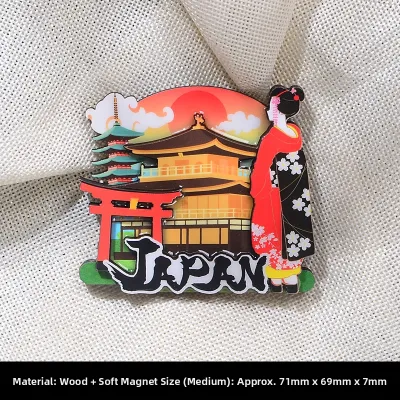

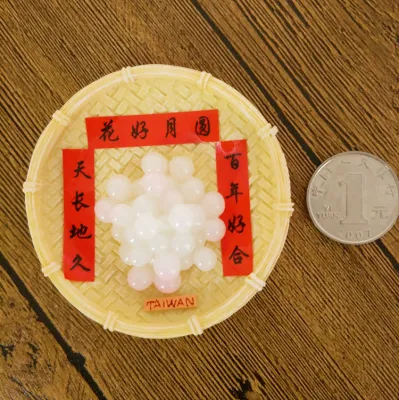
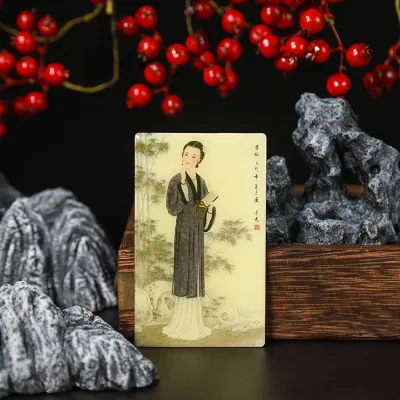
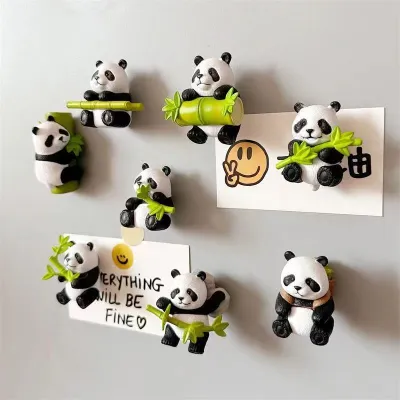
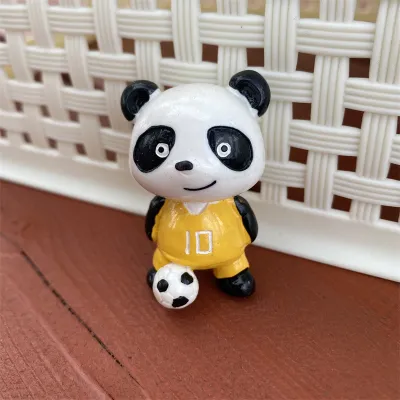
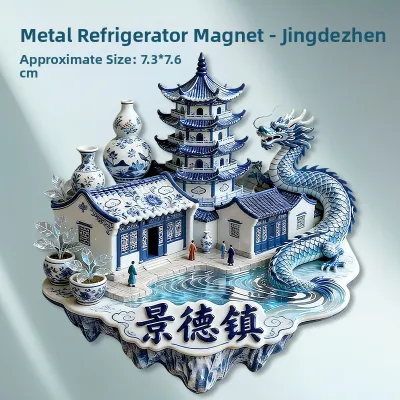
Prices are valid at publication and may change. Please refer to the product page for the latest price.
A magnet’s primary function is to hold items on a magnetic surface, which requires a proper balance between the weight of the decorative front and the strength of the magnetic backing. Heavy resin or thick metal magnets require strong, thick anisotropic rubber magnets or small neodymium magnets to stay secure. If the magnetic backing is too thin or weak, the weight of the souvenir itself will cause it to slide down the refrigerator door, potentially scratching the appliance finish. Look for magnets where the backing covers a significant portion of the rear surface rather than a tiny, off-center strip. Additionally, verify that the adhesive holding the magnet to the decorative front is robust; industrial epoxy is far more durable than hot-melt glue, which can soften and fail in warm environments.
Beyond holding power, the backing material must be gentle on surfaces to prevent unsightly scratches on your appliances. Soft rubber magnetic sheets or magnets with a thin protective felt layer are ideal because they prevent direct metal-to-metal contact. Avoid magnets with exposed, rough ceramic disc magnets that have sharp edges, as these can easily leave permanent swirl marks on stainless steel or painted refrigerator panels. If you plan to use the magnet to hold up thick postcards, menus, or multiple sheets of paper, opt for designs utilizing small but powerful neodymium magnets, which offer superior holding power relative to their size.
Popular Design Themes for Singapore Souvenir Magnets
For those who want to remember the striking architecture of modern Singapore, skyline-themed magnets are a classic and widely available choice. These designs often feature stylized silhouettes of the Marina Bay Sands towers, the futuristic supertrees of Gardens by the Bay, and the giant observation wheel. The Merlion, Singapore’s mythical half-lion, half-fish mascot, remains a highly popular motif, often rendered in sleek metallic finishes, colorful enamel, or minimalist geometric patterns. These architectural designs work particularly well in polished metal or laser-cut acrylic, capturing the clean lines and modern aesthetic of the city’s urban landscape. You can also find beautiful historical architectural designs featuring colonial-era landmarks like the Raffles Hotel or the Victoria Theatre, offering a touch of old-world charm.

Singapore’s status as a culinary capital makes food-themed magnets incredibly popular and highly evocative souvenirs. Miniature three-dimensional resin replicas of classic hawker dishes—such as a tiny bowl of laksa with microscopic prawns, a plate of Hainanese chicken rice, or a traditional breakfast set of kaya toast and soft-boiled eggs—are delightful conversation starters. Alternatively, flat illustrated magnets featuring colorful, whimsical drawings of local snacks like curry puffs, ang ku kueh, or durian fruit offer a lighter, more packable option. These designs celebrate the rich, multicultural food heritage that defines the daily life of the island, especially following the inscription of Singapore’s hawker culture on the UNESCO Representative List of the Intangible Cultural Heritage of Humanity.
For travelers drawn to history, art, and traditional craftsmanship, magnets inspired by Singapore’s historic districts offer a deeper cultural connection. Look for designs that replicate the vibrant, pastel-colored facades of Peranakan shophouses found in Joo Chiat, Katong, or Chinatown, complete with tiny shuttered windows and decorative plasterwork. Another beautiful option is the intricate geometric patterns of traditional Peranakan ceramic tiles, often reproduced on miniature ceramic or wooden squares. These motifs reflect the unique blending of Chinese, Malay, and European influences that shaped the region’s design history, making them sophisticated gifts for art lovers and history enthusiasts alike.
Where to Buy and What to Check Before Purchasing
Where you buy your magnets greatly influences their quality, uniqueness, and the story they tell. Museum gift shops, such as those at the National Museum of Singapore, the National Gallery, or the Asian Civilisations Museum, are excellent places to find high-quality, exclusive designs created in collaboration with local artists. Independent boutique stationery shops and local artisan markets in creative hubs like Bras Basah or Haji Lane often showcase limited-run magnets made by local design studios, which feature modern, creative interpretations of local culture. While mass-market souvenir stalls in major tourist districts offer highly affordable options, these items are often generic and mass-produced, requiring extra scrutiny regarding their build quality. If you are looking for last-minute gifts, airport shops at Changi Airport offer convenient access to a wide selection of clean, well-packaged souvenirs before your departure.
Before purchasing any magnet, take a moment to perform a quick physical inspection to ensure you are getting a durable product. If the item is displayed on a metal rack or board, test its sliding resistance by gently pulling it or placing a small piece of paper underneath it to see if it holds. Examine the back of the magnet to ensure the magnetic element is glued flat and centered; a crookedly attached magnet will cause the souvenir to hang unevenly on your fridge. Check the front for any minor defects, such as paint chips, misaligned prints, or loose components, especially if you are buying hand-painted resin or assembled wooden pieces.
If you want a truly unique souvenir that supports the local creative community, look for indicators of independent production. Check the packaging for the name of a local design studio, an illustrator’s signature, or a “Made in Singapore” label. Authentic local designs often come with thoughtful packaging, such as a backing card that explains the cultural story behind the illustration or motif. These details not only guarantee a higher level of craftsmanship but also add meaningful context when you present the magnet as a gift to friends or family back home.
Tips for Gifting and Packing Fridge Magnets
Fridge magnets can be surprisingly fragile and heavy, making proper packing essential for a safe journey home. To prevent magnets from snapping together in your luggage—which can chip resin, scratch acrylic, or demagnetize hotel key cards and credit cards—wrap each magnet individually in tissue paper, bubble wrap, or small ziplock bags. Place them in a sturdy, hard-sided container or sandwich them flat between layers of soft clothing in the center of your suitcase to cushion them from impacts. If you are carrying multiple metal magnets, pack them with their magnetic backings facing away from each other to minimize magnetic attraction through the wrapping material.
A fridge magnet makes a wonderful standalone token, but you can easily elevate it into a comprehensive gift set by pairing it with complementary items. Consider matching a food-themed magnet with a box of local tea, a jar of traditional kaya jam, or a small packet of local spices. For stationery enthusiasts, pair an architectural or shophouse magnet with a beautifully illustrated postcard, a pocket notebook, or a set of local heritage stickers. You can also write a small note explaining the cultural significance of the design, transforming a simple souvenir into a curated, educational, and sensory experience of Singapore’s culture.
Frequently Asked Questions (FAQ)
Can I bring fridge magnets in my carry-on luggage?
Yes, you can generally bring souvenir fridge magnets in your carry-on luggage without any issues. Standard souvenir magnets contain very weak magnetic fields that do not pose a safety hazard to aircraft navigation systems or airport security scanners. However, because security regulations can vary slightly by airport and airline, it is always wise to pack them neatly so they are easily visible if your bag is selected for manual inspection. If you are traveling with a very large quantity of magnets, packing them in your checked luggage can save space and prevent any unnecessary delays at the security checkpoint.
How do I clean a souvenir magnet without damaging the print?
To clean a souvenir magnet, always start with the gentlest, dry method to preserve the integrity of the print and materials. Use a soft, dry microfiber cloth to gently wipe away dust and fingerprints from the surface. Avoid using harsh chemical solvents, alcohol-based cleaners, or abrasive scrubbing pads, as these can quickly dissolve protective topcoats, strip paint, or cause printed decals to peel. If the magnet has stubborn dirt, use a slightly damp cloth with a tiny drop of mild dish soap, wipe the area gently, and dry it immediately with a clean towel. Never submerge the magnet in water, as moisture can seep behind the print or weaken the adhesive holding the magnetic backing.

Community discussion
Share your experience or ask a question. Comments are reviewed before publication.