
Finding the perfect souvenir or gift from Singapore involves balancing cultural charm with practical utility. A Singapore-themed coin bank serves as an excellent choice, combining the nostalgic appeal of traditional saving habits with beautiful local artistry. Whether you are looking for a keepsake for a visiting tourist, a meaningful gift for a colleague, or an educational tool for a child, these miniature vaults capture the essence of the city-state’s rich heritage.
Choosing the right coin bank requires looking beyond basic novelty items to find pieces that reflect authentic local stories. From the intricate pastel patterns of Peranakan tiles to the sleek lines of modern architectural marvels, a well-chosen money box does more than hold spare change. It stands as a decorative piece of art that tells a story of cultural fusion, historical preservation, and modern innovation.
To make an informed purchase, you should evaluate the design authenticity, material durability, and practical features of each coin bank. This guide explores how to identify genuine local designs, match the perfect style to your recipient, verify essential functional details, and locate the best retail sources in Singapore.
Products mentioned in this guide
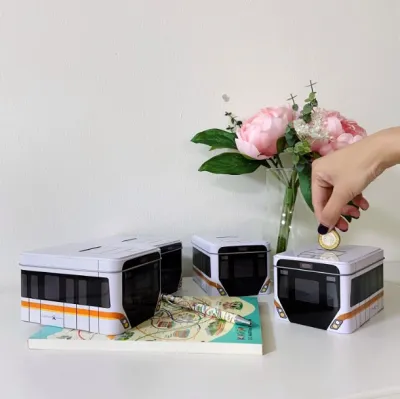
![[SG Seller]Wooden piggy bank/creative style money box/coin bank/money bank](https://img.lazcdn.com/g/p/e97624f147fcc5fd349eb4a4d2478edd.jpg_400x400q80.jpg_.webp)
Prices are valid at publication and may change. Please refer to the product page for the latest price.
Identifying Authentic Singapore-Themed Designs
Authentic Singapore-themed designs stand out through their attention to cultural detail and historical accuracy. When browsing for a souvenir, look for motifs that carry genuine local significance rather than generic, mass-produced illustrations. Iconic landmarks like the Merlion, the futuristic supertrees, or the distinctive silhouette of the Marina Bay skyline are popular choices that instantly evoke memories of the city.
For a deeper connection to local heritage, consider designs inspired by traditional Peranakan culture. These often feature intricate floral or geometric tile patterns in vibrant pastel shades, reflecting the unique blend of Chinese, Malay, and Indonesian influences found in historical districts like Katong and Chinatown. Other meaningful motifs include local wildlife, such as the smooth-coated otters that roam the waterways, or cultural icons like the traditional ceramic coffee cup used in local coffee shops.
The choice of material significantly influences both the aesthetic appeal and the longevity of the coin bank. Ceramic is a classic option, offering a smooth, glazed finish and a satisfying weight that feels substantial in the hand. High-quality ceramic pieces showcase vibrant colors and intricate hand-painted details, making them excellent decorative items for display shelves or desks.
Metal coin banks, particularly those made of tinplate or brass, offer a nostalgic, vintage charm reminiscent of mid-century saving tins. These are highly durable, resistant to breakage, and often feature retro advertising prints or classic post box designs. Wood provides a warm, organic alternative, with natural grain patterns that make each piece unique, especially when crafted from sustainable local timber or carved into traditional architectural shapes like shophouses.
Resin is another versatile material that allows for highly detailed, three-dimensional sculptures. It can replicate complex textures, such as the rough stone of a monument or the fine details of a historical building facade, with high precision. When evaluating resin coin banks, check for a clean finish without air bubbles, rough seams, or paint bleeding.
Regardless of the material, inspecting the craftsmanship is crucial to ensuring you are buying a premium gift. Examine the precision of the painted details, ensuring that colors do not bleed across borders and that fine lines are sharp and clear. Feel the weight of the item; a well-made coin bank should feel balanced and sturdy, with a flat, stable base that prevents it from tipping over easily when filled with heavy coins.
Matching the Coin Bank to Your Recipient
Selecting the ideal coin bank depends heavily on who will be receiving the gift, as different recipients have varying needs regarding size, durability, and style. For tourists and international colleagues, portability is a primary consideration. A compact, lightweight coin bank made of durable tinplate or small, sturdy resin is ideal because it can be easily wrapped and packed into a suitcase without adding excessive weight or risking breakage during transit.

For these international visitors, highly recognizable landmark designs work best. A miniature Merlion or a beautifully illustrated skyline serves as a clear, nostalgic reminder of their travels. These designs act as instant conversation starters when placed on an office desk or a living room shelf back home, keeping their memories of Singapore alive.
When gifting to children, the focus shifts toward durability, safety, and engagement. Children’s coin banks should be made from shatterproof materials such as thick wood, high-grade plastics, or sturdy metals that can withstand accidental drops. Bright, cheerful colors and interactive features, such as mechanical coin slots or moving parts, can make the act of saving money fun and educational.
Local animal themes are particularly appealing to younger recipients. A coin bank shaped like a friendly Singapore otter or a colorful hornbill can spark an interest in local wildlife conservation while teaching basic financial literacy. Ensure the design is approachable and playful, encouraging children to interact with the item daily as they watch their savings grow.
For close friends and family members, you can opt for more sophisticated, culturally rich designs that double as elegant home decor. Vintage local themes, such as replicas of traditional colonial-era post boxes, old-school public telephone booths, or classic Peranakan shophouses, add a touch of nostalgia to any interior. These pieces blend seamlessly into modern living spaces, offering both functional storage and artistic value.
When choosing for family, consider their existing home decor style. A minimalist, laser-cut wooden coin bank with subtle local engravings might suit a modern, contemporary home, while a vibrant, hand-painted ceramic shophouse would be perfect for someone who appreciates eclectic, heritage-rich aesthetics. Matching the style to their personal taste ensures the gift remains a cherished part of their home for years.
Practical Features to Check Before Buying
A great coin bank must balance aesthetic appeal with practical functionality. Before making a purchase, take a close look at the coin slot located at the top or back of the item. The slot must be wide and deep enough to accommodate various coin denominations comfortably, including the thicker S$1 coin. If you are gifting the item to an international recipient, ensure the slot is versatile enough to fit larger foreign coins, such as the British two-pound coin or the Euro two-cent piece.
The retrieval mechanism at the bottom of the coin bank is another critical feature to evaluate. Traditional designs sometimes required breaking the bank to access the savings, but modern gifts should always be reusable. Look for a secure, flexible rubber stopper that fits snugly into the opening without slipping out under the weight of the coins.
Alternatively, some coin banks feature a plastic screw cap or a metal hinged door with a small key. Screw caps offer a highly secure closure that is easy for adults to open but challenging for very young children to tamper with. Hinged doors with keys add a delightful vintage feel and an extra layer of security, making the process of retrieving savings feel like opening a miniature treasure chest.
Consider the overall dimensions and weight of the coin bank, especially if it needs to travel. A coin bank that is too large or heavy can become a burden to transport, while one that is too small may not hold a practical amount of savings. Aim for a balanced size—typically between 10 to 15 centimeters in height—which fits comfortably on a standard bookshelf, bedside table, or office desk without taking up excessive space.
Safety is paramount when selecting gifts for children. Inspect the coin bank thoroughly for any sharp edges, rough wooden splinters, or poorly finished metal seams that could cause scratches. Ensure there are no easily detachable small parts, such as loose decorative figures or small keys, which could pose a choking hazard for toddlers. Verify that any paints, glazes, or finishes used on the product are certified non-toxic and lead-free.
Where to Find Genuine Local Designs
To ensure you are purchasing an authentic, high-quality Singapore-themed coin bank, it is best to source your gifts from reputable retail channels. Museum gift shops, such as those at the National Museum of Singapore, the National Gallery Singapore, or the Indian Heritage Centre, are excellent starting points. These shops carry carefully curated, exclusive merchandise that directly reflects the historical and cultural exhibits of the museums, ensuring a high standard of design and authenticity.
For a more contemporary and artistic touch, explore local stationery brands and independent design studios. Many local designers create modern interpretations of traditional Singaporean icons, offering fresh, stylish perspectives on classic themes. These independent shops often produce limited-run items, meaning your gift will be unique and less likely to be found in standard tourist souvenir stalls.
When shopping online, visit the official brand websites of established local souvenir retailers and design houses. Purchasing directly from these official channels allows you to verify product authenticity and access reliable customer service, return policies, and detailed product specifications. Avoid purchasing from unverified third-party sellers on general online marketplaces, where mass-produced imitations are common.
Always read the product descriptions and labels carefully before making a purchase. Look for indicators of local design origin, such as “Designed in Singapore” or collaborations with local artists. While many high-quality items are manufactured overseas due to production constraints, the design concept, cultural research, and artistic direction should ideally originate from local creators who understand the true spirit of Singapore’s heritage.
Frequently Asked Questions (FAQ)
Can I bring a ceramic or glass coin bank on a flight?
Yes, you can bring a ceramic or glass coin bank on a flight, but it requires careful packing to prevent damage. It is highly recommended to pack fragile items in your carry-on luggage rather than checked baggage, as carry-on bags are subjected to less rough handling. Wrap the coin bank securely in several layers of bubble wrap, soft clothing, or tissue paper, and place it in the center of your bag surrounded by soft items to cushion it from external impacts. If you must place it in checked luggage, use a sturdy, hard-shell suitcase and ensure the item is packed tightly so it cannot shift during transit. Always check your specific airline’s carry-on size and weight limits before traveling to ensure your bag complies with their regulations.
How do I clean and maintain a painted or wooden coin bank?
To keep your painted or wooden coin bank looking its best, perform routine dusting using a soft, dry microfiber cloth. Avoid using wet cloths, harsh chemical cleaners, or abrasive scrubbing pads, as these can strip away protective glazes, damage delicate painted details, or cause wood to swell and warp. For wooden coin banks, keep them away from areas of high humidity, such as bathrooms or open windows during rainy seasons, to prevent mold growth or wood rot. Additionally, display your coin bank away from direct sunlight, as prolonged exposure to ultraviolet rays can cause vibrant paint colors to fade and wood finishes to dry out, crack, or peel over time.

Community discussion
Share your experience or ask a question. Comments are reviewed before publication.