
Quick Guide to Choosing the Right Singapore Fridge Magnet
Fridge magnets remain one of the most enduring, practical, and space-saving travel souvenirs. Unlike bulky knick-knacks that gather dust on shelves, a well-chosen magnet serves a daily functional purpose in the heart of the home: the kitchen. In Singapore, where modern home aesthetics are highly valued and kitchen space is carefully curated, selecting a “fridge magnet singapore” souvenir requires moving past generic, mass-produced plastic trinkets.
The secret to a truly memorable gift lies in matching the design, material, and cultural theme to the recipient’s unique personality and lifestyle. A generic souvenir can feel like an afterthought, but a thoughtfully selected piece—whether celebrating Singapore’s legendary culinary scene, its historic architecture, or its sleek modern skyline—shows genuine care. This guide establishes a clear decision framework based on recipient profiles, helping you navigate the diverse designs available across the island to find the perfect match for everyone on your list.
For the First-Time Visitor: Iconic Landmarks and Skyline Designs
For recipients who love classic travel memories, recognizable cityscapes, or those who have never visited Singapore before, landmark-themed magnets are the ideal choice. These designs capture the architectural marvels that define the city’s modern identity, offering an instant, unmistakable visual connection to the island.
Products mentioned in this guide
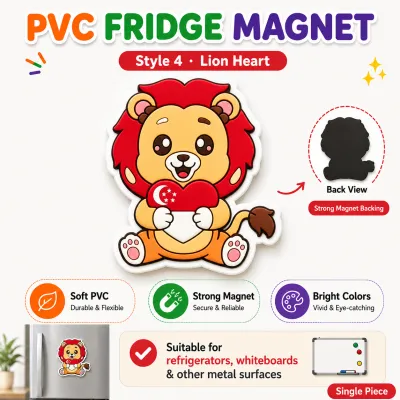
![[SG Ready Stock] Singapore Flag PVC Fridge Magnet Cute Cartoon Magnetic Sticker Home Kitchen Decor Souvenir Gift for Refrigerator Whiteboard](https://img.lazcdn.com/g/p/c267a127a6560833dad287075623b9cf.jpg_400x400q80.jpg_.webp)
Prices are valid at publication and may change. Please refer to the product page for the latest price.

Focus on designs featuring Singapore’s most famous architectural triumphs:
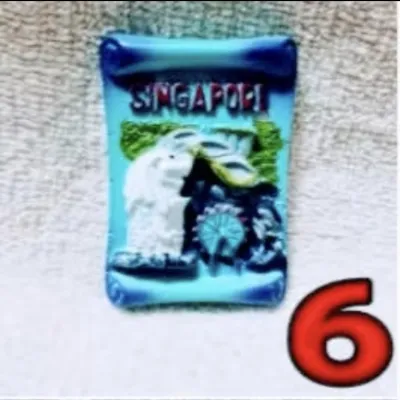
- The Merlion: The half-lion, half-fish national icon representing Singapore's humble beginnings as a fishing village and its original name, Singapura.
- Marina Bay Sands (MBS): The iconic three-tower luxury resort topped by the dramatic Sands SkyPark ship-like structure.
- Gardens by the Bay: Specifically the futuristic Supertree Grove, which showcases Singapore's vision of a "City in Nature."
When choosing these designs, the material and style play a significant role in both durability and aesthetic appeal. Three-dimensional polyresin magnets offer impressive depth, texture, and vibrant hand-painted details. However, they are relatively heavy and prone to chipping or breaking if dropped on hard kitchen tiles—a common flooring material in Singaporean homes. Alternatively, flat laser-cut metal or polished acrylic magnets offer a sleeker, lightweight profile. These modern materials are highly durable, exceptionally easy to pack, and present a clean, sophisticated look that complements contemporary kitchen appliances.
This category of magnets is highly suited for corporate colleagues, distant relatives, or first-time tourists who want a clear, proud statement of travel. To elevate the gesture, consider pairing a sleek metal skyline magnet with a matching artistic postcard or a small, beautifully packaged tin of local orchid-infused tea. This creates a cohesive, thoughtful welcome-home gift package without adding bulk to your luggage.
For the Foodie and Culture Buff: Local Flavors and Heritage Patterns
Singapore’s cultural identity is deeply intertwined with its rich culinary heritage and diverse ethnic traditions. For recipients who appreciate culinary adventures, home cooking, or historical architecture, magnets that celebrate local flavors and heritage patterns make incredibly thoughtful and colorful gifts.
Consider these culturally rich design options:
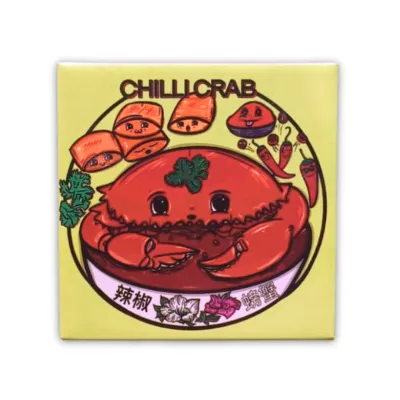
- Hawker Center Staples: Miniature representations of legendary local dishes, such as a tiny plate of Hainanese chicken rice, a rack of charcoal-grilled kaya toast paired with soft-boiled eggs, or a vibrant red chili crab complete with miniature mantou buns.
- Peranakan Tile Patterns: Geometric, highly detailed floral patterns inspired by the traditional ceramic tiles found on historical shophouses in neighborhoods like Katong and Chinatown.
- Colorful Shophouse Facades: Miniature replicas of Singapore's historic pre-war shophouses, featuring colonial-era shutters, ornate plasterwork, and pastel-hued storefronts.
Material choices are critical for capturing the essence of these designs. For food miniatures, high-grade soft enamel or molded PVC provides the crisp, glossy, and highly detailed finish necessary to make food illustrations look appetizing and recognizable. For Peranakan tiles and shophouses, look for miniature glazed ceramic or textured resin magnets that mimic the cool, authentic feel of real architectural tiles.
These pieces are perfect for friends who love cooking, dining out, or interior design, as they add a warm splash of cultural color to a refrigerator door. When purchasing, verify the visual accuracy of the food depiction; high-quality designs ensure that the chili crab looks delicious and detailed rather than an abstract red shape. For heritage patterns, ensure the designs respect traditional Peranakan color palettes—typically featuring pastel pinks, turquoise, ochre, and emerald greens—rather than modern, inaccurate neon colors.
For the Design Lover: Contemporary Art and Minimalist Typography
Not everyone wants a colorful, cartoonish, or traditional souvenir on their refrigerator. For friends, colleagues, or design-conscious individuals who maintain a strictly curated, minimalist home aesthetic, opt for contemporary art and typography-focused designs.
Look for sophisticated design concepts such as:
- Abstract Skylines: Single-line drawings or minimalist geometric silhouettes of the Singapore skyline.
- Singlish Typography: Elegant, modern typographic representations of local Singlish slang terms, such as "Shiok" (expressing extreme pleasure, especially regarding food) or "Lah" (the quintessential grammatical particle), rendered in clean sans-serif fonts.
- Modern Botanical Art: Geometric or abstract interpretations of local flora, particularly the national flower, the Vanda Miss Joaquim orchid.
For materials, prioritize brushed stainless steel, laser-cut sustainable wood, or matte-finish acrylic. These premium materials blend seamlessly with modern stainless-steel refrigerator doors, integrated cabinetry, or minimalist kitchen environments. They avoid the cheap, glossy look of mass-produced tourist merchandise and act as subtle, conversation-starting art pieces.
This style is highly suited for younger friends, graphic designers, architects, or expatriates who appreciate a subtle nod to Singaporean culture. Because these are specialized items, skip the standard souvenir stalls in high-traffic tourist zones. Instead, seek out local independent stationery brands, design boutiques, and museum gift shops, such as the gallery store at the National Gallery Singapore. While these premium artisan pieces typically range from S$12 to S$20—compared to standard S$3 to S$5 airport souvenirs—their superior craftsmanship and unique aesthetic make them well worth the investment.
For the Nostalgia Seeker: Vintage Maps and Retro Everyday Scenes
For history enthusiasts, long-term collectors, or Singaporeans living overseas who miss the familiar sights of their youth, nostalgic designs evoke powerful emotional connections and fond memories of the past.
Focus on designs that capture Singapore’s historical charm:
- Vintage Maps: Detailed reproductions of historical cartography showing early Singapore harbor, coastal shipping routes, and colonial-era street names.
- Retro Everyday Scenes: Illustrations of old-school kopitiams (traditional coffee shops) with vintage calendar pages, retro HDB void deck scenes, and classic metal biscuit tins.
- Iconic Playgrounds: Replicas of the famous mosaic-tiled dragon playgrounds from the 1970s and 1980s, such as the iconic landmark playground in Toa Payoh.
These nostalgic themes are best represented through distressed or antique finishes, sepia-toned or desaturated color prints sealed under clear domed glass or resin, and heavy-duty cast metal that mimics aged brass, bronze, or iron. The physical weight and antique texture of these materials enhance the collectible, heirloom quality of the souvenir.
These make deeply meaningful gifts for older relatives, history buffs, or Singaporean expats living abroad who feel a strong sentimental connection to the country’s rapid development. When selecting vintage map or historical print designs, perform a close visual inspection of the print resolution. Ensure that fine details, such as historical typography and street names, are perfectly sharp, legible, and free from pixelation or blurry ink bleed.
Practical Tips for Evaluating Quality and Packing for Travel
A souvenir is only as good as its functionality. Before purchasing any fridge magnet, it is essential to evaluate its structural quality, holding power, and suitability for travel to ensure it arrives home safely and performs well on the recipient’s refrigerator.
Evaluate Magnet Strength
Most budget souvenirs utilize standard black ferrite magnets. While cost-effective, ferrite magnets are relatively thick, weak, and can easily slide down a refrigerator door under the weight of a heavy decorative front piece. For a premium, reliable hold, look for souvenirs that feature small, silver-colored neodymium (rare-earth) magnets. Neodymium magnets are incredibly strong despite their thin profile, easily securing thick postcards, invitations, or multiple sheets of paper to the fridge without slipping.
Check Surface Protection
Heavy resin, ceramic, or cast-metal magnets can easily scratch delicate stainless steel or glass refrigerator doors if they are slid or moved roughly. Check if the magnet has a soft rubberized backing or a protective layer covering the magnetic element. If it does not, you can easily apply a small, self-adhesive felt pad or a thin piece of masking tape to the back of the magnet to act as a protective barrier before gifting it.
Perform a Pre-Purchase Test
If you are shopping in a physical retail store, test the magnet on a vertical metal surface, such as a metal display shelf or a filing cabinet. Ensure it holds its position firmly and does not slowly slide downward under its own weight. If it slides on a clean shop shelf, it will likely perform poorly on a home refrigerator.
Pack Safely for Your Flight
Fragile 3D resin, ceramic, or glass-domed magnets require careful packing to survive transit in your luggage. Wrap each magnet individually in bubble wrap, foam sheets, or soft tissue paper. Place them inside a hard-shell container—such as a small plastic travel case or a sturdy cardboard box—before packing them in your checked luggage. Alternatively, keep them securely cushioned between layers of soft clothing in your carry-on bag to prevent crushing, chipping, or snapping during your journey.
Frequently Asked Questions (FAQ)
Can I bring fridge magnets on a plane in my carry-on luggage?
Yes, standard consumer fridge magnets are perfectly safe to bring in both carry-on and checked luggage. Aviation security regulations only restrict exceptionally large, high-strength industrial magnets that could potentially interfere with aircraft navigation equipment. Typical souvenir magnets do not produce a magnetic field strong enough to pose any safety risk or trigger security alarms.
How do I prevent a heavy resin magnet from sliding down the fridge?
If a heavy resin or ceramic magnet keeps sliding down, you can easily upgrade its backing. Purchase a small, thin neodymium disc magnet from a local stationery or hardware store and attach it to the back of the souvenir using a strong epoxy adhesive or heavy-duty double-sided mounting tape. Alternatively, avoid using the heavy magnet to hold up thick papers; let it stick directly to the bare metal surface where its friction is maximized.
Community discussion
Share your experience or ask a question. Comments are reviewed before publication.