
Gifting a piece of a nation’s heritage is a thoughtful way to leave a lasting impression on foreign visitors. Collectible coin sets from Singapore serve as elegant, compact, and culturally rich souvenirs that capture the story of the city-state. Unlike typical mass-produced trinkets, these numismatic items carry official backing, artistic craftsmanship, and historical significance. Whether your recipient is an avid collector or a first-time visitor, selecting the right coin set requires balancing aesthetic appeal, cultural relevance, and physical preservation.
By focusing on the design themes, metal compositions, and verification steps, you can choose a gift that stands the test of time. A well-selected set not only acts as a beautiful keepsake but also offers a tangible connection to the history and culture of the island.
What to Look for When Choosing a Collectible Coin Set
To select a meaningful gift, you must first understand the different types of coin finishes and materials available. Collectible coins generally fall into two main categories: proof and uncirculated. Proof coins represent a premium standard of minting craftsmanship. They feature a sharp, detailed design with a frosted finish that stands out against a highly polished, mirror-like background. These are typically struck multiple times with specially polished dies, making them highly prized by collectors. Uncirculated coins, on the other hand, are struck using standard production methods but are handled with care to preserve their original mint luster. They lack the mirror-like contrast of proof coins but offer a clean, satin-like appearance at a more accessible price point.
Products mentioned in this guide
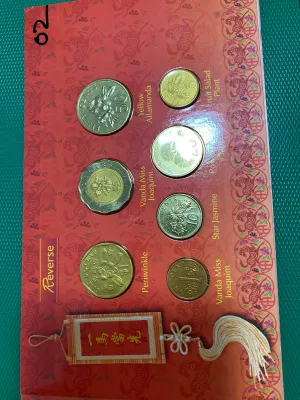
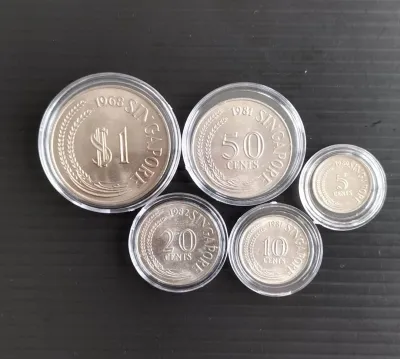
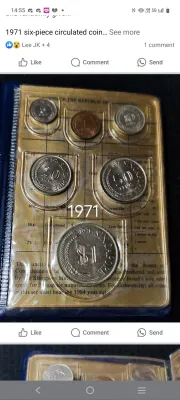
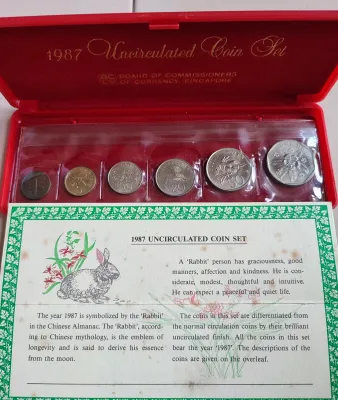
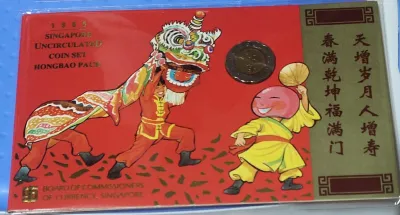
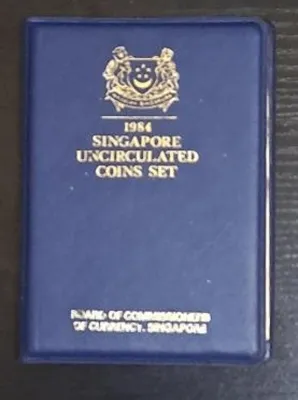
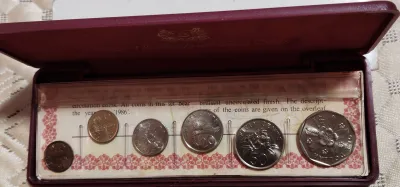
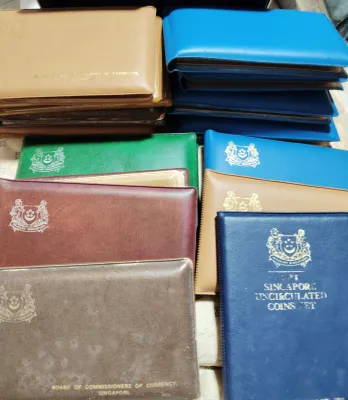
Prices are valid at publication and may change. Please refer to the product page for the latest price.
The choice of material also plays a significant role in the gift’s perceived value and longevity. Base metals, such as cupronickel, brass, and aluminum-bronze, are durable and budget-friendly, often packaged in colorful presentation cards. Precious metals, primarily silver and gold, carry intrinsic value and are usually reserved for premium proof sets. When gifting to an international guest, a silver proof coin often strikes an excellent balance between elegance and value.
Beyond the metal itself, the presentation and documentation are critical. A genuine collectible set should always include its original presentation packaging and a Certificate of Authenticity (COA). The COA serves as the official pedigree of the coin, detailing its technical specifications, such as weight, metal fineness, diameter, and the maximum mintage limit. A low mintage limit often increases the desirability of the set among serious collectors. The packaging, whether a sleek acrylic display stand, a velvet-lined box, or a lacquered wooden case, protects the coin while elevating the entire gifting experience.
Finally, consider how the design connects with your recipient. A well-chosen coin should tell a story that resonates with their personal journey or interests. For instance, a visitor fascinated by modern architecture might appreciate a design featuring the iconic skyline, while someone interested in local culture might prefer a set highlighting traditional festivals or native flora.
Popular Themes for Singapore Coin Souvenirs
Singapore’s rich history, rapid development, and diverse cultural landscape provide a wealth of themes for collectible coins. One of the most popular categories features national landmarks and iconic cityscapes. These designs capture the dramatic transformation of the island from a humble trading port to a global metropolis. Coins depicting the Merlion, the futuristic structures of Marina Bay, or historic civic buildings offer a visual reminder of the city’s unique architectural blend. These sets are particularly well-suited for business associates or first-time tourists who want a tangible memory of the skyline.

For nature lovers, coins showcasing local flora and fauna are an excellent choice. The national flower, Vanda Miss Joaquim, is a recurring motif in local numismatics, often rendered in vibrant color on silver proof coins. Other popular designs feature native wildlife, such as the colorful birds found in local nature reserves or the lush greenery of the Singapore Botanic Gardens. These botanical and zoological themes offer a softer, organic representation of the “City in a Garden” that appeals to a wide audience.
Cultural and festive series provide a deeper look into the multi-ethnic heritage of the country. Annual Lunar Zodiac releases are highly anticipated and make spectacular gifts, especially for visitors arriving during the festive season. These coins often feature intricate artistic interpretations of the zodiac animals, sometimes incorporating traditional paper-cut styles or auspicious symbols. Other cultural series celebrate the traditions, clothing, and festivals of the Chinese, Malay, Indian, and Eurasian communities, highlighting the harmonious multicultural fabric of the nation.
Lastly, historical milestones and national day commemorations capture pivotal moments in the nation’s journey. Coins marking significant anniversaries of independence, bilateral relations, or key historical events serve as miniature history lessons. These commemorative issues often feature powerful symbolic designs, such as clasped hands representing unity or timelines tracing national progress. They are ideal for history buffs or visitors with a deep appreciation for geopolitical and social narratives.
Where to Buy Authentic Collectible Coins in Singapore
To ensure you are purchasing genuine numismatic items rather than cheap replicas or overpriced souvenirs, it is essential to buy from reputable sources. The primary and most reliable channel is the official mint or the authorized retail outlets of the central monetary authority. These institutions offer the latest releases at official issue prices, complete with guaranteed specifications and authentic packaging. Visiting their physical retail booths or official online portals ensures you receive pristine, uncirculated stock directly from the source.
In addition to the official issuer, established postal outlets and national museum gift shops often carry curated selections of collectible coins. The national postal service frequently stocks commemorative coin sets alongside themed stamps, making them convenient one-stop shops for heritage gifts. Museum shops, particularly those at major cultural institutions, select coin designs that align with their exhibitions, offering a highly contextual shopping experience.
For older, out-of-issue, or rare historical coin sets, specialized numismatic dealers are the most reliable route. Singapore has several long-standing, reputable coin shops located in established retail complexes. When dealing with secondary market sellers, look for members of recognized numismatic associations, as they adhere to strict codes of ethics regarding authenticity and grading.
Conversely, you should exercise caution and recognize red flags when shopping in unverified tourist districts, street markets, or unvetted online marketplaces. Be wary of vendors offering “rare” or “precious metal” coins at suspiciously low prices, or selling them without original capsules, boxes, or certificates. Counterfeit coins, altered surfaces, and cleaned coins (which severely reduces their value) are common in unregulated spaces. If a seller cannot provide a matching COA or objects to a close inspection of the packaging, it is advisable to walk away.
How to Verify Authenticity and Condition Before Gifting
Before presenting a coin set to your guest, take the time to perform a few simple, non-invasive checks to verify its authenticity and physical condition. Start by closely examining the Certificate of Authenticity. A genuine COA is printed on high-quality, security-grade paper, often featuring watermarks, microprinting, or holographic seals. Verify that the serial number printed on the certificate matches any numbering on the outer packaging or the coin capsule itself. The details on the certificate—such as the weight, metal purity, and the signature of the issuing authority—should be clear, sharp, and free of spelling errors or blurry fonts.
Next, inspect the physical packaging. Collectible coins are typically sealed inside airtight, transparent acrylic capsules at the mint to protect them from environmental exposure. Check that the capsule is intact, tightly sealed, and free of cracks or deep scratches. In Singapore’s hot and highly humid tropical climate, moisture can easily seep into poorly sealed packaging, leading to accelerated oxidation. Look for any signs of dampness, mold, or warping on the paper inserts, presentation boxes, or outer sleeves.
Finally, examine the coin itself through the protective capsule. Never open the capsule to touch the coin directly, as this can cause permanent damage. Look for visual flaws that detract from the coin’s beauty and value. A pristine proof coin should have a flawless, mirror-like field free of hairline scratches, scuffs, or cloudy patches. Watch out for fingerprints, which appear as dark, permanent smudges caused by skin oils reacting with the metal over time. Another common issue is “toning” or tarnishing, which can manifest as unnatural discoloration or dark spots on silver and copper coins. Lastly, check for any green, sticky residue on the edges of the capsule or the coin itself; this is often PVC residue from cheap, non-archival plastic holders, which can corrode the metal if left unchecked.
Packaging and Travel Considerations for Souvenir Gifts
Transporting a delicate collectible coin set across international borders requires careful planning to ensure it arrives in pristine condition. The first step is evaluating the sturdiness and size of the presentation packaging. While large, elaborate wooden or leatherette cases look impressive on a display shelf, they can be heavy and bulky to pack. If your recipient is traveling with limited luggage space, a single-coin set housed in a slim, lightweight presentation card or a compact acrylic stand may be more practical. Ensure the outer box has a secure closure—such as a magnetic latch or a tight-fitting lid—to prevent it from popping open during transit.
To enhance the gifting experience and protect the item during travel, consider adding a protective outer layer. Wrapping the presentation box in acid-free tissue paper and placing it inside a snug bubble-wrap sleeve will shield the delicate exterior from scuffs and impact. You can also place the set inside a premium gift bag and include a personalized, handwritten note explaining the cultural significance of the design. This adds a thoughtful, personal touch that elevates the coin from a mere object to a cherished memory.
When it comes to airport security and airline guidelines, it is generally recommended to carry high-value collectible coins in carry-on luggage rather than checked bags. Checked baggage is subject to rough handling, temperature fluctuations in the cargo hold, and a higher risk of loss or theft. Because coins are dense metallic objects, they will appear as solid dark shapes on airport X-ray scanners. To avoid delays at security checkpoints, pack the coin set in an easily accessible pocket of your carry-on bag. This allows you to quickly remove it for separate screening if requested by security officers, without having to rummage through your entire bag.
Frequently Asked Questions (FAQ)
Do I need to declare collectible coin sets at customs?
Yes, depending on the value and the specific regulations of both the departing and arriving countries, you may need to declare your collectible coin sets. Most countries have strict thresholds for carrying currency, precious metals, or high-value items across borders. While a single silver or base-metal commemorative coin is unlikely to exceed these limits, multi-coin gold sets or large collections can easily surpass the reporting threshold. It is crucial to understand that collectible coins are often valued by customs authorities based on their market or intrinsic metal value rather than their face value. Always advise your recipient to check the import regulations and duty-free allowances of their destination country before traveling to avoid unexpected taxes, fines, or confiscation at customs.
Can I remove the coin from its capsule to show the recipient?
It is highly recommended to keep the coin sealed inside its protective acrylic capsule at all times. Collectible coins, especially those with proof finishes, are extremely delicate. Touching the surface of a coin with bare hands transfers natural skin oils, sweat, and acids directly onto the metal. Over time, these substances react chemically with the coin, leaving permanent, unsightly fingerprints and causing localized tarnishing that cannot be easily removed without damaging the mint luster. Furthermore, even minor handling can introduce micro-scratches or hairline marks on the highly polished fields of proof coins, significantly reducing their aesthetic appeal and numismatic value. If the recipient absolutely must handle the coin outside of its capsule, they should wear clean, lint-free cotton gloves, handle the coin only by its outer edges, and work over a soft, padded surface to prevent damage from accidental drops.
Community discussion
Share your experience or ask a question. Comments are reviewed before publication.