
Selecting the right soap molder is one of the most critical decisions in your soap making journey. The material you choose directly impacts how easily your finished bars release, how much detail your designs retain, and which soap making methods you can safely practice.
Neither silicone nor rigid plastic is universally superior to the other. The ideal choice depends on your specific soap making technique, your production volume, and your aesthetic goals.
Silicone is generally the superior option for intricate 3D designs, effortless demolding, and high-heat techniques like Hot Process soap making. Rigid plastic excels when you need crisp geometric edges, high-volume batch production, or a highly budget-friendly entry point for standard Cold Process and Melt and Pour methods.
Products mentioned in this guide
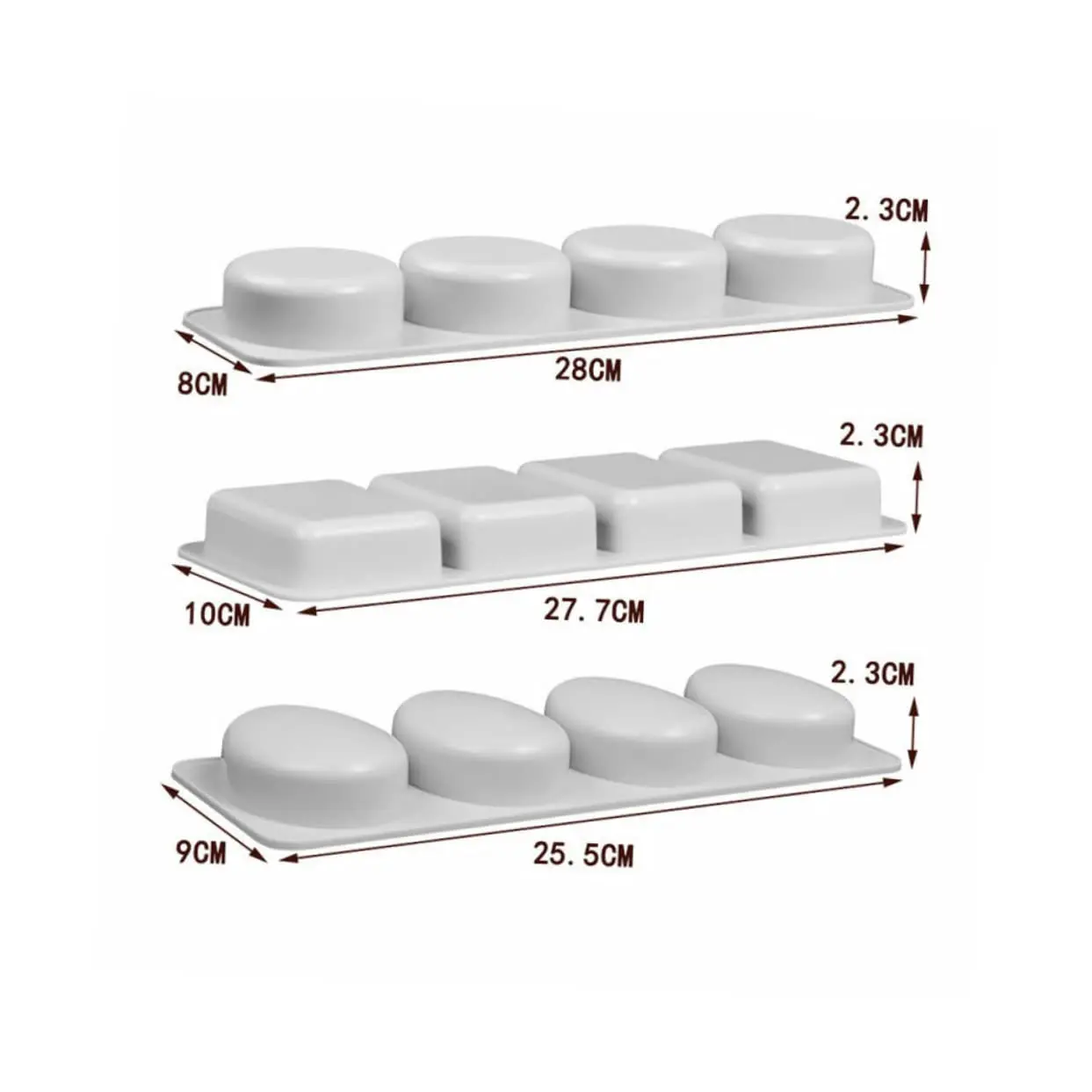
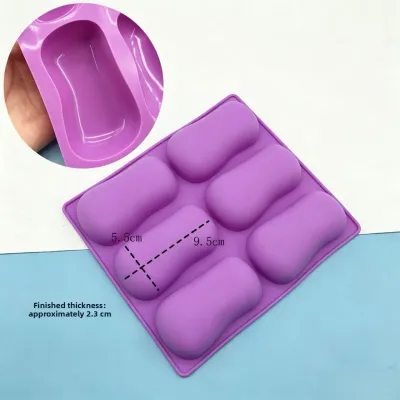
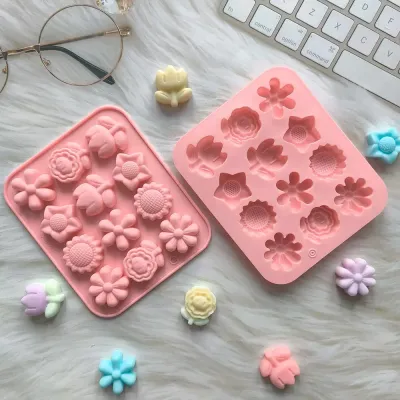
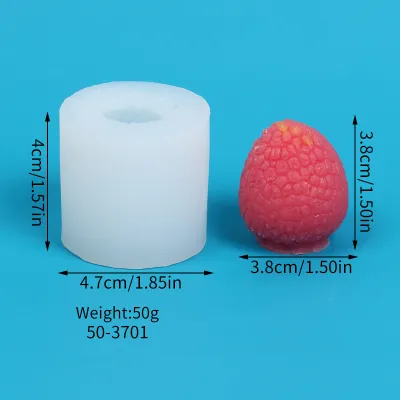
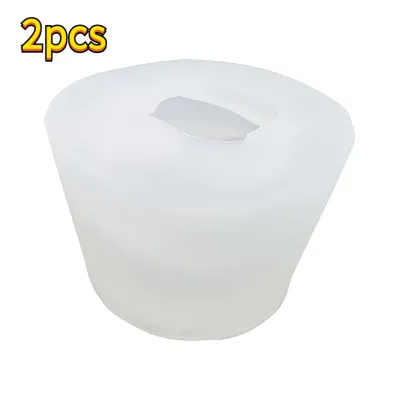
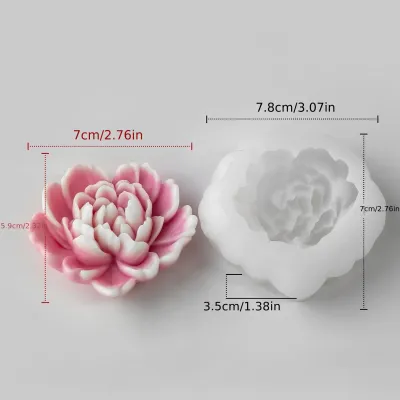
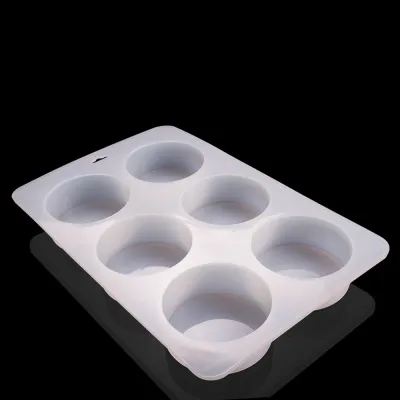
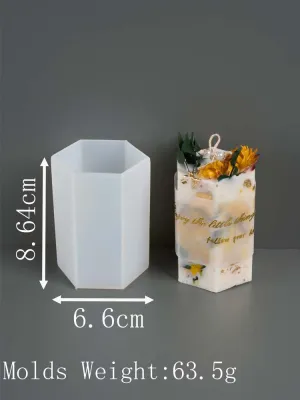
Prices are valid at publication and may change. Please refer to the product page for the latest price.
Silicone vs Plastic Soap Molders at a Glance
To help you quickly evaluate your options, the table below compares the core physical and practical performance dimensions of both materials.
| Feature | Silicone Soap Molders | Rigid Plastic Soap Molders |
|---|---|---|
| Flexibility & Demolding | Extremely flexible; peels back easily without tools | Rigid; requires tapping, freezing, or release agents |
| Heat Resistance | High (typically up to 200°C or higher) | Low to moderate (typically warps above 60°C to 70°C) |
| Detail Resolution | Excellent for complex 3D textures and fine lines | Best for flat-backed, simple geometric shapes |
| Durability & Lifespan | Long-lasting; resists cracking but vulnerable to tears | Can become brittle over time; prone to scratching |
| Storage Profile | Can be folded or rolled to save space | Rigid and stackable; requires flat shelf space |
| Relative Cost | Moderate to high (typically S$15 to S$50+) | Low (typically S$5 to S$15) |
In the crafting world, “plastic” soap molders typically refer to rigid, thermoformed sheets made from plastics like polyethylene terephthalate (PET) or polypropylene (PP). “Silicone” refers to flexible, highly durable elastomeric polymers that are rated as craft-grade or food-grade.
Before pouring any hot soap base or lye mixture, always check the manufacturer’s packaging for specific temperature limits, material safety labels, and usage instructions. Never assume all plastics or silicones share identical thermal or chemical tolerances.
Demolding Ease and Design Detail
The physical flexibility of your soap molder determines how much effort is required to release the cured soap and how pristine the final surface of the bar remains.

Silicone for Intricate Designs and Easy Release
The outstanding characteristic of a silicone soap molder is its elastomeric flexibility. When your soap has fully cured or cooled, you can easily peel the flexible walls of the molder away from the soap block.
This peeling action breaks the surface tension gradually, allowing you to pop out complex 3D shapes, deep botanical patterns, and highly textured surfaces without chipping delicate corners or breaking fine details.
Because silicone has a naturally low surface energy, it exhibits excellent non-stick properties. You do not need to line the cavity with freezer paper or apply chemical release agents before pouring, which saves significant preparation time and keeps your workspace cleaner.
Plastic for Crisp Edges and Simple Geometrics
Rigid plastic molders provide a firm, unyielding boundary that holds its shape perfectly under the weight of heavy soap batter. This structural rigidity prevents the sides of the molder from bowing or bulging outward during the pour and cure phases.
If you want to produce perfectly straight rectangular loaves, sharp-edged cubes, or clean geometric bars with completely flat backs, rigid plastic delivers highly consistent results.
However, demolding from rigid plastic presents a distinct physical challenge. Because the walls cannot bend, air can become trapped between the soap and the plastic, creating a strong vacuum seal.
To release the soap without damaging the edges, you must often employ secondary techniques. These include tapping the back of the mold, placing the filled mold in a freezer for a short period to shrink the soap slightly, or applying a very thin layer of a compatible release agent before pouring.
Heat Resistance and Soap Making Methods
Soap making involves chemical reactions and thermal changes that require careful matching of your molder material to your processing temperatures.
Silicone for High-Heat and Versatile Methods
Silicone possesses exceptional thermal stability, making it highly versatile across all soap making methods. It can easily withstand the high temperatures associated with Hot Process (HP) soap making, where the soap batter is fully cooked before being forced into the mold.
This heat tolerance also makes silicone ideal for Cold Process Oven Process (CPOP) techniques, where crafters place the filled molder into a warm oven to force the soap through its gel phase.
Additionally, you can safely pour freshly melted Melt and Pour (M&P) bases directly into silicone without waiting for the liquid to cool down significantly.
Always verify the exact maximum temperature limit printed on your specific silicone molder’s packaging, as formulation differences can affect thermal limits.
Plastic for Cold Process and Standard Melt & Pour
Rigid thermoformed plastics have relatively low melting and softening points. If exposed to excessive heat, a plastic molder can warp, lose its shape, develop cloudiness, or even melt entirely.
These molders are best suited for traditional Cold Process (CP) soap making, where the chemical reaction generates only moderate, self-limiting heat that rarely exceeds safety thresholds.
They are also highly suitable for standard Melt and Pour bases, provided you allow the melted soap to cool slightly to a safe pouring temperature (typically below 55°C to 60°C) before filling the cavities.
Never use standard craft plastic molders for Hot Process soap making, oven processing, or high-temperature craft techniques unless the manufacturer explicitly states the material is rated for those temperatures.
Durability, Cleaning, and Storage
Maintaining your tools properly ensures they deliver clean, professional results over many years of soap production.
Silicone molders are highly durable and resist cracking, chipping, and degradation from chemical exposure. For those living in compact apartments or HDB flats in Singapore, silicone offers a major storage advantage: you can fold, roll, or squeeze these flexible molders into tight drawers or storage bins, and they will snap back into their original shape when unpacked.
However, silicone is highly vulnerable to physical punctures. Sharp metal tools, such as knives or wire cutters used to slice soap loaves, can easily slice through silicone, permanently ruining the molder.
Rigid plastic molders are highly stackable, which is excellent for organizing your workspace vertically on open shelves. However, plastic is prone to becoming brittle over time, especially when exposed to repeated temperature fluctuations or UV light from windows.
Plastic also scratches easily. If you scrub a plastic molder with an abrasive sponge or brush, you will create microscopic scratches on the interior walls; these imperfections will transfer onto the surface of every subsequent soap bar you pour, leaving them with a dull, marred finish.
To clean both silicone and plastic molders safely, use the following low-risk steps:
- Allow any leftover soap scraps in the molder to cure completely for a few days, making them easy to wash away.
- Wash the cavities gently by hand using warm water, mild liquid dish soap, and a soft microfiber cloth or non-abrasive sponge.
- Avoid harsh chemical solvents, bleach, or highly alkaline cleaning agents, which can degrade both plastic polymers and silicone elastomers.
In Singapore’s highly humid tropical climate, thorough drying is essential. Always allow your molders to air-dry completely in a well-ventilated space before storing them away. Storing damp molders in closed cabinets traps moisture, which can lead to unsightly water spots, stubborn odors, or mold and mildew growth that can contaminate future soap batches.
How to Choose: Decision Framework for Your Skill Level
To finalize your purchase, evaluate your current skill level, workspace, and design goals against these practical criteria.
Choose Silicone if:
- You want intricate designs: Your soap making style focuses on detailed 3D florals, holiday themes, or highly textured artisanal bars.
- You practice high-heat methods: You regularly make Hot Process soap or use the oven-curing method to force gel phase.
- You prioritize convenience: You want to pop finished soaps out instantly without lining molders or using release sprays.
- Your storage space is limited: You need to store your soap making supplies compactly in drawers or flexible bins.
Choose Plastic if:
- You are a beginner: You are just starting out with simple Melt and Pour projects or basic Cold Process soap loaves and want to keep your initial setup costs low.
- You produce large, uniform batches: You need to stack multiple filled molders vertically on shelves while they cool and cure.
- You want sharp, geometric lines: Your brand aesthetic relies on crisp, straight edges and perfectly flat surfaces.
- You are on a budget: You want to purchase a wide variety of basic shapes without a large upfront financial investment.
Verify First if:
- You use complex additives: If your soap recipes incorporate high concentrations of specific essential oils (such as citrus, cinnamon, or clove) or strong fragrance oils, verify chemical compatibility first. Some concentrated fragrance chemicals can migrate into or chemically react with certain rigid plastics, causing them to craze, crack, or degrade over time.
Frequently Asked Questions (FAQ)
Do I need to use a release agent with silicone or plastic soap molders?
High-quality silicone molders rarely require any release agent due to their flexible, non-stick nature. If you are using rigid plastic molders, however, applying a very light coating of mineral oil to the cavities before pouring can help. For stubborn Cold Process soaps in plastic, placing the filled molder in the freezer for 10 to 20 minutes will shrink the soap slightly, breaking the vacuum seal and allowing the bar to slide out safely.
Can I put plastic soap molders in the dishwasher?
You should avoid cleaning craft plastic soap molders in a dishwasher. The high heat of the wash and dry cycles, combined with highly abrasive dishwasher detergents, can easily warp, crack, or cloud the plastic. To preserve the shape, clarity, and lifespan of your plastic molders, always wash them gently by hand using warm water, mild dish soap, and a soft sponge.
Community discussion
Share your experience or ask a question. Comments are reviewed before publication.