
Selecting the right dotting tools can transform your creative workflow, whether you are painting intricate mandalas, sculpting delicate polymer clay, or designing high-precision nail art. The choice between silicone and metal tips is not a matter of finding a universally superior tool, but rather identifying which material aligns with your specific medium, required level of precision, and physical technique. While metal tips provide rigid, unyielding consistency for geometric patterns, silicone tips offer flexible pressure control and seamless blending capabilities.
To make an informed decision, consider this conditional framework based on your primary crafting medium and technique:
- Choose metal dotting tools if your work demands absolute geometric uniformity, microscopic detail, or clean paint release. This includes techniques like dot-spill mandala painting, fine nail art detailing, and embossing crisp lines on paper or foil. Metal tips are ideal for low-viscosity paints and gels where exact shape retention is critical.
- Choose silicone dotting tools if your craft requires organic blending, variable line widths, or direct manipulation of malleable materials. This includes sculpting wet pottery clay, blending soft pastels or oil paints, applying chrome powders in nail art, or working with heavy-bodied acrylics where you want to sculpt textured, dimensional marks.
- Verify medium compatibility first before starting your project. Always check the manufacturer's specifications to ensure your tools can withstand the chemical solvents you plan to use, or that they are certified food-safe if you are using them for culinary art like fondant cake decorating.
Core Comparison Dimensions: Flexibility, Precision, and Durability
Understanding the physical properties of silicone and metal is essential for predicting how they will interact with your chosen medium. By analyzing their flexibility, precision, and long-term durability, you can select the tool that minimizes hand fatigue and maximizes your creative control.
Products mentioned in this guide
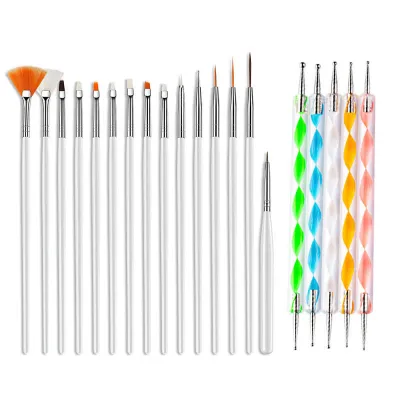
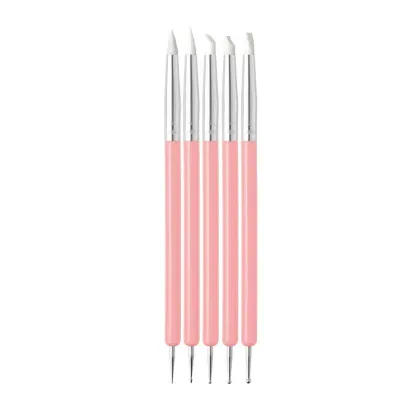
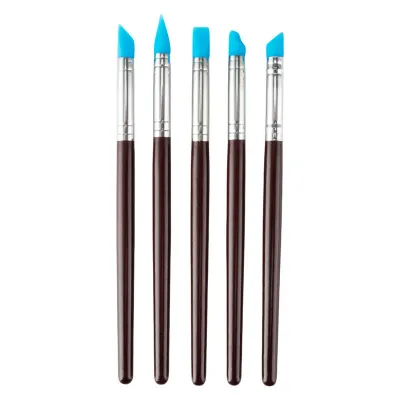
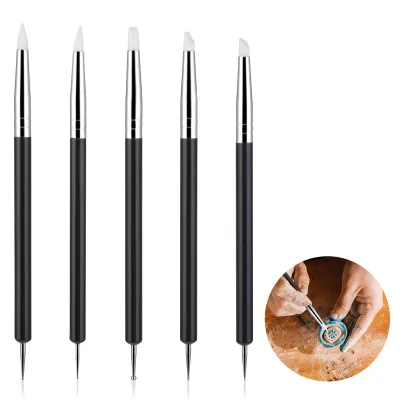
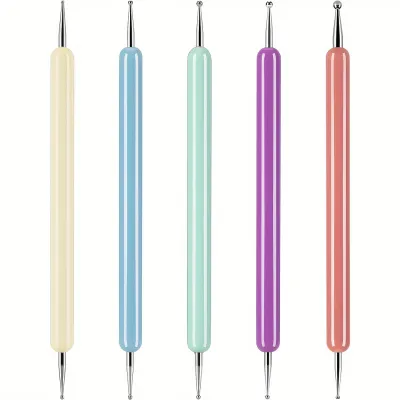
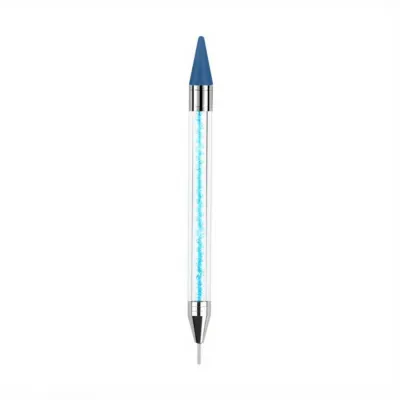
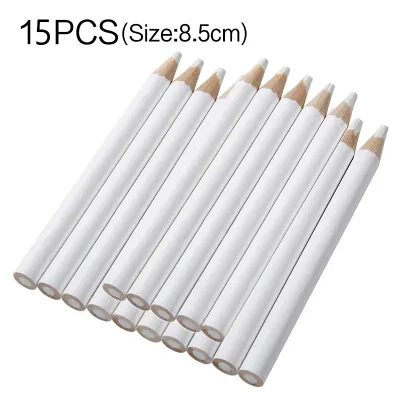
Prices are valid at publication and may change. Please refer to the product page for the latest price.
Flexibility and Pressure Control
Metal dotting tools are completely rigid and do not deform under manual pressure. When you press a metal ball tip onto a surface, the resulting dot size is determined strictly by the physical diameter of the metal sphere and the volume of paint loaded onto it. This lack of yield makes metal highly predictable, but it also means you must switch tools or tips whenever you want to change the size of your dots, as varying your hand pressure will not alter the footprint of the rigid tip.
Silicone tools, conversely, are made of elastomeric polymers that compress and bend under load. This flexibility introduces dynamic pressure control, allowing you to paint a wide variety of dot sizes or line weights using a single tip simply by adjusting how hard you press against your working surface. Gentle pressure yields a tiny, delicate point, while firmer pressure flattens the silicone tip to deposit a much larger mark, giving you a fluid, expressive feedback loop that feels closer to a traditional paint brush.
Precision and Tip Consistency
Metal tips maintain their exact spherical or shaped geometry regardless of the angle or force of your hand. This geometric stability is indispensable for high-precision work where microscopic deviations are highly visible, such as symmetrical dot grids or fine line work. Because the metal does not compress, the boundaries of your paint marks remain exceptionally crisp and clean, preventing the accidental smudging or dragging that can occur with more flexible materials.
Silicone tips will deform or flatten slightly when they contact a surface, which can make achieving perfect geometric symmetry more challenging for beginners. However, this natural deformation is highly advantageous for organic blending, gradient transitions, and soft-edge techniques. Instead of leaving sharp, hard boundaries, a silicone tip allows you to gently smooth out paint lines, blend adjacent colors directly on your canvas, or sculpt soft, realistic contours in modeling clay without leaving harsh tool marks.
Durability and Wear Resistance
High-quality metal dotting tools, typically constructed from stainless steel or brass, are exceptionally resistant to physical wear, scratching, and bending. However, they are vulnerable to chemical degradation, particularly rust and corrosion, if they are exposed to prolonged moisture or stored in humid environments without being thoroughly dried. Over time, even minor oxidation can roughen the polished surface of a metal tip, which ruins its smooth paint release and makes cleaning significantly more difficult.
Silicone tools are entirely immune to rust, making them highly resilient in wet environments, but they possess a shorter overall lifespan due to their susceptibility to physical and chemical wear. Silicone can easily tear if scraped against sharp edges, and it can permanently absorb strong pigments—such as phthalocyanine blues or quinacridone reds—resulting in deep cosmetic staining. Additionally, exposure to harsh chemical solvents like acetone or mineral spirits can cause the silicone matrix to swell, soften, or degrade over time, which permanently ruins the tip’s shape and flexibility.
Before beginning any detailed project, establish a habit of visually inspecting your tools. Look closely at your metal tips for any signs of pitting, rust spots, or rough patches that could drag through your paint. For silicone tools, gently flex the tip to check for micro-tears, permanent deformation, or a sticky surface texture, which indicates that the polymer has begun to break down from solvent exposure.
Technique Suitability: Matching Tools to Your Craft
Different craft techniques place unique demands on your tools. Matching the physical characteristics of silicone and metal to your specific medium ensures smoother application, fewer mistakes, and a more enjoyable creative process.

Nail Art and Fine Detailing
In nail art, where the working canvas is incredibly small and highly curved, metal dotting tools are the industry standard for creating crisp polka dots, leopard prints, and precise lace patterns. The rigidity of a metal ball tip allows you to pick up a precise bead of high-viscosity gel polish or standard nail lacquer and deposit it cleanly onto the nail plate without dragging. This precision is vital when executing intricate geometric designs where even a fraction of a millimeter of drift can ruin the symmetry of the manicure.
Silicone tools, often referred to as silicone brush pens or color shapers in the nail industry, serve a very different but equally valuable role on the nail plate. They are excellent for wiping away excess gel polish to create perfect, sharp smile lines in French manicures, applying and burnishing metallic chrome powders, or blending multi-colored gel gradients. The soft, non-porous silicone surface glides over the nail without scratching the underlying layers, making it the preferred choice for delicate blending and clean-up tasks.
Pottery, Clay, and Embossing
When working with wet ceramic clay, air-dry clay, or polymer clay, silicone tools are indispensable due to their non-stick properties. Wet clay naturally adheres to metal surfaces because of surface tension and suction, which often causes metal tools to drag, tear, or leave rough, jagged edges on your sculpture. Silicone tips glide effortlessly over damp clay, allowing you to smooth out seams, blend joined pieces seamlessly, and emboss soft, organic textures like flower petals or facial features without sticking.
Metal tools still hold a vital place in the clay studio, particularly for tasks that require structural strength and sharp definition. They are highly effective for scoring clay bodies prior to slipping and joining, carving precise geometric lines into leather-hard clay, or cutting away excess material. If you are working with firmer, oven-bake polymer clays, a metal ball tool is excellent for pressing deep, uniform indentations or eye sockets that require a rigid, unyielding shape.
Acrylic Painting and Mandala Art
Mandala art and pointillism rely on absolute consistency in dot size and paint thickness across hundreds of consecutive applications. Metal dotting tools excel in this scenario because their polished, non-porous spheres provide predictable paint pickup and a clean, reliable release. When using fluid acrylics, a metal tool allows you to perform “dot walking”—a technique where you dip the tool once and paint a series of progressively smaller dots—with high predictability, as the paint drains off the rigid tip at a highly consistent rate.
Silicone tools are less suited for high-volume, uniform dotting because their flexible tips can cause variations in dot shape if your hand pressure wavers even slightly. However, they are highly favored by mixed-media artists and heavy-body acrylic painters. The flexible tips allow you to sculpt thick, dimensional impasto dots, apply structural modeling pastes, or blend wet paint directly on the canvas to create soft, painterly gradients that are impossible to achieve with a rigid metal sphere.
Maintenance and Cleaning: Keeping Your Tools in Top Condition
Proper maintenance not only extends the lifespan of your dotting tools but also prevents cross-contamination of colors and mediums between projects. Implementing a disciplined cleaning routine ensures your tools remain reliable for years.
Cleaning Metal Tools
To clean metal dotting tools, always attempt to wipe the tips clean with a damp, lint-free microfiber cloth while the paint or medium is still wet. If acrylic paint, varnish, or clay residue has already dried on the metal, soak the tips briefly in a container of warm, soapy water to soften the material.
- Avoid abrasive scrubbers: Never use steel wool, wire brushes, or harsh abrasive scouring pads to clean metal tips. These can scratch the highly polished surface, creating microscopic grooves that will trap paint and permanently ruin the clean release of future dots.
- Dry thoroughly: Because Singapore's tropical climate features high relative humidity, metal tools are especially prone to rusting if any moisture remains on them. After washing, dry the tools immediately with a clean towel, and consider leaving them in a well-ventilated area for an hour before storing them away.
Cleaning Silicone Tools
Silicone tools should be wiped clean immediately after use using a soft, damp cloth or a mild, alcohol-free wet wipe. Because silicone is highly non-porous, dried acrylic paint can often be gently peeled or rolled off the tip with your fingers once it has dried completely, which is a safe and satisfying way to clean them.
- Check chemical compatibility: Before using any solvents like acetone, isopropyl alcohol, or mineral spirits to clean stubborn residues, check the manufacturer's care instructions. Some low-grade silicone formulations will degrade, swell, or become permanently sticky when exposed to harsh chemicals.
- Do not use sharp blades: Never use craft knives, razor blades, or metal scrapers to remove dried paint or clay from a silicone tip. A single tiny nick in the silicone elastomer will quickly propagate into a large tear, rendering the tool useless for smooth blending.
Storage Best Practices
How you store your dotting tools greatly impacts their physical longevity, especially in humid environments.
- Store horizontally: Whenever possible, store your tools flat in a dedicated protective case, drawer organizer, or wrap-style pencil roll. Storing silicone tools upright in a cup can cause the flexible tips to rest against other tools or the bottom of the container, leading to permanent bending and deformation over time.
- Protect from dust and mold: Keep your tools in a closed, dry storage container to protect them from airborne dust and pet hair, which easily cling to the naturally static-prone surface of silicone. Ensure all wooden handles are completely dry before placing them in airtight containers to prevent the development of mold and mildew.
How to Choose and Verify Your Dotting Tools Before Buying
When shopping for dotting tools, look beyond the price tag and evaluate the physical construction and specifications of the products to ensure they will perform well for your specific crafting needs.
Check the Handle Material
The handle, or shank, of the tool dictates its weight, balance, comfort during long crafting sessions, and ease of cleaning.
- Acrylic handles are highly durable, completely waterproof, solvent-resistant, and incredibly easy to wipe clean, making them an excellent choice for nail artists and painters who work with messy mediums.
- Wooden handles offer a classic, warm feel and a comfortable, lightweight grip, but they require careful maintenance. If wooden handles are left soaking in water or exposed to harsh cleaning solvents, the protective varnish can crack, causing the wood to swell, splinter, and eventually rot.
- Plastic and aluminum handles are lightweight and cost-effective, but ensure they are thick enough to prevent hand cramping if you plan to use them for extended periods.
Inspect the Tip Attachment
One of the most common failure points in inexpensive dotting tools is the joint where the tip meets the handle. Inspect this connection closely, whether shopping in-store or examining a newly delivered set.
- Verify the crimp or glue joint: The metal ball or silicone tip should be firmly seated inside a metal ferrule or directly molded into the handle. Gently wiggle the tip with your fingers; if there is any play, looseness, or visible gaps in the adhesive, the tool will likely twist or fall out during use, ruining your precision.
- Look for seamless construction: High-quality tools feature seamless ferrules that prevent paint, water, or clay from seeping into the handle, which can degrade the internal adhesive and cause premature tool failure.
Review Exact Tip Sizes
Avoid buying tool sets that only use vague descriptors like “small,” “medium,” or “large,” as these classifications vary wildly between different manufacturers. Instead, look for product descriptions or packaging that list the exact tip measurements in millimeters (mm).
- For micro-detailing and nail art, look for metal ball sizes ranging from 0.5 mm to 1.5 mm.
- For standard mandala painting and embossing, a versatile set should include a range of sizes from 1.0 mm up to 5.0 mm or larger.
- For silicone tools, check both the tip width (typically 3 mm to 10 mm) and the shape profile (such as cup chisel, taper point, flat chisel, or angle chisel) to ensure you have the right geometries for your sculpting or blending techniques.
Verify Medium and Safety Ratings
Always match the chemical and safety ratings of the tools to your intended application to protect both your health and your investment.
- Food-safe certification: If you are using dotting tools for cake decorating, chocolate work, or any food-related crafts, the tips must be explicitly labeled as FDA-grade, food-safe silicone or stainless steel. Never cross-contaminate tools between industrial crafts (like polymer clay or resin) and food preparation.
- Solvent resistance: If your work involves harsh chemicals, such as UV resins, solvent-based varnishes, or oil-based paints, verify that both the tips and the handles are rated as solvent-resistant. Using standard plastic or low-grade silicone tools with these mediums can cause the tools to melt, dissolve, or leach chemicals into your artwork.
Community discussion
Share your experience or ask a question. Comments are reviewed before publication.