
Protecting a television during transit requires a multi-layered packaging strategy rather than relying on a single material. An effective setup inside a tv packing box combines three distinct protective layers: a non-abrasive surface wrap to prevent scratches, rigid structural supports to shield vulnerable corners, and resilient void-fill materials to stop the unit from shifting. By understanding how different materials absorb and redirect kinetic energy, you can customize your packaging to match the specific size, weight, and technology of your television.
Understanding TV Vulnerabilities and Packaging Requirements
Modern televisions are highly sophisticated electronic devices with physical vulnerabilities that differ significantly from older, bulkier models. Today’s liquid crystal displays (LCD) and organic light-emitting diode (OLED) screens are exceptionally thin and sensitive to localized pressure. Direct pressure on the front panel can easily fracture the glass substrate or damage the delicate internal liquid crystal layers, leading to permanent display distortion or complete panel failure.
The edges and corners of a television represent another critical vulnerability point. During loading, unloading, or sudden transit stops, the entire weight of the television can shift rapidly, concentrating immense force on a single corner. If the corner strikes a hard surface without adequate cushioning, the impact shock travels directly through the chassis, often cracking the outer bezel or shattering the internal display matrix.
Products mentioned in this guide
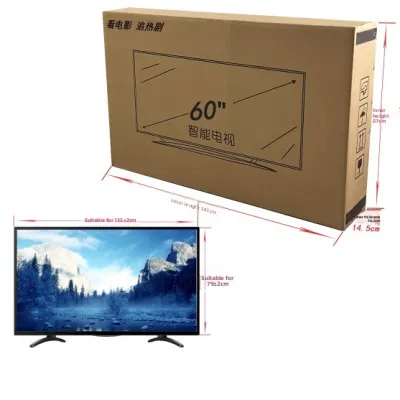
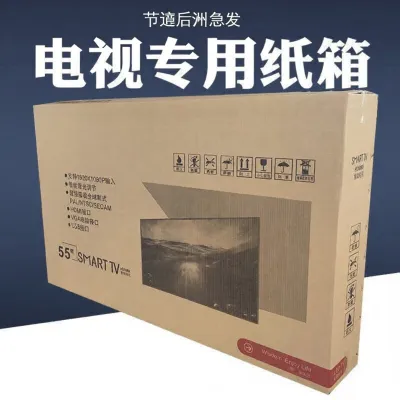
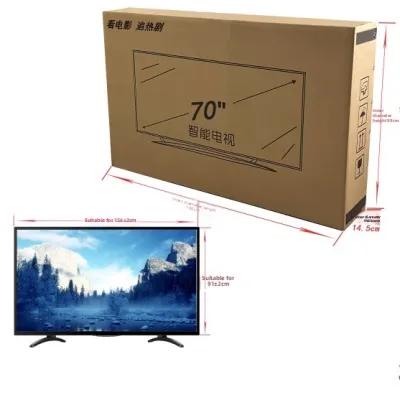
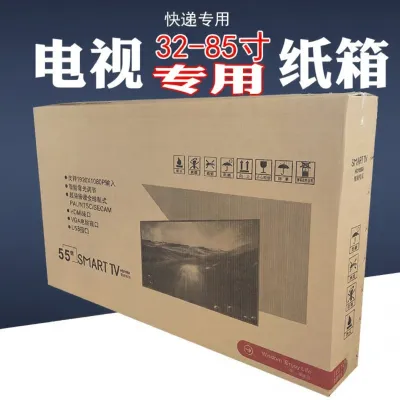
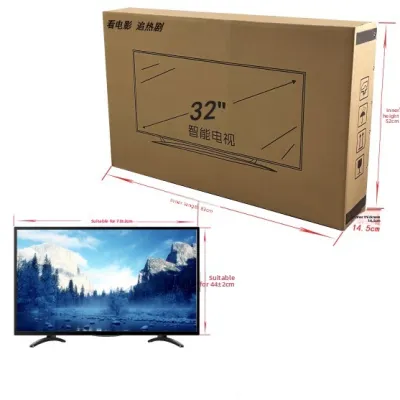
Prices are valid at publication and may change. Please refer to the product page for the latest price.
In addition to sudden impacts, continuous low-frequency vibrations during transit pose a silent threat to internal electronic components. Over long distances, road vibrations can loosen internal ribbon cables, solder joints, and circuit board connections. To mitigate this risk, the packaging system inside the tv packing box must eliminate all internal movement, ensuring the television remains suspended and immobile within its protective envelope.
Comparing Common Shock-Absorbing Materials for TVs
To select the right protective elements, it is essential to understand how different packaging materials interact with kinetic forces. When an external impact occurs, shock-absorbing materials deform to dissipate the energy over a longer period and a wider surface area, reducing the peak force transmitted to the television. Balancing material density, flexibility, and structural integrity is key to building an effective defense system.

Molded Foam and Custom Foam Inserts
Molded foam inserts, typically made from expanded polystyrene (EPS) or expanded polyethylene (EPE), provide high compressive strength and structural rigidity. These materials are engineered to absorb heavy, high-energy impacts by collapsing slightly under extreme pressure, preventing the force from reaching the television. Their rigid nature makes them highly effective for corner bracing and edge protection, keeping the TV centered and suspended away from the outer walls of the tv packing box.
However, generic molded foam blocks often present compatibility challenges for modern ultra-thin or curved screens. If the foam insert does not match the exact contours of the television, it can create localized pressure points that actually increase the risk of screen cracking. Additionally, rigid foam blocks are bulky to store and cannot be easily reshaped to fit different television models.
Before using molded foam, check the manufacturer’s specifications for density and material composition. It is important to verify that the foam does not have an abrasive surface texture that could scratch the bezel. Furthermore, ensure the foam does not contain chemical additives or fire retardants that might react with or degrade the specialized anti-reflective coatings applied to modern screens.
Bubble Wrap and Polyethylene Foam Rolls
Flexible wrapping materials, such as bubble wrap and thin polyethylene foam rolls, serve as the primary line of defense against surface damage. These materials are highly conformable, allowing them to wrap tightly around the screen, bezel, and back panel to prevent scratches, dust accumulation, and minor scuffs. Polyethylene foam rolls are particularly gentle on sensitive screen surfaces, offering a smooth, non-abrasive barrier.
While flexible wraps excel at surface protection, they lack the structural rigidity required to absorb severe impacts or prevent crushing forces. Relying solely on bubble wrap to protect a heavy television inside a tv packing box is risky, as the air bubbles can pop under concentrated loads, leaving the TV vulnerable to direct contact with the box walls.
When selecting bubble wrap, verify the bubble size and overall material thickness. Small bubbles (typically 10 millimeters in diameter) are suitable for scratch prevention and light cushioning, while larger bubbles (25 millimeters or more) offer better shock dispersion. For optimal protection, apply multiple layers of wrap, ensuring the bubbles face outward to prevent them from leaving circular imprints on the screen surface.
Air Pillows and Inflatable Column Bags
Air-based cushioning systems utilize trapped air to create highly resilient barriers that absorb shocks and fill empty spaces. Standard air pillows are lightweight, pre-inflated plastic pockets designed primarily for void filling. When placed strategically around the wrapped television, they prevent the unit from shifting laterally inside the tv packing box, maintaining the critical buffer zone between the TV and the outer cardboard.
Inflatable column bags represent a more robust variation of air cushioning, featuring multiple independent air chambers that wrap entirely around the television. If one column punctures, the adjacent columns remain inflated, preserving the overall protective barrier. This structure provides effective surface shock absorption and distributes external pressure evenly across the entire face of the screen.
The primary limitation of air-based systems is their vulnerability to sharp edges and temperature-induced pressure changes. Before relying on inflatable packaging, check the valve integrity, seam strength, and air retention capabilities of the material. Ensure that no sharp components, such as detached stand screws or bracket edges, are packed near the air columns to prevent accidental punctures during transit.
How to Match Materials to Your TV Size and Shipping Condition
Selecting the right combination of shock-absorbing materials depends heavily on the physical dimensions of the television and the anticipated transit conditions. A small, lightweight television requires a different protective strategy than a massive, premium display.
For small to medium televisions (typically under 55 inches), the overall weight is relatively low, which reduces the kinetic energy generated during an impact. For these units, a combination of multi-layered bubble wrap, heavy-duty cardboard corner protectors, and dense void-fill material is often sufficient to ensure safe transit. The lighter weight allows flexible wraps to perform effectively without collapsing completely under pressure.
In contrast, large, heavy, or premium televisions (65 inches and above, including ultra-thin OLED models) demand a highly structured, rigid packaging system. The sheer surface area of a large screen makes it highly susceptible to flexing and pressure cracks. For these displays, custom-molded foam inserts or heavy-duty inflatable column bags are necessary to provide structural support. These materials prevent the chassis from twisting or bending, which is a common cause of internal panel failure in larger models.
The transit environment also dictates the level of protection required. If you are moving locally using a personal vehicle or a dedicated moving truck, you have greater control over how the tv packing box is handled and oriented. In this scenario, you can prioritize flexible wraps and high-quality void fill, provided the box remains upright and secured against tipping.
For long-distance shipping or transit via standard courier services, the packaging must withstand mechanical sorting systems, drops, and stacking forces. This rigorous environment requires a heavy-duty, double-walled tv packing box paired with rigid foam corner protectors, thick polyethylene foam sheets over the screen, and dense void-fill materials that leave absolutely no room for internal movement.
Step-by-Step Packing Strategy for Maximum Protection
Executing a systematic packing process ensures that each shock-absorbing material performs its intended function effectively. Skipping steps or applying materials out of order can compromise the entire protective system.
Before packing, perform essential preparation checks to protect both the television and the packaging materials. Begin by thoroughly cleaning the screen with a dry microfiber cloth to remove dust and abrasive particles that could cause scratches when compressed under wrapping materials. Detach the television stand or wall-mount brackets completely; leaving these attached concentrates stress on the mounting points and can easily puncture the packing box or air cushions. Secure all loose cables, remote controls, and screws in labeled bags, wrapping them separately to prevent them from knocking against the screen.
The layering sequence must progress from soft, non-abrasive surface protection to rigid structural support. First, wrap the entire television chassis in a layer of non-abrasive polyethylene foam wrap or specialized screen-protection film. Next, apply a thick layer of large-bubble wrap over the initial foam layer, securing it with packaging tape without letting the tape touch the television itself. Once the soft layers are secure, install rigid foam or heavy-duty cardboard corner protectors on all four corners of the television to absorb corner impacts.
With the television wrapped and reinforced, prepare the tv packing box by placing a thick layer of shock-absorbing material, such as molded foam blocks or inflated air pillows, at the bottom of the box. Carefully lower the wrapped television into the box, keeping it in an upright position. Fill all remaining empty spaces around the sides, front, and back of the television with dense void-fill materials, ensuring the unit cannot tilt or slide when the box is moved.
To complete the process, seal the box securely and apply clear handling instructions. Use heavy-duty, pressure-sensitive packaging tape to seal all seams of the box, applying multiple layers along the center seam and edges to reinforce the structural integrity of the cardboard. Clearly label the box with “Fragile,” “This Side Up” arrows, and “Do Not Lay Flat” instructions on multiple sides.
If you are dealing with an exceptionally large, heavy, or high-value commercial display, evaluate whether a DIY packing approach is safe. If the television exceeds your ability to lift and pack it safely, or if the original manufacturer packaging is unavailable for an extremely fragile OLED screen, halt the process. In these cases, consulting professional packers or utilizing specialized freight services with custom wooden crates is the safest course of action to prevent costly damage.
Frequently Asked Questions (FAQ)
Can I use towels or blankets instead of commercial shock-absorbing materials?
While household textiles like towels and blankets seem convenient, they do not provide consistent shock absorption or pressure distribution. Textiles compress easily under load and lack the resilience of engineered packaging foams, meaning they can bottom out during an impact and transfer the force directly to the television. Additionally, household fabrics can trap moisture, shed lint, or harbor abrasive dust particles that can scratch the sensitive screen coatings during transit. It is best to reserve blankets for wrapping the exterior of the sealed tv packing box rather than using them as internal cushioning.
Should I keep the original TV box and packaging for moving?
Retaining the original manufacturer packaging is highly recommended because the custom-molded foam inserts are engineered specifically to match the weight distribution and dimensions of your exact television model. This custom fit provides the most reliable protection against drops and vibrations. However, if the original packaging has been stored in a damp environment, the cardboard box may have lost its structural strength, or the foam inserts may have become brittle and crumbly. In such cases, reinforce the old box with heavy-duty packaging tape and supplement any degraded foam with fresh bubble wrap or air pillows.
How do I protect the screen specifically from pressure cracks?
To protect the delicate screen from localized pressure cracks, create a rigid physical barrier over the glass before applying flexible wraps. You can cut a sheet of heavy-duty, double-walled corrugated cardboard or a lightweight plastic corrugate board to match the exact dimensions of the screen, placing it directly against the front panel. Secure this rigid sheet in place with stretch wrap before wrapping the entire unit in bubble wrap. Always keep the tv packing box in an upright position during transit, and never stack other heavy boxes or items on top of or against the screen side of the box.
Community discussion
Share your experience or ask a question. Comments are reviewed before publication.