
Choosing the right shirt tightener clip depends on your daily footwear, sock choices, and comfort preferences. For those wearing full-length trousers with mid-calf socks, the sock-clip offers excellent stability. If you wear ankle socks or loafers, a foot-loop or waist-loop design provides the necessary anchor without requiring high socks. In warm, humid climates like Singapore, minimizing extra layers on the legs is often a priority, making the waist-loop a popular choice for smart-casual wear.
Quick Answer: Which Shirt Tightener Style Works Best?
To keep a dress shirt perfectly tucked throughout a busy day, the ideal shirt tightener clip style is highly conditional. There is no single universally superior option; instead, the right choice depends on your daily wardrobe configuration and how you prefer to distribute tension.
- Foot-Loop Designs: Best for those who wear standard dress shoes and want a continuous, straight-line downward pull that anchors beneath the arch of the foot.
- Sock-Clip Designs: Ideal for wearers of mid-calf or over-the-calf dress socks who want a secure anchor that does not run all the way into the shoe.
- Waist-Loop Designs: Perfect for individuals wearing shorts, low-cut ankle socks, or lightweight trousers where lower-leg straps would be visible or uncomfortable.
Ultimately, securing your shirt relies on matching the tightener’s mechanical anchor to your footwear and sock choices, while ensuring the elastic tension is adjustable to prevent fabric strain.
Products mentioned in this guide
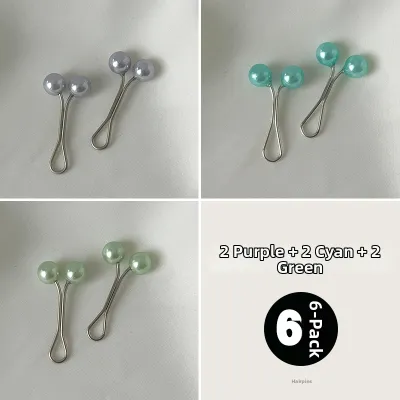
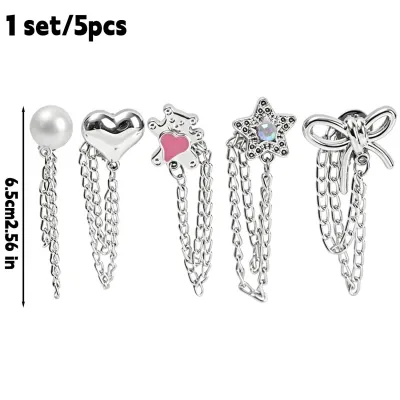
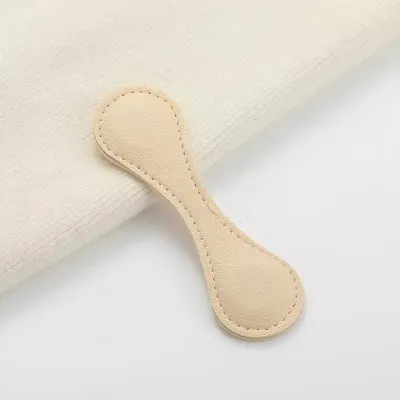
Prices are valid at publication and may change. Please refer to the product page for the latest price.
Understanding the Three Main Shirt Tightener Mechanisms
Before selecting a shirt tightener clip, it is essential to understand how each of the three primary designs physically anchors your garment to maintain a clean, flat tuck.

The foot-loop design, often referred to as a stirrup style, utilizes a long elastic strap that runs down the side of each leg. The bottom of the strap forms a loop that slips over the foot, resting securely under the arch inside your shoe. The top of the strap splits into clips that attach directly to the front and back hems of your dress shirt. This configuration creates a direct, vertical line of downward tension from the shirt hem to the sole of your foot.
The sock-clip design, sometimes called a traditional shirt stay, operates on a similar vertical tension principle but uses a shorter strap. Instead of reaching the foot, the bottom clip attaches to the ribbed top cuff of your dress sock, while the upper clips grip the shirt hem. This setup relies entirely on the elasticity and fit of your socks to act as the anchor point, eliminating any material inside your footwear.
The waist-loop design takes a completely different approach by keeping all hardware at or near the waistline. This style consists of an adjustable elastic belt that sits over your shirt tails but underneath your trousers. Some variations wrap around the upper thighs as individual bands. The inner surface of the band typically features textured rubber or silicone grips that friction-lock the shirt fabric in place, preventing it from sliding upward when you move.
Comparing Security, Comfort, and Visibility
Each shirt tightener style presents distinct trade-offs in terms of hold security, physical comfort, and visual discretion under different types of clothing.
Vertical designs like foot-loops and sock-clips offer the most rigid hold because they anchor to the lower extremities. When you stand up, walk, or reach upward, the physical distance between your shoulders and feet remains relatively constant, keeping the shirt pulled taut. However, sitting down can cause a sudden increase in tension as your knees bend, which may pull on the shirt hem or cause the clips to slip if they are not properly adjusted. Waist-loops, while highly effective at preventing the shirt from billowing out, do not pull the shirt downward with the same mechanical force during extreme reaching movements.
Because foot-loops and sock-clips apply constant downward tension, they can create noticeable pressure points. Foot-loops can sometimes rub against the arch of the foot inside tight-fitting dress shoes, while sock-clips can pull down on your socks, occasionally causing them to slide or bunch up. Additionally, prolonged body contact with tight elastic bands around the calves or thighs can cause skin irritation or mild circulation discomfort, especially in hot, humid climates where sweat can accumulate under the straps. Waist-loops distribute pressure more evenly around the hips or thighs, making them generally more comfortable for long hours of sitting at a desk.
Your choice of trousers and footwear heavily dictates which style remains invisible. Foot-loops and sock-clips require full-length trousers to remain hidden. If you wear tailored, slim-fit trousers, the outline of the vertical straps may occasionally show through lightweight fabrics when you walk or sit. If your daily routine involves wearing shorts or cropped trousers with low-cut ankle socks, both foot-loops and sock-clips are unusable because the straps would be fully exposed. In these scenarios, a waist-loop is the only viable option, as it remains completely concealed beneath the waistband of your shorts or trousers.
Decision Framework: Choosing the Right Tightener for Your Routine
To determine which shirt tightener clip style best suits your wardrobe, use this practical decision framework based on your typical attire and daily physical activity.
- Choose a foot-loop design if: You consistently wear structured dress shoes, boots, or loafers along with full-length trousers. This style is excellent for formal events, military uniforms, or corporate environments where you want a perfectly flat, unwrinkled shirt front and do not mind a strap running inside your footwear.
- Choose a sock-clip design if: You regularly wear high-quality, mid-calf or over-the-calf dress socks that can withstand upward tension without slipping. This option keeps your feet free of extra straps inside your shoes while still providing the reliable vertical tension of a traditional shirt stay.
- Choose a waist-loop design if: Your wardrobe includes casual trousers, chinos, or shorts, and you prefer wearing ankle socks, no-show socks, or going sockless. It is also the preferred choice if you want to avoid any straps running down your legs or if you frequently sit for long periods and want to avoid knee-level tension.
- Verify fabric and skin compatibility first: Before purchasing any style, inspect the clip mechanism. If you wear delicate dress shirts made of fine silk, high-thread-count cotton, or linen, ensure the clips feature protective rubber or plastic inserts rather than bare metal teeth. If you have sensitive skin or are prone to heat rashes in warm climates, look for hypoallergenic, breathable elastic webbing and plan to wear the tightener over an undershirt where possible to minimize direct skin contact.
Setup and Adjustment Tips for a Secure Tuck
Proper installation and adjustment are critical to achieving a secure hold without damaging your garments or causing physical discomfort.
When attaching vertical clips (foot-loops or sock-clips), always position the clips along the natural seams of your shirt. Placing one clip on the front-side seam and another on the rear-side seam helps distribute the downward pull evenly, preventing the fabric from puckering or pulling awkwardly across your chest. Avoid clipping directly to the very edge of thin hems; instead, fold a small section of the hem over to create a double-layer anchor point for the clip teeth to grip.
Adjust the elastic length using the slider buckles before you fully fasten your trousers. The tension should be firm enough to keep the shirt flat when you stand, but it should not feel tight or restrictive when you bend your knees or sit down. If you feel a sharp pull on your shoulders or socks when sitting, loosen the sliders slightly. A small amount of slack when seated is normal and prevents the clips from snapping off or tearing the fabric.
Regularly inspect the hardware and elastic webbing for signs of wear. Over time, sweat, body oils, and tension will degrade the elastic fibers, causing them to lose their stretch and sag. Check the metal or plastic clips for bent teeth, loose hinges, or worn-out rubber pads. Replacing your shirt tightener clips at the first sign of elastic fatigue ensures consistent performance and protects your dress shirts from accidental tears.
Frequently Asked Questions (FAQ)
Can shirt tightener clips damage delicate dress shirt fabrics?
Yes, improper use of shirt tightener clips can damage delicate fabrics like fine cotton, silk, or linen. Clips with bare metal teeth can puncture or snag thin threads, especially under high tension when sitting or bending. To prevent fabric damage, choose clips equipped with protective rubberized or plastic inserts that clamp the fabric using friction rather than sharp teeth. Alternatively, you can place a small piece of folded tissue or scrap fabric between the clip teeth and your shirt hem to act as a protective barrier.
Are waist-loop shirt tighteners visible when wearing a tucked-in shirt?
Waist-loop shirt tighteners are generally invisible under standard-fit trousers and medium-weight fabrics. However, because the band sits directly over your shirt tails near the hips, it can create a slight ridge or bulkiness if you wear extremely slim-fit trousers or lightweight, unlined summer pants. To minimize visibility, position the waist-loop so it sits flat against your hips, just below your trouser waistband, and ensure the adjustment buckle is positioned flat against your side rather than directly under your belt buckle.
How do I clean and maintain elastic shirt tighteners?
To prolong the lifespan of the elastic fibers and prevent metal hardware from rusting, hand-wash your shirt tighteners in cool water using a mild detergent. Avoid machine-washing them with heavy garments, as the clips can snag on other fabrics or damage the washing machine drum. Never place elastic tighteners in a high-heat clothes dryer, as extreme heat breaks down the rubber strands inside the elastic, causing them to lose tension. Instead, pat the metal clips dry with a towel and hang the straps to air-dry in a well-ventilated area away from direct sunlight.
Community discussion
Share your experience or ask a question. Comments are reviewed before publication.