
Selecting the correct shipping bag size balances product protection with operational efficiency. A bag that is too small risks seam failure during transit, while an oversized bag wastes material and increases shipping fees. To find the ideal fit, you must look beyond flat dimensions and calculate how an item’s thickness displaces the bag’s internal volume.
Understanding Shipping Bag Dimensions and Measurements
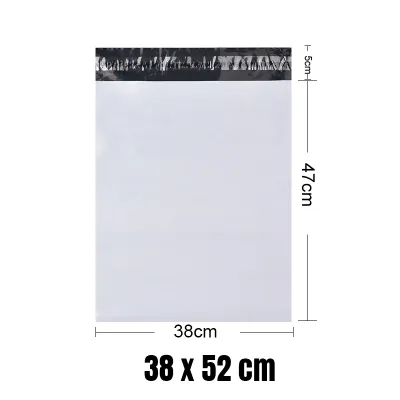
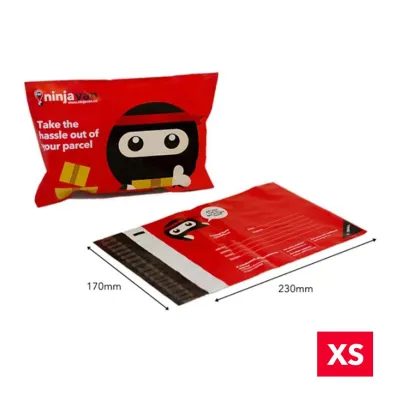
Packaging suppliers typically label shipping bags using a width-by-length (W x L) format, such as 250 mm x 350 mm. This represents the external dimensions when laid flat. However, the usable internal space is always slightly smaller due to side seals and manufacturing tolerances.
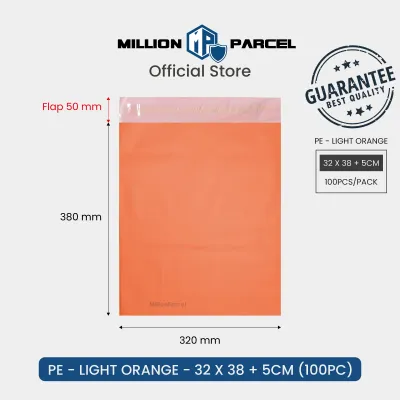
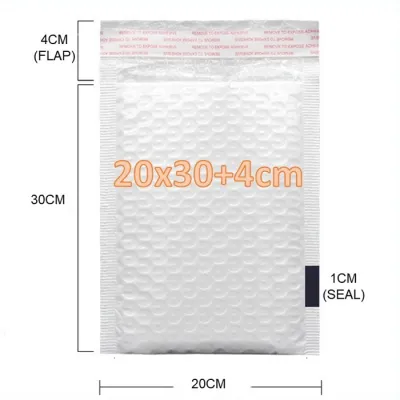
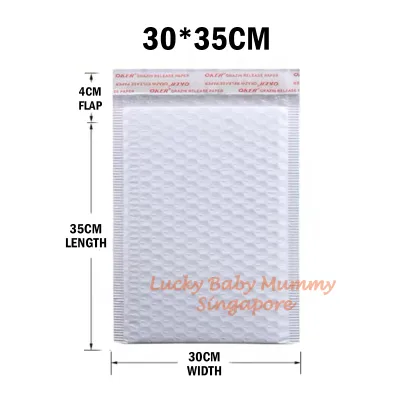
A critical detail is whether the stated length includes the adhesive sealing flap (lip). In standard packaging, the flap is excluded from the primary length measurement. A 300 mm long bag usually has an additional 40 mm to 50 mm flap extending past the opening. If a supplier includes the flap in the total length, the usable depth is significantly reduced.
Products mentioned in this guide
Prices are valid at publication and may change. Please refer to the product page for the latest price.
To measure irregular, soft, or semi-rigid items, use a flexible measuring tape. Measure at the thickest, widest, and longest points. For soft goods like clothing, compress the item slightly to simulate how it will sit inside a sealed bag, preventing overestimation of the required volume.
Matching Bag Sizes to Common Item Categories
Different products interact with packaging materials in distinct ways. Choosing the right shipping bag requires analyzing whether your item is flexible enough to conform to the bag’s shape or if it possesses a rigid structure that demands specific dimensional allowances.

While flexible items easily slide into standard poly mailers, items with fixed structural heights require careful calculation to prevent tearing. Additionally, shipping bags are not a universal solution; highly fragile items, heavy electronics, or goods with sharp, unshielded corners should always be packed in corrugated boxes with appropriate void fill.
Flat and Flexible Items (Apparel, Documents, Stationery)
Flat and flexible items, such as t-shirts, documents, and softbound stationery, are highly forgiving because they can bend and compress. However, even flat items have thickness that must be accounted for. A stack of paper or a folded notebook might look flat, but a 20 mm stack height pulls the sides of the shipping bag inward, reducing the available width.
When shipping paper documents or high-quality stationery, maintaining a flat profile is essential to prevent creasing. Ensure the bag has enough length to seal flat without putting pressure on the edges of the contents. For rigid stationery items like hardback planners, check for sharp corners. If the corners are sharp, look for shipping bags with reinforced side seams, or wrap the edges in protective paper to prevent the corners from piercing the plastic during sorting.
Bulky or Semi-Rigid Items (Cosmetics, Small Accessories)
Bulky, semi-rigid, or irregularly shaped items—such as boxed cosmetics, plastic accessories, or small toys—present unique sizing challenges. Because these items do not compress, their height directly dictates the required width and length of the shipping bag. As a rigid item is inserted, the bag must stretch around the item’s height, creating a natural gusset effect that pulls the flat sides inward.
To accommodate this, verify the manufacturer’s specifications for the bag’s maximum weight limits and puncture resistance. Heavy or angular semi-rigid items can easily burst through thin plastic. Furthermore, if these items require internal bubble wrap or paper wrapping for surface protection, measure the item after wrapping it. The added cushioning layer can increase the overall dimensions by 10 mm to 20 mm on all sides, requiring a larger bag size.
Key Specifications Beyond Basic Dimensions
Beyond width and length, technical specifications determine how well a shipping bag performs. Thickness is measured in microns (µm) or mils. Standard utility bags range from 40 to 50 microns, suitable for lightweight, non-abrasive items. For heavier or high-value goods, look for heavy-duty bags of 60 to 75 microns to ensure superior tear resistance and complete opacity, which prevents contents from being visible.
Material composition dictates environmental performance. Co-extruded polyethylene (LDPE) is the industry standard for water resistance and durability, making it ideal for humid climates. If you use biodegradable or compostable alternatives, verify the manufacturer’s data sheets regarding shelf life, as these materials can degrade prematurely if exposed to high heat or moisture before use.
Pay attention to the adhesive flap width. A wider adhesive strip (typically 10 mm to 15 mm) provides a secure, tamper-evident seal. Ensure the adhesive is rated for your shipping environment’s temperature. For standard e-commerce shipments, minor specifications like surface gloss or minor texture variations have a negligible impact on performance and can be ignored to simplify decisions.
How to Calculate the Perfect Bag Size for Your Product
To avoid wasting S$ on bulk orders of incorrect packaging, use a mathematical formula to determine the minimum bag dimensions required for your product.
First, measure the maximum length (L), width (W), and height (H) of your item (including any protective wrapping). Use these measurements in the following formulas:
- Minimum Bag Width = Item Width + Item Height + 20 mm
- Minimum Bag Length = Item Length + Item Height + 50 mm
For example, if you are shipping a boxed item that is 150 mm wide, 200 mm long, and 40 mm high, your minimum bag width should be 150 + 40 + 20 = 210 mm. Your minimum bag length should be 200 + 40 + 50 = 290 mm.
Before committing to a bulk purchase, order a small sample pack of the calculated size. Conduct a physical test-pack by inserting your item, sealing the bag, and checking for excess tension along the seams. If you frequently fulfill multi-item orders, perform test-packs with common product combinations to determine if you need a dedicated larger size for combined shipments.
Frequently Asked Questions (FAQ)
Can I use a shipping bag for fragile items?
Standard shipping bags do not provide structural impact protection and should not be used alone for fragile items like glassware, ceramics, or delicate electronics. If an item is semi-fragile and highly resistant to pressure, you can use a padded bubble mailer or wrap the item securely in multiple layers of bubble wrap before placing it in a heavy-duty shipping bag. However, for truly fragile goods, a rigid corrugated box paired with internal cushioning is the only reliable way to prevent damage during sorting and transit.
Does the flap size count towards the total bag length?
In the packaging industry, the standard practice is to exclude the adhesive flap from the stated length of the shipping bag. For example, a bag advertised as 250 mm x 300 mm will typically have a usable internal length of 300 mm, with an additional 40 mm to 50 mm flap extending beyond that measurement. However, because labeling conventions can vary among manufacturers, always verify the usable internal dimensions on the product specification sheet before placing an order.
Community discussion
Share your experience or ask a question. Comments are reviewed before publication.