
Choosing the right pearl button involves balancing your garment’s fabric weight, care requirements, and overall aesthetic goals. For premium, heirloom, or natural-fiber garments like silk blouses and linen shirts, genuine shell (mother-of-pearl) buttons offer unmatched natural iridescence and high-end appeal. For structured, vintage, or heavy decorative items, glass pearl buttons provide a distinct weight and deep, reflective luster. For everyday wear, children’s clothing, and budget-friendly crafts, plastic (polyester or resin) pearl buttons deliver excellent durability, lightweight versatility, and easy machine-washable care.
Understanding the Core Material Differences
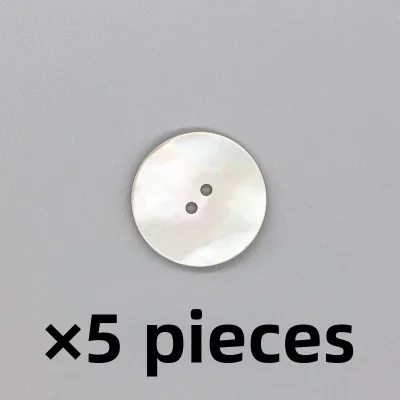
To make an informed choice, it is essential to understand the fundamental physical and visual traits of each button type. Shell buttons, often referred to as mother-of-pearl, are crafted from the inner lining of mollusk shells, such as oysters or abalone. This natural origin gives each button a unique, organic iridescence that shifts beautifully under light. Because they are sliced directly from natural shells, they possess a cool-to-the-touch feel and often feature subtle variations in thickness and texture on their reverse sides.
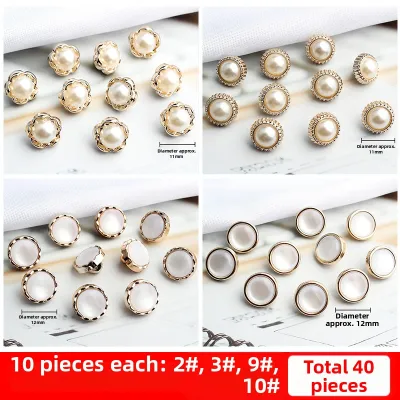
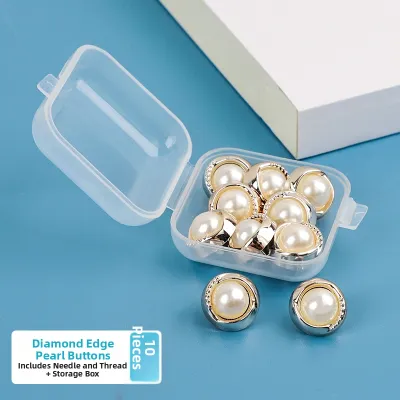
Glass pearl buttons are manufactured by applying a pearlescent coating over a solid glass core. This process results in a highly consistent shape, size, and finish across every piece. Glass buttons carry a distinct, satisfying weight that immediately conveys a sense of luxury and vintage charm. Their surface is exceptionally smooth and cool, reflecting light with a deep, liquid-like refraction that mimics genuine cultured pearls.
Products mentioned in this guide
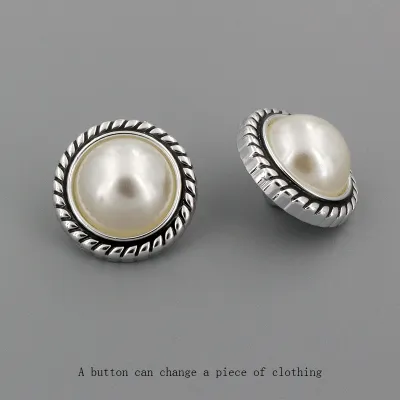
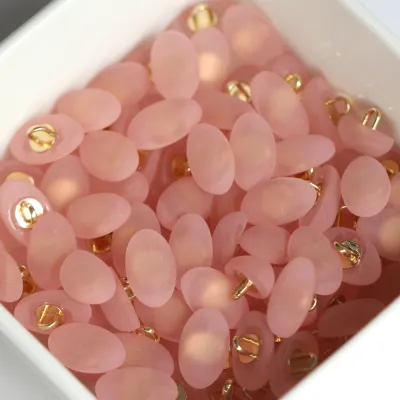
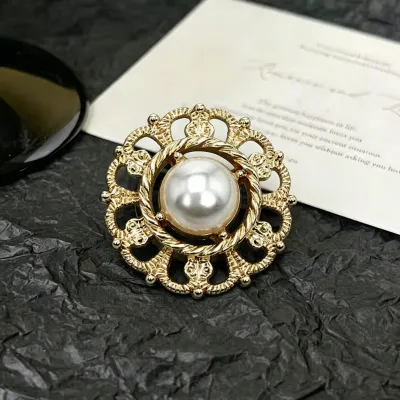
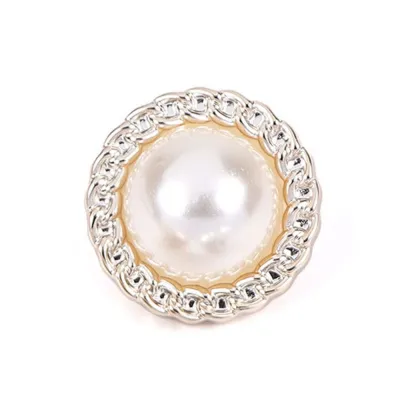
Prices are valid at publication and may change. Please refer to the product page for the latest price.
Plastic pearl buttons, typically made from polyester, acrylic, or epoxy resin, are the modern workhorses of the haberdashery world. These buttons are produced through liquid molding, allowing manufacturers to achieve perfect uniformity and create simulated pearl finishes in virtually any color or size. Unlike shell or glass, plastic buttons feel warm to the touch almost instantly and are incredibly lightweight, making them highly adaptable for a wide range of sewing projects.
Comparing Durability, Care, and Sewing Handling
How a button behaves during sewing, laundering, and daily wear is a critical factor in the longevity of your garment. When handling shell buttons during the sewing process, extra care is required. Because shell is a natural, layered material, it can be somewhat brittle. If you are using a sewing machine to attach them, a slight misalignment of the needle can easily chip or shatter the button. Additionally, the edges of the holes in lower-quality shell buttons can sometimes be sharp, potentially fraying the sewing thread over time if not checked.

Washing and heat care present another set of considerations. Shell buttons are sensitive to harsh chemicals, strong detergents, and acidic substances, which can strip away their natural luster over time. They can also crack under the high pressure and heat of commercial laundry presses. Glass pearl buttons are highly heat-resistant, but their delicate outer coating can scratch or chip if they clatter against the metal drum of a washing machine or dryer. Plastic buttons, by contrast, are highly resilient. They easily withstand standard washing machine cycles, tumble drying, and exposure to mild household chemicals without losing their color or structural integrity.
Physical impact resistance varies dramatically among these materials. If a garment with heavy glass buttons is dropped onto a hard surface, such as the ceramic tile floors common in many Singapore homes, the buttons run a risk of cracking or chipping. Shell buttons also exhibit moderate brittleness under sudden impact. Plastic buttons excel in high-stress environments, absorbing physical shocks and flexing slightly rather than breaking, making them the safest choice for children’s wear and activewear.
Evaluating Appearance, Weight, and Drape
The visual presence and physical weight of a button must harmonize with the fabric of your garment to ensure a professional finish. Shell buttons offer an organic visual depth that synthetic alternatives struggle to replicate. The natural layers of nacre reflect light from deep within the material, creating a soft, multi-colored glow that shifts as the wearer moves. This subtle elegance makes shell the traditional choice for high-end tailoring and formal wear.
Glass pearl buttons provide a more intense, high-gloss shine. The weight of glass is a double-edged sword; while it lends a premium feel to structured garments like wool coats, heavy cardigans, or brocade jackets, it can severely distort lightweight fabrics. If sewn onto delicate silk, chiffon, or thin cotton voile, heavy glass buttons will pull the fabric downward, causing unsightly sagging, puckering, and potential tearing around the buttonholes.
Plastic pearl buttons offer the ultimate solution for maintaining the natural drape of lightweight fabrics. Because they are exceptionally light, they sit flush against delicate materials without pulling or distorting the garment’s silhouette. While some basic plastic buttons can look flat or overly uniform, high-quality polyester pearl buttons are engineered with pearlescent additives mixed directly into the resin, providing a convincing simulation of natural luster without the added weight or cost.
Budget and Sourcing Considerations
Balancing cost with project requirements is essential when planning your haberdashery purchases. The primary price driver among these materials is scarcity and manufacturing complexity. Natural shell buttons require harvesting, sorting, and precision carving, making them the most expensive option. When sourcing buttons in Singapore, a single high-quality mother-of-pearl button can cost several dollars, which quickly adds up for garments requiring a long front closure or multiple sleeve buttons.
Glass buttons occupy a mid-to-high price tier, reflecting the specialized coating processes and material weight. Plastic buttons are by far the most economical choice, often sold in bulk packs for a fraction of the cost of a single shell button. For large-scale sewing projects, theatrical costumes, or everyday crafts where dozens of matching buttons are needed, plastic offers an unbeatable budget-friendly solution.
When verifying material claims on online marketplaces or at local craft shops, look closely at the product descriptions. Be cautious of ambiguous terms like “pearl-like” or “mother-of-pearl finish,” which often indicate plastic buttons designed to mimic natural materials. Planning your budget in S$ requires deciding whether the garment is an heirloom piece worthy of a higher investment or an everyday item where practical, low-cost plastic buttons are more appropriate.
Step-by-Step Selection Guide for Your Project
To finalize your button choice, follow this practical checklist to ensure compatibility with your sewing project:
1. Match Button Weight to Fabric Weight
- Lightweight fabrics (silk, chiffon, lawn): Choose plastic or very thin, small shell buttons.
- Medium-weight fabrics (linen, quilting cotton, flannel): Choose standard shell or lightweight plastic pearl buttons.
- Heavyweight fabrics (wool, denim, canvas): Choose glass or thick, heavy shell buttons.
2. Assess the Garment’s Laundering Needs
- Machine wash and tumble dry: Opt for durable plastic buttons.
- Hand wash or dry clean: Shell or glass buttons are suitable, provided they are protected during the process.
3. Inspect Button Construction and Quality
- Run your finger along the edges of the button and inside the holes or shank. Ensure there are no sharp edges, molding seams, or rough spots that could cut your sewing thread or snag the garment fabric.
4. Perform a Single-Button Test
- Before sewing an entire set onto your finished garment, sew a single test button onto a scrap piece of your project fabric. Wash and dry the test piece according to your planned care instructions to observe how the button and fabric interact.
Frequently Asked Questions (FAQ)
How can I tell if a pearl button is real shell or plastic?
You can easily identify the material using a few simple, non-destructive tests. First, perform the temperature touch test: place the button against your lip or cheek. Real shell and glass will feel distinctly cold, whereas plastic will feel warm or neutral. Next, inspect the back of the button. Real shell buttons almost always feature natural imperfections, subtle color variations, or remnants of the outer shell texture on the reverse side, while plastic buttons are perfectly uniform and smooth on both sides.
Can I wash garments with glass pearl buttons in a machine?
While it is possible to machine-wash garments with glass pearl buttons, it requires careful precautions to prevent damage. Always turn the garment inside out and place it inside a high-quality mesh wash bag before laundering. This prevents the heavy glass buttons from striking the metal drum of your washing machine, which can chip the delicate pearlescent coating or crack the glass core. Use a gentle cycle with cold water, and always air-dry the garment rather than using a high-heat tumble dryer.
Community discussion
Share your experience or ask a question. Comments are reviewed before publication.