
When you stand in front of a mirror with a new pair of trousers pooling around your ankles, the immediate question is whether you need to invest in a sewing machine or if a simple pants shortening clip can solve the problem. The short answer depends entirely on your fabric, how often you alter clothes, and whether you need a permanent or temporary fix. If you are looking to quickly adjust a single pair of lightweight trousers for a one-off event, or if you want to temporarily shorten a child’s school uniform, a pants shortening clip or fusible hemming tape is usually more than sufficient. However, if you are dealing with heavy denim, highly elastic activewear, or a continuous stack of laundry that needs permanent, wash-resistant adjustments, a sewing machine is the superior tool.
Understanding the mechanical differences between these methods is key to making the right choice. Physical folding clips hold fabric in place temporarily, while fusible tape uses heat-activated adhesive to bond fibers together. A sewing machine, on the other hand, uses an upper thread and a bobbin thread to lock the fabric layers together mechanically, creating a flexible, high-strength seam. This guide will help you evaluate your wardrobe, fabric types, and long-term alteration goals to make the right choice.
When a Pants Shortening Clip and No-Sew Methods Are Enough
Ideal Scenarios for Hemming Clips
Temporary adjustments are the primary domain of manual hemming tools. For instance, if you are traveling or preparing for an unexpected formal event, a physical pants shortening clip or a quick strip of double-sided fabric tape can rescue an outfit in minutes. These tools require zero sewing experience, making them highly accessible. You simply measure the desired length, fold the excess fabric inward, and apply the clip or tape to secure the fold.
Products mentioned in this guide
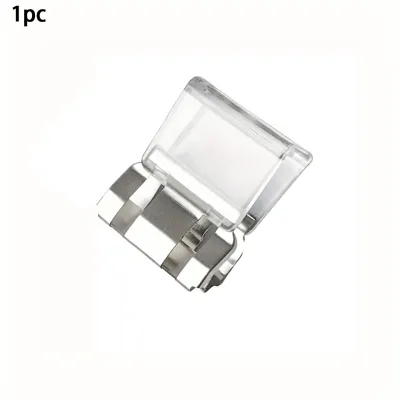
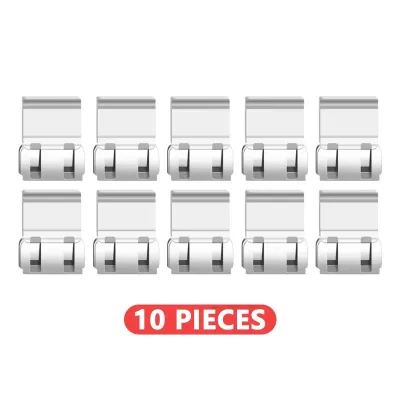
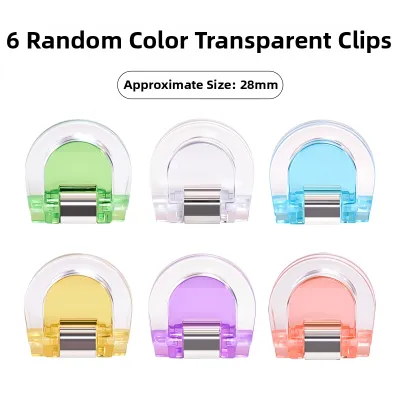
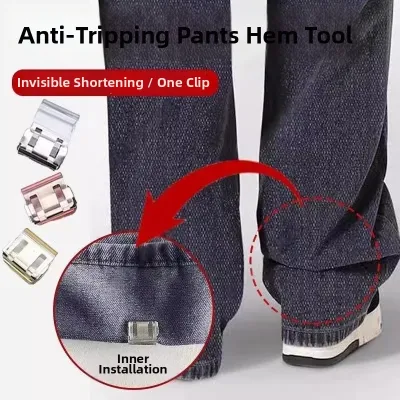

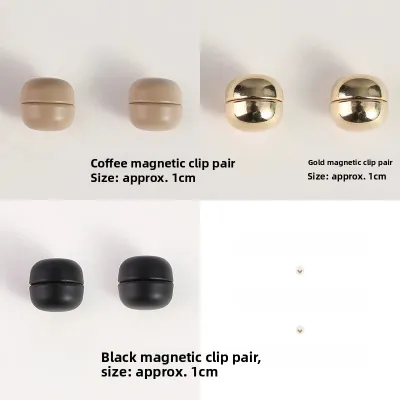
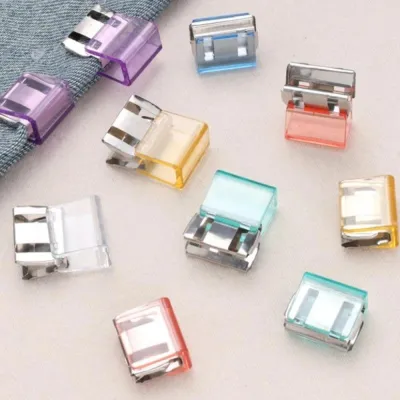
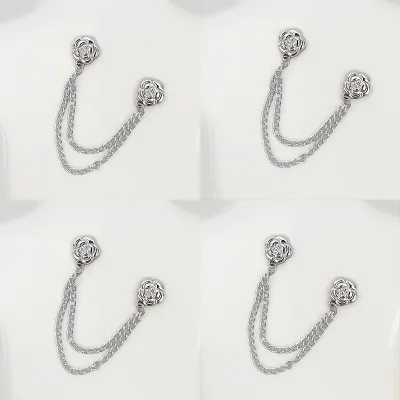
Prices are valid at publication and may change. Please refer to the product page for the latest price.
This approach is highly effective for lightweight, stable woven fabrics. Materials like cotton-polyester blends, thin linen, and lightweight synthetic trousers do not exert significant weight or tension on the hem. Because these fabrics drape easily and do not resist folding, a physical clip or a light adhesive bond can hold the hem straight without creating unsightly bulges or pulling apart during normal movement.
Furthermore, manual methods are ideal for garments with a short lifespan or changing requirements. Children’s trousers, for example, need frequent adjustments as they grow. Using a temporary clip or a light, reversible adhesive allows you to let the hem down later without leaving permanent needle holes or damaging the fabric structure.
Fabric and Durability Limitations
Despite their convenience, no-sew methods have clear physical boundaries. Heavy, thick, or highly elastic fabrics present significant challenges. If you attempt to use a pants shortening clip or adhesive tape on heavy denim, thick wool trousers, or canvas workwear, the stiffness of the material will often resist the fold. This resistance puts constant outward pressure on the adhesive or clip, leading to peeling, slipping, or bulky, visible ridges that ruin the clean line of your trousers.
Durability under frequent washing is another critical limitation. While a sewn stitch is locked into the fabric fibers, adhesive-based no-sew methods rely on chemical bonds that can degrade over time. Before applying any fusible hemming tape, you must check both the garment care label and the adhesive manufacturer’s instructions. Some adhesives cannot withstand high-temperature washes or dry cleaning solvents, causing the hem to unravel in the washing machine.
Environmental factors also play a major role, particularly in hot and humid climates like Singapore. High ambient humidity and perspiration can accelerate the breakdown of certain heat-activated adhesives. If the adhesive is not applied, cured, and stored according to the manufacturer’s exact specifications, you may find your temporary hem peeling away after just a few wears. To verify the bond strength before wearing the garment out, always perform a trial run on a scrap piece of similar fabric, washing and drying it to observe how the adhesive holds up under local conditions.
Signs You Have Outgrown Manual Hemming
Fabric and Project Red Flags
Certain materials and garment designs strictly require a mechanical stitch. Heavy denim jeans, rugged utility pants, and thick winter trousers exert too much physical stress on the hemline for temporary clips or adhesives to cope. When you walk, sit, or climb stairs, the hem of your pants experiences constant friction and pulling. A sewing machine uses a lockstitch that distributes this tension evenly across the fabric, preventing the hem from popping open under sudden stress.

Highly elastic fabrics, such as those found in activewear, leggings, or knit trousers, present another major challenge. These materials are designed to stretch and recover. If you apply a rigid adhesive tape or a physical pants shortening clip, you eliminate the fabric’s natural elasticity at the hemline. This not only causes the adhesive to crack and peel when stretched but can also restrict your movement. A sewing machine equipped with a stretch stitch or a zigzag stitch allows the thread to expand and contract along with the fabric, maintaining both the hem’s integrity and the garment’s comfort.
Aesthetic requirements also dictate the need for a machine. If you want a clean, professional finish that mimics high-end tailoring, manual clips cannot compete. A sewing machine can execute a blind hem stitch, which catches only a single thread on the outside of the fabric, making the stitch virtually invisible. Alternatively, for casual wear like jeans, a machine can deliver a precise, heavy-duty double-needle topstitch that looks identical to the original factory finish.
Frequency and Volume Triggers
Beyond fabric properties, your lifestyle and the volume of garments you need to alter should guide your decision. If you only buy one or two pairs of pants a year, relying on temporary clips or disposable adhesive tape is highly practical. However, if you find yourself altering multiple garments every month—perhaps due to a changing wardrobe, a passion for thrift shopping, or outfitting a growing family—the recurring cost of purchasing disposable hemming supplies will quickly add up.
In addition to the financial aspect, the time investment of manual hemming increases with volume. Applying fusible tape requires careful measuring, ironing, cooling, and testing for every single garment. If the bond fails after a few washes, you must repeat the entire process. A sewing machine allows you to batch-process your alterations. Once you set up the machine, stitching a hem takes only a few minutes, providing a permanent result that will last for the entire lifespan of the garment.
Acquiring a sewing machine also opens the door to broader wardrobe maintenance. Once you have the tool and the basic skills, you are no longer limited to shortening pants. You can easily repair torn seams, replace broken zippers, take in loose waistbands, and mend household textiles. This versatility transforms a single-purpose task into a long-term household capability, saving you money on professional tailoring services over time.
Comparing the Investment: Clips vs. Entry-Level Machines
Upfront Costs and Ongoing Expenses
The financial comparison between these two methods involves balancing immediate savings against long-term value. A pack of physical pants shortening clips or a roll of fusible hemming tape is highly affordable, typically costing between S$5 and S$20. This low upfront cost makes it an attractive option for immediate, low-frequency needs. However, because these materials are either disposable or wear out over time, they represent an ongoing, recurring expense if you alter clothes regularly.
Conversely, a beginner sewing machine requires a higher initial investment. Basic, reliable mechanical sewing machines generally range from S$150 to S$300. Along with the machine, you will need a few essential, low-cost accessories, such as universal sewing needles, high-quality polyester thread, and sharp fabric scissors. While this initial outlay is higher, the marginal cost per hem afterward is virtually zero, as a single spool of thread can shorten dozens of pants.
When purchasing a sewing machine, it is crucial to verify local specifications and support. For instance, if you are buying a machine in Singapore, ensure it is compatible with the local 230V voltage and standard UK-style three-pin plug. Purchasing from a local distributor also ensures you have access to warranty coverage, replacement parts, and professional servicing if the machine requires maintenance in the future.
Skill Curve and Time Commitment
The time and effort required to master each method is another key factor. No-sew clips and adhesive tapes have almost no skill barrier. Anyone can read the package instructions, fold the fabric, and apply the tool. A single hem can be completed in under ten minutes, making it the fastest solution for a last-minute adjustment.
A sewing machine, by contrast, requires an initial investment of time to learn the basics. You must understand how to wind a bobbin, thread the machine, adjust the thread tension, and guide the fabric in a straight line. While this can feel intimidating to a beginner, these skills can be mastered with a few hours of practice on scrap fabric. Once you overcome this initial learning curve, machine hemming becomes incredibly fast and efficient, allowing you to complete permanent, professional-grade alterations in a fraction of the time it would take to repeatedly repair failing adhesive hems.
Your Action Plan: Choosing the Right Hemming Path
To make your final decision, evaluate your current wardrobe needs against three distinct paths:
- Path A: Stick to Clips and No-Sew Methods. Choose this path if you only need to shorten lightweight, stable fabrics occasionally, or if you require temporary adjustments that can be easily reversed. When purchasing, select a reputable brand of pants shortening clip or high-quality fusible web. Always follow the manufacturer's exact heat, pressure, and washing instructions, and perform a test on a scrap piece of fabric first to verify the bond strength.
- Path B: Invest in a Beginner Sewing Machine. Choose this path if you regularly alter heavy fabrics like denim, work with stretchy activewear, or have a high volume of garments to shorten. Look for a basic, mechanical sewing machine that offers essential straight and zigzag stitches. Avoid overly complex computerized models, which can be difficult for beginners to troubleshoot. Ensure the machine is compatible with local voltage standards and comes with a reliable warranty.
- Path C: The Middle Ground. If you are facing an immediate hemming emergency but plan to do more sewing in the future, use temporary hemming clips or tape as a quick fix today. This allows you to wear your pants immediately while you research, save for, and select a reliable beginner sewing machine that will serve your long-term wardrobe maintenance needs.
Frequently Asked Questions (FAQ)
Can I use hemming clips on heavy denim jeans?
While physical clips are excellent for holding heavy denim in place while you measure or iron, adhesive-based pants shortening clips or fusible tapes generally lack the structural strength to hold a permanent hem on jeans. The stiffness and weight of denim will quickly pull the adhesive apart during movement. For a durable, long-lasting hem on jeans, a sewing machine equipped with a heavy-duty needle (size 90/14 or 100/16) and strong polyester thread is highly recommended.
Will no-sew hemming solutions survive frequent washing?
The washability of no-sew hems depends entirely on the quality of the adhesive, the fabric composition, and how precisely you followed the application instructions. To maximize the lifespan of an adhesive hem, always wash the garment in cold or warm water on a gentle cycle, and avoid high-heat tumble drying, which can melt or weaken the glue. If the hem begins to peel, you can often reapply heat with an iron to reactivate the adhesive, though this is only a temporary fix.
What is the easiest stitch for shortening pants on a beginner machine?
The easiest and most common stitch for shortening pants is a simple straight stitch. After cutting and folding your hem, you sew a straight line around the leg opening, keeping a consistent distance from the edge. For a more professional, invisible finish on dress pants, you can use a blind hem stitch, which requires a specific presser foot and a bit of practice. Always test your stitch length and tension on a scrap piece of the same fabric before sewing your actual pants.
Community discussion
Share your experience or ask a question. Comments are reviewed before publication.