
Deciding between a sewing machine and basic hand sewing tools depends on your project types, available space, and time commitment. For simple mending and small crafts, a basic hand sewing kit is highly effective, affordable, and space-saving. For garment construction, heavy fabrics, or frequent projects, a sewing machine becomes a necessary investment.
For many beginners, starting with a simple hand sewing kit is the most practical way to test the waters. It allows you to learn fabric behavior and basic construction without a significant financial commitment. However, if your goals involve making your own wardrobe, working with heavy materials, or completing projects quickly, a sewing machine will eventually become an indispensable asset.
Assess Your Current and Future Sewing Projects
The nature of your projects is the most decisive factor in choosing your primary sewing tool. Simple mending tasks, such as sewing on a loose button, repairing a torn pocket, or securing a fallen hem, are easily accomplished with a basic hand needle and thread. Small-scale crafts like felt ornaments, hand-stitched embroidery, or minor decorative alterations also thrive on the precision and control of hand stitching.
Products mentioned in this guide
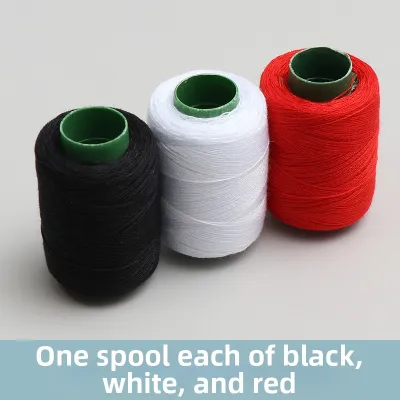
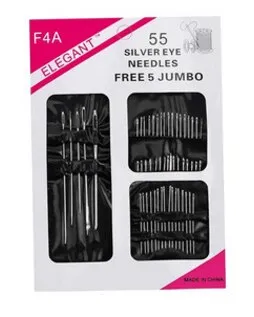
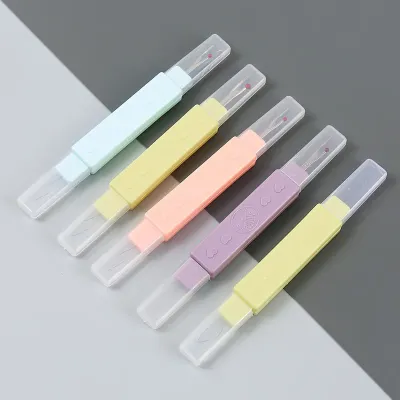
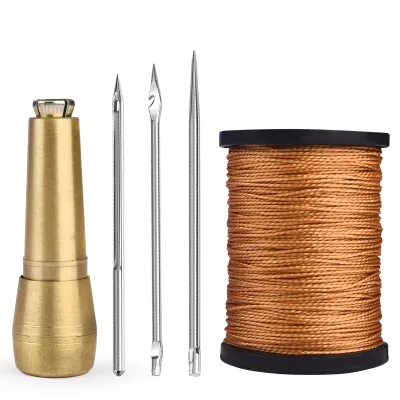
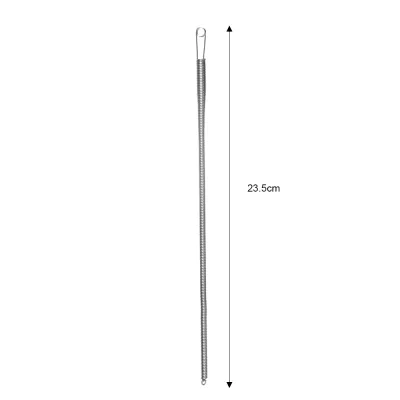
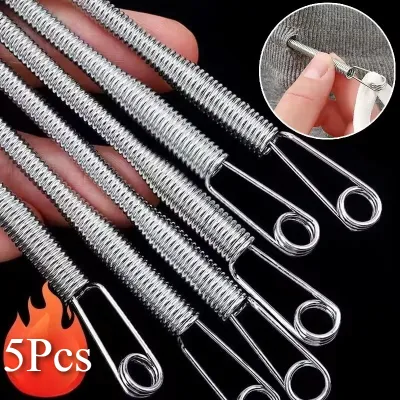
Prices are valid at publication and may change. Please refer to the product page for the latest price.
When you transition to larger projects, the physical demands of the fabric change. Garment construction, home decor items like curtains, and quilting involve meters of fabric and long, continuous seams. Attempting to sew a full-length dress or a set of living room drapes by hand is incredibly time-consuming and can take weeks of repetitive labor.
Fabric weight and structure also dictate your tool choice. Lightweight cottons, linens, and felt are highly cooperative under a hand needle. Conversely, heavy-duty materials like denim, canvas, thick wool, and faux leather require significant force to penetrate. Pushing a hand needle through multiple layers of these fabrics can quickly become impractical and physically exhausting.
Furthermore, modern stretchy fabrics, such as jersey or spandex, require specialized elastic stitches to maintain their flexibility. While you can replicate some stretch stitches by hand, a sewing machine equipped with a zigzag stitch or a stretch stitch setting handles these materials with far greater ease and durability. If your dream projects involve activewear, t-shirts, or heavy bags, a machine is almost always necessary.
Evaluate Your Time, Frequency, and Skill Commitment
Time is a precious commodity, and how you prefer to spend it should influence your decision. Hand sewing is a slow, deliberate process that requires patience and focus. Many crafters find this slow pace therapeutic, enjoying the quiet, screen-free activity that can be done while sitting on the sofa. If you view sewing as a relaxing, occasional hobby, the slow progress of hand stitching may be exactly what you seek.

In contrast, a sewing machine is built for speed and high output. A seam that takes thirty minutes to stitch neatly by hand can be completed in less than thirty seconds on a machine. If you have limited free time and want to see finished results quickly, or if you plan to sew frequently to build a wardrobe, a machine is the only way to keep up with your ambitions.
The learning curve for each method also differs significantly. Hand sewing has a very low barrier to entry. With just a few basic stitches—like the running stitch, backstitch, and slip stitch—you can complete a wide variety of projects. The techniques are intuitive, and mistakes are easily undone with a simple snip of the thread.
Operating a sewing machine, however, requires a completely different set of skills. You must learn how to wind a bobbin, thread the machine correctly, adjust thread tension, select the right needle type for your fabric, and control the foot pedal speed. Regular maintenance, such as cleaning out lint and oiling the moving parts, is also required to keep the machine running smoothly. If you are willing to invest the time to master these mechanical skills, the machine will reward you with professional-grade efficiency.
Compare the Essential Toolkits and Space Requirements
The financial and spatial footprint of your sewing setup is a major practical consideration, especially in typical Singapore homes where space is highly optimized. A basic hand sewing toolkit is incredibly compact and budget-friendly. A high-quality set of hand sewing needles, a few spools of versatile polyester thread, fabric scissors, pins, and a fabric marking pencil can easily be purchased for under S$20 to S$40. This entire kit can fit into a small decorative tin and be stored away in a drawer or on a bookshelf.
A sewing machine setup requires a much larger commitment of both budget and space. A reliable, entry-level mechanical sewing machine from a reputable brand typically costs between S$150 and S$350. Beyond the machine itself, you will need to budget for machine-specific accessories, such as extra bobbins, machine needles in various sizes, specialized presser feet, and occasional professional servicing to keep the internal gears in top condition.
Physical space is another critical factor. A sewing machine cannot be easily operated on your lap; it requires a flat, sturdy table or desk with close proximity to a power outlet and adequate lighting. If you live in a cozy apartment, setting up and packing away a heavy machine every time you want to sew can become a barrier to practicing your hobby. You must decide if you have the dedicated table space and storage room to accommodate a machine comfortably.
Signs It Is Time to Upgrade to a Sewing Machine
If you start with hand sewing, you may eventually reach a point where your tools no longer match your creative ambitions. One of the most immediate signs that you need an upgrade is physical discomfort. If you experience hand cramping, finger fatigue, or joint strain from pushing needles through thick fabrics or from hours of repetitive stitching, your body is telling you to let a machine do the heavy lifting.
Another clear indicator is a bottleneck in the quality of your finished pieces. While hand stitches can be incredibly strong, achieving perfectly uniform stitch length and tension over long seams is exceptionally difficult. If you find your seams puckering, stitches looking uneven, or your garments falling apart after a few washes, a machine will provide the consistent tension and lockstitch structure needed for durable, professional-looking items.
You might also find yourself limited by the types of finishes you can achieve. Creating neat, durable buttonholes, inserting invisible zippers, or finishing raw fabric edges to prevent fraying are tasks that a sewing machine handles with specialized presser feet and stitch patterns in a fraction of the time. When these technical limitations start holding back your designs, it is time to plan your transition.
To transition smoothly, start by researching entry-level mechanical machines rather than complex computerized models. Look for machines that offer basic utility stitches, such as straight stitch, zigzag, and a four-step buttonhole. You might also consider taking a basic sewing machine workshop at a local community center or sewing school in Singapore to get hands-on experience before making your final purchase.
Frequently Asked Questions (FAQ)
Can I start making my own clothes with only hand sewing tools?
Yes, it is entirely possible to construct garments using only hand sewing tools. Historically, all clothing was made by hand, and couture fashion houses still rely heavily on hand-stitching for delicate finishes. Simple, loose-fitting garments like linen tunics, gathered skirts, or traditional robes are excellent starting points for hand sewing. However, you must be prepared for a significant time investment, as a single garment can take dozens of hours to complete. Additionally, working with modern stretch fabrics or structured tailoring by hand requires advanced techniques and immense patience to ensure the seams do not pop under tension.
Is it worth buying a cheap, mini sewing machine for beginners?
While ultra-low-cost, mini sewing machines are highly appealing due to their small size and low price, they often lead to frustration for beginners. These compact machines typically use lightweight plastic gears that wear out quickly and lack the motor power to sew through multiple layers of fabric. They also offer very limited stitch options and often suffer from persistent thread tension issues that are difficult to troubleshoot. For a reliable and frustration-free learning experience, it is generally better to save for a standard, entry-level mechanical machine from an established brand, or stick to high-quality hand sewing tools until you are ready to make a larger investment.
Community discussion
Share your experience or ask a question. Comments are reviewed before publication.