
To sew zippers confidently as a beginner, you need a sewing machine equipped with a dedicated zipper foot, adjustable needle positioning, variable stitch length, and precise speed control. Zippers (often referred to simply as zips) can feel intimidating, but the right machine features eliminate common struggles like wavy seams, broken needles, and uneven stitches. By focusing on essential mechanical capabilities rather than complex digital features, you can master zipper installation quickly and achieve clean, professional results on your garments and craft projects.
Before starting any project, always consult your sewing machine’s manual and the zipper manufacturer’s instructions. If the instructions conflict, defer to your machine manual or consult a sewing professional to prevent damage to your equipment.
The Essential Attachment: Zipper Feet Explained
A standard all-purpose presser foot holds fabric flat against the feed dogs on both sides of the needle. However, when sewing a zip, the raised teeth block this wide foot, forcing it to ride on top of them. This tilts the foot, causes uneven fabric feeding, and pushes the needle too far from the zipper tape, resulting in loose, crooked stitches.
Products mentioned in this guide
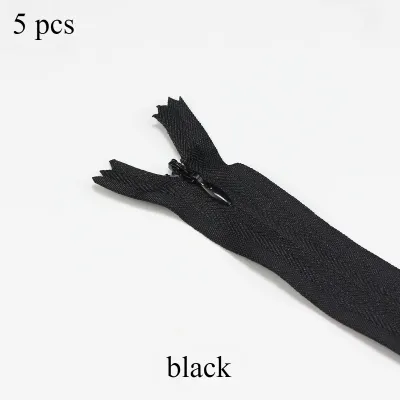
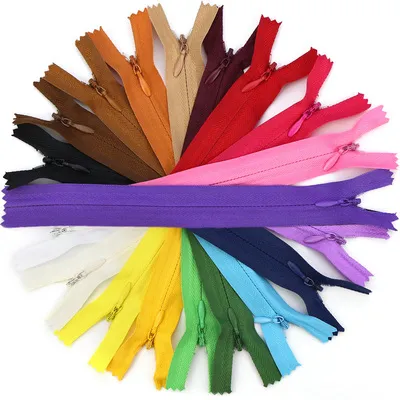
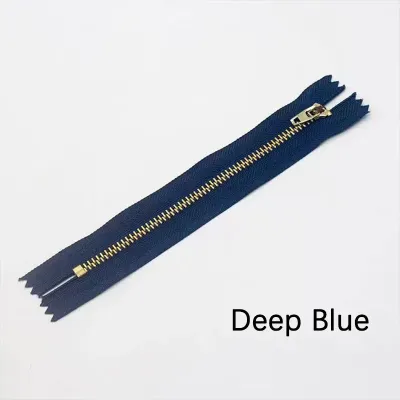
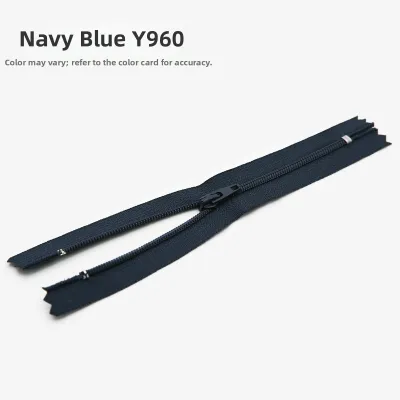
Prices are valid at publication and may change. Please refer to the product page for the latest price.
A standard zipper foot solves this with a narrow profile designed to snap onto either the left or right side of the needle holder. This allows the foot to ride smoothly on the flat zipper tape directly alongside the teeth, while the needle passes safely through a notch right next to the edge, creating a straight, secure line of stitches.
For garments like skirts and dresses, an invisible zipper foot is the ideal tool. It features specialized parallel grooves on its underside that grab and unroll the coiled zipper teeth as you sew. This guides the needle to stitch right at the seamline, allowing the zipper to roll back and remain completely hidden from the outside of the garment.
Before purchasing a machine, verify whether these specific feet are included in the box or if you need to buy compatible snap-on or shank attachments separately.
Stitch Adjustability and Needle Positioning
A sewing machine must offer precise stitch control to handle the structural demands of installing a zip. The foundation of any zipper installation is a reliable straight stitch to secure the tape. However, you also need a versatile zigzag stitch to create strong bartacks at the top and bottom of the zipper tape, which act as physical barriers to prevent the zipper pull from sliding off the track.

Adjustable stitch length is another critical feature that directly impacts the final look of your project. When sewing a zip, you join a stiff, non-stretch woven polyester tape to a garment fabric that may have different weight or stretch characteristics. If your stitch length is too short, the dense needle penetrations can cause the fabric to pucker or ripple along the zipper line. Lengthening your stitch slightly to around 3.0mm helps feed the mismatched layers smoothly, resulting in a flat, wave-free finish.
Furthermore, the ability to adjust the needle position to the left, center, or right is invaluable. Instead of forcing you to guide bulky fabric at awkward angles, this feature lets you keep your fabric aligned naturally with the machine’s guides. You can simply shift the needle position to fine-tune how close the stitches run next to the zipper teeth, giving you complete control over the exposure of the zipper tape.
Motor Power and Fabric Feed Mechanisms
Sewing a zip often involves transitioning from a single layer of fabric to thick, folded seams, especially on bags, jackets, or trousers. A machine with sufficient motor power and torque is essential to drive the needle cleanly through these dense intersections. Without adequate piercing power, the needle can stall, deflect, or break when encountering thick metal zipper stops or heavy plastic teeth.
The fabric feed mechanism is equally important for maintaining alignment. Feed dogs work in tandem with the presser foot to pull the fabric through the machine. Because zipper tape is rigid and garment fabric is often pliable, the two layers can easily shift or stretch at different rates during sewing. Machines with adjustable presser foot pressure allow you to reduce the downward force on delicate fabrics to prevent stretching, or increase it on heavier materials to ensure a uniform feed.
When selecting a machine, understand the boundary between standard domestic models and heavy-duty machines. A standard domestic machine is highly capable of sewing lightweight to medium-weight zips on everyday garments, dresses, and light bags. However, if you plan to work frequently with heavy canvas, thick leather, or heavy upholstery materials that require chunky, industrial-grade metal zips, a domestic machine may struggle. For these dense applications, a heavy-duty or semi-industrial machine is necessary to provide the structural rigidity and motor torque required.
Speed and Precision Controls for Beginners
For beginners, the speed of a sewing machine can feel overwhelming, especially when working on a high-stakes task like a zipper. A speed control slider acts as a governor for your motor. By sliding the control to its lowest setting, you limit the maximum speed of the machine, allowing the needle to move at a slow, predictable crawl even if you press the foot pedal fully down. This is crucial when maneuvering around the bulky zipper pull.
The manual handwheel on the right side of the machine remains your primary tool for absolute precision. When you approach the metal stop at the bottom of a zip, or when you need to sew extremely close to the zipper pull, using the foot pedal can be risky. By turning the handwheel toward you manually, you can lower the needle stitch-by-step with complete physical control, letting you feel if the needle is striking a metal tooth before any damage occurs.
Some modern machines also feature a start/stop button, which allows you to operate the machine without using the foot pedal. For beginners, this feature can simplify the sewing process by removing the need to coordinate foot pressure with hand movement. With the machine running at a slow, pre-set speed, you can use both hands to guide, support, and align bulky fabric layers around the zipper area, ensuring a much straighter and more controlled seam.
Overhyped Features You Can Skip for Zippers
When shopping for a sewing machine, it is easy to get distracted by flashy features that add to the cost but do not improve your ability to sew a zip. For instance, machines that boast hundreds of decorative, satin, or embroidery stitches are largely unnecessary for basic construction. Zipper installation relies almost exclusively on a reliable straight stitch and a basic zigzag stitch. Paying a premium for a library of decorative patterns will not contribute to the mechanical quality of your zipper seams.
Similarly, high-tech convenience features like automatic thread cutters, automatic needle threaders, or large LCD touchscreens are pleasant to have but are not essential. An automatic thread cutter saves a few seconds at the end of a seam, but it does not affect how smoothly your fabric feeds or how securely the zipper is attached.
Instead of spending your budget on digital embellishments, prioritize a machine with a robust motor, a solid internal metal frame, consistent fabric feeding, and high-quality, compatible presser feet. Investing in a reliable, mechanically sound machine will serve you far better in the long run. Focus your resources on the core mechanical features that guarantee precise stitch control and reliable fabric handling in various environments, including Singapore’s humid climate where fabric weights and textures can behave unpredictably.
Frequently Asked Questions (FAQ)
Can I sew a zipper with a standard all-purpose foot?
No, attempting to sew a zipper with a standard all-purpose foot is highly discouraged. The physical limitation of the all-purpose foot is its wide center gap, which forces the bottom of the foot to ride directly on top of the zipper teeth. This tilts the foot, prevents the feed dogs from moving the fabric evenly, and causes crooked, loose, or skipped stitches. For acceptable, secure, and professional results, you should always use a proper zipper foot designed to clear the teeth.
Do I need a heavy-duty machine to sew zippers on denim?
While a heavy-duty machine makes piercing thick denim seams much easier, you do not strictly need one for occasional projects. A standard domestic machine can successfully handle most medium-weight jeans zippers if you prepare it correctly. Equip your machine with a dedicated denim needle, heavy-duty thread, and a proper zipper foot. When sewing, guide the fabric carefully and use the manual handwheel to stitch slowly over the thickest intersections to prevent needle breakage.
Community discussion
Share your experience or ask a question. Comments are reviewed before publication.