
Starting your knitting journey is an exciting step into a rewarding, tactile craft. For beginners, the choice of yarn is the single most important factor determining how quickly you pick up the basic stitches. The right yarn allows you to see your progress clearly, correct mistakes easily, and complete your first project without unnecessary frustration.
In Singapore’s warm climate, many beginners start with lightweight accessories, home decor items, or breathable garments. While the local environment influences what you might eventually want to wear, your very first practice swatches should prioritize ease of handling over final wearability. Selecting a forgiving, highly visible yarn ensures that your initial learning hours are spent mastering tension rather than fighting with split fibers or slippery loops.
What Makes Yarn Beginner-Friendly?
A beginner-friendly yarn acts as a teaching tool rather than a source of frustration. The physical structure of the yarn determines how easily your knitting needles can slide through loops, how clearly you can see individual stitches, and how well the material holds its shape when you make a mistake.
Products mentioned in this guide
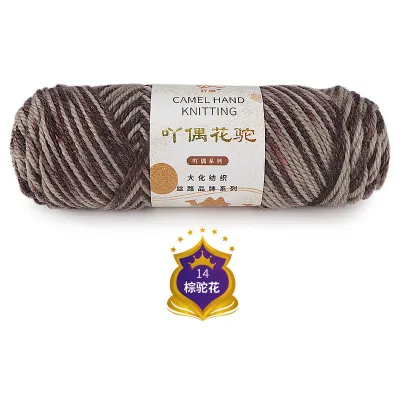
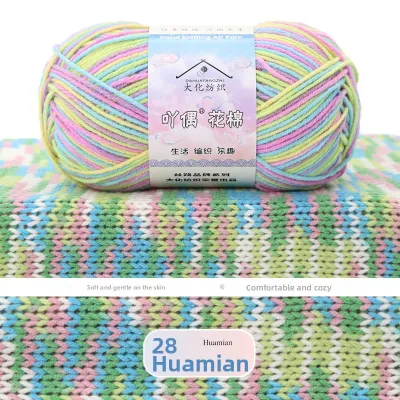
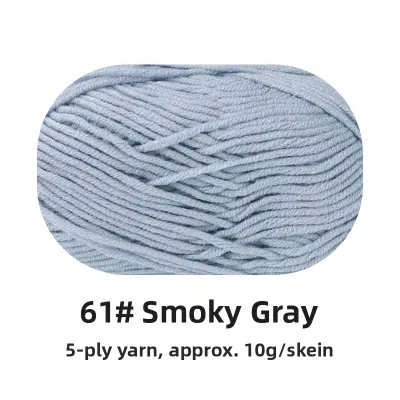
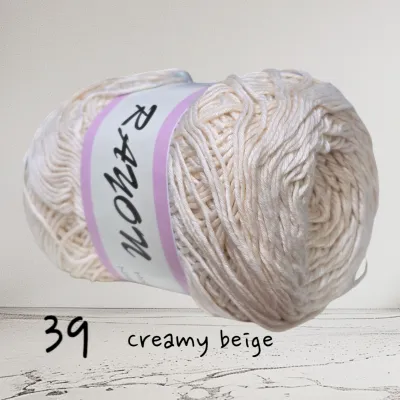
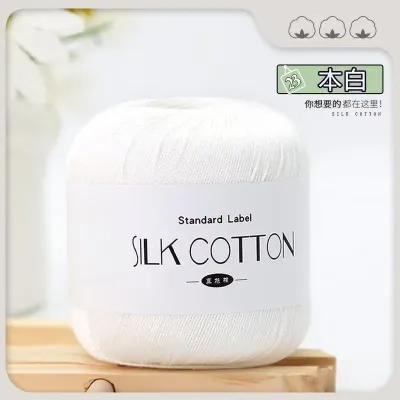
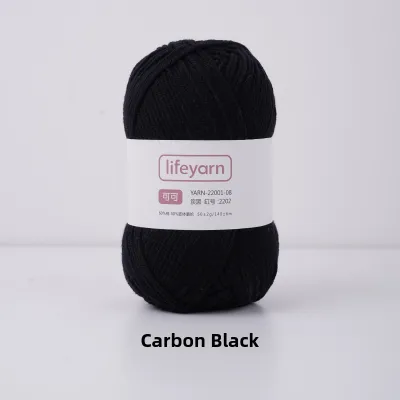
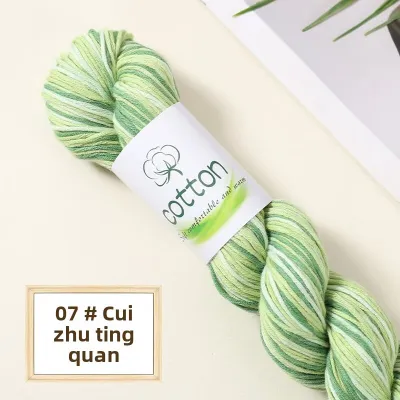
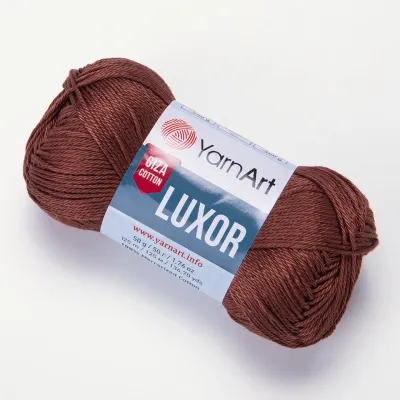
Prices are valid at publication and may change. Please refer to the product page for the latest price.
Stitch definition is the most critical characteristic for anyone learning to knit. When a yarn has high stitch definition, each knit and purl stitch looks distinct and clean. This clarity allows you to count your rows easily, identify dropped stitches immediately, and understand the anatomy of the fabric you are creating. Fuzzy, textured, or very dark yarns obscure these details, making it difficult to see where your needle needs to go next.
The friction between your yarn and your knitting needles also plays a major role in your early success. Beginners often struggle with tension, either knitting too tightly or too loosely. A yarn with a moderate grip stays securely on the needles without sliding off unexpectedly, yet slides smoothly enough that you do not have to strain your wrists to move the stitches along. Acrylic and wool blends generally offer an excellent balance of grip, whereas pure silk or mercerized cotton can feel exceptionally slippery on metal needles.
Finally, a forgiving yarn must have a reasonable amount of elasticity. Elasticity refers to the yarn’s ability to stretch slightly and spring back into shape. This springiness cushions uneven tension, making your final fabric look more uniform even if your hands are still adjusting to the movements. Elastic yarns are also much easier to unravel, or “frog,” when you need to correct an error, allowing you to reuse the same length of yarn multiple times during practice sessions.
Key Features to Check on the Yarn Label
Every skein of yarn comes wrapped in a paper band, known as the yarn label, which contains essential technical specifications. Learning to read this label is crucial for matching your yarn to the correct project and tools, preventing common compatibility errors before you cast on.

The most prominent feature on a standard label is the yarn weight, often represented by a ball of yarn icon with a number from 0 to 7 inside. This numbering system, established by the Craft Yarn Council, categorizes yarn from lace weight (0) to jumbo (7). For your first projects, you will want to look for the number 4, which represents worsted or medium weight yarn. This thickness is substantial enough to hold comfortably in your hands without being so bulky that it tires out your fingers.
Directly next to the weight category, the label will recommend a specific knitting needle size, usually listed in both metric millimeters (mm) and US sizes. For a worsted weight yarn, the label typically suggests needles between 4.5 mm and 5.5 mm (US 7 to 9). Using the recommended needle size ensures that your stitches are neither too tight nor too loose, helping you achieve a balanced fabric drape.
The label also details the fiber composition, showing the exact percentages of materials used, such as 100% acrylic or an 80% acrylic and 20% wool blend. Alongside the fiber content, you will find care instruction symbols. These symbols indicate whether the finished item can be machine washed, tumble dried, or if it requires hand washing and flat drying. For beginners, choosing machine-washable fibers reduces the risk of accidentally shrinking your first completed project.
Ideal Yarn Weights and Fibers for First Projects
Selecting the right combination of weight and fiber content simplifies the physical mechanics of knitting, allowing you to focus entirely on your hand coordination.
Worsted (Category 4) and Aran weights are widely considered the gold standard for learning. These medium-thickness yarns work up relatively quickly, giving you a satisfying sense of progress without the weight and bulk of super-chunky yarns. They are thick enough that you can easily see the path of the yarn as it wraps around your needle, making it simple to diagnose why a stitch might look twisted or loose.
When evaluating fibers, acrylic is an outstanding starting point. It is highly affordable, widely available, and exceptionally durable. High-quality modern acrylics are soft to the touch and do not split easily when pierced by needle tips. Wool and wool-blend yarns are also highly recommended for beginners due to their natural elasticity and springiness, which naturally evens out irregular tension. If you prefer a plant-based option suitable for Singapore’s tropical weather, look for a cotton-acrylic blend. Pure cotton can be stiff and unforgiving on the hands, but blending it with acrylic adds the necessary elasticity while retaining the cool, breathable properties of cotton.
Conversely, there are several popular yarn types that beginners should avoid until they develop consistent muscle memory. Mohair, alpaca, and brushed yarns are incredibly soft but feature a halo of fine fibers that cling to themselves, making them nearly impossible to unravel without tearing. Novelty yarns, such as eyelash yarn, chenille, or boucle, have irregular textures that completely hide your stitches, making it difficult to count rows or locate errors. Extremely thin lace or fingering weight yarns require tiny needles and immense patience, which can make the initial learning curve feel slow and tedious.
Where to Source Quality Yarn for Knitting Locally
Finding reliable yarn in Singapore involves exploring a mix of physical retail shops and online platforms, each offering distinct advantages for a beginner.
Visiting a physical craft, stationery, or specialty textile store is highly beneficial for your first purchase. Being able to touch the yarn allows you to assess its softness against your skin and check how easily the plies split when twisted. Physical stores also give you a true representation of the yarn’s color under natural light, which can differ significantly from digital screens. Many local craft shops in Singapore carry reputable international brands, and the staff can often offer valuable advice on matching your yarn to your chosen needles.
If you prefer the convenience of online shopping, e-commerce platforms and specialized webstores offer an extensive variety of brands and colors. When shopping online, it is crucial to read the product descriptions carefully rather than relying solely on the main image. Verify the fiber content, weight category, and total yardage listed in the specifications. Reading customer reviews can provide insights into whether the yarn splits easily or if the color matches the product photos.
When purchasing multiple skeins for a single project, always check the dye lot number printed on the labels. Yarn dyed in different batches can have subtle color variations that are invisible in the skein but appear as distinct bands of color in your finished fabric. Ensure that all the skeins you purchase share the exact same dye lot number. Additionally, when ordering online, check the seller’s shipping conditions to ensure the yarn is packaged securely against moisture during transit, and review their return policy in case you receive a damaged skein.
Common Pitfalls When Buying Your First Skeins
Avoiding common purchasing mistakes saves time, money, and frustration, keeping your early knitting experiences positive and productive.
One of the most frequent errors beginners make is choosing dark colors, such as navy, charcoal, or black, or highly variegated, multi-colored yarns. While these colors can look beautiful in the skein, they make it incredibly difficult to see your stitches. Dark colors absorb light, hiding the definition of your loops, while variegated yarns create busy visual patterns that mask your progress and make errors invisible. Opt for light, solid pastel or neutral colors for your first few projects so you can clearly see what you are doing.
Another pitfall is ignoring the recommended gauge and purchasing yarn simply because it feels soft or looks appealing. If you are following a beginner pattern, using a yarn that is thinner or thicker than specified will result in an item that is completely different in size than intended. Always compare the yarn weight and recommended gauge on your pattern with the details on the yarn label before making a purchase.
Finally, many beginners overlook the total yardage required for their project, purchasing yarn based on the number of skeins rather than the actual length of the yarn. Skeins of the same weight can vary wildly in yardage depending on their fiber composition and density. Buying too few skeins can leave you stranded mid-project, and trying to buy more of the same dye lot later can be extremely difficult. Always calculate your total yardage needs beforehand and purchase an extra skein as a safety margin.
Frequently Asked Questions (FAQ)
How many skeins of yarn do I need for a beginner scarf?
The number of skeins you need depends entirely on the length of the yarn in each skein, the width of your scarf, and your knitting gauge. A standard beginner scarf typically requires between 180 to 250 meters (approximately 200 to 270 yards) of worsted weight yarn. Always check the yarn label for the exact meterage or yardage per skein, as some skeins contain 100 meters while others may contain 200 meters or more. Divide your project’s total required yardage by the yardage of a single skein, and round up to the nearest whole number to determine how many skeins to purchase.
Can I use crochet thread or yarn for knitting?
While both crafts share many materials, standard crochet thread is generally too thin, stiff, and slippery for beginner knitting projects. Crochet thread is designed to create structured, firm lace, whereas knitting yarn is spun to provide elasticity and drape. Using fine crochet thread on knitting needles requires advanced tension control and very small needles, which can cause hand fatigue for beginners. It is best to stick to standard plied knitting yarns, which offer the necessary elasticity and thickness to slide smoothly over your needles and create a flexible, balanced fabric.
Should I wash my yarn before knitting?
For standard commercial yarns purchased from reputable craft stores, pre-washing is generally unnecessary and can lead to severe tangling if the skein is not secured properly. Commercial yarns are ready to knit straight from the label. However, you should always wash your finished, knitted item before wearing or gifting it. Washing the completed piece, a process known as blocking, relaxes the fibers, evens out your tension, and removes any dust or oils accumulated from your hands during the knitting process. Always refer to the care symbols on the original yarn label to determine the correct washing temperature and drying method for your specific fiber.

Community discussion
Share your experience or ask a question. Comments are reviewed before publication.