
For crochet beginners in Singapore, selecting the right cotton yarn is the first step toward a successful and frustration-free crafting journey. The ideal choice for those starting out is a medium-weight, multi-ply, unmercerized or semi-mercerized cotton yarn. This specific combination offers the perfect balance of stitch visibility, ease of handling, and structural integrity, making it highly suitable for learning basic techniques. Because Singapore’s tropical climate makes lightweight, breathable projects highly desirable, mastering cotton crochet allows you to create practical, everyday items like coasters, market bags, and home decor that are perfectly suited for local use.
Rather than searching for a single “best” brand name, successful beginners focus on evaluating the physical characteristics of the yarn. By learning how to read yarn labels, test fiber twist, and assess material blends, you can confidently source high-quality cotton yarn from local craft shops or online marketplaces. This approach ensures you find affordable, reliable materials that match your learning pace and project goals without relying on unverified brand claims.
Why Cotton Yarn is a Practical Choice for Beginners
Cotton yarn is widely celebrated in the crafting community as an excellent teaching medium, primarily due to its exceptional stitch definition. Unlike fuzzy acrylics or textured novelty yarns, cotton has a clean, smooth surface that allows you to see every loop, chain, and intersection clearly. This high visibility is crucial when you are learning to identify where to insert your hook, counting your stitches, or diagnosing mistakes. When you can easily see the anatomy of your stitches, you can correct errors immediately, which accelerates your learning curve and builds confidence.
Products mentioned in this guide
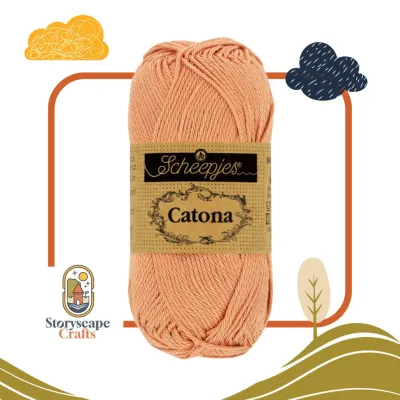
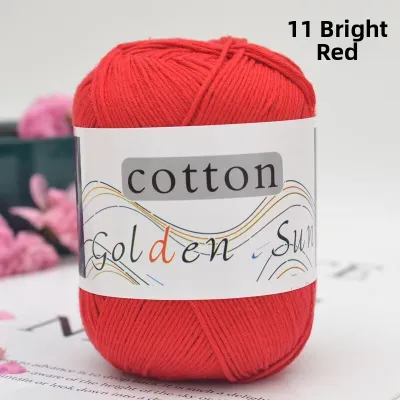
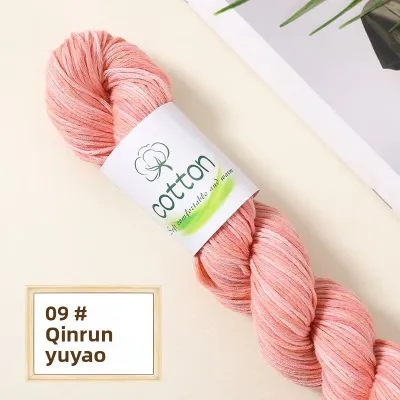
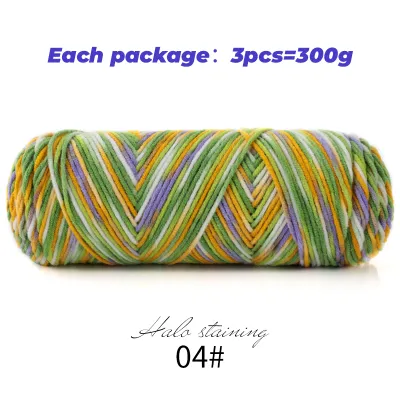
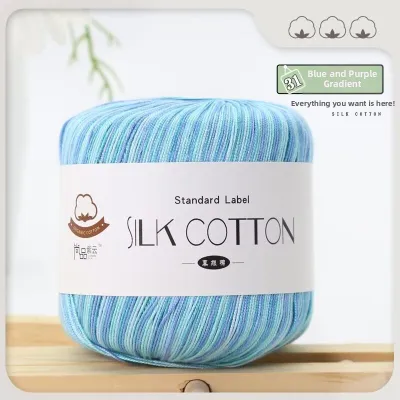
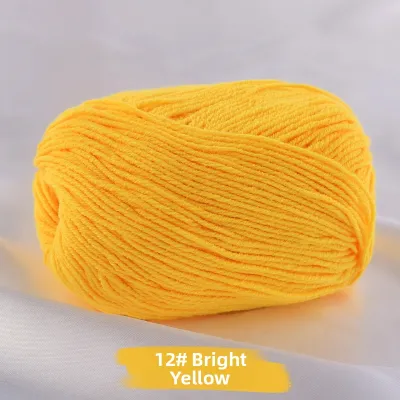
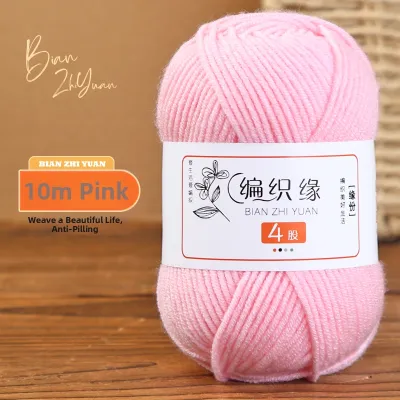
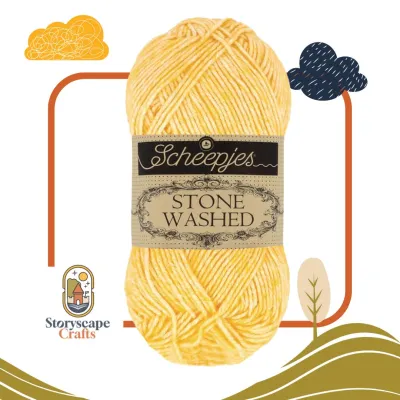
Prices are valid at publication and may change. Please refer to the product page for the latest price.
However, cotton possesses a unique physical property that beginners must prepare for: a complete lack of elasticity. Wool and high-quality acrylic yarns have a natural “spring” or stretch that forgives uneven tension. Cotton, by contrast, does not stretch at all. If you pull too tightly, the stitch becomes incredibly rigid and difficult to work into; if you work too loosely, the fabric will sag. While this lack of stretch can feel challenging during your first few rows, it serves as an excellent training tool. It forces you to develop consistent hand tension early on, a foundational skill that will benefit all your future crochet projects.
Because of these structural traits, choosing the right initial project is essential for maintaining your motivation. Beginners should start with small, flat, utilitarian items such as coasters, dishcloths, and simple pot holders. These projects benefit from cotton’s natural heat resistance, durability, and absorbency, and their small scale keeps tension inconsistencies from ruining the final piece. Amigurumi—small stuffed toys—is another excellent option, as cotton’s stiffness helps the toy hold its shape and prevents the stuffing from peeking through. Conversely, you should avoid attempting fitted garments, large blankets, or complex drapes as your first project, as cotton’s weight and lack of stretch can cause these items to sag or lose shape if not worked with advanced tension techniques.
Core Features to Check Before Buying Your First Skein
When browsing the aisles of a local craft store or scrolling through online listings, you will encounter a bewildering variety of cotton yarns. To narrow down your choices, you should evaluate several core physical features. The first is yarn weight, which refers to the thickness of the strand. For beginners, the sweet spot lies in Category 3 (DK, or Double Knitting) or Category 4 (Worsted/Aran) yarns. These medium weights are thick enough to hold comfortably and see clearly, yet thin enough to keep your projects from feeling overly bulky. Avoid lace-weight or fingering-weight cottons, as they require tiny hooks and intense focus, which can quickly lead to eye strain and hand fatigue.

The second feature to examine is the ply and twist of the yarn. Ply refers to the number of individual strands spun together to form the main yarn thread. For crochet, you want a multi-ply yarn (typically 4-ply or 8-ply) with a tight, visible twist. When yarn is loosely twisted, the individual plies tend to separate or “split” when you insert your crochet hook. This splitting is one of the most common sources of frustration for beginners, as the hook accidentally catches only a portion of the strand, resulting in messy stitches and weakened fabric. A tightly twisted yarn keeps the strands locked together, ensuring a smooth glide.
You must also choose between mercerized and unmercerized cotton. Mercerization is a chemical treatment that exposes the cotton fibers to sodium hydroxide, which swells the fibers, increases their strength, and allows them to absorb dye more deeply. This process results in a lustrous, shiny yarn with vibrant colors and excellent durability. However, mercerized cotton is also significantly stiffer and less absorbent than its untreated counterpart. Unmercerized cotton, on the other hand, has a soft, matte finish and superior absorbency, making it ideal for dishcloths and face pads. For your very first practice skein, unmercerized or semi-mercerized cotton is often preferred because its matte texture provides a bit of natural grip on the hook, preventing the yarn from slipping away too easily.
Finally, always read the yarn label carefully before making a purchase. The label contains critical specifications that act as a blueprint for your project. Look for the recommended hook size, which is usually displayed in millimeters (such as 3.5mm to 5.0mm for medium-weight yarns). As a beginner, it is wise to start with the exact hook size recommended on the label, or even go up half a millimeter if you tend to crochet tightly. The label also lists the total yardage or meterage and the weight of the skein (for example, 50 grams/100 meters). Comparing these numbers helps you understand how much yarn you are actually getting, ensuring you buy enough matching skeins to complete your project.
How to Evaluate Yarn Brands Available in Singapore
To build a reliable stash of crochet materials in Singapore, you need a practical framework to evaluate different yarn brands. The first step is checking for consistent dye lots. When yarn is dyed in factories, it is processed in specific batches called dye lots, which are assigned a unique number printed on the label. Even if two skeins are the same color name, subtle variations in water temperature, chemical balance, or dye timing can cause noticeable color differences between different dye lots. When purchasing multiple skeins for a single project, always verify that the dye lot numbers match exactly to avoid unsightly color bands in your finished work.
Additionally, you should assess the colorfastness of the yarn, especially if you plan to make items that will be washed frequently, like dishcloths or coasters. Some lower-quality dyes can bleed when exposed to water or sweat, which is a common concern in Singapore’s warm, humid climate. You can perform a simple, observable test at home: cut a small piece of the yarn, wet it thoroughly with warm water, and press it firmly between two sheets of white paper towel. If any color transfers to the paper towel, the yarn is not colorfast, and you should avoid mixing it with lighter colors in a single project.
Cost-effectiveness is another critical factor for beginners who need plenty of material for practice. To find the best value, calculate the cost-per-meter ratio rather than simply looking at the price per skein. To do this, divide the retail price of the skein by its total length in meters. For example, a skein costing S$6.00 with 120 meters of yarn has a cost of S$0.05 per meter, whereas a skein costing S$4.00 with only 50 meters costs S$0.08 per meter. This simple calculation helps you identify which brands offer the most economical option for repetitive practice and basic stitch experimentation.
You should also consider the packaging type of the yarn. Yarn typically comes in skeins, balls, or cones. Balls are ready to use immediately, as you can pull the yarn from the outside or the center without it tangling. Skeins (especially those wound in a long, loose loop called a hank) must be wound into a ball before you can crochet with them, otherwise they will quickly turn into a tangled knot. Cones are excellent for large-scale projects or extensive practice because they contain massive amounts of continuous yarn, reducing the need to join new strands, though they can be bulky to store in smaller living spaces.
Lastly, verify the exact fiber content on the label. While 100% cotton is excellent for structural projects, beginners often find that cotton blends—such as a mix of 60% cotton and 40% acrylic—are much easier to work with. These blends combine the stitch definition and breathability of cotton with the softness, lightweight feel, and slight elasticity of acrylic. A cotton blend can significantly reduce hand strain while still providing the classic look of cotton, making it a highly recommended alternative for your first few practice sessions.
Where to Find Reliable Cotton Yarn Locally and Online
Sourcing yarn in Singapore offers a mix of tactile, in-person shopping and convenient online browsing. Visiting a physical brick-and-mortar craft or fabric shop is highly recommended for your very first purchase. Being in a physical store allows you to touch the yarn to assess its softness, squeeze the skein to test its density, and visually inspect the twist of the plies. You can also hold different yarn colors next to each other under natural light to ensure they complement one another, and easily check that the dye lot numbers on the shelves match. Physical shopping eliminates the guesswork of online colors, which can look vastly different on a computer or phone screen.
If you prefer the convenience of online shopping, navigating ecommerce platforms and independent craft sites requires a strategic approach. Always verify the seller’s ratings and read customer reviews, focusing specifically on reviews that include photos of the actual product. This helps you confirm that the yarn’s texture and color match the listing descriptions. Pay close attention to the shipping origin of the yarn; ordering from overseas sellers can sometimes lead to long shipping delays, which can stall your learning momentum. Look for local Singapore-based online sellers or regional distributors to ensure faster delivery times and more reliable customer service.
For beginners who plan to practice extensively, buying yarn in bulk or multi-packs is an excellent way to save money and ensure consistency. Many online and physical retailers offer discounts when you purchase a pack of five or ten skeins of the same color. This is particularly useful for learning, as it gives you a large volume of identical yarn to practice basic stitches, build muscle memory, and complete multiple small projects without worrying about running out of a specific dye lot mid-way through your work.
Adjusting Your Technique for Cotton Yarn
Because cotton yarn behaves differently than synthetic or wool fibers, adjusting your physical technique will make your crochet experience much more comfortable and enjoyable. The most common issue beginners face when working with cotton is hand fatigue. Because cotton has no natural stretch, your hands and wrists must absorb all the tension of the stitches. To manage this, make a conscious effort to relax your grip on both the crochet hook and the working yarn. Take regular breaks every twenty to thirty minutes to stretch your fingers, hands, and wrists, and avoid pulling your stitches too tightly, which only exacerbates the stiffness of the fabric.
Your choice of crochet hook material also plays a significant role in reducing friction and hand strain. Wood, bamboo, or plastic hooks tend to have a slight natural grip, which can create unwanted drag when paired with the matte texture of unmercerized cotton. For a smoother experience, opt for high-quality aluminum or steel hooks, which allow the cotton loops to slide effortlessly along the shaft. Additionally, investing in a hook with an ergonomic, rubberized, or padded handle can dramatically improve your comfort, providing a larger surface area to grip and reducing the pinching motion that leads to cramping.
Finally, understanding how to care for your finished cotton items will ensure they look beautiful for a long time. Cotton is highly durable and water-resistant, but it is also prone to stretching out of shape when wet because the heavy water-soaked fibers pull downward. To restore the shape of your finished items, practice a technique called blocking. This involves wetting your completed project, gently squeezing out the excess water (never wring it, as this distorts the stitches), laying it flat on a foam mat or towel, shaping it to its correct dimensions, and pinning it in place until it dries completely. This simple step aligns your stitches, straightens uneven edges, and gives your beginner projects a polished, professional finish.
Frequently Asked Questions (FAQ)
Does cotton yarn shrink after washing?
Yes, 100% unmercerized cotton yarn is highly susceptible to shrinking, especially when exposed to hot water or the high heat of a clothes dryer. To prevent your hard work from shrinking, always check the care symbols on the yarn label before washing. It is generally safest to hand wash your finished cotton items in cool or lukewarm water using a mild detergent. Avoid machine drying; instead, gently press out excess water with a towel and lay the item flat to air-dry. In Singapore’s warm and humid climate, air-drying flat in a well-ventilated indoor area or shaded outdoor spot is highly effective and helps preserve both the shape and color of your crochet projects.
How do I stop my cotton yarn from splitting while crocheting?
To prevent your cotton yarn from splitting, start by selecting a crochet hook with a rounded, slightly pointed head rather than a sharp, inline head, as a rounded tip is less likely to pierce the individual plies of the yarn. Next, focus on maintaining a moderate, relaxed tension; pulling the yarn too tightly compresses the plies and makes them easier to split. If you notice the yarn splitting consistently, examine the direction of the twist. Some crocheters naturally untwist the yarn slightly as they work due to their unique hand movements. If this happens, try adjusting the angle of your hook or gently rolling the yarn between your fingers to reinforce the twist as you crochet.
Community discussion
Share your experience or ask a question. Comments are reviewed before publication.