
Selecting the right tissue papers for gift wrapping in Singapore involves balancing aesthetic appeal with structural integrity. In a tropical climate where high relative humidity can quickly affect paper crispness and dye stability, choosing the correct thickness, colour quality, and finish ensures your presentation remains pristine from the moment of wrapping to the final exchange. Whether you are preparing a delicate piece of jewelry, a bottle of artisanal perfume, or a bulky corporate hamper, understanding the physical properties of tissue paper helps you avoid common pitfalls like accidental tearing, unsightly creasing, or colour bleeding.
By focusing on key specifications such as Grams per Square Meter (GSM), dye fastness, and surface coatings, you can elevate a simple gift into a memorable sensory experience. This guide outlines how to evaluate these essential factors, match different finishes to specific gifting occasions, verify quality before making a purchase, and store your materials to protect them from Singapore’s humid climate.
Key Factors for Evaluating Tissue Wrapping Paper
When selecting tissue paper for gift wrapping, establishing a baseline for quality requires looking closely at the physical properties of the sheet. Unlike standard wrapping paper, tissue paper is valued for its delicate drape, translucency, and soft texture. However, these same qualities mean that minor variations in manufacturing can significantly impact how the paper performs during the wrapping process.
Products mentioned in this guide
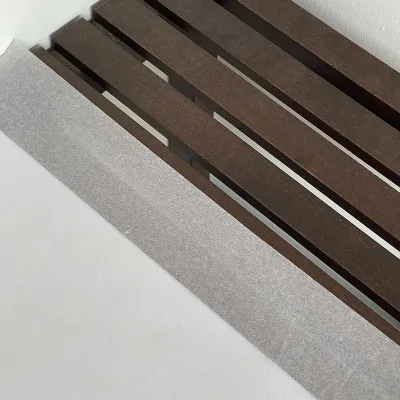
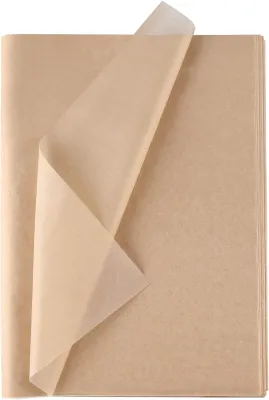

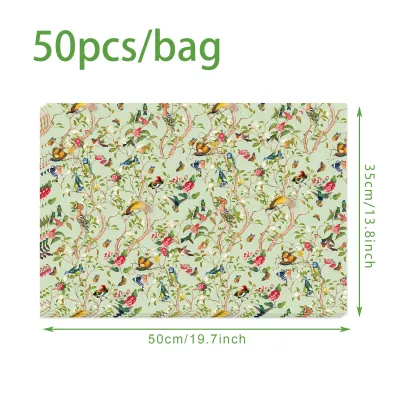
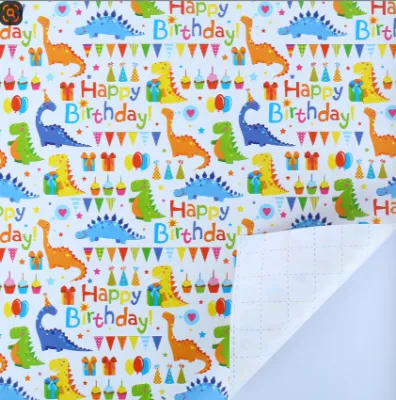
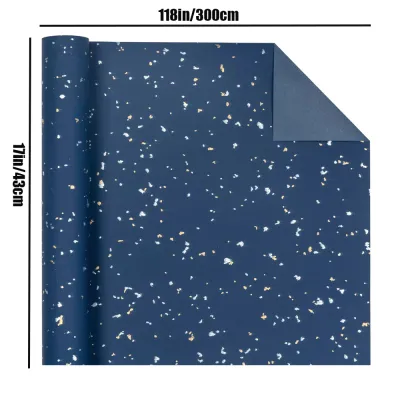
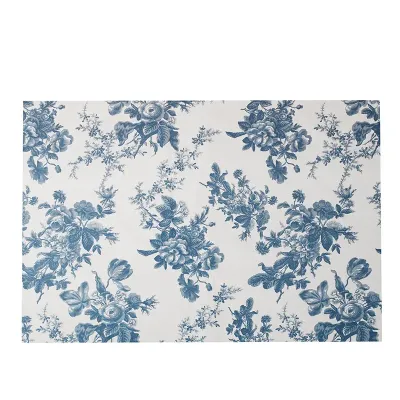
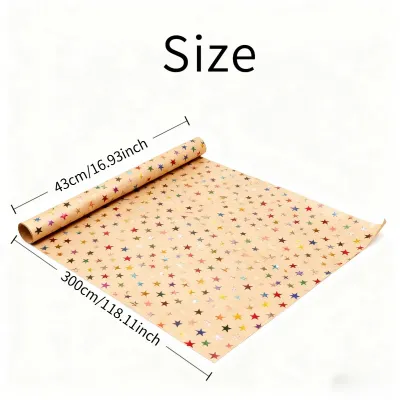
Prices are valid at publication and may change. Please refer to the product page for the latest price.
The primary indicator of tissue paper thickness and strength is its weight, measured in Grams per Square Meter (GSM). Most wrapping tissue papers fall within a range of 14 GSM to 28 GSM. A lower weight, such as 14 to 17 GSM, produces a highly translucent, airy sheet that drapes beautifully. This lightweight variety is ideal for layering inside gift boxes or scrunching to fill the top of gift bags, as it creates volume without adding bulk. Conversely, a heavier weight, such as 20 to 28 GSM, offers greater opacity and tear resistance. This thicker paper is better suited for wrapping items directly, as it can withstand mild tension and resist puncturing from the corners of boxes or product packaging.
Colour range and dye quality are equally critical when evaluating tissue paper. High-quality tissue papers feature deep, uniform colour saturation across the entire sheet, without streaks, faded patches, or thin spots where the dye has failed to penetrate. The quality of the dye directly affects how the paper looks under different lighting conditions and how well it maintains its visual appeal when folded or layered. For consistent theme presentation—such as rich reds and golds for Lunar New Year, deep greens for Christmas, or soft pastels for baby showers—vibrant, high-density dyes are essential to prevent the paper from looking washed out or cheap.
The surface finish of the tissue paper determines how it interacts with light and touch. Common finishes include matte, glossy, metallic, and patterned surfaces, each offering a distinct visual effect. A matte finish absorbs light, creating a soft, understated appearance that emphasizes texture and organic warmth. A glossy finish reflects light subtly, enhancing the brightness of the colours and giving the package a clean, modern look. Metallic and pearlescent finishes feature reflective coatings that catch the light dramatically, adding an instant sense of luxury and celebration to any gift.
Matching Tissue Paper Finishes to Gift Types
Choosing the right tissue paper finish is not just about personal preference; it is about matching the aesthetic and practical needs of the specific gift, recipient, and occasion. Each finish carries its own visual language and physical characteristics that can either enhance or detract from the overall presentation.

Matte tissue paper is the most versatile option, making it highly suitable for minimalist, rustic, or eco-friendly themes. Its non-reflective surface pairs exceptionally well with natural materials like kraft paper boxes, jute twine, and dried botanical accents. If you are wrapping organic skincare products, handmade ceramics, artisanal candles, or linen clothing, matte tissue paper reinforces a sense of craftsmanship and understated elegance. Because it lacks synthetic coatings, matte tissue paper is also highly flexible and easy to fold, pleat, or tuck into tight spaces without showing harsh crease lines.
Glossy tissue paper, on the other hand, brings a sense of energy and playfulness to a gift. Its smooth, slightly reflective surface makes vibrant colours pop, making it an excellent choice for children’s birthday gifts, toys, contemporary stationery, or festive party favors. However, glossy finishes have practical limitations that require careful handling. The smooth surface is highly prone to showing finger oils, smudges, and accidental creases. If you fold the paper incorrectly and try to smooth it out, the glossy coating may retain a visible white line along the crease, which can make the final presentation look messy.
Metallic and pearlescent finishes are designed for high-end, celebratory events such as weddings, milestone anniversaries, corporate achievements, or major festive holidays. A touch of gold, silver, or bronze tissue paper peeking out of a gift bag instantly elevates the perceived value of the item inside, whether it is a delicate piece of jewelry, a premium bottle of spirits, or luxury cosmetics. Despite their visual appeal, metallic sheets are significantly stiffer than matte or glossy papers due to the metallic inks or foil laminates applied to the surface. This stiffness makes them less flexible, meaning they resist tight wrapping, do not drape as softly, and can crack or flake along sharp folds.
Patterned tissue papers offer an easy way to add visual interest and personality to a package without requiring complex wrapping techniques. From classic stripes and polka dots to intricate floral or geometric designs, patterned sheets can serve as the focal point of your wrapping or as a decorative liner inside a plain shipping box. When using patterned tissue, it is important to match the scale of the pattern to the size of the gift. Large, bold patterns can overwhelm small jewelry boxes, while tiny, delicate patterns may get lost when stuffed into a spacious corporate gift hamper.
How to Check Thickness and Durability Before Buying
To avoid the frustration of tissue paper tearing mid-wrap or bleeding dye onto a valuable gift, it is essential to verify the paper’s quality and durability before making a purchase. Whether you are shopping online or browsing the aisles of a local retail store, several practical checks can help you assess the material’s performance.
When shopping on online marketplaces, you cannot physically touch the paper, so you must rely on detailed product descriptions and specifications. Look for listings that explicitly state the paper’s weight in GSM rather than generic terms like “thick” or “premium.” A reputable seller will provide clear measurements, such as “17 GSM acid-free tissue paper.” Additionally, take the time to read customer reviews, paying close attention to feedback regarding the paper’s strength, opacity, and ease of handling. If multiple reviews mention that the paper tears easily when pulled or that the colours are much lighter than pictured, it is best to look for an alternative option.
For in-store purchases, you have the advantage of performing visual and tactile checks. To test the opacity and consistency of a tissue paper sheet, hold a single layer up to the store’s overhead light source. High-quality tissue paper should display a uniform distribution of fibers without obvious thin patches, holes, or clumps of pulp. Feel the texture of the paper between your fingers; it should feel smooth, consistent, and slightly crisp. If the paper feels overly powdery, rough, or excessively flimsy, it may have a high filler content, which reduces its tensile strength and makes it prone to tearing.
Verifying colourfastness is particularly important in Singapore’s warm and humid climate, as moisture can cause dyes to transfer from the paper onto the gift. Check the product packaging or manufacturer specifications for terms like “bleed-resistant” or “colourfast.” If you are planning to wrap sensitive or valuable items—such as light-coloured silk garments, leather goods, or unglazed ceramics—it is highly recommended to look for “acid-free” tissue paper. Acid-free paper is chemically neutral, meaning it will not degrade, yellow, or chemically react with the wrapped item over time, ensuring your gift remains perfectly preserved.
Where to Source Quality Tissue Papers in Singapore
Finding the right tissue paper in Singapore depends on your specific needs, budget, and timeline. The local market offers several distinct sourcing channels, each catering to different types of buyers, from casual crafters to corporate event planners.
Local stationery and craft shops are excellent for immediate, small-scale purchases. These physical retail stores allow you to examine the colours, textures, and finishes in person, making it easy to find the exact shade you need to match a specific gift ribbon or wrapping paper. While the price per sheet may be slightly higher in these retail environments, they offer the convenience of immediate availability and often carry curated, high-quality selections of matte, patterned, and specialty tissue papers.
For bulk purchases, corporate gifting, or small business packaging needs, specialty packaging suppliers in Singapore are the ideal choice. These suppliers offer wholesale pricing, bulk packs of 100 to 500 sheets, and a much wider range of professional specifications, including various GSM weights and large sheet dimensions. Many specialty suppliers also stock archival-grade, acid-free tissue paper, which is essential for preserving delicate garments or high-end luxury goods. Purchasing from these specialists ensures consistent quality and cost-effectiveness for larger projects.
Online marketplaces and e-commerce platforms provide the greatest variety of colours, patterns, and finishes from both local and international sellers. When sourcing tissue paper online, it is crucial to verify the exact sheet dimensions listed in the product description, as standard sizes can vary significantly (common sizes include 50cm x 70cm or 35cm x 50cm). Always check the seller’s ratings, read customer feedback, and review the return policy to ensure a reliable transaction. Furthermore, keep a close eye on estimated delivery times; if you are preparing for a major holiday or a time-sensitive event, order well in advance to account for potential shipping delays.
Practical Tips for Wrapping and Storing Tissue Paper
Once you have selected the perfect tissue paper, handling and storing it correctly will ensure that it retains its beauty and structural integrity until the moment the gift is opened. Proper techniques prevent accidental damage and help you achieve a professional, polished presentation.
When handling tissue paper, gentle movements are key to preventing micro-tears and unwanted creases. To create volume and a beautiful drape in a gift bag, use the “pinch and fluff” technique. Lay a sheet of tissue paper flat, pinch it gently in the exact center, lift it up, and give it a soft shake to let the corners fall naturally. Tuck the pinched end into the bottom of the gift bag, allowing the fluffed corners to bloom out of the top. If you are wrapping a delicate item directly, avoid pulling the tissue paper too tight around sharp edges; instead, fold the paper loosely and secure it with double-sided tape or a decorative sticker to maintain a soft, elegant look.
Singapore’s high relative humidity poses a unique challenge for storing paper products. If left exposed to the air, tissue paper can absorb moisture, causing it to lose its crisp texture, develop a musty smell, or even cause the dyes to bleed and stick together. To prevent this, store your unused tissue paper flat in a cool, dry place away from direct sunlight, which can fade vibrant colours over time. Placing the sheets inside a sealed plastic storage container, a zip-top bag, or a dedicated wrapping paper organizer with a silica gel packet will keep the paper dry, crisp, and ready for use.
Finally, consider the environmental impact of your wrapping choices when it comes to disposal or recycling. Plain, undyed, or lightly dyed matte tissue paper is generally biodegradable and can be recycled along with standard paper products. However, tissue papers with metallic finishes, glitter accents, heavy foil stamping, or thick glossy coatings contain synthetic materials that cannot be processed by standard recycling facilities. Encourage your gift recipients to carefully unfold and save these premium sheets for future gifting, crafting, or scrapbooking projects, reducing waste while extending the lifecycle of these beautiful materials.
Frequently Asked Questions (FAQ)
Can I use standard tissue paper for heavy or sharp-edged gifts?
Standard tissue paper, which typically ranges from 14 to 17 GSM, is highly delicate and prone to puncturing or tearing when wrapped around heavy items or objects with sharp corners. To prevent the paper from tearing, you can wrap the item in a protective base layer of plain kraft paper, bubble wrap, or corrugated cardboard first, using the tissue paper purely as an outer decorative layer. Alternatively, you can layer multiple sheets of tissue paper together to increase their collective tensile strength, or place the heavy, sharp-edged gift inside a sturdy gift box and use the tissue paper as a soft, protective filler inside the box instead of an external wrap.
How do I prevent dark-coloured tissue paper from bleeding onto the gift?
Dark-coloured tissue papers, such as deep red, navy blue, forest green, or black, contain high concentrations of dye that can easily transfer onto light-coloured or porous gifts when exposed to moisture or high humidity. To prevent this colour bleeding, always wrap the gift in a protective inner layer of white, undyed, acid-free tissue paper before wrapping it in the dark-coloured decorative tissue. This creates a safe, chemically neutral barrier that absorbs any ambient moisture and prevents the highly pigmented outer dyes from coming into direct contact with and staining your gift.
Community discussion
Share your experience or ask a question. Comments are reviewed before publication.