
Documenting a baby’s first year is a cherished tradition, capturing rapid physical changes and developmental leaps month by month. While digital photos are convenient, physical baby milestone cards add a classic, tactile element to these memories, serving as visual anchors in your photo album. Selecting the right set requires looking beyond cute illustrations to evaluate practical stationery specifications like paper weight, surface finish, and legibility.
The ideal milestone cards must perform well under camera lenses and remain safe around a developing infant. By focusing on matte finishes that eliminate distracting light reflections, sturdy cardstock weights that resist bending, and clear typography, you can ensure every monthly photo looks professional and polished. This guide provides a comprehensive framework to help you evaluate physical card quality, match designs to your nursery aesthetic, and safely preserve these keepsakes for years to come.
How to Evaluate Paper Quality and Card Dimensions
To ensure your monthly photos look clean and professional, the physical specifications of the cardstock must be your primary consideration. The most critical factor is the paper finish. Glossy or semi-gloss coatings reflect light directly into the camera lens, creating bright white hot spots that obscure the text and design. Uncoated or ultra-matte cardstock is the industry standard for photography props because it absorbs light evenly, allowing you to shoot under bright nursery lights or direct sunshine without worrying about distracting glare.
Products mentioned in this guide
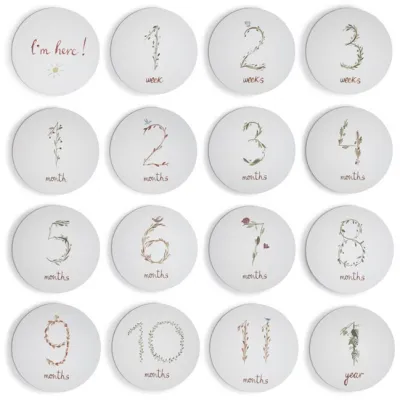
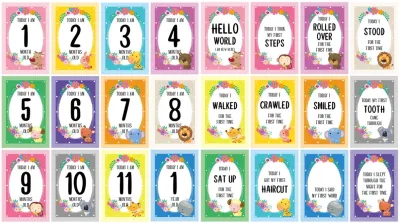
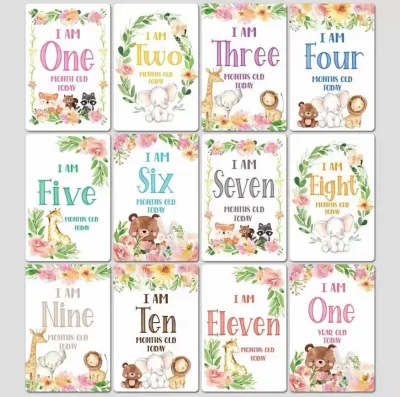
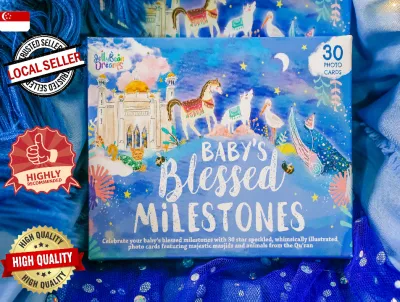
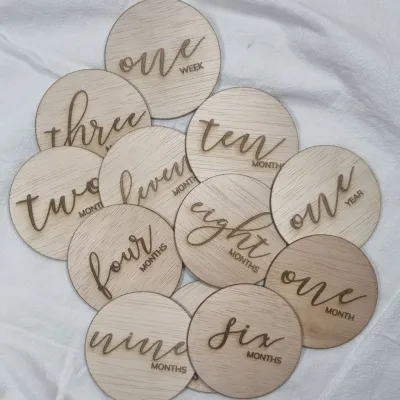
Prices are valid at publication and may change. Please refer to the product page for the latest price.
Card dimensions and typography scale directly impact how readable the milestones will be in your final images. Standard sizes such as A6 (105 mm by 148 mm) or 10 cm by 15 cm offer the perfect balance; they are large enough to be legible from an overhead shooting angle but small enough not to crowd the baby in the frame. The font size should be prominent, with high-contrast lettering that stands out clearly against the background. If the text is too small or delicate, it will blur when viewed on mobile screens or in printed photo books.
Paper weight, measured in grams per square meter (GSM), determines how well the cards maintain their shape during a photoshoot. Lightweight paper under 200 GSM is prone to curling at the edges, especially when exposed to humidity or placed on soft, uneven surfaces like knitted blankets and plush rugs. Opting for a heavy cardstock of 300 GSM or higher ensures the cards remain perfectly flat and rigid. This structural integrity prevents the card from warping mid-shoot, saving you from having to constantly reposition it.
Finally, safety and finishing details must not be overlooked when selecting stationery for infants. Standard rectangular cards often have sharp, pointed corners that can easily scratch a baby’s sensitive skin during a sudden movement. Look for cards with rounded corners, which are much safer for little hands to hold or lie next to. Additionally, verify that the manufacturer uses non-toxic, soy-based, or water-based inks. Since babies naturally explore their environment by putting objects in their mouths, choosing chemically safe materials provides essential peace of mind.
Choosing a Design Style That Matches Your Nursery
The visual theme of your milestone cards should complement your overall nursery decor and personal photography style, creating a cohesive look across your baby’s first-year photo collection. Minimalist and typography-focused designs are highly popular for their clean, modern aesthetic. These cards typically feature simple, elegant fonts on neutral or solid-colored backgrounds, ensuring that your baby remains the absolute focus of the photograph. This style works exceptionally well if you prefer black-and-white photography or minimalist nursery setups with neutral linens.

For a softer, more traditional look, illustrated or watercolor themes offer a charming touch of whimsy. These designs often feature delicate floral borders, woodland animals, or celestial motifs painted in soft pastel tones. When choosing illustrated cards, ensure the artwork frames the text rather than cluttering it. The illustrations should harmonize with your baby’s outfits and blankets; for instance, a botanical-themed card pairs beautifully with solid-colored cotton swaddles or natural wooden crib elements.
If you prefer a more candid and lighthearted approach to documenting parenthood, humorous or realistic milestone cards are an excellent alternative to traditional monthly markers. Instead of just marking “three months old,” these sets include cards for real-life parenting milestones, such as “slept through the night,” “first major blowout,” or “spit-up champion.” These cards add a touch of humor and authenticity to your baby book, capturing the chaotic, joyful reality of the first year alongside the standard developmental achievements.
For parents who want a highly personalized touch, customizable or blank DIY cards are a wonderful option. Some sets feature blank spaces or chalkboard-style surfaces where you can write the baby’s current weight, height, and favorite things using a chalk marker or metallic pen. This allows you to document specific details that standard cards miss, creating a highly detailed historical record. If you choose this route, ensure the writing surface is smudge-resistant so your handwriting remains crisp throughout the photoshoot.
Tips for Glare-Free Photos and Safe Keepsake Storage
Capturing the perfect milestone photo requires a basic understanding of lighting and composition to make the most of your physical cards. To achieve glare-free photos, position your setup near a large window to utilize soft, indirect natural light. Avoid using the direct flash on your camera or smartphone, as this creates harsh shadows and highlights that wash out the card’s text. If you must shoot in a darker room, position a floor lamp nearby and bounce the light off a white wall or ceiling to diffuse it evenly across the scene.
Creating visual contrast between the card and the background is also essential for a balanced composition. If your milestone card is white or pastel, place it on a darker, textured blanket or a wooden floor to make it pop. Conversely, if the card features a dark or vibrant design, use a light-colored, neutral swaddle to keep the image bright and airy. Keep the composition simple by placing the card consistently—either to the right of the baby or nestled in their arm—to create a sense of continuity throughout the twelve-month series.
While capturing the photo is important, safety during the shoot must always come first. Never place physical cards directly in a newborn’s hands or within easy reach of an older baby who might pull, tear, or chew on the paper. Keep the card slightly out of the baby’s reach, or have an assistant hold the card just outside the baby’s immediate grasp while you take the photo. This prevents accidental paper cuts and ensures the card remains clean and undamaged for future months.
After the photoshoot is complete, proper storage is vital to preserve these cards as long-term keepsakes. Standard paper products can yellow, fade, or warp over time, especially in humid climates. Store your milestone cards in an acid-free keepsake box or archival-quality plastic sleeves to protect them from light and moisture. Placing a small, food-safe silica gel packet inside the storage box is a simple, effective way to absorb excess humidity and keep the cardstock crisp for years to come.
Pre-Purchase Checklist for Online and Custom Orders
Before purchasing a milestone card set from an online marketplace or boutique stationery designer, running through a quick checklist will help you avoid common ordering mistakes. First, verify the exact contents of the card set. Some basic packages only contain twelve monthly cards, while more comprehensive sets include weekly cards for the first month, holiday cards, and developmental milestones like “first tooth” or “I can sit up.” Make sure the set you choose aligns with how frequently you plan to take photos.
If you are ordering custom-printed or personalized cards featuring your baby’s name or birth details, pay close attention to the seller’s proofing process. Always double-check the spelling, font choices, and layout before giving final approval. Because custom printing takes time, review the production turnaround and shipping estimates carefully. You will want the cards to arrive at least a few weeks before your due date so you are fully prepared to take the “one week old” photo without delay.
It is also wise to review the seller’s return and replacement policies, particularly when ordering from independent stationery designers on e-commerce platforms. Check what recourse you have if the cards arrive with printing defects, bent corners, or significant color discrepancies compared to the online listing. A reputable seller should offer clear options for replacements or refunds in the event of transit damage or manufacturing errors.
Finally, compare the overall value by looking at the base price and any additional customization fees in S$. While mass-produced sets on online marketplaces are highly budget-friendly, often costing between S$10 and S$20, bespoke hand-illustrated sets or custom wooden milestone discs can range from S$30 to S$60. Consider your budget and how you plan to display the cards long-term—whether as a simple photo prop or as a framed nursery keepsake—to determine which option offers the best value for your family.
Frequently Asked Questions (FAQ)
Can I use regular cardstock to make my own milestone cards?
Yes, creating DIY milestone cards is a highly rewarding project, but you must select the right materials to ensure a professional finish. Standard printer paper is far too thin and will warp or crease instantly. Instead, purchase heavy cardstock of at least 250 to 300 GSM that is compatible with your home printer’s feed tray. Use pigment-based inks rather than dye-based inks to prevent smudging if the cards come into contact with moisture. To achieve clean, professional edges, avoid using household scissors; instead, use a rotary paper trimmer and a corner rounder punch to eliminate sharp edges safely.
Are digital milestone cards a good alternative to physical ones?
Digital milestone cards, which are added as graphic overlays using photo editing mobile applications, offer unmatched convenience and cost savings. They eliminate physical clutter and allow you to edit the photo at your own pace without worrying about a squirming baby kicking a physical card out of place. However, they lack the tactile charm and sentimental keepsake value of physical stationery. If you attempt to photograph a digital screen, such as a tablet or smartphone, placed next to your baby, you will encounter severe screen glare, color distortion, and scanning lines, making digital overlays a much better choice than photographing physical screens.
Community discussion
Share your experience or ask a question. Comments are reviewed before publication.