
Finding the right 5 ply polyester yarn for your knitting projects in Singapore requires moving past generic brand names and focusing on verifiable quality metrics. Because inventory on local e-commerce platforms shifts rapidly, relying solely on a static list of brands can lead to frustration when those products go out of stock. Instead, mastering how to evaluate yarn specifications, verify seller listings, and perform simple physical tests ensures you always select high-quality materials for your projects.
Polyester yarn is highly valued in the crafting community for its exceptional durability, resistance to moths and mildew, and vibrant color retention. In Singapore’s humid climate, these synthetic properties are particularly advantageous, as finished items resist the moisture-related degradation that can sometimes affect natural fibers. However, the market is flooded with varying grades of polyester, ranging from premium, silky microfibers to rough, poorly spun utility yarns. Knowing how to distinguish between these grades is the key to a successful knitting experience.
By shifting your focus from brand labels to structural characteristics, you gain the flexibility to source excellent yarn from a variety of distributors. This guide establishes a practical framework for assessing 5 ply polyester yarn, helping you decode product labels, identify reliable online sellers, and test yarn performance before committing your time to a major knitting project.
Products mentioned in this guide
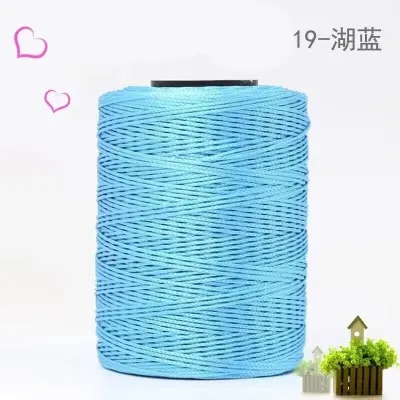
Prices are valid at publication and may change. Please refer to the product page for the latest price.
Quick Guide to Evaluating 5 Ply Polyester Yarn Brands
To choose a reliable 5 ply polyester yarn, you must first understand its physical behavior. A high-quality 5 ply polyester yarn should offer a balanced combination of structural strength, consistent thickness, and a smooth hand-feel. Because polyester is an extruded synthetic fiber, manufacturers can manipulate its texture to mimic everything from matte cotton to ultra-soft chenille. The ideal yarn for general knitting projects maintains a clean, round profile that showcases your stitch work without feeling stiff or abrasive.
Rather than searching for elusive international brand names that may not have stable distribution in Singapore, experienced knitters evaluate the technical specifications provided by the seller. This approach protects you from purchasing low-grade industrial surplus repackaged as premium craft yarn. By focusing on measurable details like weight-to-length ratios and twist tightness, you can confidently assess any yarn brand regardless of its label.
The most reliable decision path involves three distinct steps. First, analyze the digital product listing to verify that the technical specifications match standard 5 ply measurements. Second, vet the seller’s credibility by examining customer reviews and real-world photos of the yarn skeins. Finally, purchase a single test skein to knit a small swatch, allowing you to observe how the fiber behaves under tension and after washing.
Decoding 5 Ply Polyester Yarn Labels and Specifications
Understanding yarn weight terminology is essential because the term “5 ply” can carry different meanings depending on the country of origin. Historically, ply referred to the number of individual strands twisted together to form the yarn. In modern manufacturing, however, ply is used as a standardized weight category. A typical 5 ply yarn is generally equivalent to a “Sport” or “Baby” weight yarn, sitting comfortably between 4 ply (Fingering weight) and 8 ply (DK weight).

When examining a yarn label or online product description, look for the weight-to-length ratio to confirm the yarn’s true thickness. A standard 5 ply polyester yarn typically yields approximately 200 to 240 meters per 100 grams. If a listing claims to be 5 ply but offers only 120 meters per 100 grams, the yarn is significantly thicker than standard Sport weight and will require much larger needles than your pattern specifies. Conversely, a ratio of 350 meters per 100 grams indicates a much thinner yarn.
Fiber composition is another critical metric to verify on the label. While 100% polyester offers maximum durability and quick-drying properties, you will also encounter blends, such as polyester-acrylic or polyester-cotton. Blends can alter the elasticity and softness of the yarn, so ensure the label explicitly states the percentage of each fiber. Additionally, check the recommended needle size, which for a standard 5 ply yarn typically ranges from 3.0 mm to 3.75 mm (US 3 to 5).
Be highly skeptical of listings that exhibit clear inconsistencies in their technical data. For example, a product title that includes conflicting terms like “5 ply DK worsted” is a major red flag, as DK and worsted are entirely different weight classes. Mismatches between the stated gram weight and the physical dimensions of the skein often point to poor quality control or inaccurate translation by the importer. When these specifications do not align, it is best to look for a different seller.
Core Criteria for Assessing Yarn Brand Reliability
Colorfastness and Dye Lot Consistency
Polyester requires specialized disperse dyes applied at high temperatures to lock color into the synthetic fibers. When evaluating a brand, look for customer feedback regarding color bleeding, especially for high-contrast projects like red-and-white striped blankets. To verify colorfastness yourself, wet a small scrap of the yarn in warm water and press it firmly between two sheets of white paper towel; any color transfer indicates poor dye setting. Furthermore, ensure the seller allows you to request matching dye lot numbers for larger projects, as subtle color shifts between different production batches can ruin the uniform appearance of your fabric.
Texture and Twist Quality
The structural integrity of your knitting depends heavily on the twist of the yarn. A well-constructed 5 ply yarn features a balanced, medium-to-tight twist that holds the five individual plies together as a single, cohesive strand. If the twist is too loose, your knitting needles will easily pierce and split the yarn, leading to frustrating mistakes and uneven stitches. You can assess this by looking closely at product photos: the spiral lines of the twisted plies should be clearly visible, uniform, and free of loose, fraying fibers along the length of the strand.
Softness and Drape
Polyester can be processed into various textures, and its softness depends on the thickness of the individual extruded filaments. Microfiber polyester, which uses incredibly fine filaments, offers a luxurious, silk-like softness that is gentle against the skin. Standard polyester can sometimes feel slightly plasticky or squeaky on metal needles. Because marketing descriptions universally claim their products are “ultra-soft,” you should ignore these assertions and search customer reviews specifically for mentions of “squeakiness” or “roughness” to gauge the true tactile quality.
Pilling and Durability
Low-quality polyester yarn is often made from short-staple fibers that easily pull away from the main strand under friction, leading to rapid pilling. High-quality brands use longer, continuous filaments that resist abrasion and maintain a clean surface even after repeated wear. To check for pilling potential before buying, look for reviews from users who have washed their finished items multiple times. If the fabric quickly develops a fuzzy, worn appearance, the yarn is better suited for low-friction decorative items rather than garments or daily-use accessories.
Sourcing and Verifying Yarn Brands on Local E-commerce Platforms
Navigating online marketplaces in Singapore requires a strategic approach to separate reputable craft distributors from low-effort resellers. Start by identifying the seller’s profile type. Official flagship stores and established local craft shops generally offer the highest level of reliability, as they maintain direct relationships with manufacturers and store their inventory in temperature-controlled environments. Unverified third-party sellers often drop-ship products directly from overseas warehouses, which can result in long shipping delays and damaged packaging.
To find high-quality options, use precise search terms such as “5 ply sport weight polyester” or “100% polyester knitting yarn” rather than broad terms like “cheap yarn.” Once you find a promising listing, filter the customer reviews to show only those with ratings of three stars or fewer. These reviews often contain the most honest assessments of yarn splitting, inaccurate colors, or chemical odors. A seller with an overall rating below 4.7 stars or a high volume of complaints about incorrect ply counts should generally be avoided.
Red flags in product listings are often easy to spot if you know what to look for. Be cautious of listings that rely entirely on highly stylized factory stock photos without showing the actual skein, the paper label, or the yarn ends. Extremely low prices, such as finding a 100-gram skein for under S$1.50, often indicate sub-standard manufacturing, irregular dye batches, or industrial surplus that lacks the softness required for hand knitting. Reliable, mid-range 5 ply polyester yarn typically retails between S$3.00 and S$6.00 per 100 grams on local platforms.
Customer review photos are your most valuable tool for verifying product quality before making a purchase. Look for images where reviewers hold the yarn in their hands, as this provides a realistic sense of scale and thickness. Pay close attention to photos showing the paper label to confirm that the fiber content and weight match the online description. If the physical label in the photo is entirely blank or written in a language that does not match the listing’s claims, the product may be an unbranded substitute.
Swatching and Testing Yarn Performance Before Large Projects
Before dedicating hours of labor to a major knitting project, you should always perform a physical evaluation using a single test skein. This process begins by knitting a standard tension swatch, which should measure at least 12 centimeters by 12 centimeters. Use the needle size recommended on the label and work in the primary stitch pattern of your intended project, such as stockinette or garter stitch. As you knit, pay close attention to how the yarn glides off your needles and whether the plies tend to separate.
Once your swatch is complete, measure the stitch and row gauge, then proceed to wash and block the sample. Soak the swatch in lukewarm water with a small amount of mild detergent for fifteen minutes, observing whether any dye bleeds into the water. Gently squeeze out the excess moisture using a clean towel—never wring synthetic fibers—and lay the swatch flat on a blocking mat to dry. Once fully dry, re-measure the gauge to check for any shrinkage or stretching, which can sometimes occur if the polyester fibers were under high tension during spinning.
During the swatching process, evaluate the overall tactile experience of working with the yarn. Note whether the fiber generates excessive static electricity, which can be a common issue with synthetic yarns in dry, air-conditioned rooms in Singapore. Check if the yarn leaves a squeaky residue on your needles or if the friction causes the fibers to fuzz up immediately. A high-quality yarn should remain smooth, consistent, and comfortable to work with throughout the entire test.
Your final decision to use the yarn should depend on how the blocked swatch performs relative to your project goals. If the swatch retains its shape, feels soft against the skin, and shows excellent stitch definition, the yarn is highly suitable for garments, baby blankets, or lightweight shawls. If the swatch feels stiff, splits easily, or pills after a gentle wash, you should relegate the remaining yarn to structured, low-wear projects like amigurumi, storage baskets, or decorative wall hangings.
Frequently Asked Questions (FAQ)
Is 5 ply polyester yarn suitable for making wearable garments in Singapore's climate?
Polyester is inherently hydrophobic, meaning it does not absorb moisture and instead allows sweat to evaporate quickly, making it a common choice for activewear. However, unlike natural fibers like cotton or linen, tightly knit polyester does not allow air to circulate freely against the skin, which can lead to heat retention in Singapore’s warm, humid environment.
To make wearable garments comfortable for local weather, you should opt for open, airy stitch patterns such as lace, drop-stitches, or loose mesh designs. These patterns create physical gaps in the fabric that facilitate airflow, mitigating the synthetic fiber’s natural tendency to trap heat. Alternatively, save 100% polyester yarn for lightweight cardigans meant for air-conditioned offices, or focus your projects on non-wearable items like tote bags, home decor, and amigurumi toys where breathability is not a concern.
How can I prevent 5 ply polyester yarn from splitting while knitting?
Yarn splitting occurs when the tip of your knitting needle slips between the five individual plies of the strand rather than catching the entire yarn. This is particularly common with polyester because synthetic fibers are naturally slicker than wool or cotton, allowing the plies to slide apart more easily under tension.
To minimize splitting, avoid using sharp, pointed lace needles, which easily pierce the yarn core; instead, opt for needles with moderately rounded or blunt tips, such as those made from bamboo or wood. Wooden surfaces provide slightly more grip, helping to keep the plies aligned as you work. Additionally, maintaining a moderate, even tension and avoiding splitting techniques—such as knitting too close to the tips of your needles—will significantly improve your knitting speed and reduce frustration.

Community discussion
Share your experience or ask a question. Comments are reviewed before publication.