
Selecting a premium vase as a holiday gift is an exceptional way to bridge functional utility with sculptural art. A high-quality vase serves as a lasting keepsake, offering a timeless decorative element that the recipient can enjoy long after the holiday season has passed. Whether displayed as a standalone centerpiece on a console table or filled with seasonal blooms, a premium vessel elevates the atmosphere of any living space. Choosing the perfect one requires a thoughtful understanding of materials, craftsmanship, and how the piece integrates into the recipient’s daily life.
To make an impression, the selection process should focus on identifying authentic quality markers rather than relying solely on brand names. By evaluating the material composition, structural stability, and design language, you can select a gift that reflects true luxury and matches the recipient’s personal aesthetic.
Defining Premium Quality in Gift Vases
To select a vase that genuinely feels like a luxury gift, one must look closely at the tangible markers of superior craftsmanship. The material composition is the first and most critical indicator of quality. Lead-free crystal is highly prized for its exceptional clarity and brilliant light refraction. Unlike standard soda-lime glass, premium lead-free crystal uses alternative metal oxides to achieve a high refractive index, allowing it to catch and disperse light beautifully without the environmental or safety concerns associated with traditional leaded glass. Fine bone china is another exceptional option, characterized by its warm, milky-white translucency and remarkable strength-to-weight ratio. When held to the light, genuine bone china reveals a delicate glow, yet its high firing temperature makes it surprisingly durable and resistant to chipping. For those who appreciate organic textures, hand-blown glass offers a unique, artisanal appeal where each piece carries subtle, individual variations.
Products mentioned in this guide
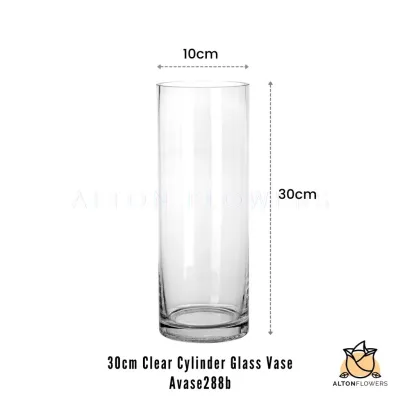
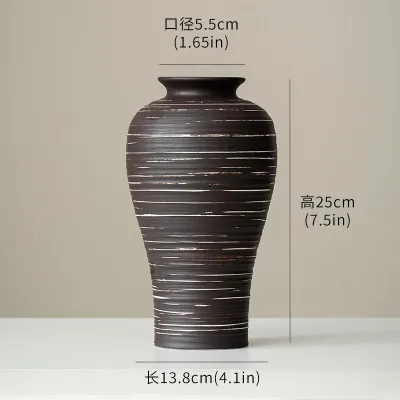
![[Local Stock] Elegant Transparent Glass Plant Flower Vase Pot](https://img.lazcdn.com/g/p/7bf4a85e45340c7fb55ec566cbed6128.jpg_400x400q80.jpg_.webp)
![[SG SELLER]Metal Gold Vase Flower Nordic Style Frame Iron Glass Tube Iron Pot Elegant Home Decoration Wedding Gift](https://img.lazcdn.com/g/p/689dbc8a278d4fdaf386ed4b2e02335c.jpg_400x400q80.jpg_.webp)
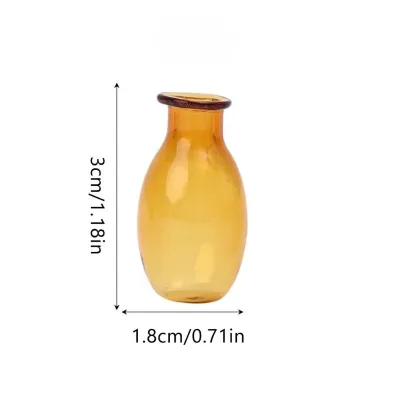
Prices are valid at publication and may change. Please refer to the product page for the latest price.
Beyond the raw materials, the physical execution of the design reveals the level of craftsmanship. High-end vases feature seamless construction, entirely free of the prominent mold lines often found on mass-produced items. Glazing on ceramic and porcelain pieces should be perfectly even, without unsightly pooling, pinholes, or bare spots near the base. Weight distribution is another key factor; a premium vase should feel reassuringly heavy, with a thick, stable base that lowers the center of gravity. This weight is not just a tactile sign of luxury but a functional necessity that prevents the vase from tipping over when filled with water and heavy floral arrangements.
When choosing between heritage manufacturers and independent artisan makers, consider the recipient’s appreciation for design history. Heritage brands often provide a sense of timeless prestige, backed by generations of refined techniques and strict quality control standards. These pieces frequently come with elegant presentation boxes and certificates of authenticity that enhance the gifting experience. On the other hand, independent artisan makers offer a sense of exclusivity and contemporary relevance. An artisan piece tells a story of individual creativity, making it an excellent choice for recipients who value unique, modern design narratives and supporting independent studios.
Because visual assessment alone can sometimes be deceptive, especially when shopping online, it is wise to verify material specifications. Look for detailed product descriptions that specify the exact clay body, glass type, or manufacturing origin. When purchasing high-value crystal or hand-painted porcelain, inquire about accompanying documentation, such as artist signatures, limited-edition numbering, or manufacturer authenticity cards. These details not only confirm the item’s value but also add a layer of narrative depth that makes the gift feel far more personal and carefully curated.
Matching Vase Profiles to Recipient Lifestyles
A premium vase should harmonize with the recipient’s existing home decor and lifestyle habits. Gifting an ornate, traditional urn to someone who lives in a minimalist, ultra-modern apartment can create an awkward design clash. For modern and minimalist interiors, look for vases that emphasize geometric simplicity, clean lines, and architectural silhouettes. Matte finishes, unglazed ceramic exteriors, and monochromatic color palettes work exceptionally well in these spaces. These designs act as subtle sculptural elements that complement open-plan layouts, concrete or wood surfaces, and clean-lined furniture without cluttering the visual field.

Conversely, traditional or classic interiors are beautifully elevated by vases that embrace historical design languages. Intricately cut crystal, hand-painted porcelain with floral or botanical motifs, and classic urn shapes with elegant handles fit seamlessly into homes featuring rich wood tones, structured layouts, and classic moldings. These pieces catch the light beautifully on a mantelpiece or a formal dining table, serving as traditional focal points that celebrate classic craftsmanship.
It is also essential to consider how the recipient will use the vase. Active florists and flower enthusiasts who regularly arrange fresh blooms require highly functional vessels. For these recipients, prioritize vases with wider necks that allow for easy cleaning and accommodate dense, multi-stemmed arrangements. The interior of the vase should be fully glazed to prevent water absorption and staining over time. For recipients who rarely buy fresh flowers, a sculptural or decorative-only vase is a much better fit. These pieces are designed to stand alone as art objects, featuring narrow openings, dramatic curves, or bold textures that look complete and intentional even when completely empty.
| Vase Shape | Ideal Flower Types | Room Settings | Floral Experience Level |
|---|---|---|---|
| Cylinder | Long-stemmed lilies, branches, gladioli | Entryway consoles, minimalist dining tables | Beginner to Intermediate |
| Urn / Fluted | Classic roses, hydrangeas, mixed bouquets | Formal dining rooms, traditional mantels | Intermediate to Advanced |
| Bud Vase | Single orchids, delicate wildflowers, single stems | Bedside tables, bathroom vanities, study desks | All Levels |
| Bowl / Low Coupe | Floating blossoms, short-trimmed peonies, succulents | Coffee tables, low shelving units | Advanced |
Sizing and Proportion Guidelines for Gifting
Selecting the right size is a critical step in ensuring your gift is both practical and appreciated. A vase that is too large can overwhelm a standard living space, while one that is too small may fail to make the desired impact as a premium gift. Tabletop and console vases, typically ranging from 15 to 25 centimeters in height, are the most versatile options. These dimensions fit comfortably on standard dining tables, sideboards, and shelving units without blocking sightlines or requiring specialized furniture. They are easy to store when not in use and accommodate standard-sized bouquets from local florists.
In contrast, floor-standing statement pieces, which often exceed 50 centimeters in height, require dedicated floor space and a thoughtful architectural context. While they make spectacular, high-impact gifts, they are best reserved for recipients who have spacious homes, wide entryways, or large minimalist corners that can accommodate such a prominent design element. If you are unsure about the recipient’s spatial constraints, it is always safest to choose a medium-sized tabletop vessel.
The proportions of the vase also dictate the types of floral arrangements it can support. The neck-to-body ratio is a key design element to observe. A vase with a narrow neck and a wide body is ideal for supporting heavy-headed flowers like peonies or hydrangeas, as the narrow opening holds the stems upright while the wide base provides ample water capacity. For long-stemmed flowers like roses or calla lilies, a taller, straight-sided cylinder or a gently tapered column vase is necessary to keep the stems from splaying too far outward.
Weight and stability are particularly important considerations for households with active pets or young children. In these environments, avoid top-heavy designs or vases with narrow, delicate bases. Instead, opt for low-slung, wide-bottomed ceramic or heavy glass vessels that resist tipping. If you are gifting a vase to a home with active ceiling fans or breezy open windows, a heavy, solid-bottomed crystal or stoneware piece will ensure the arrangement remains secure. When the recipient’s exact shelf depth or table space is unknown, aiming for a stable, medium-sized vase with a base diameter of 10 to 15 centimeters offers the perfect balance of presence and versatility.
Pre-Purchase Verification and Gifting Presentation
Before wrapping a premium vase, conducting a thorough quality inspection ensures that your gift arrives in flawless condition. Begin with a visual and tactile check of the entire piece. Run your fingers gently along the rim, base, and any decorative edges to detect micro-chips, sharp spots, or rough patches that may have escaped factory quality control. Hold glass or crystal vases up to a bright, direct light source to inspect for internal hairline fractures, deep scratches, or large, unsightly air bubbles that could compromise the structural integrity of the vessel. For glazed ceramics, look closely for pinholes, uneven glaze runs, or areas where the clay body is exposed inappropriately.
Next, place the vase on a completely flat, level surface—such as a glass tabletop—and gently press down on the rim from different angles. A premium vase should sit perfectly flat without any wobbling or rocking, which indicates an uneven base. It is also important to verify the care instructions associated with the material. Many high-end materials, particularly hand-painted porcelain, delicate crystal, or vases with gold leaf accents, are strictly hand-wash only and cannot tolerate abrasive sponges or harsh detergents. Note any specific environmental sensitivities, such as materials that should not be exposed to direct, prolonged sunlight or those susceptible to thermal shock from sudden temperature changes.
The presentation of a luxury gift is almost as important as the item itself. Premium vases should be housed in high-quality, reinforced packaging designed to withstand transit while offering an elegant unboxing experience. Look for packaging that features custom-molded foam inserts or dense, fabric-lined compartments that cradle the vase securely, preventing any movement inside the box. A premium gift presentation often includes a branded dust bag, which protects the finish from dust and scratches during storage, along with a beautifully printed care booklet.
If you discover any manufacturing defects, uneven finishes, or missing authenticity documentation during your inspection, address these issues well in advance of the holidays. Contact the retailer or artisan immediately to arrange for a replacement or to secure the necessary paperwork. Presenting a gift that is complete with its original packaging, care instructions, and certification ensures the recipient fully appreciates the exceptional quality and thoughtfulness of your selection.
Frequently Asked Questions (FAQ)
Should I include flowers with a premium vase gift?
Pairing a premium vase with flowers is a wonderful gesture, but it requires careful logistical planning. If you choose to include fresh flowers, coordinate the delivery so that the blooms arrive at their peak freshness, ideally on the same day you present the vase. Keep in mind that fresh flowers require immediate water and attention, which can sometimes add pressure to the recipient during a busy holiday gathering.
An excellent alternative is to pair the vase with a high-quality arrangement of dried or preserved florals, such as eucalyptus, pampas grass, or preserved cotton stems. These botanical elements offer a modern, low-maintenance aesthetic that can be displayed immediately without the need for water. Alternatively, including a thoughtful gift card to a local premium florist allows the recipient the pleasure of choosing their own seasonal blooms at their convenience, ensuring the vase can be styled exactly to their taste.
How do I verify if a crystal vase is genuine?
Verifying the authenticity of a crystal vase can be accomplished through several simple, non-destructive physical checks. First, observe the clarity and light refraction of the material. Genuine crystal has a high mineral content that allows it to act as a prism, splitting light into brilliant rainbow dispersions when held under direct sunlight or a bright spotlight. Standard glass, by contrast, tends to cast simple shadows without this vibrant color separation.
Next, perform an auditory test by placing the vase on a flat surface and gently tapping the rim with your fingernail or a wooden pen. Genuine crystal will produce a clear, resonant, bell-like ring that sustains for several seconds, whereas ordinary glass will produce a dull, flat thud. Finally, inspect the weight and construction details. Crystal is significantly heavier than standard glass of the same size due to its dense mineral composition. Examine the piece for the absence of prominent mold seams, and look closely at the base for an etched manufacturer’s mark, signature, or logo, which is a hallmark of authentic, high-quality production.
Community discussion
Share your experience or ask a question. Comments are reviewed before publication.