
Selecting the right magnetic wall product for a preschool classroom in Singapore requires balancing interactive educational value with strict safety and durability standards. In early childhood environments, these surfaces serve as dynamic hubs for language development, fine motor practice, and collaborative play. To make an informed decision, educators and center administrators must evaluate how different materials interact with daily classroom activities, physical space constraints, and maintenance routines.
A well-chosen magnetic wall does more than simply hold magnets; it transforms passive vertical spaces into active learning zones. By allowing children to manipulate letters, numbers, and shapes at eye level, these installations support cognitive development and physical coordination. However, because preschool classrooms experience high-frequency use and occasional spills, the selected system must withstand rigorous wear while remaining completely safe for young learners.
Key Evaluation Criteria for Preschool Magnetic Walls
To design an effective interactive space, you must first identify the primary learning activities that will take place on the magnetic wall. If the surface is intended mainly for small-group letter recognition or basic math manipulatives, a moderate surface area may suffice. However, if the wall will be used for large-scale storytelling, collaborative mural building, or displaying student artwork alongside magnetic elements, you will require a much larger, continuous surface. Defining these educational goals early prevents the frustration of running out of interactive space during group lessons.
Products mentioned in this guide
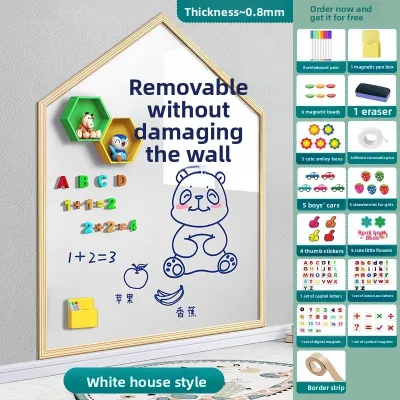
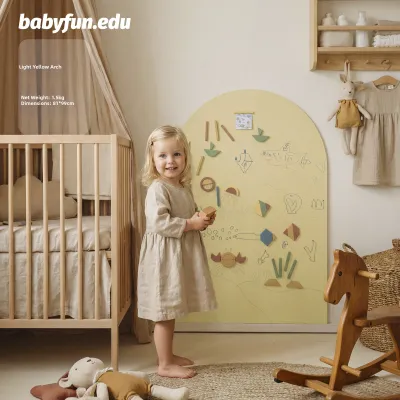
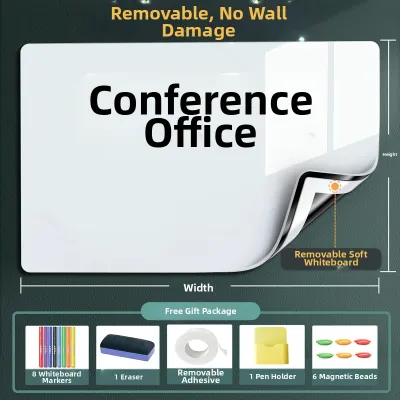
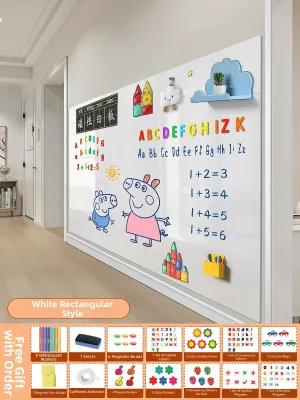
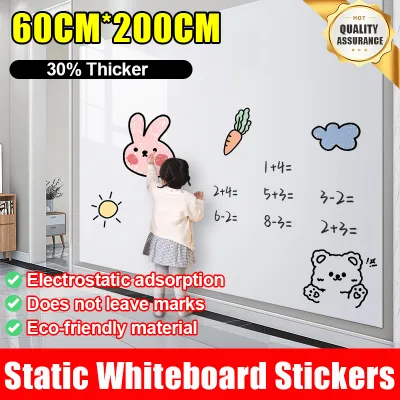
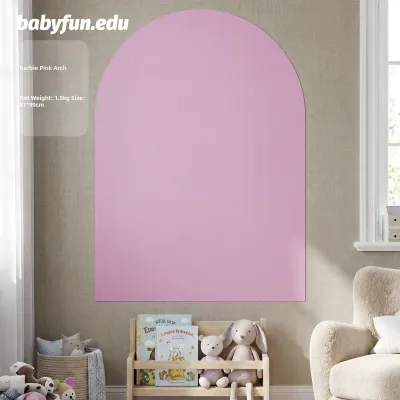
Prices are valid at publication and may change. Please refer to the product page for the latest price.
Next, consider the physical reach of the specific age group using the classroom. Toddlers and younger preschool children have a limited vertical reach compared to kindergarteners. When planning the installation, establish an accessible interaction zone that spans from the average knee height to slightly above the shoulder height of the target age group. Mounting the magnetic wall too high leaves valuable interactive space unused, while mounting it too low may lead to accidental damage from floor-level play or cleaning equipment.
Finally, the magnetic pull strength of the wall must align with the weight and size of your educational accessories. Lightweight plastic or foam magnetic letters require very little magnetic force to remain secure. Conversely, heavy wooden blocks, thick cardboard storytelling cards, or magnetic trays holding markers and erasers demand a much stronger magnetic pull. If the wall’s magnetic receptivity is too weak, these heavier items will slide down the surface, causing distraction and potential damage to the teaching aids.
Comparing Magnetic Wall Materials and Surface Types
When selecting the base material for your classroom wall, you will generally choose between steel-backed whiteboards, magnetic receptive wallpaper, or magnetic receptive paint. Steel-backed whiteboards offer the most robust magnetic pull and the most durable dry-erase surface, making them excellent for heavy daily use. However, they are rigid, heavy, and limited to standard rectangular dimensions, which may not fit creative or curved wall spaces.

Magnetic receptive wallpaper and flexible sheets provide a middle ground, offering a uniform magnetic layer that can be cut to fit custom shapes or wrapped around columns. These products are typically made of a vinyl or paper face infused with iron particles, allowing magnets to stick directly to the wall. While they offer a seamless look, their long-term durability depends heavily on the quality of the adhesive used, especially in Singapore’s humid climate, where moisture can cause the edges of poorly installed wallpaper to peel over time.
Magnetic receptive paint is the most customizable option, allowing you to turn virtually any smooth wall surface into a magnetic area. This paint contains fine iron dust, which creates a magnetic receptive surface once multiple coats are applied. While highly versatile, magnetic paint generally offers a weaker magnetic pull than steel sheets or specialized wallpaper. It also requires a perfectly smooth wall preparation and multiple coats—often between three and five—to achieve a functional level of magnetic attraction, followed by a topcoat of high-quality whiteboard paint if you also want a dry-erase surface.
The choice between a glossy and a matte surface finish significantly impacts classroom visibility and usability. Glossy finishes are highly compatible with standard dry-erase markers, allowing for effortless writing and wiping without leaving ghosted stains. However, glossy surfaces reflect light easily, which can cause distracting glare under bright classroom lights or when positioned opposite large windows. Matte finishes eliminate glare and are ideal if you plan to use the wall as a projection screen, but they are more porous and require more effort to clean, often requiring specialized dry-erase markers or wet-wipe solutions to prevent permanent staining.
Safety, Durability, and Maintenance Requirements
Safety is the paramount consideration when introducing any new installation into a preschool environment. All magnetic manipulatives used on the wall must exceed the standard choking hazard size threshold. For children under three years of age, accessories must be large enough that they cannot fit into a standard small-parts cylinder. Regularly inspect your magnetic letters and shapes to ensure that the magnets embedded within them are securely sealed; loose magnets pose a severe ingestion hazard if swallowed.
In addition to accessory safety, the physical wall panels must be free of sharp edges, exposed corners, or rough textures that could scratch a child’s skin. If you are installing rigid steel-backed panels, ensure they are finished with rounded corners or enclosed in a protective, smooth frame. For painted or wallpapered surfaces, verify that the materials carry non-toxic, low-VOC (volatile organic compound) certifications to maintain healthy indoor air quality in closed, air-conditioned classrooms.
Preschool environments demand rigorous cleaning, which can quickly degrade low-quality magnetic surfaces. Always review the manufacturer’s recommended cleaning agents and procedures before applying any chemicals to the wall. Harsh abrasive cleaners, alcohol-based solvents, or rough scrubbing pads can strip away the protective dry-erase topcoat, leaving the surface porous and prone to permanent marker staining. For daily maintenance, a soft microfiber cloth dampened with water or a mild, pH-neutral soap solution is usually sufficient to keep the surface clean without voiding the product warranty.
Space Planning and Installation Considerations
Before purchasing any magnetic wall system, conduct a thorough assessment of your classroom’s physical layout. Measure the available wall dimensions carefully, taking into account the placement of surrounding furniture, low shelving, electrical outlets, and light switches. Ensure that the area in front of the magnetic wall remains clear of heavy traffic flow so that children can stand and interact with the surface safely without blocking walkways or being bumped by opening doors.
The structural backing of your classroom wall determines the type of mounting hardware and installation method required. Singapore preschools are commonly located in commercial buildings or HDB void decks, which often feature solid concrete or brick walls, or lightweight drywall partitions. Mounting a heavy steel-backed whiteboard onto concrete requires masonry drilling and heavy-duty wall plugs to ensure the board remains securely anchored. If you are installing onto drywall, you must locate the internal studs or use specialized toggle bolts to distribute the weight safely and prevent the wall from sagging or collapsing under pressure.
For larger or awkwardly shaped spaces, consider using a modular panel configuration. Instead of attempting to transport and install a single, massive steel sheet, you can mount several smaller, interlocking panels side-by-side. This modular approach not only simplifies the installation process but also allows you to expand the interactive zone in the future or reconfigure the layout if you move to a different classroom or facility.
Creating a Conditional Shortlist for Your Classroom
To finalize your purchase, create a structured framework that filters your options based on your specific classroom needs and budget. Start by cross-referencing the technical specifications of each product with your required magnetic strength and surface durability checks. If your curriculum relies heavily on heavy wooden magnetic blocks, eliminate weaker magnetic paints and focus on steel-backed or high-density receptive wallpaper options.
When planning your budget, allocate your funds carefully between the primary wall installation and the necessary supplementary magnetic manipulatives. A high-quality magnetic wall is of little use without a diverse set of educational accessories, so ensure you set aside a portion of your budget—whether your total allocation is S$300 for a small cozy corner or over S$1,500 for a full-scale classroom wall—to purchase durable, non-toxic magnetic letters, numbers, and storage bins.
Finally, establish a trial or sample testing protocol before committing to a bulk purchase or a large-scale installation. Request small material swatches from your shortlisted suppliers to test in your actual classroom environment. Write on the sample with your standard classroom dry-erase markers, leave the ink to dry for twenty-four hours, and then verify how easily it wipes clean. Place your heaviest planned magnetic accessories on the sample to check for sliding, ensuring the product performs reliably under real-world conditions before you make a final investment.
Frequently Asked Questions (FAQ)
Can standard whiteboards function as magnetic learning walls?
While many standard whiteboards are advertised as magnetic, they often feature very thin steel backings that provide only weak magnetic attraction. This weak pull may be sufficient for holding a single sheet of paper with a strong magnet, but it is rarely strong enough to support heavy preschool educational toys or thick magnetic letters. Additionally, standard whiteboards are limited to fixed, pre-fabricated sizes and lack the seamless, modular expandability required to create a continuous, large-scale interactive learning wall across a classroom.
How can I test magnetic strength before installing a large wall system?
The most reliable way to test magnetic strength is to request a small material sample or swatch from the manufacturer before purchasing. Place the sample flat against a vertical surface and attempt to attach your heaviest classroom magnetic manipulatives, such as wooden blocks or plastic storage cups. Observe whether the items slide downward or detach when the surface is subjected to minor vibrations, such as tapping the wall or closing a nearby door, which simulates the active environment of a preschool classroom.
Community discussion
Share your experience or ask a question. Comments are reviewed before publication.