
Selecting the right 3-ply yarn for your knitting projects in Singapore requires balancing fiber properties, structural durability, and local environmental conditions. With the island’s tropical climate, heavy wools can often feel restrictive, making lightweight 3-ply yarns an exceptionally versatile choice for both delicate summer garments and cozy indoor accessories. Whether you are crafting a breathable lace shawl for air-conditioned offices or a soft baby blanket, understanding how different yarn brands behave under local conditions is key to a successful project.
To make an informed decision, you must evaluate how a yarn’s ply structure, fiber blend, and manufacturing quality align with your specific knitting goals. By focusing on observable material traits and structured selection methods, you can confidently source high-quality yarns from local boutiques and online platforms. This guide provides a comprehensive framework to help you assess, compare, and select the ideal 3-ply yarn brands for your next creative endeavor.
Understanding 3-Ply Yarn Structure and Handling
The term “3-ply” refers to a yarn constructed by twisting three individual strands, or plies, together. This structural design plays a critical role in the yarn’s overall strength, elasticity, and appearance. When these three strands are spun with a balanced twist tension, they create a rounded, plump profile that enhances stitch definition. This rounded shape is particularly beneficial for showcasing intricate stitch patterns, such as cables, ribs, and textured knit-purl combinations, as it allows the stitches to stand out clearly on the fabric surface.
Products mentioned in this guide
![[PNM] 3ply 100% Cotton Crochet Yarn Spot/ Graffiti Colors (200g)](https://img.lazcdn.com/g/ff/kf/Se710b09541d74b3da9f47501a65c3603Z.jpg_400x400q80.jpg_.webp)
![[PNM] 3ply 100% Cotton Crochet Multicolor Yarn (80g/skein)](https://img.lazcdn.com/g/ff/kf/Sc1db8907e5aa449b80e9887128ed8208F.jpg_400x400q80.jpg_.webp)
![[Cherry Queen] Grade A 3ply 100% Cotton Crochet Yarn (100g) (Min 2 rolls)](https://img.lazcdn.com/g/ff/kf/S918931839a334e6eb684e1fb944e3d51c.jpg_400x400q80.jpg_.webp)
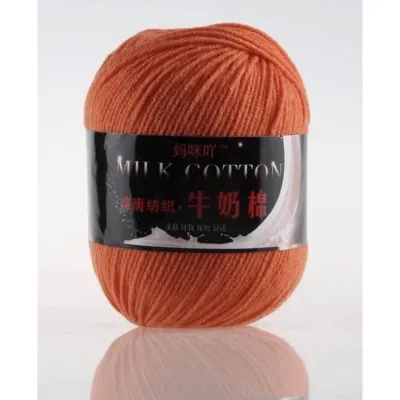
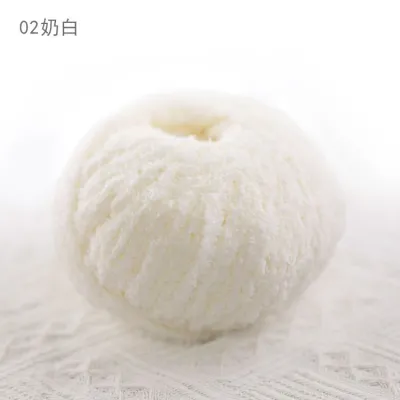
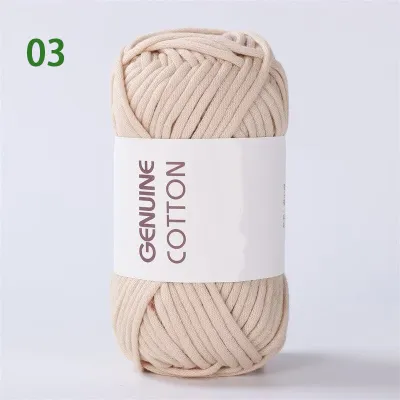
Prices are valid at publication and may change. Please refer to the product page for the latest price.
Twist tension is a key variable to observe when handling different yarn brands. A tightly twisted 3-ply yarn offers excellent durability and resistance to pilling, making it highly suitable for items that undergo frequent wear and friction. However, a very tight twist can sometimes result in a slightly stiffer fabric drape. Conversely, a loosely twisted yarn feels incredibly soft and airy against the skin, but it is more prone to splitting during knitting, where the needle tip accidentally pierces between the plies rather than catching the entire strand. Beginners may find moderately twisted yarns easier to manage as they offer a stable structure without sacrificing softness.
Fiber blends significantly influence how a 3-ply yarn behaves on your needles and after washing. Common combinations include cotton-acrylic blends, which merge the breathability of natural plant fibers with the durability and stitch retention of synthetic materials. Bamboo-nylon blends are also popular for their silky sheen and exceptional drape, while lightweight superwash wool blends provide elasticity and warmth without feeling overly heavy. Each blend presents unique handling characteristics, requiring different levels of tension control to maintain an even stitch gauge throughout your work.
When selecting a 3-ply yarn, always consult the manufacturer’s label for recommended needle sizes and estimated gauge ranges. Typically, 3-ply yarns pair well with needle sizes ranging from 2.25 mm to 3.25 mm, yielding a fine, lightweight fabric. However, individual knitting tension varies widely; a tight knitter may need to size up to achieve the desired drape, while a loose knitter might need smaller needles to prevent a floppy, uneven texture. Verifying these specifications on the label provides a reliable starting point for your project planning.
Matching Yarn Properties to Your Knitting Projects
Matching the physical properties of your yarn to the functional requirements of your project is essential for creating a garment that is both beautiful and practical to wear. In Singapore’s warm and humid climate, lightweight garments and summer wear demand careful fiber selection. Prioritizing breathability and moisture-wicking capabilities is crucial. Natural plant fibers, such as cotton, linen, and bamboo, are excellent candidates for warm-weather tees, camisoles, and light cardigans. These fibers do not trap heat, allowing air to circulate freely through the knitted fabric, and they naturally drape close to the body for a flattering silhouette.

For baby items and delicate accessories, the primary focus shifts to exceptional softness, ease of maintenance, and skin safety. Infants have highly sensitive skin that can easily become irritated by coarse fibers or harsh chemical residues. When choosing yarn for baby blankets, booties, or hats, look for brands that carry safety certifications, such as the Oeko-Tex Standard 100, which verifies that the textile has been tested for harmful substances. Additionally, select machine-washable fibers like superwash merino wool or premium acrylic blends, as busy parents require items that can be laundered frequently without shrinking, felting, or losing their shape.
Lacework and intricate colorwork projects require a yarn that offers outstanding stitch definition and predictable blocking behavior. Lace knitting relies on deliberate holes and decreases to create delicate patterns; a fuzzy or highly textured yarn can obscure these details. A smooth, clean-spun 3-ply yarn made from wool, silk, or tencel allows the lace motifs to open up beautifully when wet-blocked. For colorwork, such as Fair Isle or stranded knitting, a slightly toothy wool yarn is preferred, as the microscopic scales of the wool fibers help the different colored stitches cling to one another, creating a cohesive, even fabric with minimal puckering.
Evaluating Brand Quality and Sourcing Options in Singapore
Evaluating the quality of different yarn brands requires a systematic approach that begins with a close inspection of the physical product and its labeling. When browsing yarn in person or reviewing specifications online, pay close attention to the fiber composition percentages and the care instructions. High-quality brands provide clear, detailed care guidelines, indicating whether the yarn can be machine-washed or if it requires gentle hand-washing and flat drying. Equally important is checking the dye lot number printed on the label; yarn dyed in different batches can exhibit subtle color variations that become highly visible when knitted into a single solid-colored garment. Always purchase sufficient skeins from the same dye lot to ensure color consistency.
Beyond the label, verifying a brand’s reputation through community feedback is an invaluable step. Online crafting forums, local knitting groups, and social platforms offer honest reviews regarding how a specific yarn performs over time. Look for discussions concerning whether a yarn tends to pill excessively after a few wears, whether the colors bleed during the first wash, or if the yarn contains an unusual number of knots and splices within a single skein. A brand that consistently receives positive reviews for structural integrity and colorfastness is a much safer investment for time-consuming projects.
Navigating the sourcing landscape in Singapore involves exploring a mix of local brick-and-mortar shops, specialized boutique studios, and online marketplaces. Visiting a local physical store allows you to touch the yarn, assess its softness against your skin, and view the true colors under natural light. Local shop owners and staff are often experienced crafters who can offer personalized advice on fiber suitability. For a wider variety of specialty fibers or hard-to-find international brands, online marketplaces and global craft retailers provide extensive catalogs. When ordering online, factor in shipping costs, potential delivery delays, and the platform’s return policy in case the yarn does not meet your expectations upon arrival.
Building a Comparison Shortlist for Your Next Project
To streamline your selection process, it is highly beneficial to build a comparison shortlist tailored to your immediate project needs. Begin by clearly defining your project constraints, starting with your budget. High-quality 3-ply yarns can range from budget-friendly acrylics at S$5 to S$10 per skein to premium hand-dyed silk and wool blends costing S$25 to S$40 or more. Calculate the total yardage required for your pattern to estimate the overall cost. Additionally, consider the practical demands of the finished item, such as whether it needs to be highly colorfast if you are combining bright red and white yarns in a single project.
Once your constraints are established, create a simple comparison matrix to evaluate potential yarn candidates. List your top brand choices along one axis and compare them across key criteria: fiber content, price per meter, texture, color range, and local availability. This structured approach helps you identify trade-offs; for example, a premium bamboo yarn might offer the perfect drape for a summer top but may exceed your budget, prompting you to consider a more affordable cotton-acrylic blend that offers similar breathability.
Before committing to purchasing a large quantity of yarn for a major project, always plan a swatch test. Purchase a single skein of your top candidate and knit a square swatch measuring at least 10 cm by 10 cm. Use this swatch to verify your stitch and row gauge against the pattern requirements. Next, wash and block the swatch exactly as you plan to care for the finished garment. Observe how the fabric changes: does it stretch out of shape, shrink, or become significantly softer? This simple test prevents costly mistakes and ensures that your final knitted piece will look and fit exactly as intended.
Frequently Asked Questions (FAQ)
Substituting 3-Ply Yarn with 4-Ply or Fingering Weight
Substituting 3-ply yarn with 4-ply or standard fingering weight is a common practice, but it requires careful adjustments to maintain the correct fabric density and garment size. While 3-ply yarn is typically thinner and lighter, 4-ply yarn contains an extra strand, making it slightly thicker and heavier. Standard fingering weight yarn can vary, sometimes aligning closely with 3-ply and other times with 4-ply depending on the manufacturer’s regional standards.
When making a substitution, compare the recommended gauge ranges on both yarn labels. If you substitute a slightly thicker 4-ply yarn for a 3-ply pattern, your knitted fabric may turn out denser and stiffer than intended if you use the original needle size. To achieve a similar soft drape, you may need to increase your needle size slightly, which will alter your stitch count. Always knit a gauge swatch with the substitute yarn and adjust your needle size until you match the pattern’s specified gauge, keeping in mind that a thicker yarn may also require more yardage overall.
Storing Yarn Safely in a Humid Climate
Singapore’s high humidity and warm temperatures present unique challenges for yarn storage, as excess moisture can lead to mold, mildew, and fiber degradation over time. To protect your yarn collection, avoid storing skeins in open baskets or cardboard boxes, which can absorb moisture from the air. Instead, opt for airtight plastic storage containers that seal out humidity and protect your fibers from dust and pests like silverfish or moths.
When packing your yarn into airtight containers, include several silica gel packets or reusable moisture absorbers to capture any trapped humidity. Avoid packing the yarn too tightly, as natural fibers benefit from a small amount of air circulation within the container. Additionally, store your containers in a cool, dark place away from direct sunlight, which can fade vibrant dyes and weaken delicate fibers over time. Never store yarn that is damp; if you have recently washed a swatch or a skein, ensure it is completely dry before placing it in sealed storage.

Community discussion
Share your experience or ask a question. Comments are reviewed before publication.