
Choosing between a school-focused pen and pencil set and one designed for art projects comes down to balancing speed and endurance against precision and versatility. While a student requires quick-drying ink and standardized lead grades to keep up with fast-paced lectures, an artist needs a wide spectrum of graphite hardness and expressive ink tips to bring depth to a blank page. Selecting the wrong set can lead to frustrating smudges on notebook paper or a lack of tonal range in a sketch.
Understanding the Core Demands of Academic vs. Artistic Writing
Academic writing is a marathon of speed and legibility. When taking notes or sitting for exams in Singapore’s classrooms, you need tools that glide effortlessly without requiring heavy hand pressure. The goal is to capture information quickly and read it back clearly weeks later.
Artistic creation, by contrast, is about control, variation, and texture. An artist rarely uses a single line weight or tone. Instead, they rely on shading, blending, and layering to build form and dimension. The tools must respond to subtle changes in hand pressure and angle, allowing for both whisper-thin guidelines and deep, rich shadows.
Products mentioned in this guide
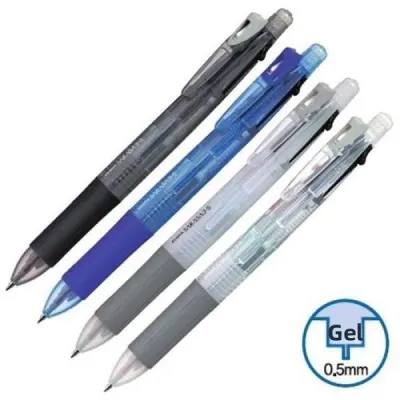
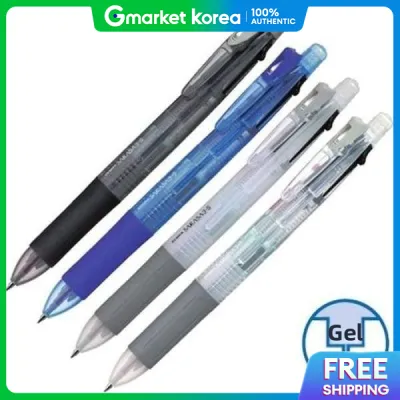
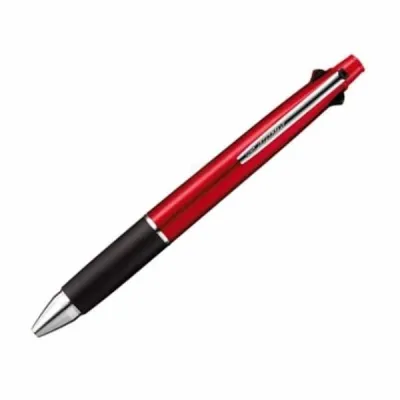
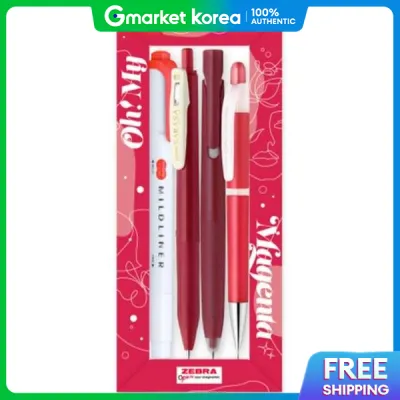
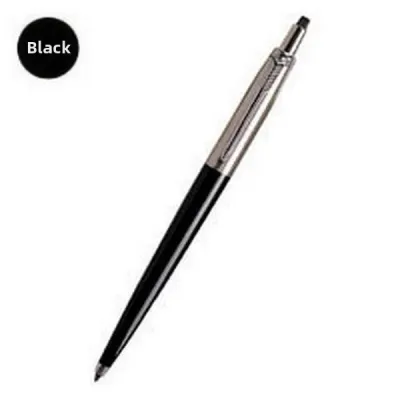
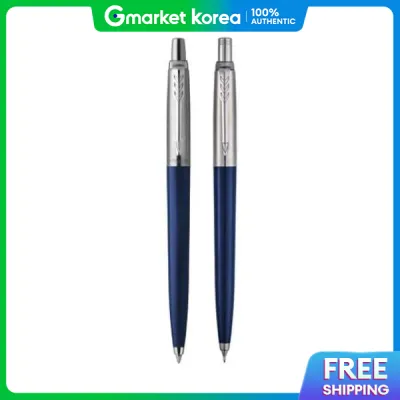
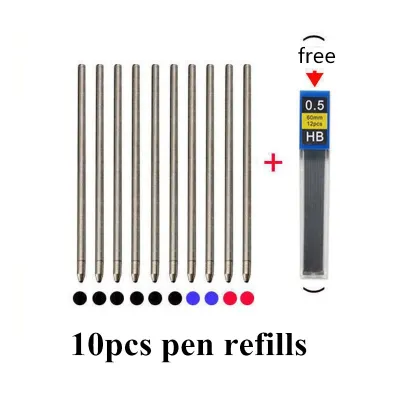
149 Lazada user ratings
The shipping took a bit longer because it came from China. The packaging was good, and the pen has a smooth tip. The design is nice, and the…Read full reviewShow less
The shipping took a bit longer because it came from China. The packaging was good, and the pen has a smooth tip. The design is nice, and there are many colors, but the size is not thick. What surprised me the most is that when I want a specific color, I just turn to that color's name and then press it, and I get the desired color. At first, I thought I had to press through all the colors, but I can choose directly according to the product description that states it is a gravity pen. Plus, the ink refill lasts for a decent amount of time. The downside is that I might not know where to buy refills or if they are expensive, because if I use up the included ink, it should last about 3-4 months (if used daily).
The 0.5 mm tip provides precise writing, an excellent set of metal ballpoint pens!, The 0.5 mm tip offers accurate writing, a high-quality p…Read full reviewShow less
The 0.5 mm tip provides precise writing, an excellent set of metal ballpoint pens!, The 0.5 mm tip offers accurate writing, a high-quality pen that lasts long, this mechanical pencil is a great addition,
The product is okay, the price is good, and the delivery was excellent. The price isn't very high, and the product quality looks great. They…Read full reviewShow less
The product is okay, the price is good, and the delivery was excellent. The price isn't very high, and the product quality looks great. They even included extra refills for free!
Smooth writing experience with these pens., Perfect for school and office use., Great value for money with this set., The 0.5mm tip provides…Read full reviewShow less
Smooth writing experience with these pens., Perfect for school and office use., Great value for money with this set., The 0.5mm tip provides precise writing.,
Smooth writing experience with these pens, this mechanical pencil is a great addition, excellent metal ballpoint pen set!, worth the money s…Read full reviewShow less
Smooth writing experience with these pens, this mechanical pencil is a great addition, excellent metal ballpoint pen set!, worth the money spent on this set,
Prices are valid at publication and may change. Please refer to the product page for the latest price.
The paper medium plays a decisive role in how these tools perform. Standard school notebooks typically feature thin, lightweight paper (often around 60 to 80 gsm). This paper is highly susceptible to ink bleed-through and feathering, and aggressive erasing can easily tear the surface. Art sketchpads, however, use heavier, textured paper (often 100 gsm to 300 gsm) designed to handle wet ink layers, heavy graphite burnishing, and repeated erasing without degrading.
Ergonomics also diverge based on use. A school pen or pencil needs a comfortable, cushioned grip that reduces muscle fatigue during hours of continuous writing. The barrel is usually designed for a standard tripod grip. For art, barrel control is more dynamic; artists often hold pencils further back for loose sketching or use overhand grips for shading, meaning a uniform, non-slip barrel without a bulky ergonomic collar is often preferred.
What to Look for in a School-Focused Pen and Pencil Set
When shopping for a school-focused set, the ink formulation is your first line of defense against messy notes. Look for gel or ballpoint pens that explicitly state “quick-drying” or “smudge-resistant” on the packaging. Gel pens offer smooth ink flow but can have longer drying times, so verify the manufacturer’s drying claims. If you frequently write on thin notebook paper, check for warnings regarding ink bleed-through or opt for low-viscosity ballpoint inks that sit on top of the paper fibers rather than soaking through.

For the pencil component, standard lead grades are non-negotiable. Ensure the set includes pencils or mechanical pencil leads graded as HB (equivalent to the classic #2 pencil). This grade strikes the perfect balance between darkness and hardness, making it easily readable for teachers and compatible with optical mark recognition (OMR) scanners used in standardized examinations. Harder leads like H or 2H are too faint, while softer leads like B or 2B smudge too easily under a student’s hand.
Durability and portability are essential for surviving the daily commute. Look for pens and pencils constructed with sturdy plastic or lightweight metal barrels that can withstand being tossed into a crowded pencil case or backpack. A secure pocket clip is highly beneficial for keeping the writing instruments anchored to a notebook cover or pocket. Cushioned rubber or textured metal grips help maintain comfort during long writing sessions.
Finally, consider the long-term cost and availability of refills. High-volume writing quickly drains ink cartridges and wears down pencil leads. Choosing a set that utilizes standard, widely available refills ensures you will not have to purchase an entirely new set when the ink runs dry mid-semester, making it a much more sustainable and economical choice.
Essential Specifications for Art and Sketching Sets
An art-focused set must offer a diverse toolkit to accommodate different sketching and drawing techniques. The core of any drawing set is a graded range of graphite pencils. Rather than relying solely on HB, an art set should include a spectrum from hard (H grades) to soft (B grades). Harder pencils (such as 2H to 4H) produce light, precise lines ideal for initial layouts and technical drafting. Softer pencils (such as 2B to 6B or darker) deposit more graphite, allowing for deep shadows, rich textures, and smooth blending.
The pen selection in an art set should prioritize line variation and ink quality. Look for sets that feature fineliners with varying nib sizes (such as 0.1mm for fine details to 0.8mm for bold outlines) or flexible brush pens that respond to pressure with expressive strokes. The ink must be pigment-based rather than dye-based; check the product specifications for terms like “archival,” “fade-resistant,” or “waterproof” to ensure your line work remains crisp and permanent, especially if you plan to layer watercolors or markers over the ink.
Blending and erasing capabilities are critical for artistic workflows. Art pencils should allow for smooth smudging and blending with a paper stump (tortillon) without leaving harsh, unerasable scratches. Verify that the set is compatible with kneaded erasers, which lift graphite cleanly from the paper surface to create highlights without tearing the delicate fibers of high-quality art paper.
Because art tools are highly specialized and delicate, the storage case is a vital component of the set. Look for sets housed in protective metal tins, zippered canvas rolls, or rigid plastic cases with individual slots for each pencil and pen. This organization prevents the soft, fragile graphite cores of drawing pencils from shattering internally when dropped and protects delicate fineliner nibs from bending or drying out during transit.
Evaluating Hybrid Sets: Can One Kit Handle Both Scenarios?
For those who want to balance both worlds, hybrid or multi-purpose sets are widely available, but they come with distinct trade-offs. A typical hybrid set might include a couple of standard gel pens, an HB mechanical pencil, and a small selection of colored pens or mid-range drawing pencils. While convenient, these sets often lack the specialized depth required for advanced art projects—such as ultra-soft graphite or waterproof pigment ink—and may contain more tools than a student needs for simple note-taking, leading to unnecessary bulk in a school bag.
A hybrid set is best suited for casual users, such as bullet journalers, hobbyists, or students taking introductory art classes alongside their academic coursework. If your primary task is writing, with only occasional light sketching or diagramming, a hybrid set offers excellent versatility. However, if you are a dedicated art student or a high-volume academic writer, relying on a single compromise kit can hinder your performance in both areas.
To evaluate a hybrid set’s suitability upon delivery, perform a few simple, observable tests. First, draw a solid line with the pen on standard notebook paper and run your finger over it after two seconds to check the drying speed. Next, write a sentence on thin paper to observe if the ink bleeds through to the reverse side. For the pencils, draw a gradient from light to dark on both notebook paper and textured sketch paper, checking for scratchiness, consistent graphite laydown, and how cleanly the marks erase with a standard vinyl eraser.
If these tests reveal that the pen ink smudges constantly on your school paper, or that the pencil lead lacks the depth needed for your art assignments, it is time to stop trying to make a single kit work. Purchasing separate, dedicated sets—one optimized for rapid, clean writing in the classroom and another tailored for creative expression in the studio—will ultimately save you time, frustration, and compromised results.
A Practical Checklist for Matching Sets to Your Primary Use Case
To help you make an informed decision, the following table summarizes how key product attributes align with school and art priorities:
| Attribute | School Priority | Art Priority |
|---|---|---|
| Ink Dry Time | Ultra-fast (under 2 seconds) to prevent smudging during rapid writing | Variable; slower drying can be useful for wet-on-wet blending techniques |
| Lead Grade Range | Standard HB or #2 for readability and exam scanner compatibility | Broad range (e.g., 4H to 6B) for technical lines and deep shading |
| Grip Type | Cushioned rubber or ergonomic contours for long-term comfort | Slim, uniform barrel for flexible hand positioning and control |
| Paper Compatibility | Optimized for thin, lightweight notebook paper (no bleed-through) | Designed for heavy, textured sketchpads (absorbs layers and resists tearing) |
| Ink Properties | Smudge-resistant, consistent flow, highly legible colors (blue/black) | Pigment-based, waterproof, fade-resistant, archival quality |
When finalizing your purchase, follow this step-by-step verification process. First, read the product label carefully to confirm the specific lead grades and ink types included. Second, check the manufacturer’s specifications online to verify if the ink is waterproof or if refills are readily available. Finally, if purchasing in a physical stationery store, test a sample unit on a scrap of your preferred paper to assess the hand feel, smoothness, and drying time before committing to the full set.
Keep safety and care boundaries in mind when selecting and using your stationery. If your art projects involve solvent-based markers or heavy adhesives, always check the manufacturer’s safety guidelines regarding ventilation and skin contact. Avoid using unverified solvent-based products in closed, poorly ventilated classrooms. For school environments, stick to water-based, non-toxic inks and standard graphite pencils to ensure a safe and comfortable experience for yourself and those around you.
Frequently Asked Questions (FAQ)
How do I prevent ink from smudging if I am left-handed?
Left-handed writers often struggle with smudging as their hand follows the freshly written line. To prevent this, look for pen sets featuring low-viscosity ballpoint ink or ultra-fast-drying gel ink, which dry almost instantly upon contact with paper. Before purchasing a full set, perform a simple drying-time test by drawing a line on your typical notebook paper and wiping it immediately; if it smudges, look for a faster-drying formulation. Additionally, adjusting your hand position to write from an angle below the line (under-writing) can help keep your palm clear of the wet ink.
What is the best way to store art pencils to prevent lead breakage?
Art pencils have soft, fragile graphite cores that can easily shatter internally if the pencil is dropped or shaken, rendering them useless. To protect them, store your pencils in a dedicated case that features individual elastic slots or secure dividers to prevent the pencils from knocking against one another. Avoid loose, open pencil pouches for high-grade art pencils. Additionally, keep your storage case away from extreme temperature fluctuations and direct sunlight, as rapid temperature changes can warp the wood casing and weaken the internal graphite bond, leading to frequent breakage during sharpening.
Community discussion
Share your experience or ask a question. Comments are reviewed before publication.