
Preparing a child for the school year in Singapore involves managing an extensive checklist of textbooks, uniforms, and specialized gear. Amid the rush of purchasing supplies, one critical detail often overlooked is how to effectively label these items so they actually return home. From the high-energy, high-loss environment of Primary 1 to the specialized, tech-heavy landscape of secondary education, labeling requirements change dramatically. Choosing the right labels depends heavily on the material of the item and its exposure to moisture, friction, and heat.
Understanding which labels to use for different materials ensures your child’s belongings remain identified throughout the school year, saving you both time and replacement costs. By matching the label type to the specific item and grade level, you can ensure the identification survives daily wear and tear.
Quick Summary: Label Needs for Primary vs. Secondary Students
As children transition through the Singapore education system, their daily routines and the items they carry evolve. Primary school students operate in a fast-paced, high-wear environment. They frequently misplace their belongings during recess, physical education (PE) classes, or co-curricular activities (CCAs). Consequently, primary school labels must be highly visible, brightly colored, and exceptionally durable to withstand rough handling and frequent washing.
Products mentioned in this guide
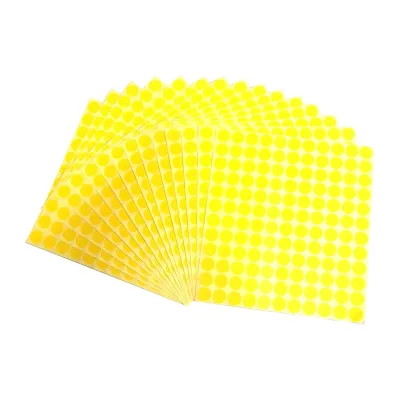
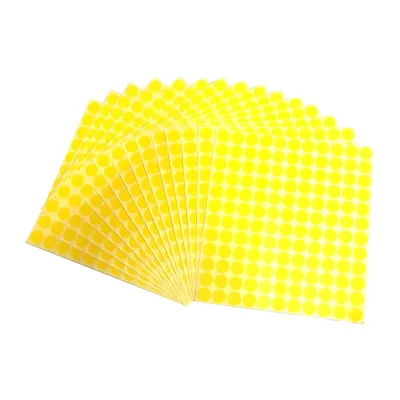
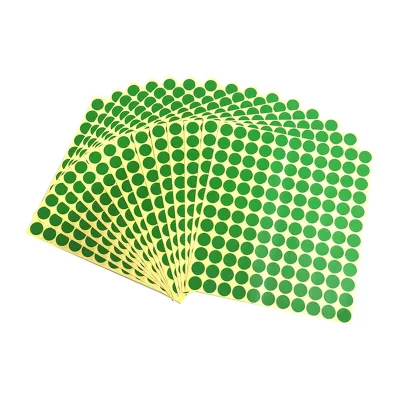
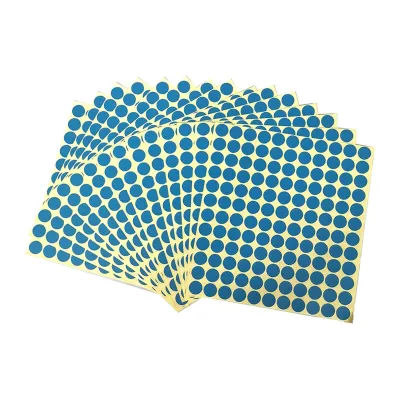
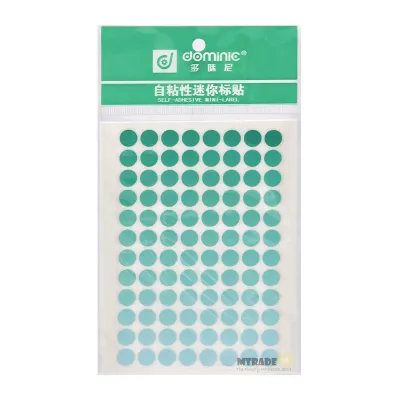
Prices are valid at publication and may change. Please refer to the product page for the latest price.
In contrast, secondary school students require a much more targeted and discreet labeling strategy. Older students generally prefer minimalist, monochrome designs that do not stand out. Their labeling needs shift away from high-volume stationery items toward high-value personal assets, such as Ministry of Education (MOE) issued Personal Learning Devices (PLDs), SEAB-approved scientific calculators, and specialized drafting tools. For these items, selecting the correct adhesive is paramount to protect expensive surfaces from permanent damage.
Primary School: High-Durability Labels for High-Wear Items
The primary school years are characterized by high physical activity and a shared, communal environment where identical items are easily mixed up. Whether it is a stack of identical white school shoes outside the computer lab or a row of matching water bottles on a classroom shelf, clear identification is essential. To survive this high-wear environment, labels must be engineered to resist moisture, friction, and frequent cleaning cycles.

Uniforms, PE Kits, and Towels
Fabric items like school uniforms, PE t-shirts, shorts, and CCA towels require robust labeling solutions that can endure weekly laundry cycles and Singapore’s humid climate. When deciding between iron-on labels and stick-on clothing labels, it is important to understand how their adhesives interact with different fabrics.
Iron-on labels utilize a heat-activated copolymer adhesive that melts and fuses directly into the textile fibers. Once fully cooled and cured, this bond is highly resistant to hot water washes and high-heat tumble drying. However, before applying heat, always inspect the garment’s care label. Many modern Singapore school PE kits are made of synthetic, moisture-wicking polyester blends. These synthetic fabrics are highly sensitive to heat and can melt, warp, or glaze if exposed to a hot household iron.
For these delicate synthetic materials, pressure-sensitive stick-on fabric labels are a safer alternative. These labels feature a specialized adhesive designed to grip the smooth fibers of synthetic fabrics or care tags without requiring heat. While highly convenient, stick-on fabric labels generally have a shorter lifespan than properly fused iron-on labels and may require periodic inspection and replacement after multiple wash cycles.
Water Bottles, Lunchboxes, and Shoes
Items exposed to moisture, food oils, and physical friction require specialized labeling materials to prevent premature peeling and hygiene issues. Water bottles and lunchboxes are subjected to daily washing, condensation from cold drinks, and contact with food grease.
For these items, standard paper labels are highly unsuitable as they quickly disintegrate into pulp, leaving behind a sticky residue that traps dirt and harbors bacteria. Instead, opt for high-grade waterproof vinyl or polyester labels. When purchasing, look for manufacturer specifications certifying that the labels are dishwasher-safe and microwave-safe. This ensures the adhesive can withstand high-temperature water and detergent exposure without lifting at the edges.
School shoes present a unique challenge due to the intense friction and moisture generated by active feet. Standard name stickers applied inside a shoe will quickly wear away or peel. To solve this, use specialized shoe labels that consist of a printed vinyl base paired with a clear, heavy-duty protective overlay. This clear shield is applied directly over the printed label, protecting the ink from being rubbed off by the constant movement of the heel. Before applying any adhesive label to the inner sole of a shoe, ensure the surface is completely dry, clean, and free of lint or dust to guarantee a secure bond.
Secondary School: Discreet Labels for Tech and Specialized Gear
As students enter secondary school, their personal style and the nature of their school gear change. Teenagers are far more conscious of their peers’ perceptions and generally reject the bright, cartoon-themed labels of their primary school years. At the same time, the financial value of their school gear increases significantly, requiring a more sophisticated approach to labeling.
Uniforms and Outerwear
Secondary school uniforms, blazers, and CCA outerwear are expensive investments that still require identification, but the labeling must be discreet. Avoid large, highly visible name tags on the exterior of garments. Instead, choose small, minimalist, or monochrome iron-on labels that can be placed in inconspicuous areas.
Ideal placement locations include the inner neck seam, the underside of the collar, or directly onto the manufacturer’s laundry care tag. This keeps the identification hidden during daily wear while remaining easily accessible if the garment is misplaced or left behind in a classroom. Minimalist stick-on tags applied to the satin care label are also highly effective and can be removed easily if the uniform is eventually donated or sold.
Calculators, Tech Gadgets, and Drafting Tools
Secondary school students carry specialized, high-value equipment daily. This includes SEAB-approved scientific or graphic calculators, USB flash drives, external hard drives, and Personal Learning Devices (PLDs) like tablets or laptops. Additionally, subjects like design and technology or art require specialized drafting tools and geometry sets.
For these expensive electronic and plastic items, it is crucial to use residue-free, minimalist stick-on labels. These labels utilize a specialized acrylic adhesive that provides a strong, durable bond during daily use but can be peeled away cleanly without leaving a sticky, dust-attracting residue when the device needs to be upgraded, sold, or returned to the school.
Before applying any adhesive label to electronic equipment, always consult the manufacturer’s care and warranty instructions. Never place labels over heat ventilation grilles, charging ports, camera lenses, or regulatory serial numbers, as this can cause overheating, functional issues, or void the device’s warranty.
Decoding Label Materials: Stick-On, Iron-On, and Waterproof Options
Navigating the wide variety of school labels available on online marketplaces can be confusing. To make an informed purchase, parents should understand the technical properties and limitations of each material type.
- Standard Stick-On Labels: Typically made from paper or thin polypropylene with a standard acrylic adhesive, these labels are cost-effective and highly versatile. They are best suited for dry, smooth, low-wear surfaces such as textbooks, notebooks, file folders, and wooden pencils. They are not designed to withstand moisture, high humidity, or heavy physical friction.
- Waterproof/Vinyl Stick-On Labels: Constructed from durable synthetic polymers like vinyl (PVC) or polyester (PET), these labels are engineered to resist water, oils, and mild detergents. They are essential for water bottles, bento boxes, and outdoor gear. When shopping, verify the manufacturer's specific washing limits and temperature tolerances rather than relying solely on the generic term "waterproof."
- Iron-On Labels: Made from flexible fabric or ultra-thin polyurethane, these labels feature a dry, heat-activated adhesive backing. They are designed to create a permanent bond with woven textiles such as cotton, linen, and cotton-polyester blends. If you are labeling dark-colored uniforms or socks, ensure you select "dark fabric" iron-on labels, which include an opaque white barrier layer to keep the printed text clearly legible against dark backgrounds.
- Clip-On or Bag Tags: For items where adhesives are inappropriate or prone to failure—such as heavy canvas backpacks, sports duffel bags, musical instrument cases, or sleeping bags—clip-on tags or luggage-style bag tags are the most practical solution. These tags can be easily transferred between different bags and do not damage the underlying material. Ensure the attachment loop or ring is made of a durable material like braided steel or thick silicone to withstand daily transport.
How to Apply and Maintain Labels for Maximum Durability
Even the highest-quality label will fail prematurely if applied incorrectly. Following a systematic preparation and application process ensures that your child’s labels remain secure and legible throughout the entire school year.
First, clean the application area thoroughly with mild dish soap and warm water to remove any manufacturing oils, dust, or fingerprint grease. Allow the surface to dry completely. Avoid using harsh chemical solvents like acetone, as they can permanently damage or discolor plastic school items.
When applying stick-on labels, carefully peel the label from its backing, avoiding contact with the adhesive side as much as possible. Apply the label to the prepared surface, pressing firmly from the center outward to push out any trapped air bubbles. Pay close attention to the edges and corners, ensuring they are completely flat against the surface. Any lifted edge can catch on objects, trap dirt, and lead to premature peeling.
For iron-on labels, set your household iron to the temperature recommended by the label manufacturer—typically a medium, dry setting with the steam function turned completely off. Place the label on the desired area of the garment, and cover it with a sheet of parchment paper or a thin pressing cloth to protect both the label and the fabric from direct heat. Press the iron firmly down onto the parchment paper without moving it back and forth, holding it for the exact duration specified in the product instructions (usually 10 to 15 seconds). Allow the area to cool completely before removing the parchment paper.
Crucially, allow both stick-on and iron-on labels to cure undisturbed for at least 24 to 48 hours (or the specific duration recommended by the manufacturer) before washing, wetting, or subjecting them to heavy use. This curing period allows the adhesive to form a complete, stable bond with the material’s surface.
Periodically inspect your child’s labeled items throughout the school year. If a stick-on label begins to peel or lift at the corners, replace it promptly. Lifted edges on food and drink containers can harbor moisture and bacteria, compromising hygiene. Do not attempt to repair peeling labels with household superglues or contact adhesives, as these chemicals are often not food-safe and can permanently damage the underlying item. For peeling iron-on labels, you can sometimes re-apply heat using parchment paper to reactivate the adhesive, provided the fabric and label are clean and dry.
Frequently Asked Questions (FAQ)
Can I use standard stick-on labels for water bottles and lunchboxes?
Standard paper or non-laminated stick-on labels are not suitable for items exposed to wet environments. When subjected to condensation, daily washing, or food oils, the paper fibers quickly disintegrate, and the water-soluble adhesive breaks down. This causes the label to peel, slide, and leave behind a sticky residue that traps dirt and can harbor mold or bacteria. For all food and beverage containers, always use specifically rated waterproof vinyl or polyester labels that are certified food-safe and dishwasher-resistant.
How do I safely remove iron-on labels from outgrown uniforms?
To remove iron-on labels for hand-me-downs or donations, you can reheat the adhesive to soften its bond. Place a sheet of parchment paper over the label and press a warm iron over it for a few seconds. While the adhesive is still warm, carefully peel the label away using tweezers. Always test this method on an inconspicuous area first, especially on synthetic fabrics, to ensure the heat does not scorch or melt the material. If the fabric shows signs of warping or damage, stop immediately and consult a professional dry cleaner.
Community discussion
Share your experience or ask a question. Comments are reviewed before publication.