
Finding the right book cover size requires matching the physical dimensions of your textbooks and workbooks to standard stationery sizes like A4, B5, 16K, or A5. Because publishers vary their formats across subjects and grade levels, relying on a simple grade-level guess often leads to ill-fitting covers. The most reliable approach is measuring the book’s height and width or checking the official school booklist before purchasing.
How to Identify the Correct Book Cover Size
Many school booklists in Singapore explicitly state the publisher, edition, and sometimes the exact dimensions or recommended cover sizes (such as “A4” or “B5”) next to each textbook or workbook entry. Checking these details before heading to the stationery shop prevents purchasing errors.
If the booklist lacks sizing details, measure the book’s height and width with a physical ruler in millimeters or centimeters. Pre-cut book covers are typically categorized by height (such as 260mm or 300mm), so knowing the exact vertical edge of your book is the fastest way to find a matching sleeve.
Products mentioned in this guide

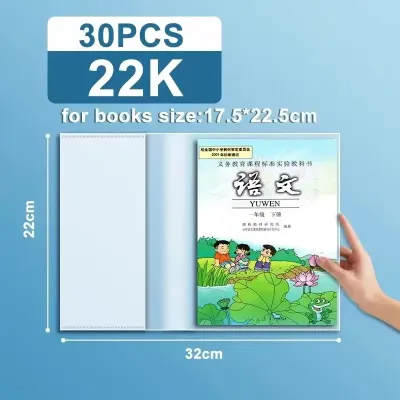
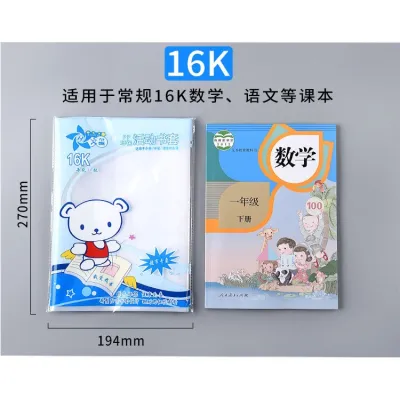
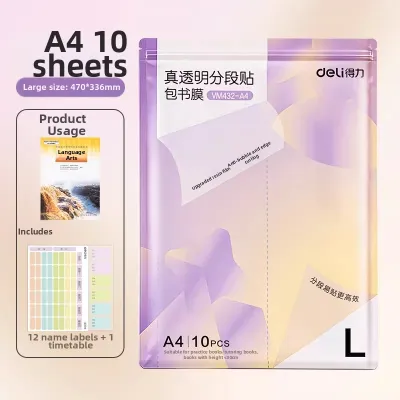
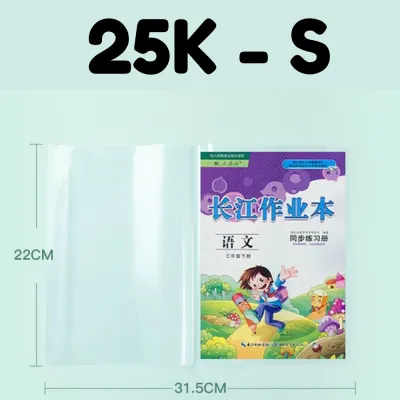

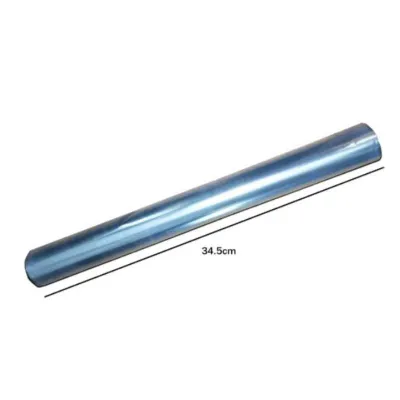
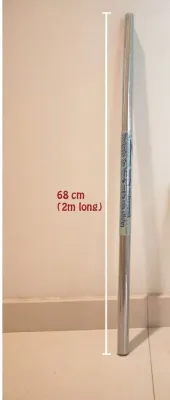
Prices are valid at publication and may change. Please refer to the product page for the latest price.
Avoid guessing the size based on subject or grade alone. A Primary 3 mathematics workbook from one publisher might use a broad A4 format to accommodate complex diagrams, while a Primary 3 social studies textbook from another publisher might use a compact B5 format. Assuming all books for a specific grade share a single size inevitably results in wasted materials.
Decoding Common Standard Book Sizes
A4 dimensions (typically 210 mm by 297 mm) represent the largest standard size commonly encountered in school environments. These covers are essential for secondary school textbooks, comprehensive assessment books, and large-format science or geography workbooks that require ample page space.

B5 (176 mm by 250 mm) and 16K (approximately 185 mm by 260 mm) are the most frequent formats for primary school textbooks and standard exercise books. While they look similar at a glance, 16K is slightly wider and taller than B5, meaning a standard B5 pre-cut sleeve will not slide onto a 16K book without tearing.
A5 (148 mm by 210 mm) and smaller formats are reserved for pocket-sized vocabulary lists, spelling books, and supplementary language guides. These compact books are highly prone to dog-eared corners, making durable, snug-fitting covers highly beneficial for daily transport.
Always read packaging labels carefully before buying. Manufacturers of pre-cut covers print the compatible book height directly on the front of the pack. Ensure you are matching the “fits book height” specification rather than the total flat width of the opened cover, as the spine thickness also consumes a portion of the cover’s width.
Variations Across Subjects and Grade Levels
Subject requirements dictate physical layouts. Mathematics and science workbooks frequently adopt larger formats like A4 to provide students with sufficient blank space for working out equations, drawing graphs, and analyzing detailed diagrams.
Grade levels also influence book thickness and size. Primary school materials often favor lighter, slightly smaller formats like B5 to keep schoolbags manageable for younger children. In contrast, secondary school textbooks transition toward denser, thicker A4 formats to accommodate advanced academic content.
Specialized subjects introduce non-standard dimensions. Art sketchbooks, music manuscript books, and Chinese character-writing practice books often feature square or landscape orientations that do not conform to standard portrait A4 or B5 dimensions, requiring adjustable roll-on films instead of pre-cut sleeves.
Publisher updates can alter dimensions between academic years. When a syllabus is revised, publishers may change the layout, page count, or physical dimensions of a textbook. Always verify the publication year or edition on the copyright page to ensure your covers match the current version of the book.
Practical Tips for Buying and Applying Book Covers
Pre-cut slip-on sleeves are ideal for standard sizes like A4 or B5 because they require no cutting and slide on in seconds. For non-standard books, roll-on self-adhesive films or clear plastic rolls offer a customizable fit, though they require a steady hand to apply without trapping air bubbles.
If you opt for roll-on plastic covers, cut the sheet with a margin of at least 2 to 3 centimeters on all sides. This extra material is necessary to fold over the inner edges of the book cover securely, preventing the plastic from peeling back over time.
Some schools enforce specific rules regarding book covers, such as requiring completely transparent plastic to keep the book title visible, or designating specific areas for name tags. Verify these preferences before applying permanent adhesive covers that cannot be easily removed.
When selecting self-adhesive films, look for acid-free, non-toxic materials that do not emit strong chemical odors. Since children handle these books daily, choosing high-quality, solvent-free adhesives prevents skin irritation and ensures the covers remain clear and non-sticky over long-term use.
Frequently Asked Questions (FAQ)
Can I use an A4 cover for a B5 textbook?
Yes, but it requires careful modification. Because an A4 cover is significantly taller and wider than a B5 book, you must trim the excess plastic from the top and bottom edges using scissors. Fold the remaining margins tightly over the inside covers and secure them with clear tape, taking care to smooth out any bulkiness or loose pockets near the spine to keep the book flat.
Do I need to cover softcover workbooks differently from hardcover textbooks?
Softcover workbooks benefit most from lightweight, flexible slip-on covers that do not restrict the natural bending of the spine. Hardcover textbooks, which have rigid boards, can easily accommodate heavier self-adhesive films. When applying adhesive covers to glossy softcovers, work slowly from the center outward to prevent air bubbles, and avoid using permanent adhesives on matte paper covers to prevent tearing the original cover art if the plastic needs adjustment.
Community discussion
Share your experience or ask a question. Comments are reviewed before publication.