
Selecting the ideal gradient yarn for a knitting project requires balancing color transition styles, fiber properties, and yarn weights. For projects demanding long, seamless color shifts, Scheepjes (particularly its celebrated Whirl line) stands out as a premium choice, offering gradual, thread-by-thread color changes in lightweight cotton-acrylic blends. Conversely, Lion Brand provides highly versatile, budget-friendly options like the Mandala or Ombre lines, featuring distinct color blocks, a wider variety of fiber blends, and heavier yarn weights that knit up quickly. The optimal choice depends entirely on your project’s scale, your preferred stitch pattern, and how you want the colors to flow across the finished fabric.
Understanding Gradient Mechanisms: Cakes vs. Dyed Skeins
The physical structure of a gradient yarn dictates both your knitting experience and the visual rhythm of the finished fabric. To choose the right yarn, you must first understand how manufacturers construct these colorways. Gradient yarns generally fall into two categories: plied gradient cakes and dyed or printed skeins. Each construction method alters how the yarn behaves on your needles and how the colors transition from one shade to the next.
Scheepjes is widely recognized for its center-pull gradient cakes, such as the Whirl series, which utilize a specific plied construction. Rather than dyeing a single spun strand, Scheepjes winds multiple fine, un-plied threads together. To transition from one color to another, a single thread of the original color is cut and replaced with a thread of the next color. This process repeats thread by thread until the transition is complete. This mechanical ply-shifting creates an incredibly long, slow, and smooth ombre effect that is virtually impossible to replicate with traditional surface-dyeing techniques.
Products mentioned in this guide
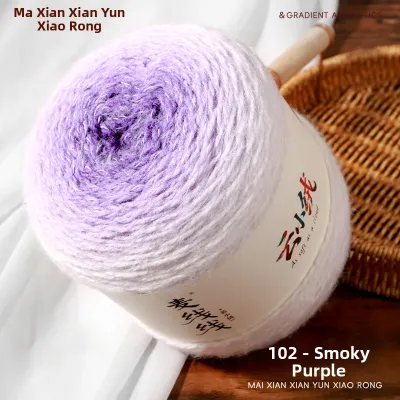
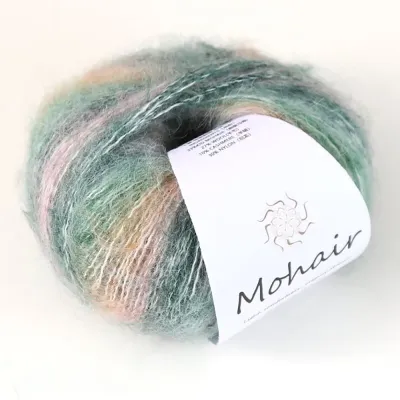
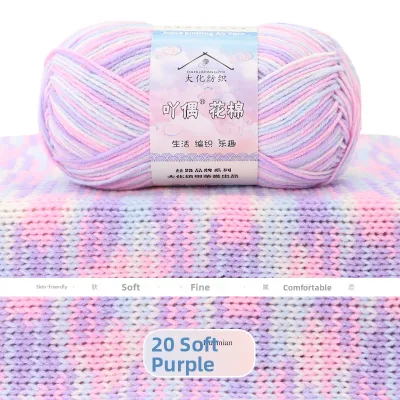
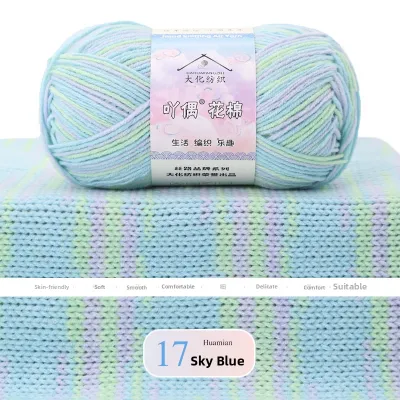
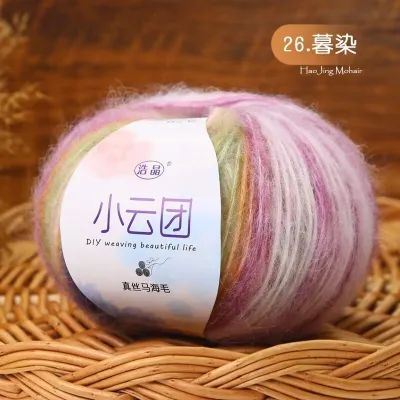
![[SG instock] 8-ply ombre gradient pearl lace thread 100% cotton high quality yarn crochet knitting xuefeier #3 雪妃尔3号珍珠蕾丝段染花色](https://img.lazcdn.com/g/p/18cc294dad790b35231e0273eaf02dc4.jpg_400x400q80.jpg_.webp)
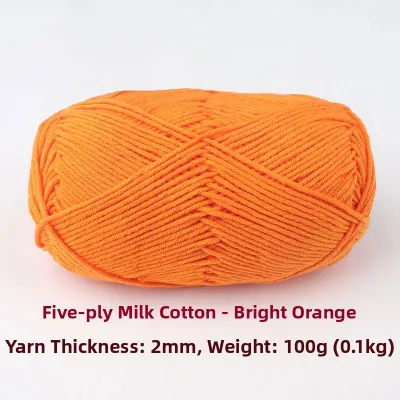
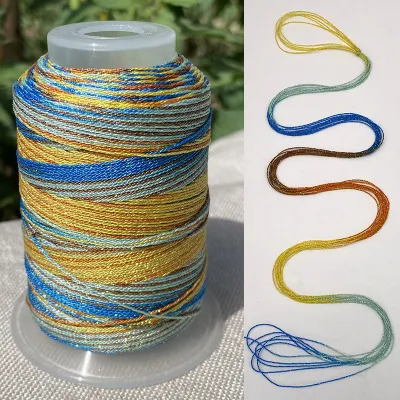
Prices are valid at publication and may change. Please refer to the product page for the latest price.
Lion Brand takes a different approach, offering both printed cakes (like Mandala) and dyed ombre skeins (like Wool-Ease or Scarfie). Many of Lion Brand’s gradient products consist of a single, fully spun strand that has been space-dyed or printed with different colors along its length. Because the dye is applied directly to the spun fiber, the transitions between colors are typically shorter and more defined. This results in distinct stripes or painterly, variegated shifts rather than the continuous, micro-gradient fade characteristic of plied cakes.
Before purchasing any gradient yarn, always inspect the product label or manufacturer specifications for the “color repeat length” and “gradient type.” A long-repeat gradient cake is designed to transition slowly over hundreds of meters, making it perfect for single-cake projects. A short-repeat or variegated skein will cycle through its color sequence multiple times within a single ball, creating a busier, more rhythmic pattern. Matching this structural mechanism to your project’s design is the first step toward a successful knit.
Comparing Color Transition Quality
The quality and visual appeal of a gradient transition are highly subjective, but they rely on concrete structural elements that you can evaluate before cast-on. Analyzing how colors shift, how manufacturers handle joins, and how stitch patterns interact with the yarn will help you avoid unexpected pooling or awkward color breaks.

Long vs. Short Transitions
To determine how wide your color blocks will be, compare the total yardage of the yarn cake to the number of color changes. A 1000-meter cake featuring five colors provides approximately 200 meters of yarn per color section, resulting in wide, sweeping bands of color. If you knit a smaller project with this yarn, you may only complete two or three color changes before binding off. Conversely, a 150-meter skein with five colors will shift shades every 30 meters, creating rapid, frequent stripes. For large items like blankets, long transitions prevent the colors from looking chaotic, while short transitions keep smaller accessories like hats or cowls visually engaging.
Knots and Joins
The method used to transition colors directly impacts how you handle the yarn while knitting. Because Scheepjes Whirl cakes rely on ply-shifting, they feature tiny, hand-tied knots where each individual thread changes color. These tiny knots are designed to be knitted directly into your project, where they blend into the stitch texture. However, if you prefer a perfectly smooth yarn strand, you may find these frequent joins distracting. Lion Brand’s dyed cakes and skeins generally feature fewer structural knots because the color shifts are dyed onto a continuous strand. However, like all commercially spun yarns, factory joins can occasionally occur, sometimes disrupting the dyed color sequence. When encountering a factory join that breaks the color flow, you may need to cut the yarn and manually realign the gradient sequence.
Pooling and Striping
Different stitch patterns interact uniquely with gradient transitions. Simple stockinette stitch allows the natural stripes of a gradient to shine clearly, while textured stitches like brioche, lace, or cables blend the colors, softening the boundaries between shades. If your stitch pattern requires varying amounts of yarn per row (such as a triangular shawl that grows wider with every row), your color bands will naturally become thinner as the project progresses. To visualize how the gradient will behave with your chosen stitch and needle size, always knit a generous gauge swatch. This step allows you to observe the transition speed and make adjustments before committing to the full project.
Yarn Weight, Fiber Content, and Knitting Suitability
The physical properties of the fiber and the thickness of the yarn determine the drape, warmth, and structural integrity of your finished knitwear. Comparing the material compositions and weight categories of Scheepjes and Lion Brand highlights their suitability for different types of projects.
Weight Categories
Scheepjes gradient cakes are predominantly offered in fingering or lace weights (often classified as 4-ply or Category 1/2). This fine weight is exceptional for delicate, lightweight items that require intricate stitch work. Lion Brand focuses heavily on more accessible, faster-knitting weights, such as DK (Category 3), worsted (Category 4), or bulky (Category 5). A worsted-weight gradient yarn is much easier for beginners to handle and works beautifully for cozy garments, winter accessories, and thick blankets. Always verify the standard weight symbol on the yarn label to ensure it matches the requirements of your chosen knitting pattern.
Fiber Blends
The fiber blend influences how the fabric drapes, breathes, and holds its shape after washing. Scheepjes Whirl features a signature blend of 60% cotton and 40% acrylic. This combination provides excellent stitch definition, a cool feel, and a heavy, elegant drape. It is particularly well-suited for warm-climate wear or lightweight summer shawls. Lion Brand’s gradient lines often lean toward 100% acrylic (like Mandala) or acrylic-wool blends (like Wool-Ease). Acrylic offers lightweight warmth, high loft, and easy machine-washable care, making it highly practical for everyday blankets and children’s wear. Wool blends add elasticity and memory to the yarn, which helps garments retain their shape and allows for beautiful, crisp blocking of lace patterns.
Yardage and Project Sizing
Gradient projects require meticulous yardage planning because you cannot easily join a new skein without disrupting the color sequence. A single cake of Scheepjes Whirl typically contains around 1000 meters of yarn, which is usually sufficient to complete an entire medium-to-large shawl. Lion Brand cakes often contain between 350 and 540 meters, meaning you may need multiple cakes to complete a larger garment or throw blanket. When using multiple gradient cakes, you must plan where to join the second cake. You can either match the outer color of the first cake to the inner color of the second cake to continue the gradient, or alternate rows from two different cakes to blend the transition smoothly.
Evaluating Price and Value for Knitters
When comparing the cost of gradient yarns, looking solely at the price tag of a single cake can be misleading. To make an informed decision, you must calculate the true value based on yardage, material quality, and local availability.
Cost per Meter/Gram
To find the actual value of a yarn, divide the retail price by the total yardage or weight rather than comparing the upfront cost per skein. For example, a premium gradient cake might carry a higher initial price point of S$35 to S$45, but because it contains 1000 meters of high-quality cotton-acrylic blend, the cost per meter is relatively low. A budget-friendly acrylic cake might cost only S$12 to S$15, but if it contains only 350 meters, you will need three cakes (costing S$36 to S$45 in total) to match the yardage of the single premium cake. Calculating the cost per meter ensures you are making an accurate financial comparison for your specific project size.
Sourcing and Availability
Your geographical location can significantly impact the final cost of these yarns. In Singapore, local yarn stores and specialty boutique craft shops frequently stock Scheepjes products, as the brand is highly sought after by lace and shawl knitters. Lion Brand is widely distributed internationally and can often be found on various online marketplaces, global craft retailers, or through direct shipping. When sourcing yarn online, always factor in shipping fees, potential import taxes, and local delivery times. A lower-priced cake can quickly become expensive once international shipping rates are applied, so check if local distributors offer bundle discounts or free shipping thresholds.
Value vs. Budget
Align your yarn investment with the intended use of the finished item. For heirloom projects, intricate lace shawls, or special gifts, investing in a premium, long-gradient cotton blend like Scheepjes Whirl is often justified by the superior drape, seamless color transitions, and refined finish. For everyday items, large family blankets, baby garments, or practice pieces, the durability, machine-washability, and lower upfront cost of Lion Brand’s acrylic gradients offer excellent, practical value. Matching the yarn’s cost and care requirements to the lifestyle of the recipient ensures your hard work will be appreciated and easily maintained.
Decision Framework: Which Brand Fits Your Project?
To finalize your selection, use this structured decision framework to match your project requirements with the strengths of each brand.
- Choose Scheepjes if:
- You are knitting a large, delicate shawl, wrap, or lightweight summer garment.
- You want a seamless, ultra-gradual color transition without abrupt color blocks.
- You prefer working with fine, fingering-weight yarns (Category 1 or 2).
- You want a breathable cotton-acrylic blend with a heavy, elegant drape.
- You are comfortable managing and knitting through tiny color-change knots.
- Choose Lion Brand if:
- You are knitting blankets, sweaters, cozy winter accessories, or home decor.
- You prefer working with thicker yarns like DK, worsted, or bulky weights (Category 3, 4, or 5) for faster progress.
- You want an easy-care, machine-washable fiber like 100% acrylic or a durable wool blend.
- You enjoy distinct, graphic color striping or painterly, variegated color shifts.
- You prefer a continuous strand with minimal structural knots or joins.
- Verify First if:
- You are unsure how the color repeat will look in your pattern. Always knit a gauge swatch first to observe the color behavior and ensure your stitch tension matches the pattern requirements.
- Always check the care instructions on the yarn label before washing your finished project, as fiber blends have vastly different tolerances for water temperature and agitation.
Frequently Asked Questions (FAQ)
How do I prevent color pooling when knitting with gradient yarn?
Color pooling occurs when specific colors in a variegated or gradient yarn align repeatedly in the same vertical area of your knitting, creating unintended blocks or spots of color. To prevent or break up pooling, you can adjust your stitch count by adding or subtracting a few stitches, which shifts the alignment of the colors on subsequent rows. Alternatively, changing your needle size by half a millimeter can alter your yarn consumption per stitch enough to disrupt the pooling pattern. For projects where you want absolute control over the color flow, you can work from two different sections of the gradient simultaneously, alternating rows to blend the shades more evenly.
What is the best way to hide knots in gradient yarn cakes?
Plied gradient cakes like Scheepjes Whirl contain tiny, hand-tied knots where individual plies change color. While these knots are designed to be knitted directly into the fabric, you can secure and hide them to ensure a flawless finish. If you encounter a knot, you can gently untie it and use a Russian join or a back-join technique to fuse the yarn ends together without creating bulk. For cotton-acrylic blends, weaving in the ends manually with a sharp tapestry needle along the WS (wrong side) of your work is highly effective. Always weave the ends in opposite directions along the path of your stitches to prevent them from slipping out during washing.
Community discussion
Share your experience or ask a question. Comments are reviewed before publication.