
Satin silk fabric is a luxurious textile created by weaving natural silk fibers using a satin weave structure, resulting in a glossy face and a matte back. Determining its quality involves evaluating its weight (measured in momme), inspecting its characteristic pearlescent luster, testing its fluid drape, and verifying its fiber purity through label checks and physical observation.
For sewing enthusiasts and garment makers, understanding this textile is essential to avoiding synthetic imitations. While synthetic satins are widely available, they lack the exceptional breathability, temperature regulation, and elegant drape of genuine silk. Investing in high-quality satin silk ensures that your finished garments look refined, feel comfortable against the skin, and withstand the test of time.
Understanding Satin Silk: Fiber vs. Weave
To understand satin silk fabric, you must first separate the fiber from the weave. Silk is a natural protein fiber produced by silkworms, most notably the Bombyx mori species which feeds on mulberry leaves. This fiber is celebrated for its high tensile strength, natural hypoallergenic properties, and exceptional breathability. Because it is a natural protein, silk naturally regulates temperature, keeping you cool in warm environments and warm in cooler settings.
Products mentioned in this guide
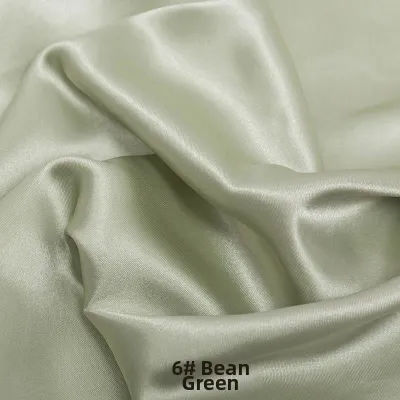
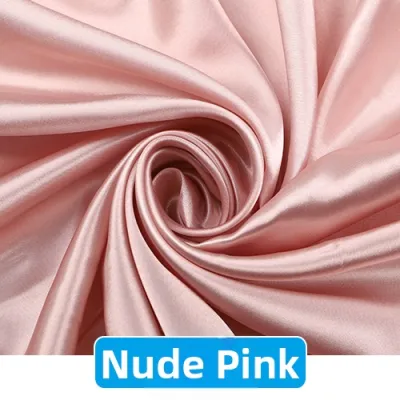

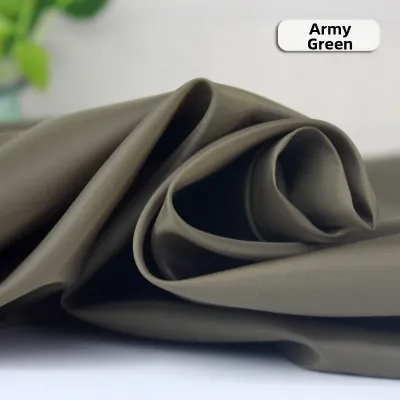
Prices are valid at publication and may change. Please refer to the product page for the latest price.
Satin, on the other hand, is not a raw material but a specific weaving technique. In a satin weave, the warp or weft yarns float over multiple perpendicular yarns before interlacing. This structural arrangement minimizes the number of yarn crossings, leaving long, uninterrupted floats on the fabric’s face. These floats allow light to reflect off the surface with minimal interruption, producing a smooth, glossy sheen on the front and a dull, matte texture on the reverse side.
When these two concepts combine, you get genuine satin silk fabric. This means the luxurious satin weaving pattern is executed using 100% natural silk yarns. The result is a textile that pairs the brilliant sheen of the satin structure with the unmatched comfort and breathability of pure silk fibers.
In contrast, many fabrics labeled simply as “satin” are made from synthetic fibers like polyester, nylon, or rayon. While these synthetic alternatives successfully replicate the glossy surface of a satin weave, they do not possess the structural benefits of natural silk. Synthetic satin tends to trap heat and moisture, lacks the fluid drape of natural silk, and can feel static-prone and stifling, particularly in humid climates.
Core Quality Indicators: Momme, Luster, and Drape
Evaluating the quality of satin silk requires looking beyond the initial surface shine. High-quality silk is defined by specific physical characteristics that you can measure, observe, and feel. By understanding these indicators, you can confidently assess fabric swatches before committing to a purchase.

Momme (mm) Weight
Unlike cotton, which uses thread count, silk quality and density are measured in momme (pronounced “mummy” and abbreviated as mm). Momme represents the weight in pounds of a piece of silk fabric that is 100 yards long and 45 inches wide. In metric terms, one momme is approximately equivalent to 4.34 grams per square meter. A higher momme weight indicates a denser weave, more silk threads per square inch, and greater durability. For garment sewing, lightweight silks range from 12 to 16 momme, medium-weight silks sit between 19 and 22 momme, and heavy-duty luxury silks exceed 25 momme.
Luster and Light Reflection
The way a fabric interacts with light is a telling sign of its quality. Genuine satin silk exhibits a soft, pearlescent luster. Because natural silk fibers are triangular prisms, they refract light at different angles, producing a multi-colored, subtle glow that shifts as the fabric moves. Synthetic satin, by comparison, often has a harsh, uniform, metallic shine that reflects light directly like a mirror, giving it a plastic-like appearance under bright lighting.
Drape and Texture
High-quality satin silk possesses a fluid, liquid-like drape that falls in heavy, elegant folds. When you handle genuine silk, it should feel incredibly smooth, cool to the touch, and lightweight without feeling flimsy. It also warms up quickly to your body temperature when held. Another classic sensory indicator is “scroop”—the faint, rustling, or crunching sound that high-quality pure silk makes when you gently squeeze or rub it between your fingers. Synthetic alternatives generally feel slick, slightly greasy, and remain cold or cause static buildup when handled.
How to Verify Authenticity Before You Buy
With many synthetic fabrics marketed under confusing names, verifying the authenticity of your satin silk is crucial before starting a sewing project. Using a systematic verification process will protect your investment and ensure you are working with genuine materials.
Reading the Label and Specifications
Your first line of defense is a thorough review of the product specifications. Reputable fabric sellers will explicitly label genuine satin silk as “100% Mulberry Silk” or “100% Silk” and state the exact momme weight. Be highly skeptical of ambiguous terms such as “silky satin,” “satin silk blend” without specific percentage breakdowns, or listings that omit the momme weight entirely. These phrases are frequently used to disguise polyester or nylon fabrics.
When purchasing fabric in Singapore, genuine 19 momme silk satin typically ranges from S$30 to S$60 per meter, while premium weights like 22 to 25 momme can cost upwards of S$80 per meter. Extremely low prices are a strong indicator of synthetic polyester alternatives.
Visual and Tactile Inspection
Inspect the fabric closely under good lighting. Look along the grain for weave consistency. High-quality silk should have a uniform weave, though very minor, natural irregularities (slubs) can occasionally occur and are a sign of natural origin. Check for snags, loose threads, or uneven dyeing across the width of the fabric. Poorly manufactured silk may show streaking or stiff patches where dye or finishing agents have accumulated.
The Burn Test (Safety & Limitations)
If you have access to a small fabric swatch, a burn test is the most definitive way to identify fiber content. However, safety is paramount.
- Safety Warning: Always conduct the burn test in a well-ventilated area, over a fire-safe surface like a ceramic plate or a metal sink, and keep water nearby. Never attempt this test on a finished garment or inside a retail store.
- Procedure: Take a tiny thread or small scrap of the fabric and hold it with tweezers. Apply a small flame to the edge.
- Genuine Silk Results: Pure silk will burn slowly and only while the flame is directly applied. It smells distinctly like burning hair or feathers (due to its protein structure). The ash left behind is dark, powdery, and easily crushed between your fingers.
- Synthetic Results: Polyester or nylon satin will melt quickly, shrink away from the flame, and burn with a chemical, sweet, or plastic odor. It leaves behind a hard, uncrushable plastic bead that can cause severe burns if touched while hot.
If you cannot obtain a swatch for a burn test, rely on certified sellers, check customer reviews, and verify that the seller provides a clear return policy or detailed material certifications.
Selecting the Right Weight for Your Sewing Project
Choosing the correct weight of satin silk is critical to the success of your sewing project, as the fabric’s physical properties dictate how it behaves under the needle and drapes on the body. Matching the momme weight to your specific design will ensure structural integrity and comfort.
Matching Momme to the Project
- 12 to 16 Momme: This lightweight, delicate range is ideal for sheer linings, lightweight scarves, pocket squares, or delicate overlays. It is highly breathable but can be sheer and delicate to sew.
- 19 Momme: Considered the standard all-rounder weight. It is perfect for sewing high-quality pillowcases, pajamas, camisoles, and summer blouses. It offers an excellent balance of durability, opacity, and fluid drape.
- 22 Momme: A slightly heavier, premium weight favored for elegant slip dresses, evening gowns, and structured skirts. It provides more opacity, handles tension better at the seams, and has a richer drape.
- 25 Momme and Above: This heavy weight is typically reserved for tailored garments, luxury robes, or home decor items like drapery and cushion covers where durability and structure are paramount.
Sewing and Handling Considerations
Satin silk is notoriously slippery and can frustrate even experienced sewists. To maintain control, use ultra-fine silk pins or fabric weights to prevent shifting during cutting. Always use a brand-new, sharp needle—ideally a Microtex or sharp needle in size 60/8 or 70/10—to avoid snagging the delicate floating yarns of the satin weave. Sew with high-quality silk or fine polyester thread, and consider hand-basting seams before machine-stitching. Because satin silk frays easily, finish your inner seams with French seams, flat-felled seams, or overlocking to protect the fabric edges.
Climate Context
In warm, humid climates like Singapore, the high breathability and moisture-regulating properties of pure satin silk make it exceptionally comfortable to wear. However, silk is highly sensitive to moisture and can easily show water spots or perspiration stains. When planning your project, consider choosing looser, flowing silhouettes rather than tight-fitting designs to minimize direct contact with sweat. Additionally, pre-wash your fabric using the method you plan to care for the finished garment to manage any potential shrinkage before cutting your pattern pieces.
Frequently Asked Questions (FAQ)
Is charmeuse the same as satin silk?
Charmeuse is a specific, lightweight variation of the satin weave structure. While all charmeuse is woven using a satin technique—resulting in the classic glossy front and dull back—it is characterized by a softer, more fluid drape and a lighter weight than standard heavy satins. This makes charmeuse exceptionally well-suited for bias-cut dresses, lingerie, and delicate sleepwear where maximum fluidity is desired.
Can I wash satin silk fabric in a washing machine?
Always check the fabric manufacturer’s care instructions first, as many delicate satin silks require professional dry cleaning to preserve their luster and weave structure. If the fabric is labeled as washable, you may hand-wash it or use a washing machine on a dedicated delicate cycle with cold water. Always use a pH-neutral detergent specifically formulated for silk, and place the item inside a mesh laundry bag to prevent snagging. Never wring, twist, or tumble dry satin silk; instead, gently press out excess water between clean towels and air dry flat in the shade, away from direct sunlight.
Community discussion
Share your experience or ask a question. Comments are reviewed before publication.