
Selecting the right foam cutter for primary school craft projects in Singapore requires balancing safety, ease of use, and the specific materials required by the school curriculum. The most suitable foam cutter for primary school students is a safety-first cold-cutting tool, such as safety scissors, serrated plastic saws, or safety craft knives with ceramic blades. For projects that demand clean cuts in rigid Styrofoam, a low-temperature hot wire foam cutter is highly effective, but it must always be operated with strict adult supervision in a well-ventilated space.
While adult-grade foam cutters are common in design workshops and architectural modeling, they are entirely unsuitable for primary school children. Standard adult tools often operate at high temperatures exceeding 200°C or feature razor-sharp, exposed steel utility blades that can easily cause severe injuries. Furthermore, industrial-grade heated cutters can produce toxic fumes if used on incorrect foam types, presenting chemical inhalation risks in enclosed residential spaces or classrooms.
Primary school craft assignments, such as building science models, social studies dioramas, or art installations, require tools scaled specifically for smaller hands. Children between the ages of 7 and 12 are still developing their fine motor skills and spatial awareness. Using lightweight, ergonomically designed tools with built-in physical guards ensures that students can complete their schoolwork independently and confidently without exposure to unnecessary physical hazards.
Products mentioned in this guide
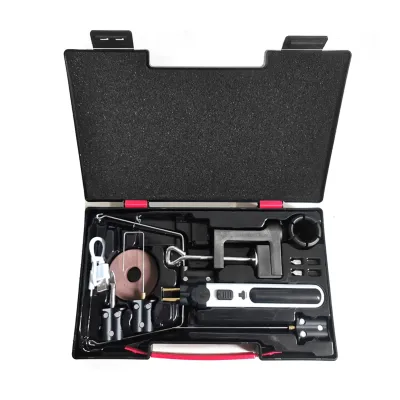
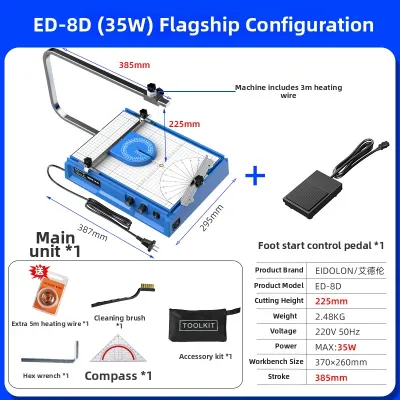
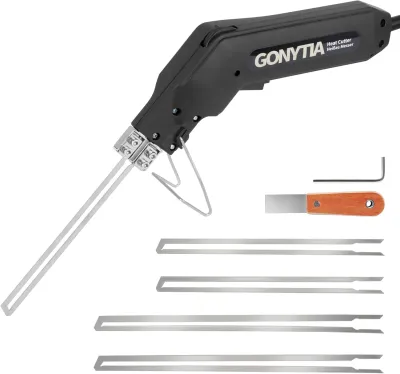
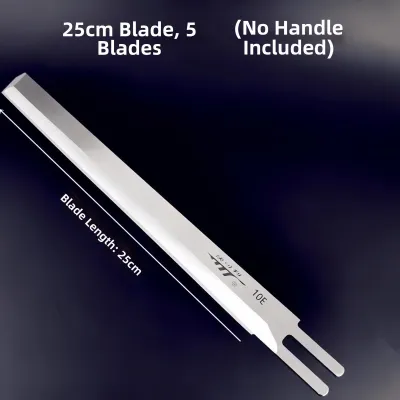
Prices are valid at publication and may change. Please refer to the product page for the latest price.
Key Safety Features to Look For in Child-Friendly Cutters
When evaluating a foam cutter for a primary school student, safety features must take precedence over cutting speed or heavy-duty performance. Parents and educators should verify several key design elements before introducing any tool to a child’s crafting workspace.
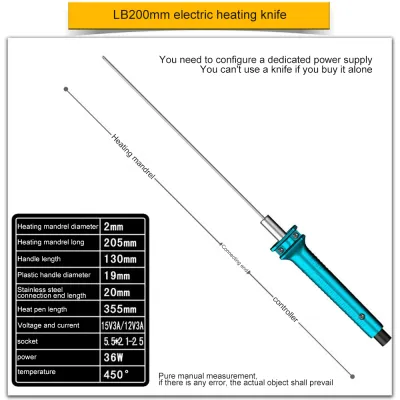
Temperature Controls If a project requires a heated tool, look for models with fixed low-temperature settings. These tools are often powered by standard AA batteries or a low-voltage USB connection (typically 5V), which inherently limits the maximum temperature of the heating element to around 100°C to 120°C. This is the minimum temperature required to melt expanded polystyrene, reducing the severity of accidental contact burns compared to high-wattage, mains-powered wall outlet units.
Auto-Shutoff and Heat Resistance Prioritize heated tools that feature a momentary power switch, such as a spring-loaded trigger or button that must be actively held down to heat the wire. The moment the child releases their grip, the power cuts off, allowing the wire to cool down rapidly. Additionally, check for double-walled, heat-resistant handles that remain cool to the touch during prolonged use, protecting delicate hands from thermal transfer.
Physical Guards and Retractable Blades For cold-cutting tools like craft knives, look for designs with spring-back retractable blades or enclosed blade cartridges where only a tiny fraction of the cutting edge is exposed. For heated wire cutters, search for models with protective guide bars or deep throat frames that keep the hot wire away from the user’s fingers and the tabletop surface.
Ergonomic Design Children’s hands are significantly smaller than adults’, making thick or heavy handles difficult to control. Choose tools with a handle diameter of approximately 2.5 to 3.5 cm, featuring textured rubber or non-slip plastic grips. An ergonomic grip prevents the hand from slipping forward toward the cutting element, especially when applying pressure to denser foam materials.
Best Types of Foam Cutters for School Craft Assignments
Different school projects utilize different types of foam, meaning a single tool may not be suitable for every assignment. Understanding the three primary categories of child-friendly foam cutters helps match the tool to the specific task and the child’s skill level.

Low-Temperature Hot Wire Cutters
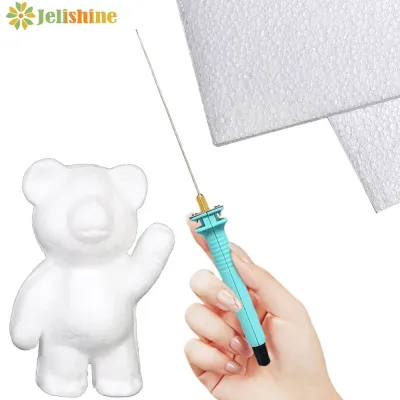
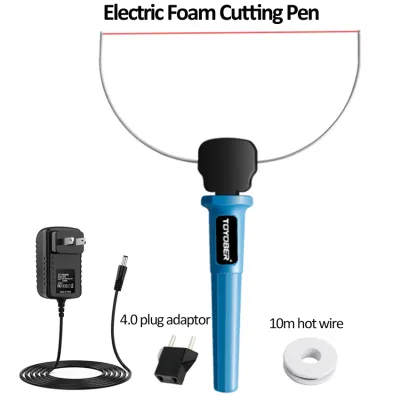
Low-temperature hot wire cutters are the premier choice for projects involving rigid expanded polystyrene, commonly known as Styrofoam. These tools feature a thin, taut resistance wire (usually made of nichrome) suspended across a bow or wand frame. As electricity passes through the wire, it heats up slightly, allowing it to glide through rigid foam like butter.
This melting action seals the edges of the foam as it cuts, completely eliminating the messy, static-charged white crumbs that typically cling to clothing and furniture. However, even a low-temperature wire can cause minor burns and melt synthetic clothing fibers. For this reason, hot wire cutters should only be used by older primary school students under direct adult supervision, and the workspace must be set up near an open window or balcony to allow any minimal fumes to disperse quickly.
To ensure compatibility with the project, check the throat depth and clearance of the hot wire bow. A bow with a 10 cm to 15 cm clearance is generally sufficient for most primary school science models, allowing the child to maneuver the foam block freely without hitting the frame.
Safety Craft Knives and Serrated Scissors
For thinner, flexible foam sheets, cold-cutting tools are the safest and most efficient choice. Safety craft knives equipped with ceramic blades are highly recommended for older children. Ceramic blades are engineered to slice through paper, cardboard, and craft foam easily, yet they are designed to resist cutting human skin due to a specialized grind angle.
Serrated safety scissors are another excellent option, particularly those featuring spring-loaded handles that automatically open after each squeeze. The micro-serrations along the metal or plastic blades grip the slippery surface of flexible foam sheets, preventing the material from folding or slipping between the blades. This ensures a clean, straight cut and reduces hand fatigue during long crafting sessions.
These cold-cutting tools completely eliminate the risks of burns and fumes, making them ideal for unsupervised classroom settings where teachers must monitor multiple students simultaneously. They also help younger primary school students build manual dexterity and hand-eye coordination safely.
Manual Foam Saws and Punch Tools
Manual foam saws are specialized mechanical tools designed for thicker, denser foams, such as floral foam blocks or semi-rigid insulation boards. These saws typically feature long, rigid plastic blades with fine, blunt serrations. They cut through foam using a physical sawing motion rather than a razor-sharp edge, making them incredibly safe for younger children.
For decorative crafts, foam punch tools are an excellent alternative to slicing. Similar to heavy-duty paper punches, these devices allow children to stamp out perfect geometric shapes, stars, or flowers from thin craft foam sheets with a single press of a lever. Punch tools remove the need for open blades or heated wires entirely, making them perfect for lower primary students (Primary 1 to Primary 3) working on collage or card-making assignments.
Before purchasing a manual saw or punch tool, verify the maximum material thickness it can accommodate. Most decorative foam punches are rated for sheets up to 2 mm thick, while manual plastic saws can handle blocks up to 50 mm thick.
Matching the Cutter to Common School Craft Materials
To prevent material damage, physical frustration, and safety hazards, it is essential to match the cutting tool to the specific type of foam specified in the school project guidelines.
EVA Foam (Soft and Flexible) EVA (ethylene-vinyl acetate) foam is highly popular for making colorful masks, puppets, and costume accessories due to its flexibility and vibrant colors. You should never use a hot wire cutter on EVA foam. The heat will cause the material to melt into a sticky, messy residue that ruins the cutting wire, and it will release highly irritating, pungent fumes. Instead, use safety scissors or a safety craft knife. Before starting, perform an observable trial cut on a scrap corner of the EVA sheet to verify that the blade slices cleanly without tearing the flexible edges.
Polystyrene/Styrofoam (Rigid and Crumbly) Often used for solar system models, geography landforms, and structural bases, rigid polystyrene is notorious for crumbling into tiny static beads when cut with standard scissors or household knives. A low-temperature hot wire cutter is the ideal tool for this medium, providing a perfectly smooth, sealed edge. If heated tools are not permitted, a fine-toothed manual plastic saw or a taut piece of unflavored dental floss can be used to slice straight lines through the block with minimal debris.
Craft Foam Sheets (Thin and Colorful) These thin sheets (typically 1 mm to 3 mm thick) are the staple of primary school art classrooms. Because they are so thin, they do not require heated tools or heavy-duty saws. Standard school safety scissors, decorative edge craft scissors, or specialized shape punchers are the most efficient and safest tools for the job, allowing children to work independently.
Essential Supervision and Safe Usage Practices
Regardless of the tool selected, establishing clear safety boundaries and workspace habits is crucial for preventing accidents during school craft projects.
First, continuous adult presence is mandatory whenever a heated tool or a tool with a metal blade is in use. Parents should manage the power source, ensuring the tool is only plugged in when actively needed and unplugged immediately when the child takes a break. Never leave a plugged-in hot wire cutter unattended, even for a moment.
Second, set up a stable, designated crafting zone. Work on a flat, non-cluttered table, and protect the surface with a thick silicone baking mat, a ceramic tile, or a heavy piece of corrugated cardboard. This prevents accidental heat damage or deep scratches to home furniture. Keep the workspace clear of flammable materials, such as paper scraps, tissues, or synthetic fabrics.
Third, establish proper storage and maintenance protocols. Always allow heated tools to cool down completely on a dedicated metal or heat-resistant stand for at least 15 minutes before handling or storing them. Keep spare parts, such as replacement nichrome wires or safety blade cartridges, locked away in a high cabinet out of reach of younger siblings.
Finally, parents must verify specific school guidelines before allowing a child to pack any cutting tool in their school bag. Many primary schools in Singapore have strict safety codes that prohibit students from bringing heated devices or open-blade craft knives onto campus. If the project must be assembled or finished in the classroom, complete all the cutting steps at home under parental supervision, or select cold-cutting safety scissors that comply fully with school regulations.
Frequently Asked Questions (FAQ)
Can a primary school child use a hot wire foam cutter without adult supervision?
No. Even low-temperature hot wire cutters reach temperatures capable of causing painful skin burns and melting synthetic clothing fibers. An adult must always manage the power connection, monitor the workspace for safety, and guide the cutting process to prevent accidental contact with the heated wire.
Are there non-toxic alternatives if the school bans hot wire cutters?
Yes. For rigid Styrofoam, you can use unflavored dental floss pulled taut between two hands to slice straight lines cleanly without heat or fumes. For detailed shapes, manual serrated plastic craft knives or specialized cold-cutting foam saws are excellent, highly compliant alternatives that produce zero fumes and meet strict school safety policies.
Community discussion
Share your experience or ask a question. Comments are reviewed before publication.