
Quick Answer: Which Bag Magnet Clip Should You Choose?
Selecting the right bag magnet clip depends on your project’s aesthetic goals, fabric weight, and structural needs. For a classic, visible hardware look on standard tote bags or casual pouches, a round magnetic closure is the most straightforward and reliable choice. If you are crafting a structured satchel or a bag with a wide flap, a rectangular magnetic closure provides the necessary alignment to prevent the corners from lifting. For premium, minimalist designs where you want zero visible metal on the exterior, a hidden (concealed) magnetic closure offers a seamless finish. Always verify the manufacturer’s pull force specifications and recommended fabric thickness before finalizing your purchase, as holding strength is determined by the magnet’s grade and size rather than its shape alone.
Understanding the Three Main Bag Magnet Clip Types
Before diving into the design considerations, it is essential to understand how these three common bag magnet clip styles differ in their physical form, visual presence, and basic installation methods.

Round Magnetic Closures
Round magnetic closures are the traditional standard in bag making. Visually, they present a classic, circular metallic face on the bag flap and body, serving as a functional design accent. These closures typically consist of two parts: a male and a female disc, each equipped with flat metal prongs on the back. To install them, you insert the prongs through small slits in your fabric, slide a metal washer over the prongs on the reverse side, and fold the prongs outward or inward to lock the piece in place. Some round variants are designed as sew-in snaps, which feature a perforated metal border for hand-stitching. They are highly suited for everyday canvas tote bags, casual crossbody bags, and small cosmetic pouches where visible hardware complements the overall style.
Products mentioned in this guide
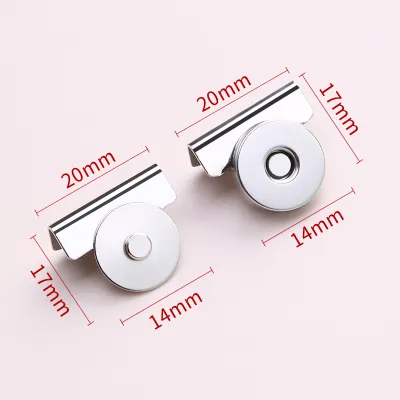
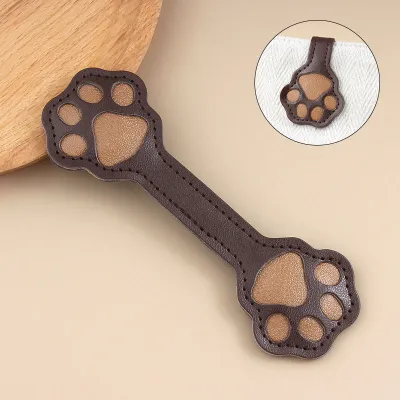
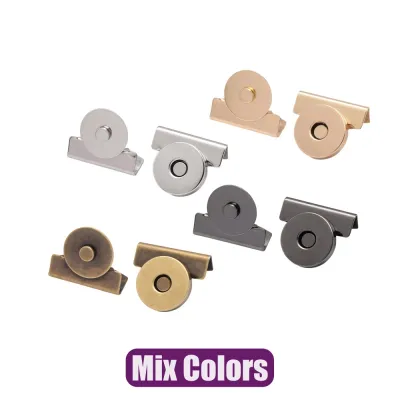
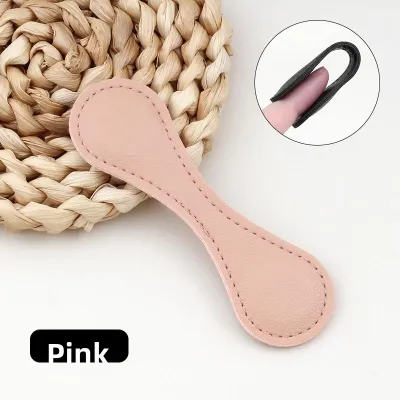
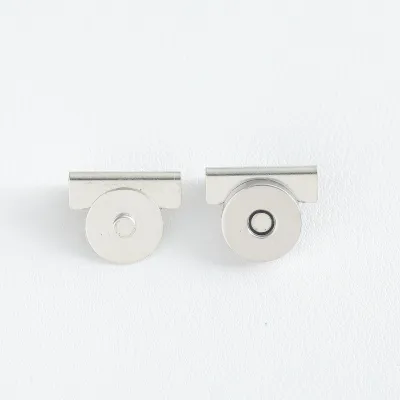
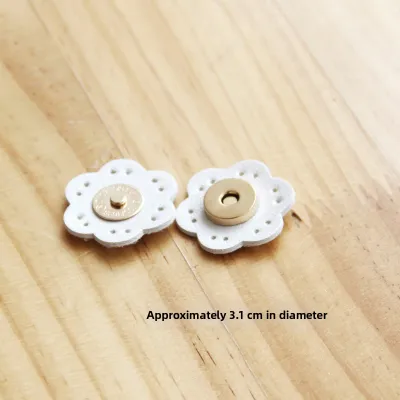
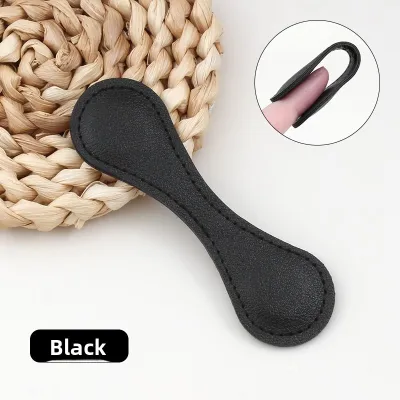
Prices are valid at publication and may change. Please refer to the product page for the latest price.
Rectangular Magnetic Closures
Rectangular magnetic closures offer a modern, geometric alternative to the classic round snap. Their elongated visual profile makes them a distinct design element, often adding a contemporary, structured look to a bag’s exterior. Because of their shape, installing rectangular clips requires precise alignment. They typically utilize two sets of parallel prongs on the back of each piece, requiring you to measure and cut matching slits carefully so the closure sits perfectly flush when snapped shut. This dual-prong setup provides excellent stability against twisting. These closures are ideal for wide bag flaps, messenger bags, and structured satchels where a single circular magnet might allow the outer edges of the flap to curl or gap, leaving the bag’s contents exposed.
Hidden (Concealed) Magnetic Closures
Hidden magnetic closures are designed to be completely invisible from the outside of the finished bag. They consist of powerful magnets enclosed in thin, sewable plastic sleeves or vinyl pockets. Instead of piercing the fabric with metal prongs, you sew these plastic envelopes directly onto the interfacing or lining layers before assembling the bag. This leaves the exterior fabric completely smooth and uninterrupted by hardware. Hidden closures are the preferred choice for high-end leather goods, minimalist clutches, and delicate silk evening bags. They are also highly practical for bags carrying sensitive items, as there is no exposed metal backing on the inside of the lining that could scratch phone screens, tablets, or delicate fabrics.
Key Comparison Dimensions for Your Bag Design
When deciding which bag magnet clip to integrate into your sewing project, evaluating several key design dimensions will ensure a professional and durable result.
Aesthetic Impact and Style Integration: Visible hardware like round or rectangular clips can act as a decorative focal point. Choosing a finish—such as antique brass, gunmetal, or rose gold—that matches your zippers and strap buckles creates a cohesive look. In Singapore’s humid climate, choosing high-quality, rust-resistant metal finishes for your visible clips is essential to prevent tarnishing over time. Conversely, if your design relies on clean lines, bold fabric prints, or a sleek minimalist aesthetic, a hidden magnet preserves the uninterrupted flow of the material. Whether you are designing a simple canvas tote or a structured leather handbag retailing for over S$200, choosing the right hardware finish elevates the entire project.
Alignment and Ease of Use: The shape of the closure directly influences how easily the bag snaps shut. Round magnets are highly forgiving; they naturally pull together from almost any angle, making them incredibly user-friendly for quick-access bags. Rectangular magnets require more deliberate alignment but offer a satisfying, secure snap once the parallel edges line up. Hidden magnets require the most precise placement during construction; if the internal pockets are misaligned by even a few millimeters, the magnetic pull drops significantly through the fabric layers.
Holding Strength Considerations: A common misconception is that rectangular or hidden magnets are inherently stronger than round ones. In reality, holding strength is determined by the magnet’s material grade (such as neodymium) and its physical thickness. When shopping for a bag magnet clip, always check the manufacturer’s stated pull force. Hidden magnets must fight through layers of fabric or leather, meaning you will need a higher-grade magnet to achieve the same closing security as an exposed metal-to-metal snap.
Fabric Stress and Tension Distribution: Every time a user pulls a magnetic closure open, tension is applied to the surrounding fabric. Round snaps concentrate this stress on a small, circular area, which can lead to fabric tearing if not properly reinforced. Rectangular snaps distribute the pulling force across a wider horizontal area, reducing localized strain. Hidden magnets, being sewn into a pocket, distribute the stress along the stitched seam rather than a single point of fabric pierced by metal prongs.
Decision Framework: Choosing the Right Closure
To help streamline your selection process, use this practical decision framework based on your project’s specific requirements:
- Choose a round clip if: You are sewing a standard tote, pouch, or casual backpack; you want a quick, straightforward installation process; and you prefer a classic, visible hardware look that coordinates with other metal findings.
- Choose a rectangular clip if: Your bag design features a wide, structured flap; you want to prevent the corners of the flap from lifting; and you want a modern, geometric hardware accent that adds visual weight to the front of the bag.
- Choose a hidden clip if: You are working on a premium, minimalist, or high-end leather project; you want a completely seamless exterior with zero visible hardware; or you are sewing a bag for delicate items where exposed metal backings could cause scratches.
Crucial Verification Step: Before making your final choice, verify your fabric compatibility. If you are using exceptionally heavy canvas, thick upholstery fabrics, or dense leather, standard prong lengths may not be long enough to bend securely over the washer. Conversely, if you are working with delicate silk, satin, or thin linen, you must plan for extra reinforcement layers or opt for a sew-in or hidden magnet to prevent the metal prongs from slicing through the delicate weave.
Installation and Fabric Compatibility Checks
Proper preparation and installation are critical to ensuring your bag magnet clip functions reliably without damaging your project over time. Follow these essential checks during your construction process:
Reinforcement is Non-Negotiable: Never install a pronged magnetic snap directly onto a single layer of fashion fabric. The repeated pulling action will inevitably cause the metal prongs to tear through the material. Always fuse a piece of heavy-duty interfacing (such as decovil or firm sew-in stabilizer) to the wrong side of the fabric where the snap will sit. For added security, place a small scrap of felt, dense fleece, or thin leather between the fabric and the metal washer before bending the prongs.
Check Your Thickness Limits: Before cutting slits for your prongs, compress your fabric layers (outer fabric, interfacing, and lining if applicable) between your fingers. Compare this compressed thickness to the length of the prongs on your bag magnet clip. The prongs must extend far enough past the washer to fold down completely flat. If the prongs are too short, they will eventually work themselves loose; if they are too long, they may create an unsightly bulge in your lining.
Secure Hidden Magnets Against Migration: When installing hidden magnets, the pocket holding the magnet must be stitched tightly around the perimeter of the magnet disc. If the pocket is too loose, the magnet can flip, rotate, or migrate away from its matching partner inside the bag. This rotation can cause the magnetic poles to repel rather than attract, rendering the closure useless. Use a zipper foot on your sewing machine to stitch as close to the magnet as possible.
Always Perform a Scrap Test: Before cutting into your carefully prepped bag panels, replicate the exact fabric sandwich on a scrap piece of material. Install the magnetic clip, let it snap closed, and pull it apart repeatedly. This test allows you to observe how the fabric behaves under tension, verify if the magnet strength is appropriate for the fabric weight, and ensure your prong installation is secure.
Frequently Asked Questions (FAQ)
Can I use a bag magnet clip on very thin or delicate fabric?
Using standard pronged magnetic clips on very thin or delicate fabrics like silk, satin, or lightweight linen carries a high risk of tearing. The physical stress of pulling the magnet apart can easily rip the delicate weave around the prong slits. To use a magnetic closure safely on these materials, you should avoid pronged snaps entirely. Instead, use a sew-in magnetic snap that can be stitched directly to a hidden reinforcement patch of sturdy cotton fabric on the inside of the lining. Alternatively, a hidden magnet enclosed in a lightweight vinyl pocket can be sewn into an internal lining seam, keeping the delicate outer fabric completely free from stress and hardware.
How do I prevent the magnetic closure from pulling off my leather bag?
To prevent a magnetic closure from pulling out of a leather or faux leather bag, you must distribute the tension across a larger surface area. Always use the metal backing plates or washers provided with the clip. For maximum security, cut a small reinforcement patch of stiff leather or heavy-duty stabilizer that is slightly larger than the washer, and sandwich it between the bag leather and the metal washer. Applying a thin layer of leather-safe contact cement behind this reinforcement patch adds an extra layer of structural support. When securing the prongs, use a flat-nosed tool to bend them outward and press them completely flat against the washer, ensuring there is no wiggle room that could stretch the leather over time.
Community discussion
Share your experience or ask a question. Comments are reviewed before publication.