
Choosing the right notebook paper is the foundation of a satisfying writing or drawing experience. Rosy Posy notebooks offer a variety of paper weights, surface finishes, and textures designed to accommodate different creative needs. Whether you are sketching with graphite, writing daily entries with a gel pen, or practicing calligraphy with a fountain pen, selecting the correct paper variant ensures your tools perform at their best.
The ideal paper variant for your desk depends entirely on your primary writing instrument and how you intend to use the notebook. A heavy fountain pen ink requires a different paper structure than a hard graphite pencil, making it essential to match the paper’s specifications to your medium.
As a quick guide, if you primarily use standard ballpoint or gel pens for rapid daily journaling, a lighter, smoother paper variant will offer the speed and portability you need. For wet inks, markers, or light sketching, transitioning to a heavier paper weight with a more structured finish will prevent common issues like ink feathering and page warping.
Products mentioned in this guide
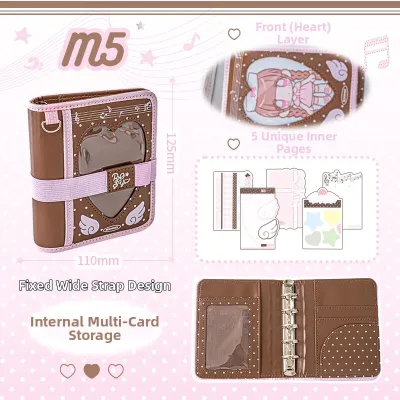
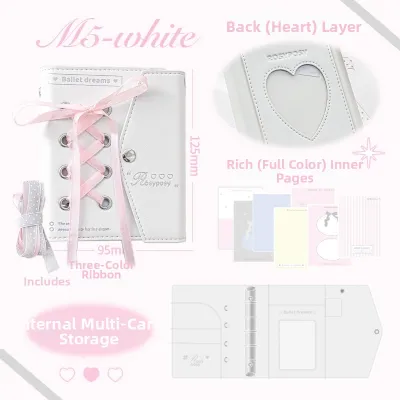
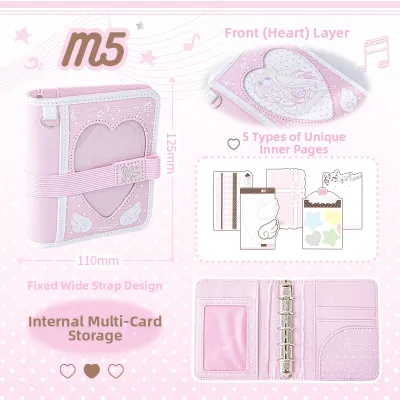
Prices are valid at publication and may change. Please refer to the product page for the latest price.
Understanding Paper Specifications and Labels
To make an informed choice among the various notebook options, you must first understand how to read and interpret standard paper specifications. The most common metric you will encounter on product labels is GSM, which stands for grams per square meter. This measurement indicates the weight and density of the paper, serving as a reliable baseline for evaluating how opaque and sturdy each sheet will be under pressure.
While a higher GSM generally points to a thicker sheet that resists ink bleed-through, it is not the sole factor in paper performance. The surface finish of the paper plays an equally critical role in how your writing instrument behaves. Common finishes range from ultra-smooth surfaces that allow pens to glide effortlessly, to vellum or textured finishes that provide a tactile grip.
These surface characteristics directly influence ink drying times and how well a pencil can deposit graphite onto the page. A very smooth finish may cause wet inks to pool and dry slowly, whereas a textured surface offers the friction needed for precise pencil control.
It is important to remember that actual performance is highly subjective and depends on the specific combination of ink, nib size, and writing pressure you use. Rather than relying entirely on marketing terms like “premium” or “ink-proof,” learning to read the technical specifications on the packaging allows you to predict how the paper will handle your favorite tools.
Comparing Paper Weights for Different Ink Types
Selecting the right paper weight is the most effective way to manage how ink behaves on the reverse side of your pages. Standard notebook paper typically ranges from 70 GSM to 80 GSM, which is highly suitable for everyday writing tasks. If your daily routine involves quick note-taking with standard ballpoint pens, fine-liner gel pens, or light graphite pencils, these lighter weights offer a slim profile that keeps your notebook lightweight and highly portable.

However, lighter paper weights are more susceptible to “ghosting”—where the shadow of your writing is visible on the back of the page—and actual bleed-through when exposed to wet inks. If you prefer using fountain pens, liquid ink rollers, or water-based markers, you will benefit significantly from choosing a heavier paper variant, typically 100 GSM or higher.
The extra density of a 100+ GSM sheet provides the physical barrier needed to absorb wet media without allowing the ink to penetrate through to the next page. This is particularly important for those who enjoy creative journaling, where layering different pens and light highlighters is common.
When shopping for a new notebook, always verify the manufacturer’s stated GSM on the product packaging or official online store listings. Visual thickness can sometimes be misleading due to different paper manufacturing processes, so relying on the official GSM rating is the most accurate way to ensure the paper can handle the wetness and pressure of your preferred writing instruments.
Evaluating Surface Finishes and Textures
The tactile feedback of your pen or pencil against the page is determined almost entirely by the paper’s surface finish and texture. Smooth finishes are designed to minimize friction, allowing fine-tipped pens and fountain pens to glide across the surface without catching. This low-friction environment is ideal for fast, cursive writing and helps protect delicate felt-tip pens or fine fountain pen nibs from wearing down prematurely.
On the other hand, textured or “toothy” finishes are engineered to provide resistance. This texture is essential for dry media like graphite, colored pencils, and charcoal, as the physical “tooth” of the paper scrapes the material off the pencil core and holds it in place. If you use a notebook for sketching, a textured surface allows for a wider range of shading and tonal depth that smooth paper simply cannot support.
Choosing between these finishes involves a clear trade-off that every writer and artist must consider. Smooth surfaces, while excellent for effortless writing, often result in longer ink drying times because the ink sits on top of the paper rather than absorbing quickly. This can lead to accidental smudging, especially for left-handed writers.
Conversely, highly textured surfaces can cause fine pen nibs to snag or feel scratchy, and they may cause ink lines to appear slightly fuzzy or feathered. Understanding these physical dynamics helps you select a finish that complements your writing speed and artistic technique.
Matching Paper Variants to Your Primary Use Case
To simplify your decision, it helps to align the physical characteristics of notebook paper with your primary stationery activities. Each creative task demands a specific balance of weight and texture to deliver the best results.
For journaling and daily notes, portability and ease of use are usually the top priorities. If your routine consists of writing quick lists, scheduling, or drafting thoughts with standard gel pens, a notebook featuring a standard weight (around 80 GSM) and a smooth finish is the ideal choice. This combination keeps the notebook slim enough to carry in a bag around Singapore’s busy transit systems while providing a comfortable, fast-writing surface.
For fountain pen writing, the priority shifts to ink control and preventing feathering. You should focus on variants that offer a higher GSM, ideally 100 GSM or above, combined with a smooth, well-sized surface finish. This ensures that the wet ink pools slightly to show off its shading or sheen properties without bleeding through the page or spreading outward into fuzzy lines.
For sketching and mixed media, physical durability is paramount. Look for a notebook variant with a pronounced tooth and a heavy weight (100+ GSM) that can withstand repeated erasing, layering of dry media, and light water-based highlights. The textured surface will hold your graphite or colored pencil beautifully, while the heavy weight prevents the paper from tearing or buckling under pressure.
To help you decide quickly, consider these simple decision paths:
- Choose a lighter, smooth variant (70-80 GSM) if you prioritize a slim, portable notebook for rapid daily writing with ballpoint or gel pens.
- Choose a heavier, smooth variant (100+ GSM) if you primarily write with fountain pens, heavy gel pens, or liquid ink rollers and want to eliminate ghosting.
- Choose a heavier, textured variant (100+ GSM with tooth) if your primary goal is sketching, drawing, or using a mix of dry media and light markers.
How to Verify Paper Compatibility Before Buying
Because paper performance is highly dependent on your specific tools, taking a few steps to verify compatibility before fully committing to a notebook can save you time and disappointment. Start by carefully checking the product packaging or official online store listings for explicit details regarding GSM, surface finish, and any recommended media compatibility.
Once you have the notebook in hand, the most reliable way to test its performance is to conduct a localized swatch test. Turn to a blank page at the very back of the notebook and apply small samples of your favorite pens, highlighters, and inks. Write a few words, draw a solid block of color, and observe how the paper responds.
Pay close attention to how quickly the ink dries, whether the lines begin to feather or spread, and if there is any visible ghosting or bleed-through on the reverse side of the page. This simple test provides immediate, personalized proof of how your specific pen and ink combination will behave throughout the rest of the notebook.
If you plan to use more demanding media, such as alcohol-based markers or heavy watercolors, always consult the manufacturer’s care or usage guidelines. Standard notebook paper is rarely designed for highly saturated wet media, and checking these guidelines beforehand will help you avoid damaging your pages.
Frequently Asked Questions (FAQ)
Does higher GSM always guarantee no bleed-through with fountain pens?
No, a higher GSM alone does not guarantee that paper will resist bleed-through from fountain pens. While weight increases opacity and slows down ink penetration, the paper’s surface sizing and coating are what actually prevent wet ink from soaking into the fibers. For the best fountain pen experience, look for paper that explicitly mentions fountain pen compatibility or perform a small test on a back page before writing.
Can I use watercolors on standard notebook paper?
Using watercolors on standard notebook paper is generally not recommended. Standard paper lacks the thickness and specialized sizing required to handle wet brush techniques, which will likely cause the pages to warp, pill, or bleed through to multiple sheets. If you wish to use wet media, look for notebooks specifically designated for mixed media or watercolor use.

Community discussion
Share your experience or ask a question. Comments are reviewed before publication.