
Selecting the ideal Cristiano Ronaldo keychain requires balancing the physical demands of its environment against the level of visual detail you want to preserve. For everyday carry, where keys are subjected to constant friction, impact, and moisture inside pockets or bags, highly resilient materials like die-cast metal, soft silicone, or flexible PVC are necessary to prevent premature wear. Conversely, if your goal is to showcase the intricate details of a specific jersey, a signature celebration pose, or high-resolution portrait photography, acrylic and resin offer the optical clarity required for a dedicated display shelf or collector’s case. Understanding these material behaviors ensures your tribute to the football icon remains intact, whether it is traveling with you daily or serving as a pristine centerpiece in your collection.
Defining Your Primary Use: Everyday Carry vs. Collectible Display
Before purchasing a Ronaldo keychain, you must determine where the item will spend most of its time. Everyday carry (EDC) items face a harsh environment. When attached to a house or car key ring, the keychain constantly collides with metal key blades, coins, and the interior surfaces of bags or pockets. This continuous mechanical friction can quickly abrade printed graphics, chip paint, and scratch polished surfaces. Furthermore, exposure to humidity, sweat from hands, and accidental drops onto concrete can compromise structural integrity. For an EDC keychain, structural durability, impact resistance, and secure hardware are the primary requirements.
Display pieces, on the other hand, prioritize aesthetic preservation and visual fidelity. When placed on a shelf, inside a glass cabinet, or hung on a display board, the keychain is shielded from physical impacts but remains vulnerable to environmental factors. Ultraviolet (UV) radiation from nearby windows can fade vibrant team colors—such as the iconic red of Manchester United, the white of Real Madrid, or the black and gold of Al Nassr—and cause transparent plastics to turn yellow. Dust accumulation can also dull the finish over time, requiring periodic cleaning that could scratch delicate surfaces if performed incorrectly.
Products mentioned in this guide
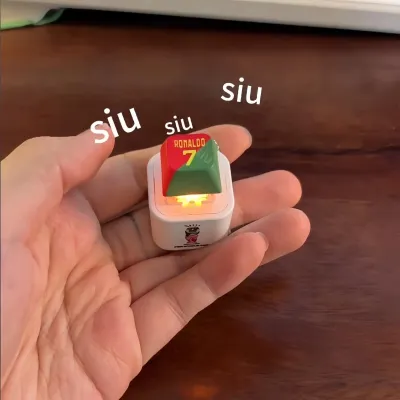
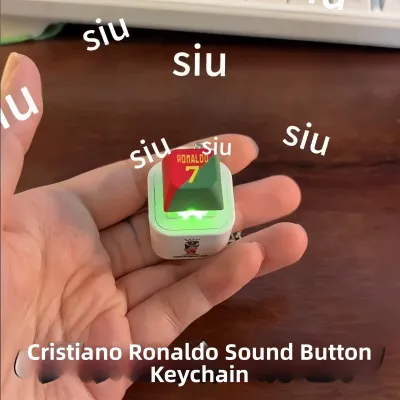
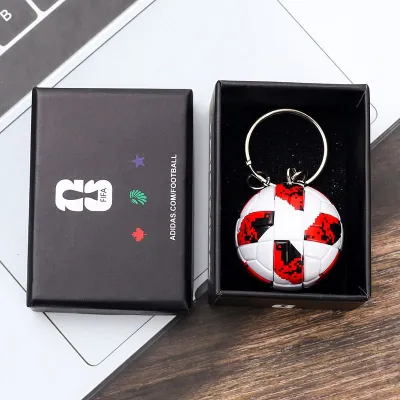

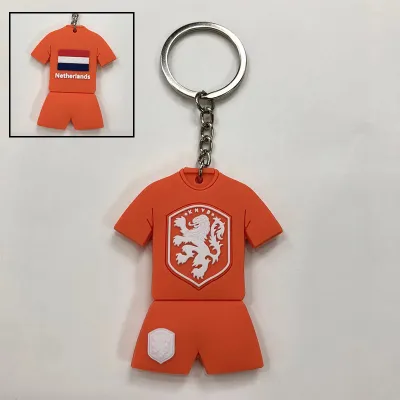
Prices are valid at publication and may change. Please refer to the product page for the latest price.
While a dual-purpose approach might seem appealing, using a highly detailed collectible as a daily key companion often leads to rapid deterioration. A fine acrylic portrait or a delicate painted enamel piece can lose its visual appeal within weeks of pocket wear. For most collectors, the most practical solution is to purchase separate items: a rugged, flexible silicone or heavy-duty metal keychain for daily utility, and a high-fidelity acrylic or limited-edition metal piece reserved exclusively for static display.
Evaluating Common Ronaldo Keychain Materials
Different manufacturing materials offer distinct physical properties that dictate how well they handle wear, weight, and visual reproduction. Evaluating these characteristics before buying helps prevent common disappointments, such as shattered plastic or faded graphics.

Scratch resistance is a critical differentiator. Hard, brittle materials like acrylic look excellent when new but scratch easily when in contact with metal keys, leaving a cloudy finish that obscures the underlying artwork. Soft materials like silicone do not scratch in the traditional sense, but they can attract lint and dust. Weight is another factor; a heavy metal keychain adds noticeable bulk to your pocket, which might be uncomfortable during a daily commute, whereas lightweight PVC or acrylic is barely noticeable.
Visual accuracy also varies significantly across materials. If you want a highly detailed reproduction of Ronaldo’s face, a printed acrylic keychain provides photographic resolution. If you prefer a stylized, three-dimensional representation of his famous \”Siu\” celebration, molded PVC or die-cast metal offers the necessary depth and texture. Balancing these trade-offs is key to selecting a piece that satisfies both your aesthetic preferences and durability requirements.
Metal and Enamel: Durability for Daily Use
Metal keychains, particularly those featuring soft or hard enamel fills, are the traditional choice for high-friction environments. Typically constructed from zinc alloy or iron, these pieces offer excellent structural strength and a premium, substantial weight in the hand.
However, metal is not entirely immune to wear. When carried daily, the protective plating—whether gold, silver, or black nickel—can gradually wear away at the contact points, exposing the base metal beneath. Enamel paint, while durable, can chip if the keychain is dropped onto hard surfaces or repeatedly struck by heavy brass keys. Hard enamel generally offers a flatter, more scratch-resistant surface than soft enamel, making it the preferred choice for pocket carry.
Another consideration is the potential for a heavy metal keychain to scratch other items in your pocket. If you carry your keys in the same compartment as your smartphone or a plastic car fob, the hard edges of a metal Ronaldo silhouette can easily leave deep gouges. From an aesthetic standpoint, metal casting is excellent for bold, graphic designs, such as club crests, jersey numbers, or stylized silhouettes, but it cannot match the photographic detail of printed materials.
Acrylic and Resin: Visual Fidelity for Display
Acrylic and resin keychains are highly popular among fans due to their exceptional clarity and ability to showcase vibrant, full-color prints. These materials allow manufacturers to sandwich high-resolution photos of Ronaldo between protective plastic layers, preserving the fine details of his facial features and jersey sponsors.
The primary drawback of acrylic is its susceptibility to physical damage. Acrylic is a brittle polymer; a drop onto a tile floor can cause the edges to chip or the entire charm to crack, especially around the attachment hole. Over time, the friction of daily carry will cover the surface with micro-scratches, turning a once-crystal-clear portrait into a dull, hazy image.
Additionally, prolonged exposure to sunlight poses a significant threat to acrylic and resin. UV rays break down the polymer chains, leading to a distinct yellow tint and making the material even more brittle. For display purposes, however, these materials are unmatched. When kept indoors away from direct sunlight, an acrylic keychain can maintain its brilliant colors and sharp details indefinitely, making it an excellent addition to a desk or shelf collection.
Silicone and PVC: Lightweight and Flexible Options
Silicone and polyvinyl chloride (PVC) keychains offer a flexible, lightweight alternative that bridges the gap between durability and visual appeal. These materials are molded into three-dimensional or two-dimensional designs, resulting in a soft, rubbery texture that is highly resistant to impacts.
One of the greatest advantages of silicone and PVC is their resilience. They do not crack when dropped, do not scratch other items in your pocket, and can bend without breaking. This flexibility makes them incredibly comfortable to carry in tight pockets. The molded designs often feature raised lines and recessed areas, giving the keychain a tactile quality that highlights stylized cartoon versions of Ronaldo or bold text designs.
However, these soft materials have their own maintenance challenges. The textured surfaces tend to attract dirt, pocket lint, and oils from your hands, which can settle into the crevices and make the keychain look dingy over time. Furthermore, low-quality PVC can sometimes suffer from color migration if left in contact with light-colored fabrics or leather goods in a warm environment, potentially leaving stains on your pockets or bags.
Hardware and Attachment Checks for Longevity
While much attention is paid to the material of the charm itself, the hardware connecting the charm to your keys is often the first point of failure. A high-quality charm is of little use if a weak ring stretches open, causing you to lose the keychain entirely.
When evaluating a Ronaldo keychain, inspect the split ring—the main metal ring that holds your keys. Look for a flat-profile split ring made of tempered steel or stainless steel. These materials resist stretching and return to their original shape after you slide a key onto them. Avoid thin, soft wire rings that easily deform under tension.
Next, examine the connection between the split ring and the charm. This is usually a small jump ring or a lobster clasp. A soldered jump ring, where the seam is welded shut, is significantly more secure than an open jump ring, which can easily pull open under a moderate tug. If the keychain uses a lobster clasp, test the spring mechanism to ensure it snaps shut tightly without any side-to-side play.
Finally, check the attachment point on the charm itself. For acrylic keychains, the hole should be drilled with smooth edges and positioned far enough from the border to prevent the plastic from snapping under stress. For silicone or PVC keychains, the molded loop should be thick and reinforced, as thin rubber loops can easily tear over time if pulled repeatedly.
Care and Maintenance by Material Type
To maximize the lifespan of your Ronaldo keychain, you should tailor your cleaning and storage routines to its specific material composition. Proper care prevents premature fading, discoloration, and structural failure.
For metal and enamel keychains, clean them periodically using a soft microfiber cloth slightly dampened with water and a drop of mild dish soap. Avoid abrasive cleaners or scrubbing pads, which can scratch the plating. Dry the metal thoroughly immediately after cleaning to prevent rust, especially in humid climates. If you notice the metal starting to tarnish, a specialized metal polishing cloth can restore the shine, but use it gently to avoid wearing down the thin plating.
Acrylic keychains require extra care to avoid scratching. Never use paper towels or tissues to clean acrylic, as the wood fibers can leave fine scratches on the surface. Instead, use a clean, dry microfiber cloth to gently wipe away dust and fingerprints. If the acrylic is dirty, wash it with lukewarm water and mild soap, then air dry or pat gently with a microfiber cloth. Keep display pieces out of direct sunlight and away from high-heat sources to prevent yellowing and warping.
Silicone and PVC keychains are the easiest to clean. You can wash them directly under running water with mild soap, using a soft-bristled toothbrush to gently scrub away dirt and lint from the recessed areas of the molded design. Shake off excess water and let them air dry completely before reattaching them to your keys. If you notice signs of irreversible wear—such as deep cracks in an acrylic charm, a torn attachment loop on a silicone piece, or heavy rust on the metal hardware—it is best to retire the item from daily carry to prevent losing it.
Frequently Asked Questions (FAQ)
Can I use an acrylic Ronaldo keychain for my car keys?
Using an acrylic Ronaldo keychain on a heavy car key bundle is generally not recommended for daily use. The constant vibration of the vehicle, combined with the weight of other keys pressing against the brittle acrylic, creates a high-risk environment for cracking and deep scratching. If you want to carry an acrylic design, consider attaching it to a separate, dedicated zipper pull on your backpack or gym bag rather than your ignition keys. This keeps the visual portrait visible while isolating it from the heavy impact of metal key rings. Alternatively, you can slide the acrylic charm into a clear, soft plastic protective sleeve to shield the surface from direct friction.
How do I verify if a Ronaldo keychain is officially licensed?
To verify the authenticity of a Ronaldo keychain, start by inspecting the packaging and the product itself for official licensing markers. Licensed merchandise from major clubs or official player brands typically features a high-quality holographic sticker with a unique serial number, crisp printing of official logos, and clear copyright text on the back of the packaging. Official licensed keychains in Singapore typically retail from S$10 to S$25, so be wary of listings priced significantly lower. Be cautious of blurry graphics, misspelled names, or distorted club crests, which are common indicators of unofficial reproductions. When purchasing online, buy directly from official club webstores, authorized sports retailers, or verified brand outlets rather than unverified third-party sellers on general online marketplaces.
Community discussion
Share your experience or ask a question. Comments are reviewed before publication.