
Quick Guide to Starting Your Quilting Tool Collection
Selecting reliable quilting tools is the most critical first step for any beginner entering the craft of patchwork and quilting. In quilting, reliability does not mean purchasing the most expensive premium brand on the market; instead, it refers to tools that deliver consistent accuracy, physical safety, and predictable performance. For a beginner, a reliable tool is one that minimizes fabric waste, reduces hand strain, and prevents accidents during the cutting and sewing process.
While specific premium brands exist, beginners should prioritize core tool categories—specifically cutting, measuring, and pressing tools—and verify build quality and ergonomic design over chasing brand names alone. A reliable starter kit is built by matching the right tool tier to the specific task, ensuring that high-precision tasks are supported by durable equipment, while simpler tasks can be managed with more economical options. By focusing on essential quality indicators rather than marketing labels, you can assemble a highly functional collection that supports your learning journey without unnecessary expense.
Essential Quilting Tools to Prioritize First
Rotary Cutters and Cutting Mats
Rotary cutters and cutting mats are the absolute highest priority for brand-level reliability because they directly impact both your physical safety and the precision of your fabric pieces. A rotary cutter operates on a rolling circular blade that slices through multiple layers of fabric simultaneously, requiring a completely smooth, controlled motion. Reliable, established brands design cutter handles with integrated weight distribution and safety guards that minimize the risk of accidental slips or deep cuts.
Products mentioned in this guide
Prices are valid at publication and may change. Please refer to the product page for the latest price.

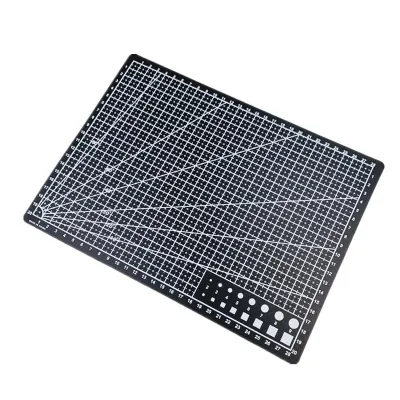
Pairing a high-quality cutter with a dedicated self-healing cutting mat is essential to protect your work surface and prolong the life of your blades. Self-healing mats are manufactured with specialized surface compounds that allow the rotary blade to pass between the material fibers without leaving permanent cuts or grooves. Lower-quality mats often scar easily, creating deep ridges that catch the blade during subsequent cuts, which leads to jagged fabric edges, skipped threads, and premature blade dulling.
Quilting Rulers
Quilting rulers are crucial for accurate measurements, grid alignment, and guiding your rotary cutter safely. These rulers are typically manufactured from heavy-duty, thick acrylic (usually 3mm thick) to provide a physical barrier that prevents the rotary blade from jumping over the ruler edge and injuring your hand. Standard stationery rulers are too thin and flexible for this task, making them highly dangerous when used with a rolling blade.
When evaluating rulers, the quality of the printed grid lines is paramount. Reliable brands use high-contrast, double-printed markings (often in two colors, such as black and neon yellow) that remain highly visible against both light and dark fabrics. The markings must be chemically bonded or laser-etched onto the acrylic to prevent peeling, chipping, or fading after repeated contact with fabric fibers and rotary blades.
Marking Tools and Pins
Marking tools and pins fall into a medium-priority category where fabric compatibility and visibility are far more important than brand prestige. Marking tools are used to trace quilting lines, alignment points, and seam allowances directly onto the fabric surface. Because different fabric fibers, finishes, and dyes react uniquely to heat, water, and chemical pigments, erasability and bleed resistance depend entirely on the exact material combination.
Always check the marking tool’s label and your fabric manufacturer’s care instructions before application. It is vital to test the marking tool on a hidden scrap piece of your specific fabric to verify that the lines can be fully removed. If the instructions on the tool label conflict with the fabric care guide, or if the fabric composition is unknown, stop and consult a professional textile care specialist or the manufacturer before proceeding.
Irons and Pressing Surfaces
Pressing is a fundamental step in quilting that differs significantly from standard garment ironing; it involves lifting and placing the iron flat onto the seams to settle the stitches without stretching or distorting the fabric. A reliable iron must offer stable temperature control, consistent steam distribution, and a completely smooth soleplate that does not snag delicate threads. Specialized quilting-branded irons are available, but a standard household iron with accurate heat settings is perfectly adequate for a beginner.
Before pressing any fabric, always check the fabric care label to determine the appropriate heat and steam settings. Synthetic fabrics or delicate blends can melt or scorch easily under high heat, while heavy cottons require sufficient heat to flatten bulky seam allowances. Utilizing a firm, flat pressing surface—such as a dedicated wool pressing mat or a well-padded ironing board—ensures that heat is reflected evenly through the fabric, resulting in crisp, flat seams.
How to Evaluate Quilting Tool Brands for Durability and Ease of Use
Material and Build Quality
Evaluating the material composition of quilting tools is the most reliable way to assess their durability before making a purchase. High-quality rotary blades are typically manufactured from high-carbon steel, SKS-7 tungsten alloy, or titanium-coated steel, which retain their razor-sharp edge significantly longer than standard carbon steel. When examining product descriptions, look for these specific material designations to ensure you are investing in blades that will not nick or dull after a single project.
For cutting mats, check the product specifications for thickness and construction layers. A durable self-healing mat should feature a multi-layer design, usually consisting of a hard inner core sandwiched between two softer, self-healing outer layers. This construction prevents the mat from warping over time and ensures that cuts close up cleanly, maintaining a smooth surface for years of continuous use.
Ergonomics and Safety Features
Because quilting involves repetitive cutting and pinning motions, ergonomic design and safety features are essential for preventing hand fatigue and physical injury. When choosing a rotary cutter, look for handles designed to fit the natural contour of your hand, which reduces the grip force required to make a clean cut. Ambidextrous designs or cutters with easily flippable blades are highly beneficial, allowing both left- and right-handed users to maintain a clear line of sight during cutting.
Safety features should be prominent and easy to operate. Look for rotary cutters equipped with automatic blade retraction mechanisms that pull the blade back into the safety guard the moment you release the handle grip. Dual-action safety locks, which allow you to lock the blade in either the fully retracted or fully extended position, provide an extra layer of security when the tool is stored or in active use.
Replacement Parts Availability
A tool is only as reliable as its ongoing support, making the availability of replacement parts a key consideration when researching brands. Rotary blades are consumable items that must be replaced regularly to maintain clean cuts and prevent fabric damage. Brands that offer standardized blade sizes (such as 28mm, 45mm, or 60mm) ensure that you can easily source replacement blades at local shops or online marketplaces without needing to replace the entire cutter handle.
Similarly, check if the brand offers replacement parts for cutter handles, such as spare locking nuts, washers, or safety guards. Rulers can also be enhanced with brand-specific accessories, such as adhesive non-slip rings, replacement handle grips, or specialized cleaning solutions. Choosing a brand with a robust ecosystem of replacement parts ensures your initial investment remains functional for the long term.
Warranty and Customer Support Indicators
Reputable quilting tool manufacturers demonstrate confidence in their products by offering clear warranties against manufacturing defects. Before purchasing, review the brand’s official website or product packaging for explicit warranty terms, contact details, and customer service channels. A manufacturer that provides a clear process for handling defects, returns, or product inquiries is far more reliable than an unbranded seller with no traceable contact information.
Be cautious of brands that do not provide clear product instructions or safety warnings on their packaging. Reliable brands include detailed guides on how to safely change blades, clean mats, and store rulers. Accessible customer support, active online communities, and clear manufacturer documentation are excellent indicators that a brand stands behind its products and will support you if any issues arise.
Established Brand Categories to Research for Your First Kit
Specialist Sewing and Quilting Brands
Specialist sewing and quilting brands dedicate their research and development specifically to the needs of needlecrafters, making them excellent starting points for your research. These brands focus heavily on specialized ergonomics, highly precise ruler grids calibrated to standard quilting measurements, and fabric-specific engineering. Their products are designed to work systematically together, offering a seamless experience from cutting to piecing.
When evaluating specialist brands, always verify the product labels carefully to ensure compatibility with your planned projects. Check whether the rulers utilize metric (centimeters) or imperial (inches) measurements, as the vast majority of international quilting patterns are designed around imperial dimensions. Additionally, look for specific fabric-weight compatibility indicators on tools like pins and needles to ensure they are suitable for standard quilting cottons.
General Craft and Household Brands
General craft, stationery, and household brands offer a wide range of tools that are highly compatible with beginner quilting projects. These brands are excellent sources for basic household irons, standard sewing pins, fabric shears, and general craft scissors. Utilizing these general-purpose tools for non-specialized tasks is a highly effective way to manage your budget when first starting out.
However, it is important to understand when to avoid general craft brands in favor of specialized quilting tools. Standard utility knives, non-self-healing craft mats, and thin plastic stationery rulers should never be used for rotary cutting fabric. These items lack the thickness, safety guards, and material properties required to handle extremely sharp rotary blades safely, posing significant risks of tool damage and personal injury.
Entry-Level and Unbranded Options
Entry-level and unbranded quilting kits are widely available on various online marketplaces and ecommerce platforms, offering an affordable entry point for budget-conscious beginners. While these kits can be highly tempting, they require a cautious and systematic approach to verification. Simple, low-risk accessories such as plastic binding clips, pin cushions, magnetic pin bowls, and basic safety pins are perfectly safe to purchase from unbranded sources.
For high-risk tools like rotary cutters, blades, and acrylic rulers, it is highly recommended to stick to established, branded options. Unbranded rotary cutters often suffer from poor safety latch construction, loose blade fittings, and low-grade steel blades that dull or nick rapidly. Similarly, unbranded rulers may feature inaccurate grid lines or thin acrylic that can warp or crack under pressure, compromising both your safety and the precision of your work.
Buying and Verifying Quilting Tools in Singapore
Navigating Local Craft Stores vs. Online Marketplaces
Sourcing quilting tools in Singapore involves balancing the convenience of online marketplaces with the tactile assurance of local physical stores. Visiting a physical craft store allows you to handle the tools directly, giving you the opportunity to test the weight of a rotary cutter, feel the grip of a ruler, and assess the visibility of grid lines against actual fabric. Physical stores also provide immediate access to knowledgeable staff who can offer guidance on tool compatibility.
When purchasing tools from online marketplaces, extra vigilance is required to ensure authenticity and avoid counterfeit products. Look for official brand storefronts or authorized local distributors, and carefully read customer reviews regarding packaging quality and product performance. Verify the seller’s return and exchange policies before completing your purchase, ensuring you can return any tool that arrives damaged, warped, or defective.
Verifying Cutting Mat Materials
Singapore’s tropical climate, characterized by high temperatures and elevated relative humidity, can severely impact low-quality PVC cutting mats. Cheap, single-layer PVC mats are highly susceptible to warping, cracking, and emitting strong, unpleasant chemical odors when exposed to local ambient heat and humidity. These warped surfaces make accurate cutting impossible and can cause your rotary cutter to slip during use.
To verify cutting mat materials, look for multi-layer, odor-free, self-healing mats manufactured from high-quality polyolefin or premium composite materials. When shopping in person, check that the mat lies completely flat without any bowing or curling at the edges, and ensure there is no strong chemical smell. If purchasing online, look for product descriptions that explicitly state warp-resistance and heat-tolerance specifications suitable for tropical environments.
Checking Ruler and Cutter Compatibility
In Singapore, fabric is commonly sold by the meter, yet the vast majority of international quilting patterns, tutorials, and communities utilize imperial measurements (inches). To avoid confusing conversions and cutting errors, it is highly recommended to select acrylic rulers that feature clear imperial markings. Having at least one standard 6-inch by 24-inch imperial ruler and one 12.5-inch square ruler will cover almost all beginner pattern requirements.
Additionally, ensure that your rotary cutter and replacement blades are fully compatible in terms of diameter and mounting hole design. The standard blade size for general quilting is 45mm, which balances cutting power with maneuverability. Always verify that the replacement blades you purchase match the exact millimeter designation of your cutter handle, and stick to the same brand for both handle and blade when first starting to guarantee a secure, wobble-free fit.
Storage and Maintenance
Proper storage and maintenance are essential for protecting your quilting tools from the degrading effects of Singapore’s high humidity. To prevent permanent warping, always store your cutting mats completely flat on a level surface; never store them on their side, lean them against a wall, or expose them to direct sunlight. Placing a heavy, flat object like a large book on top of the mat when not in use can help maintain its flat profile.
High humidity can also cause micro-rust to develop on steel rotary blades, dulling the edge and causing fabric snags. After completing a cutting session, carefully wipe your rotary blade with a dry microfiber cloth to remove fabric lint, which attracts moisture. Store your rotary cutter and spare blades in a dry, airtight container with a few silica gel packs to absorb ambient moisture, and apply a single drop of sewing machine oil to the blade assembly periodically to prevent oxidation.
Frequently Asked Questions (FAQ)
Do I need to buy all my quilting tools from the same brand?
You do not need to buy all your quilting tools from the same brand, as most high-quality quilting tools are designed to be cross-compatible. You can easily pair a rotary cutter from one brand with a cutting mat and acrylic ruler from another, provided the basic specifications match. The most important factor is ensuring that your replacement blades match the exact millimeter diameter of your cutter handle, and that your acrylic rulers are thick enough (typically 3mm) to safely guide whichever rotary cutter you choose.
How do I know if a rotary cutter is safe for a beginner?
A safe rotary cutter for a beginner should feature prominent, easy-to-use safety mechanisms that prevent accidental contact with the blade. Look for models equipped with automatic blade retraction, which pulls the blade back into the protective guard the moment you release your grip on the handle. Additionally, ensure the cutter has a secure safety lock that can keep the blade locked in the retracted position when stored, and an ergonomic, non-slip handle that prevents your hand from slipping toward the blade during use.
Can I use a standard craft knife instead of a rotary cutter for quilting?
You should not use a standard craft knife instead of a rotary cutter for quilting tasks. Craft knives are designed for dragging cuts on paper or wood, which causes fabric fibers to bunch up, shift, and distort, resulting in highly inaccurate cuts. Furthermore, craft knives lack the rolling mechanism required to slice cleanly through multiple layers of fabric simultaneously, and their thin, exposed blades pose a significant safety hazard when run along the edge of thick acrylic quilting rulers.
Community discussion
Share your experience or ask a question. Comments are reviewed before publication.