
A reliable drawing board must provide a perfectly flat, non-yielding surface that resists warping, physical indentation, and environmental moisture. For art students, reliability equates to portability, structural durability under frequent transport, and versatile paper-fastening options. For professionals, it demands absolute dimensional accuracy, stable edge tracks for T-squares, and specialized surfaces that remain flat over decades of daily use.
Choosing the right board requires understanding how different materials and construction methods interact with your preferred medium. While a student may prioritize a lightweight, budget-friendly board that fits into a portfolio bag, a professional illustrator or architect will require a heavy-duty, warp-resistant workspace with integrated alignment tools. Matching the board’s specifications to your physical environment and artistic technique is essential to ensuring a long-lasting investment.
Key Features to Evaluate Before Buying
To select a drawing board that will perform consistently over time, you must evaluate several structural components. These physical specifications dictate how the board handles pressure, moisture, and transport.
Products mentioned in this guide

![[✅SG Ready Stock] 16Inch Colors LCD Writing Tablet Electronic Drawing Doodle Board Digital Colorful Handwriting Pad Gift for Kids USB Charging](https://img.lazcdn.com/g/p/3a64bf5129dbb3634660944717416c52.png_400x400q80.png_.webp)

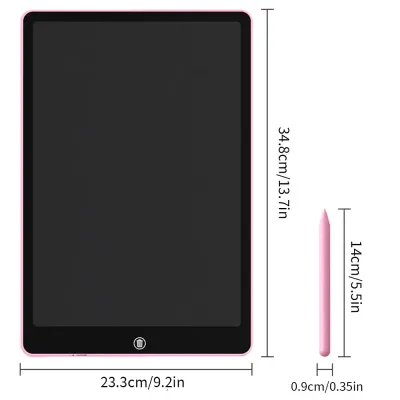
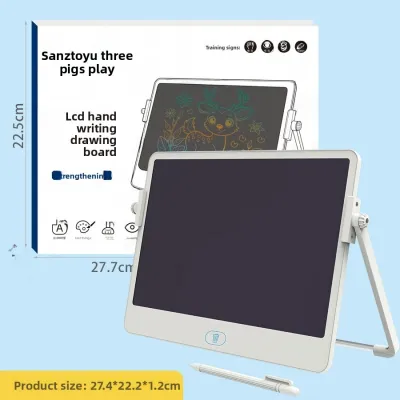
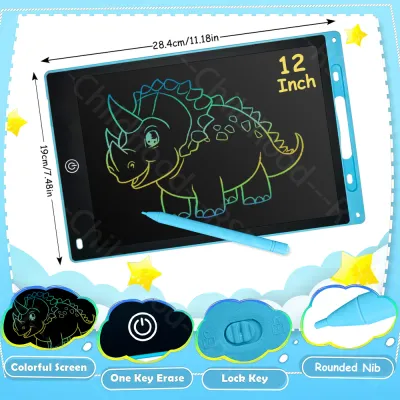

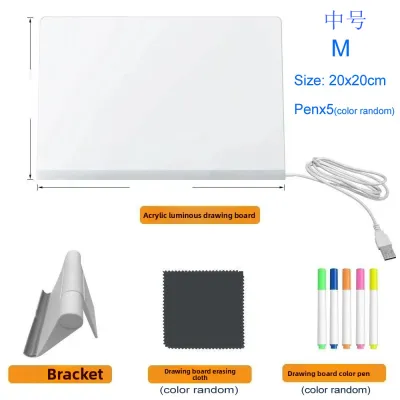
Prices are valid at publication and may change. Please refer to the product page for the latest price.
Surface Material
The core material of a drawing board determines its weight, durability, and resistance to environmental changes.
- Medium-Density Fiberboard (MDF): MDF is a cost-effective, highly uniform wood composite. It provides a smooth surface free of natural knots or grain patterns. However, MDF is highly hygroscopic; if left unsealed, it readily absorbs atmospheric moisture, which leads to swelling, edge splitting, and warping.
- Tempered Hardboard (Masonite): Hardboard is denser and thinner than MDF. It is created by compressing wood fibers under high heat and pressure, often with a natural resin binder. Tempered hardboard is highly resistant to physical impact and offers a slight surface tooth that some artists prefer. However, thin sheets (under 6mm) can bow under heavy hand pressure if not supported by a rigid frame.
- Melamine and High-Pressure Laminates (HPL): These boards feature a composite core encased in a synthetic resin layer. Melamine is highly durable, completely waterproof, and resistant to chemical solvents. It provides an ultra-smooth writing surface that is easy to clean, though it lacks natural texture and can be slippery for certain dry media.
- Acrylic and Plastics: Acrylic drawing boards are lightweight, completely waterproof, and shatter-resistant. They are ideal for wet media or light-box tracing applications, though they require high-shear tape to prevent paper slippage on their slick surfaces.
Edge and Binding
A drawing board is only as reliable as its edges. If you use a T-square or a sliding parallel rule, the board’s lateral edges must be perfectly straight and free of imperfections. Raw, unsealed edges are vulnerable to impact damage; a single dent can ruin the tracking of your drafting tools. Look for boards with high-impact PVC banding, urethane poured edges, or anodized aluminum channels. These protective bindings seal the inner core against moisture and provide a smooth, low-friction track for straightedges.
Tilt and Adjustment Mechanisms
Working at an angle reduces perspective distortion and minimizes neck strain. Tabletop drawing boards utilize various mechanisms to adjust and lock the working angle:
- Notched Wood or Metal Stands: These systems use pre-cut slots to offer fixed, repeatable angles. They are highly stable and cannot slip under hand pressure, though they offer limited angle options.
- Friction-Lock Knobs: These mechanisms allow for continuous, infinite angle adjustments. They rely on compressed rubber or metal washers. When evaluating a friction-lock board, apply firm downward pressure to the upper edge of the board; a reliable mechanism must not slip, shudder, or flex under moderate physical load.
- Leg-and-Brace Systems: Found on larger studio boards, these heavy-duty steel frames offer maximum stability but add significant weight, making them unsuitable for mobile use.
Size and Format Standards
Your drawing board must accommodate your paper sizes with adequate margin space for taping or clipping. In Singapore, academic and professional projects typically follow the ISO A-series paper standard.
- A3 Boards (minimum 300 x 420 mm): Highly portable and compact, these boards easily fit into standard student backpacks and are ideal for quick sketching, field studies, and small-scale coursework.
- A2 Boards (minimum 420 x 600 mm): This is the standard size for intermediate art students and design coursework. It offers a balanced workspace with enough margin for securing paper borders with drafting tape.
- A1 Boards (minimum 600 x 840 mm): Designed for professional studios, large-scale illustrations, and architectural drafting. These boards require a dedicated desk and are rarely moved once set up.
| Material Type | Warp Resistance | Weight | Surface Texture | Ideal Medium | Maintenance Needs |
|---|---|---|---|---|---|
| MDF (Unsealed) | Low | Moderate | Ultra-Smooth | Dry Media (Pencil/Charcoal) | High (Keep dry, store flat) |
| Tempered Hardboard | Moderate | Light | Slight Tooth | Sketching, Pastel, Acrylic | Moderate (Avoid soaking) |
| Melamine / HPL | High | Heavy | Slick / Smooth | Ink, Technical Drawing, Markers | Low (Wipe clean easily) |
| Acrylic | Excellent | Light | Very Slick | Watercolor, Mixed Media, Tracing | Low (Clean with mild soap) |
Reliable Brand Categories by Skill Level and Use Case
When sourcing a drawing board in Singapore, matching the brand’s engineering focus to your specific skill level and environmental constraints will prevent overspending while ensuring adequate performance. Prices generally scale from under S$30 for basic student boards to over S$400 for professional drafting stations.

Student and Budget-Friendly Brands
Student-oriented brands focus on lightweight portability, simplicity, and accessible pricing. These boards are designed for classroom use, homework, and transport between home and school.
- Daler-Rowney: Known for producing reliable, entry-level art equipment, Daler-Rowney offers simple wooden sketch boards and lightweight hardboard options. These boards typically feature a built-in carrying handle and heavy-duty metal clips to secure paper without tape.
- Staedtler: A household name in technical drawing, Staedtler produces high-quality plastic drawing boards (often in A3 and A4 sizes) featuring integrated paper clamps, scale indicators, and locking straightedges. These are excellent for design students who require technical precision on a budget.
- Local Art Store House Brands: Many local art supply shops in Singapore offer generic, unbranded tempered hardboard panels. These are highly cost-effective options for students who only need a simple, flat backing for sketching.
Practical Limitations: Student boards often utilize thinner materials (4mm to 6mm hardboard) and lack advanced edge sealing. Over time, frequent exposure to high humidity or wet media can cause the corners to fray or split. To extend their lifespan, avoid dropping them on hard floors, as compressed corners will swell and lose their straight edge.
Professional and Studio-Grade Brands
Professional brands target illustrators, architects, and fine artists who require absolute dimensional stability, heavy-duty construction, and specialized drafting features.
- Alvin: Alvin is a benchmark brand for professional drafting equipment. Their boards often feature high-pressure melamine laminate surfaces, integrated parallel straightedges guided by steel tension cables, and heavy-duty folding metal legs. They are engineered to resist warping even under continuous daily use.
- Martin/Universal: This brand specializes in large-format drawing tables and premium tabletop boards. They utilize thick, composite cores with impact-resistant edges and robust tilt mechanisms that lock securely without slipping.
- Richeson: Richeson produces premium wood drawing boards and heavy-duty studio equipment. Their boards are often crafted from kiln-dried hardwoods or high-grade plywood sealed with protective varnishes, offering a natural feel combined with excellent warp resistance.
Practical Limitations: Professional boards represent a significant financial investment (often ranging from S$150 to S$400+). They are heavy, bulky, and require a dedicated workspace. If you plan to transport your board frequently, a professional-grade studio board is generally impractical due to its weight.
Portable and Plein Air Brands
Portable and plein air brands cater to artists who work outdoors, travel, or operate in compact, shared environments where equipment must be packed away quickly.
- Richeson (Field Boards): Richeson manufactures lightweight, tempered hardboard sketch boards equipped with dual high-tension metal clips and a heavy-duty rubber band. The integrated handle makes them easy to carry to outdoor painting locations.
- Generic Field Boards: Many manufacturers produce hollow-core wood or high-impact plastic field boards. These boards prioritize weight reduction while maintaining enough rigidity to support sketching on location.
Practical Limitations: To keep weight under 1.5 kg, portable boards sacrifice size and advanced adjustment mechanisms. They are rarely available in sizes larger than A2 and do not support heavy parallel straightedges. They are best suited for quick sketching and light washes rather than detailed, large-scale technical work.
Matching the Board to Your Art Medium and Workspace
Your choice of drawing board must align with your artistic techniques and the physical constraints of your workspace.
Media Compatibility
Different artistic media exert unique physical demands on a drawing board surface:
- Watercolor and Wet Media: Watercolor paper must be stretched and secured to prevent buckling when wet. This process involves soaking the paper and taping or stapling it to the board. Standard MDF or unsealed wood will warp and rot under these conditions. For wet media, you must use a completely waterproof acrylic board, marine-grade plywood sealed with polyurethane, or a specialized plastic board.
- Dry Media (Graphite, Charcoal, Pastel): These media benefit from a slight surface tooth or a subtle cushion. Drawing directly on an ultra-hard, slick melamine surface can feel rigid and limit your control over line weight. If you use a hard laminate board, place a backing sheet of heavy cartridge paper under your working sheet to provide a comfortable cushion.
- Markers and Inks: Alcohol-based markers can bleed through paper and permanently stain porous wood surfaces. If you work with markers, choose a non-porous melamine or acrylic board that can be wiped clean with isopropyl alcohol.
Workspace Constraints
In compact living environments, such as typical apartments in Singapore, space efficiency is a primary consideration.
- Tabletop Boards with Folding Legs: If you do not have space for a dedicated drafting table, a tabletop board with folding legs is the most practical solution. These boards can be set up on a dining table or study desk and folded flat to be stored under a bed or behind a wardrobe when not in use.
- Desk Depth and Tilt Clearance: Before purchasing a large board (A2 or A1), measure your desk's depth. When a drawing board is tilted at a shallow angle, it projects forward and backward. Ensure your desk has sufficient depth to support the board's base securely without pushing you too far back from your workspace.
Daily Maintenance to Extend Your Board's Lifespan
Proper maintenance ensures that your drawing board remains flat, smooth, and physically reliable for years. Simple, low-risk habits will protect your investment from premature wear.
Surface Protection
Prevent physical and chemical damage to the board’s working surface:
- Never Cut Directly on the Board: Utility knives and scalpels will scar wood, melamine, and plastic surfaces. Always place a self-healing cutting mat over your drawing board when trimming paper or boards.
- Use Low-Tack Tapes: Secure your paper using low-tack drafting tape or delicate masking tape. Aggressive packaging tapes or high-tack masking tapes can tear wood veneers and leave stubborn adhesive residues that attract dirt.
- Apply a Cover Sheet: When working with heavy pigments like charcoal or pastel, cover unused areas of your board with a sheet of glassine or butcher paper to prevent staining and smudge transfer.
Moisture and Climate Control
Singapore’s tropical climate, characterized by high relative humidity, poses a constant threat to wooden composite boards like MDF and hardboard.
- Store Boards Correctly: Always store your drawing board flat on a level shelf or perfectly vertical in a dry, well-ventilated room. Never lean a board against a wall at an angle for extended periods; gravity combined with ambient humidity will cause the center of the board to sag and warp permanently.
- Avoid Direct Sunlight and Heat: Do not store your board near air conditioning exhaust vents, open windows, or in direct sunlight. Rapid temperature and humidity fluctuations cause wood fibers to expand and contract unevenly, leading to warping and splitting.
Mechanism Care
Keep moving parts operating smoothly to prevent mechanical failure:
- Clean the Tracks: Keep parallel straightedge tracks and cable systems free of eraser shavings, graphite dust, and adhesive residue. Wipe down metal guide wires with a dry microfiber cloth.
- Do Not Lubricate Cables: Never apply oil, WD-40, or grease to drafting machine cables or tracks. Lubricants attract dust and graphite particles, creating a abrasive paste that ruins the mechanism and stains your paper.
- Avoid Over-Tightening: When adjusting tilt stands or locking parallel bars, tighten the knobs until they are firm. Over-tightening can strip plastic threads and bend metal brackets, rendering the locking mechanism useless.
Frequently Asked Questions (FAQ)
Can I use a standard MDF drawing board for watercolor painting?
Standard, unsealed MDF is highly vulnerable to moisture. If water penetrates the fiber core, the board will swell, warp, and ruin your paper’s flatness. To use MDF for wet media, you must apply at least two coats of waterproof polyurethane varnish to all sides and edges, or place a thick, waterproof plastic barrier sheet between your watercolor paper and the board.
Is a drafting board with a parallel straightedge necessary for general art?
No. Parallel straightedges are designed specifically for technical drawing, perspective rendering, and architectural drafting where precise horizontal lines are mandatory. For general sketching, watercolor, and freehand illustration, a parallel bar adds unnecessary weight, bulk, and cost. A simple, flat drawing board is lighter, more versatile, and easier to transport.
How do I prevent my drawing board from slipping on a smooth desk?
To stabilize a drawing board without making permanent modifications, place a sheet of non-slip rubber drawer liner or a silicone mat beneath the board’s base. Alternatively, you can apply self-adhesive rubber bumper feet to the underside of the board’s frame or kickstands. This prevents sliding on polished wood, laminate, or glass desks without damaging either surface.
Community discussion
Share your experience or ask a question. Comments are reviewed before publication.