
Finding the right study light is a critical step in setting up an effective, distraction-free learning environment for high school students. As academic workloads increase with preparation for major national examinations, students often spend long hours at their desks well into the evening. A high-quality rechargeable desk lamp or portable torch light offers the perfect balance of focused illumination, eye protection, and flexibility, allowing students to study comfortably at their main desk, a shared dining table, or even a quiet corner of a room without being restricted by the location of wall power outlets.
Unlike traditional plug-in lamps, rechargeable study lights are highly portable and help maintain a clean, clutter-free workspace. This is particularly beneficial for compact study tables where space is at a premium and cable management can quickly become a hassle. By understanding what features to look for, how to evaluate eye safety, and how to choose between different form factors, you can select a reliable lighting companion that supports healthy study habits and protects developing eyesight.
Key Features to Look for in Study Lighting
When evaluating rechargeable lighting for a study table, the ability to adjust both brightness and color temperature is paramount. High school students engage in various tasks throughout the day, from reading dense, matte-paper textbooks to typing essays on glossy laptop screens. A lamp with step-less dimming or multiple preset brightness levels allows the user to match the light output to the ambient room conditions. Furthermore, adjustable color temperature settings—typically ranging from warm yellow (around 2700K) to cool white (around 6500K)—help regulate focus and sleep cycles. Cool white light is excellent for promoting alertness during daytime study sessions, while a softer, warm white setting is gentler on the eyes and prevents sleep disruption during late-night revision.
Products mentioned in this guide
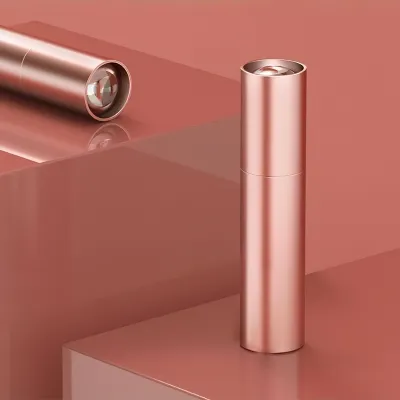
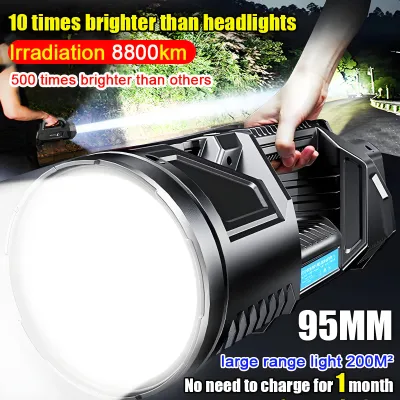
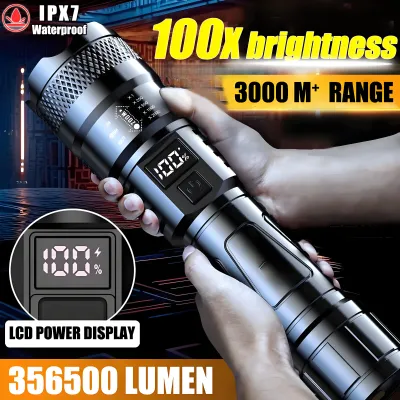
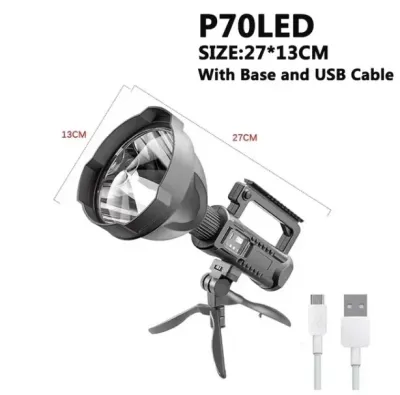

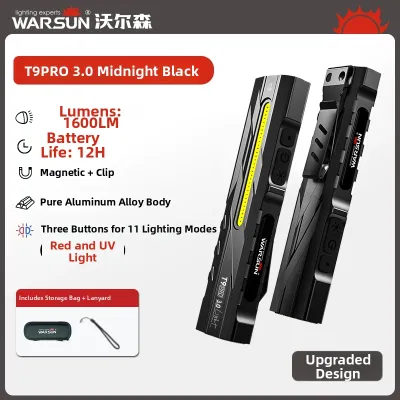
Prices are valid at publication and may change. Please refer to the product page for the latest price.
Battery capacity and runtime specifications require careful inspection before making a purchase. Look for the battery capacity stated in milliampere-hours (mAh) on the product packaging or technical specifications sheet. Generally, a larger capacity (such as 1800mAh to 4000mAh) indicates a longer operating time between charges. However, it is equally important to check for a reliable battery capacity indicator, such as a multi-stage LED light display or a digital percentage screen. This feature ensures that students are not caught off guard by a sudden blackout in the middle of a timed practice exam or an intense writing session.
Physical footprint and mounting versatility are crucial considerations for compact student desks. Before purchasing, measure the available free space on the study table. If the desk is already crowded with laptop stands, textbook holders, and stationery organizers, a traditional wide-base lamp might take up too much valuable real estate. In such cases, look for space-saving alternatives like clamp-on bases that attach securely to the edge of the table, or slim-profile lamps with integrated pen holders. Verifying the maximum clamp width and ensuring it matches the thickness of the study table will prevent compatibility issues upon delivery.
Desk Lamps vs. Portable Torch Lights: Which Fits Your Setup?
Choosing between a dedicated rechargeable desk lamp and a portable torch light with a desk stand depends largely on the student’s primary study habits and space constraints. A dedicated desk lamp is designed specifically for stationary task lighting. It typically features a wide, elongated light head that casts a broad, even beam across the entire writing surface. This wide distribution minimizes the contrast between the brightly lit page and the surrounding dark room, which is a major contributor to eye strain. The heavy, stable base of a dedicated desk lamp also ensures that the light remains secure when the arm is adjusted to different angles.

On the other hand, a rechargeable torch light equipped with a detachable desk stand or mounting clip offers unmatched versatility. This hybrid option is ideal for students who require a multi-functional light source that can transition from a focused study lamp to a portable emergency light. If a student frequently moves between a bedroom desk, a shared living room table, or a library, a lightweight torch light with a folding stand is incredibly convenient. However, because torch lights naturally project a more concentrated, narrow beam, it is essential to choose a model that includes a built-in diffuser or a frosted lens to soften the light and prevent harsh, distracting shadows on study materials.
Regardless of the form factor, USB charging convenience is a major factor in modern study setups. Opt for devices that utilize USB-C charging ports, as this standard matches most modern smartphones, tablets, and school-issued laptops, allowing students to use a single cable for multiple devices. This compatibility simplifies cable management on the desk and allows the light to be easily powered or recharged using a standard power bank or a laptop USB port during study sessions away from home.
How to Evaluate Eye Comfort and Safety Standards
Prolonged exposure to poor-quality artificial light can lead to physical fatigue, headaches, and decreased academic performance. One of the most common culprits of eye strain is invisible high-frequency flickering, which is common in low-quality LED drivers. While this flicker may not be consciously visible, the eye muscles constantly adjust to it, leading to rapid fatigue. You can easily verify flicker-free claims using a simple smartphone camera test. Turn on the study light, open your phone’s camera app, and point it directly at the light source. If you see moving dark bands, strobing patterns, or rapid flickering on your phone screen, the light driver is unstable, and the lamp may cause eye strain over long periods of use.
Safety certifications provide peace of mind regarding both eye health and electrical safety. When browsing product labels or user manuals, look for recognized international safety marks such as CE, RoHS, or FCC, as well as local safety compliance marks. These certifications indicate that the product has undergone testing for electrical safety, electromagnetic interference, and the restriction of hazardous substances. For eye safety specifically, look for labels indicating compliance with photobiological safety standards, which ensure the LEDs do not emit harmful levels of blue light that could damage the retina or severely disrupt sleep patterns.
Proper physical adjustment of the light head is just as important as the quality of the light source itself. The lamp should be positioned so that the light source is below eye level, preventing direct glare from shining into the student’s eyes. Angle the light head to illuminate the workspace evenly while avoiding reflections on glossy textbook pages or digital screens. For right-handed students, placing the lamp on the left side of the desk helps eliminate shadows cast by the writing hand across the paper; left-handed students should place the lamp on the right side for the same reason.
Building Your Shortlist: Budget and Purchasing Checks
When building a shortlist of potential study lights, it is helpful to establish a realistic budget that prioritizes essential lighting quality over unnecessary secondary features. Basic, reliable rechargeable lamps with adjustable brightness and decent battery life typically range from S$15 to S$30. Premium models priced above S$40 often include advanced features such as integrated digital clocks, ambient temperature displays, wireless phone charging bases, or smart app connectivity. While these features are convenient, they do not improve the actual quality of the light. If you are on a budget, focus your funds on securing a model with a high-quality LED panel, robust hinges, and a certified battery rather than aesthetic or smart add-ons.
To ensure long-term satisfaction and protection against manufacturing defects, always verify the warranty terms and return policies before finalizing your purchase. Reputable brands and official online stores typically offer a warranty period ranging from six months to a year. Be cautious of extremely cheap, unbranded listings on online marketplaces that offer no warranty or after-sales contact information. Purchasing from an official brand store or an authorized local retailer ensures that you can easily obtain a replacement or refund if the battery fails to hold a charge or the charging port becomes loose shortly after purchase.
User reviews provide invaluable insights into the real-world durability and performance of a study light. When reading reviews on ecommerce platforms, look specifically for feedback regarding hinge durability and battery degradation. A lamp with weak plastic joints may lose its ability to hold its position over time, causing the light head to droop constantly. Similarly, pay attention to reviews that mention how well the battery performs after several months of daily use, as some low-quality batteries experience a rapid decline in capacity, requiring the lamp to remain plugged in constantly and defeating the purpose of a rechargeable design.
Maintenance and Battery Care for Long-Term Use
Proper maintenance is essential to maximize the lifespan of a rechargeable study light and ensure it remains safe to use throughout a student’s high school years. Lithium-ion batteries, which power most modern rechargeable lamps, are sensitive to extreme charging habits. To prevent premature battery degradation, avoid letting the battery drain completely to zero percent before recharging. Instead, plug the lamp in to charge as soon as you notice the light output beginning to dim. Additionally, follow the manufacturer’s instructions regarding charging times, and avoid leaving the lamp plugged into a charger continuously for days at a time unless the manual explicitly states it has an overcharge protection circuit.
Keeping the physical components of the lamp clean ensures optimal light output and smooth mechanical operation. Over time, dust and airborne particles can accumulate on the light diffuser, reducing the overall brightness and altering the light distribution. To clean the lamp safely, turn it off and unplug it from any power source. Wipe the diffuser and the body of the lamp with a dry, soft microfiber cloth. If there are stubborn smudges, use a slightly damp cloth with water only. Never use harsh chemical solvents, alcohol, or abrasive liquid cleaners, as these can degrade the plastic housing, cloud the optical diffuser, or seep into the electrical joints and cause a short circuit.
Regularly inspect the lamp for physical warning signs that indicate the battery or internal electronics may be failing. If the lamp becomes excessively hot to the touch during charging or operation, emits a strange chemical odor, or exhibits a sudden and severe reduction in battery runtime, stop using it immediately. More importantly, inspect the battery compartment or the casing of the lamp for any signs of swelling, warping, or bulging. A swollen battery is a serious safety hazard and should be disposed of safely at a designated electronic waste recycling point, and the lamp should be replaced immediately.
Frequently Asked Questions (FAQ)
Can I use a standard torch light for studying if it has a desk stand?
While a standard torch light with a desk stand can serve as a temporary study light, it is generally not ideal for prolonged, focused study sessions. Standard torch lights are engineered to project a concentrated, narrow beam over a long distance, which creates a bright hotspot and harsh, dark shadows on your desk. This high-contrast lighting environment forces your pupils to constantly dilate and constrict as your eyes move across the page, leading to rapid eye fatigue. Furthermore, general-purpose torch lights often have a lower Color Rendering Index (CRI), which can make colors in textbooks, diagrams, and maps look dull or distorted. For comfortable studying, a dedicated desk lamp with a wide, diffused light source and a CRI rating of Ra80 or higher is highly recommended.
How long should a rechargeable study lamp last on a single charge?
The actual runtime of a rechargeable study lamp varies significantly depending on the battery capacity and the brightness setting used during operation. On average, a standard rechargeable lamp with a 2000mAh battery can last anywhere from 2 to 4 hours when operated continuously at its maximum brightness setting. However, if the lamp is used on a medium or low eco-friendly setting, the runtime can easily extend to 10 to 20 hours or more on a single charge. To ensure the lamp meets your study needs, always cross-reference the manufacturer’s runtime claims with independent user reviews, and remember that using cool white or high-intensity modes will drain the battery much faster than warm, dimmed settings.

Community discussion
Share your experience or ask a question. Comments are reviewed before publication.