
Queen Elizabeth II commemorative coins represent a tangible link to modern global history, making them highly sought-after souvenirs and prestigious gifts in Singapore. Whether you are looking for a meaningful keepsake for a history enthusiast or a premium gift for a dedicated collector, these coins offer a blend of artistic craftsmanship and historical significance. Navigating the local market requires understanding the different types of coins available, identifying reputable sources, and knowing how to verify their authenticity and condition. By focusing on these key aspects, you can confidently select a piece that matches both your budget and the recipient’s personal interests.
Understanding Queen Elizabeth Coins for Souvenirs and Gifts
To make an informed purchase, it is essential to distinguish between the primary categories of commemorative coins. The first category consists of circulating commemorative coins. These are base-metal coins, often made of copper-nickel, that were originally released into general circulation to mark specific events, such as royal jubilees or historic milestones. While they carry a lower intrinsic metal value, their appeal lies in their historical accessibility and the charm of a circulated vintage item. They are excellent, budget-friendly options for casual tourists or young history buffs who appreciate the story behind the coin rather than its material wealth.
The second category is precious metal bullion coins. Typically struck from high-purity silver or gold, these coins are minted primarily for their metal content, though they feature beautiful commemorative designs of Queen Elizabeth II. Bullion coins, such as the famous Canadian Maple Leaf or British Britannia series featuring the late monarch’s effigy, track the spot price of precious metals. They serve as excellent gifts for individuals who appreciate both the aesthetic value of royal portraiture and the tangible security of physical gold or silver.
Products mentioned in this guide
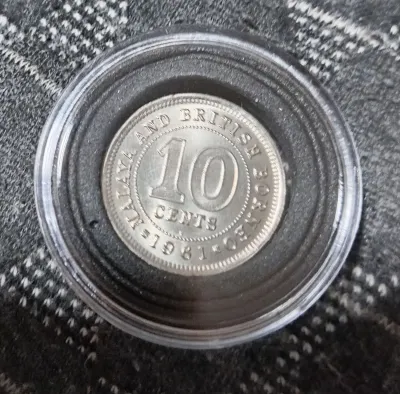
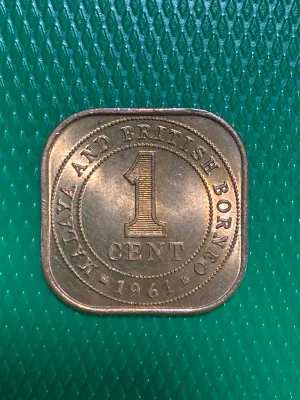
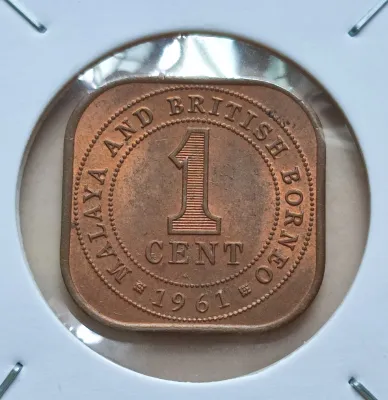
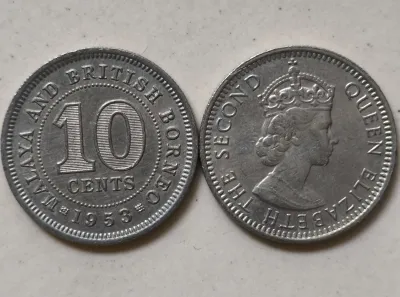
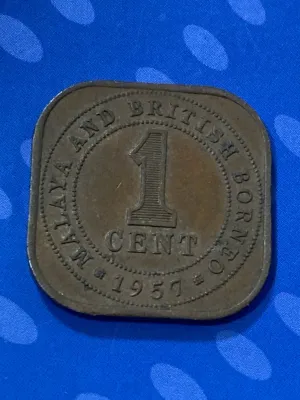
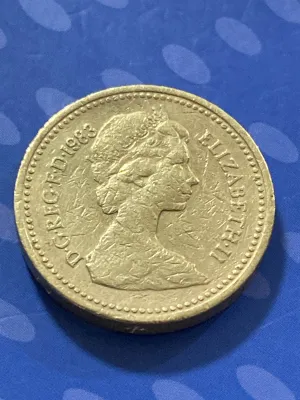
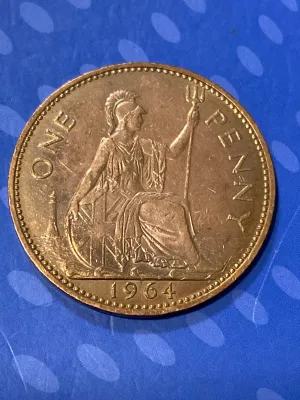
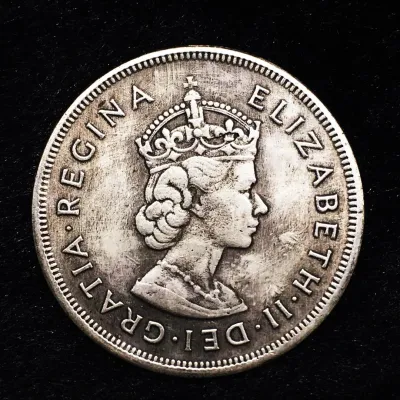
Prices are valid at publication and may change. Please refer to the product page for the latest price.
The third category comprises limited-edition proof coins. These are the pinnacle of minting craftsmanship, struck multiple times using specially polished dies to create a mirror-like background and frosted raised details. Proof coins are produced in strictly limited quantities and are packaged in protective capsules with official presentation cases. Because of their rarity and superior finish, they command a premium well above their metal value, making them the ideal choice for serious numismatists or for marking highly significant personal milestones like major anniversaries or retirements.
When choosing a design theme, consider the historical narrative that resonates most with the recipient. Popular themes include coronation anniversaries, silver, golden, diamond, and platinum jubilees, as well as memorial issues. Some coins also highlight historical ties between the United Kingdom and Commonwealth nations, which can add a localized layer of meaning for collectors in Singapore. Matching the coin’s theme and material to the recipient’s profile ensures the gift is both personally relevant and highly valued.
Where to Buy Queen Elizabeth Coins in Singapore
Finding authentic Queen Elizabeth commemorative coins in Singapore requires exploring a mix of primary and secondary market channels. For newly issued commemorative coins or official restrikes, the most reliable starting point is authorized local distributors of major national mints, such as the Royal Mint of the United Kingdom, the Royal Canadian Mint, or the Perth Mint of Australia. These distributors often operate physical retail outlets or secure online storefronts in Singapore, providing buyers with direct access to official releases, complete with original mint packaging and guaranteed authenticity.

For historical, vintage, or rare out-of-print issues, specialized numismatic shops and antique dealers located in established retail hubs across Singapore are invaluable resources. These brick-and-mortar shops are run by experienced dealers who curate collections of historical coins. Visiting these shops allows you to inspect the coins in person under proper lighting, discuss the history of specific issues with knowledgeable professionals, and compare different grades of the same coin side by side. It also provides an opportunity to build relationships with local experts who can source specific pieces on your behalf.
Local collectible markets and weekend flea markets can also yield unique finds, though they require a higher level of buyer expertise. While you may stumble upon interesting circulated commemorative coins at reasonable prices, the lack of formal guarantees means you must exercise caution. When shopping in these environments, focus on lower-value base metal coins where the financial risk is minimal, and treat any claims of high rarity or precious metal content with healthy skepticism unless verified by independent grading.
Online marketplaces and auction platforms offer a vast selection of Queen Elizabeth coins from sellers worldwide, but they demand the highest level of vigilance. When using these platforms, look for established sellers with high positive feedback ratings, clear return policies, and detailed, high-resolution photographs of the actual coin being sold rather than stock images. Avoid listings with vague descriptions, unusually low prices that seem too good to be true, or sellers who refuse to provide additional photos or documentation upon request. Stick to platforms that offer buyer protection programs to safeguard your purchase against misrepresentation or non-delivery.
How to Verify Authenticity and Condition Before Buying
Verifying the authenticity of a commemorative coin is crucial, especially when purchasing precious metal or limited-edition proof issues. The first line of defense is the presence of official documentation. Genuine proof and limited-edition coins are almost always accompanied by a Certificate of Authenticity (COA) issued by the mint. This certificate should feature a unique serial number, detailed specifications of the coin (including its weight, metal purity, diameter, and mintage limit), and official branding. Additionally, look for the original presentation box and outer packaging, as their presence significantly preserves the coin’s overall market value and confirms its origin.
Evaluating the physical condition of the coin is equally important, as even minor surface damage can drastically affect its collectible appeal. For proof and uncirculated coins, inspect the surfaces carefully for hairline scratches, fingerprints, milk spots, or signs of cleaning. A genuine proof coin should have a flawless, mirror-like field and sharp, frosted details. If you are purchasing a circulated coin, look for even wear across the high points of the design, such as the Queen’s crown and hair, and ensure there are no deep gouges, edge dings, or unnatural discoloration that suggests chemical alteration.
Understanding coin grading terminology can help you communicate effectively with sellers and assess value accurately. Terms like “Uncirculated” indicate a coin that shows no signs of wear from circulation, while “Proof” refers to the specialized manufacturing method rather than a condition grade. If you encounter a high-value coin that is claimed to be professionally graded, it should be housed in a sealed, tamper-evident plastic holder from a reputable third-party grading service, complete with a certification number that can be verified online.
If you ever feel uncertain about a coin’s authenticity or condition during a transaction, it is best to pause the purchase. Missing documentation, a seller’s reluctance to let you inspect the coin closely, or discrepancies between the coin’s physical weight and its official specifications are major warning signs. In such cases, seek a second opinion from an independent, professional numismatic appraiser or a highly reputable local dealer before committing any funds. Taking this extra step protects your investment and ensures your gift is a genuine piece of history.
Presentation and Storage Tips for Coin Gifts
Once you have acquired the perfect Queen Elizabeth commemorative coin, presenting and storing it correctly will enhance its appeal as a gift and protect its long-term value. To prevent physical damage and oil transfer from handling, always keep the coin in a high-quality, inert acrylic capsule. These capsules are designed to fit the exact dimensions of the coin, providing a clear view of both sides while sealing out dust and physical contact. For a more formal presentation, place the capsuled coin inside a velvet-lined display box or a dedicated leatherette presentation case.
Adding personalized context can transform a beautiful coin into a deeply meaningful souvenir. Consider including a neatly printed or handwritten note alongside the gift, explaining the historical significance of the specific coin, the year it was minted, and why that particular design was chosen. This is especially helpful for recipients who may not be familiar with numismatics, as it highlights the thought and effort behind the gift and provides them with a story to share when displaying the coin to others.
Singapore’s tropical climate presents unique challenges for coin preservation, as high humidity can accelerate the tarnishing of silver and the oxidation of base metals. To safeguard the coin, advise the recipient to store it in a cool, dry place away from direct sunlight and areas prone to temperature fluctuations, such as near air conditioning units or windows. Placing a small packet of silica gel inside the storage drawer or display cabinet can help absorb excess moisture. Emphasize that they should never attempt to clean the coin with commercial polishes or abrasive cloths, as this can permanently strip away the original mint luster and severely diminish its collectible value.
Frequently Asked Questions (FAQ)
Are Queen Elizabeth coins still considered legal tender?
Many Queen Elizabeth commemorative coins carry a nominal face value, such as five pounds or one dollar, which technically gives them legal tender status in their country of issue. However, their actual market value—driven by precious metal content, historical rarity, and collector demand—is almost always significantly higher than this face value. It is best to treat these coins strictly as historical collectibles or precious metal assets rather than spendable currency. You can verify the official legal tender status and face value by checking the specifications listed on the mint’s Certificate of Authenticity.
How should I store commemorative coins in a humid climate?
In a humid environment like Singapore, the best way to protect commemorative coins is to keep them sealed inside their original, airtight mint capsules. Avoid touching the coin’s surface with bare hands, as natural skin oils can cause permanent fingerprint stains and accelerate tarnishing over time. Store the encapsulated coins in a dedicated storage box or drawer, and include a few silica gel packets nearby to keep the local environment dry. Never use harsh chemical cleaners or polishes, as these can ruin the delicate finish of the coin and destroy its collectible worth.
Community discussion
Share your experience or ask a question. Comments are reviewed before publication.