
Expressing gratitude is a timeless gesture, but the medium you choose speaks volumes before a single word is read. In Singapore, where professional networking, grand wedding celebrations, and close-knit social gatherings shape daily interactions, selecting the right thank you card is an art form. The texture of the paper, the precision of the print, and the weight of the envelope all combine to convey the sincerity of your message. Whether you are thanking a corporate client in the Central Business District, expressing appreciation to wedding guests, or sending a warm note to a friend, the quality of your stationery matters.
Finding the perfect brand involves understanding how different occasions dictate specific design languages and material standards. A card that feels appropriate for a casual birthday gift might fall short in a corporate setting, while an overly formal card can seem stiff when sent to a family member. This guide explores the essential elements of high-quality thank you cards and highlights the brand characteristics and local shopping strategies that will help you make the best impression for every occasion in Singapore.
What Defines a High-Quality Thank You Card?
To evaluate any thank you card brand objectively, you must look beyond aesthetic appeal and examine the physical components of the stationery. The foundation of any premium card is its paper stock. Standard greeting cards are often printed on basic 250 gsm (grams per square meter) cardstock, which can feel flimsy and bend easily. High-quality brands typically utilize paper weights starting at 300 gsm and upward, providing a sturdy, substantial feel in the hand.
Products mentioned in this guide
![[MIN 3 CARDS] 🇸🇬SG Farewell Colleagues Office Thank You Card Special Funny Editions Message Greeting Card](https://img.lazcdn.com/g/ff/kf/Se0ec2d02e5184afc83520eddb058ec5ez.jpg_400x400q80.jpg_.webp)
![[SG Seller] Cute Floral Aesthetic Thank You Cards Small Business Packaging Customer Appreciation Inserts Teachers](https://img.lazcdn.com/g/p/8c93e2fa1ebda49573d5c6607d86632e.jpg_400x400q80.jpg_.webp)
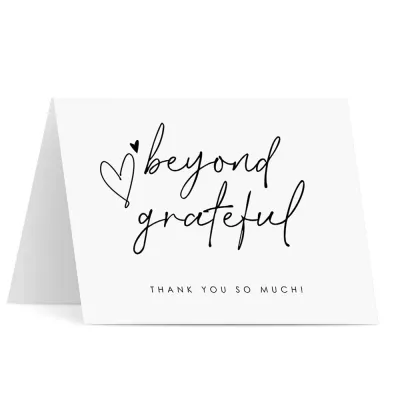
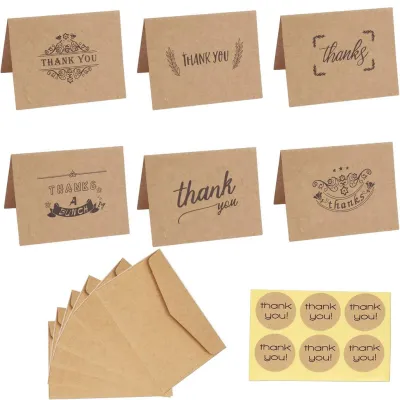
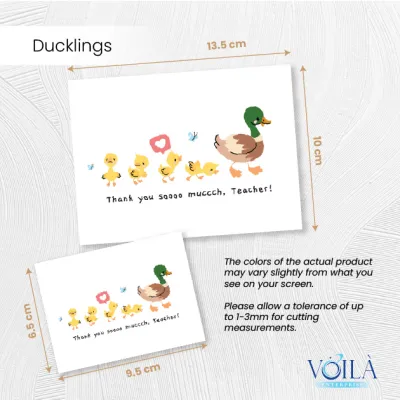
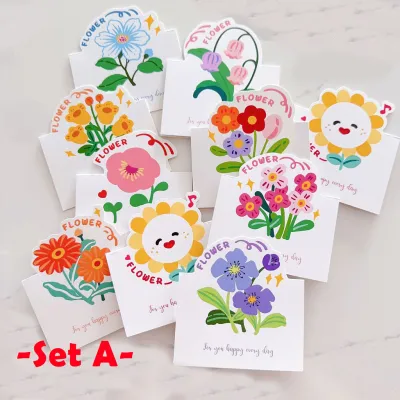
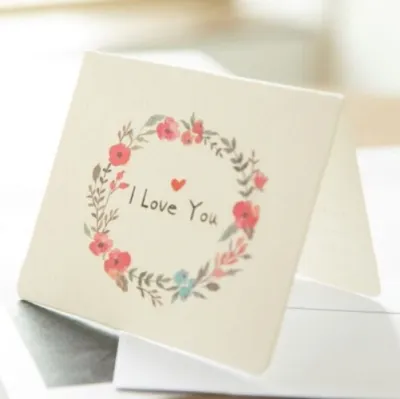
Prices are valid at publication and may change. Please refer to the product page for the latest price.
The material composition of the paper also plays a critical role in its tactile quality. While wood-pulp paper is common, premium stationery brands often opt for cotton or linen fibers. Cotton paper offers a soft, pillowy texture that absorbs ink beautifully and is highly resistant to aging. Linen paper features a subtle, cross-hatch woven texture that adds immediate sophistication. Recycled textured papers, made from post-consumer waste, provide an eco-friendly alternative without sacrificing the organic, tactile feel that makes physical mail so special.
Beyond the paper itself, the printing and finishing techniques used by a brand define its luxury status. Letterpress printing, where inked metal plates are pressed deep into thick cotton paper, creates a dramatic debossed effect you can feel with your fingertips. Foil stamping applies metallic foils—such as gold, copper, or silver—using heat and pressure, resulting in a crisp, reflective finish that catches the light. Embossing raises the design elements above the paper surface, while deckled edges offer a torn, hand-crafted look that suits rustic or artistic themes.
The unboxing experience is incomplete without a premium envelope. Many mass-market cards pair decent cardstock with thin, translucent envelopes that tear easily. A high-quality brand ensures the envelope matches or complements the card’s weight, typically using 120 gsm paper or thicker. Features like custom-patterned envelope liners, gummed flaps that seal securely, or elegant peel-and-seal strips contribute to a sense of anticipation as the recipient opens the letter.
When inspecting thank you cards in-store or reviewing specifications online, keep this quick quality checklist in mind:
- Paper Weight: Is the card at least 300 gsm, and is the envelope at least 120 gsm?
- Fiber Content: Does the paper use cotton, linen, or high-grade FSC-certified recycled fibers?
- Print Finish: Are the designs flat-printed, or do they feature tactile elements like letterpress, embossing, or foil stamping?
- Opacity: Hold the envelope up to the light; can you easily read a card placed inside, or is the paper thick enough to maintain privacy?
- Ink Compatibility: Is the paper surface smooth or uncoated, allowing for clean handwriting without feathering or bleeding?
Best Brand Styles for Workplace and Professional Appreciation
In a professional environment, a thank you card serves as an extension of your personal brand or your company’s corporate identity. The visual and tonal requirements for workplace appreciation lean heavily toward understatement, elegance, and clarity. A successful professional card avoids distracting patterns in favor of minimalist layouts, clean typography, and a restrained color palette. Classic shades like navy blue, charcoal gray, forest green, warm cream, and crisp white convey authority and respect without feeling cold.

The physical properties of the card are particularly important when writing to colleagues, clients, or mentors. Professional thank you cards should feature uncoated or matte paper surfaces. Highly glossy finishes can cause gel pens, ballpoints, and fountain inks to smudge, which looks unprofessional and compromises readability. An uncoated, high-quality cardstock absorbs ink quickly, allowing you to write clear, legible messages even during a busy workday.
For office settings, purchasing boxed sets of thank you cards is highly practical. Boxed sets from established stationery brands ensure design consistency across all your correspondence. Having a dedicated box in your desk drawer means you are always prepared to acknowledge a successful project, a client referral, or a colleague’s support without having to make a last-minute trip to the store. Look for sets that offer a uniform aesthetic, allowing you to build a recognizable signature style.
When selecting professional cards, steer clear of overly casual humor, quirky illustrations, or excessively ornate embellishments. While a humorous card might be well-received by a close friend, it can misfire in a corporate context where boundaries are essential. Similarly, overly complex designs with excessive glitter, ribbons, or pop-up elements can feel distracting. The goal is to keep the focus entirely on your handwritten message of gratitude.
To maximize versatility, choose brands that offer subtle, minimal branding on the back of the card and completely blank interiors. A blank interior gives you the freedom to tailor your message precisely to the situation, whether you need to write a brief two-sentence note of thanks for an introduction or a longer paragraph outlining your appreciation for a year-long partnership. Subtle branding on the back ensures the card retains an artisanal, high-end feel rather than looking like a generic, mass-produced office supply.
Elegant Brand Choices for Weddings and Formal Events
Formal milestones, such as weddings, galas, and milestone anniversaries, demand stationery that reflects the gravity and elegance of the celebration. When sending gratitude to guests who have shared in your joy and offered generous gifts, the presentation of your card should match the high standards of the event itself. Formal thank you cards are characterized by ultra-heavyweight paper, often reaching 350 gsm to 600 gsm, which gives the card a luxurious, rigid structure that commands attention.
Typography plays a central role in establishing a formal tone. Look for brands that employ classic serif typefaces, sophisticated calligraphy, or clean, modern sans-serif fonts that feel balanced and intentional. Metallic foiling is a staple of formal design, with gold, rose gold, or silver accents adding a touch of celebration. For a truly personalized touch, seek out brands that offer custom monogramming or family crest designs, allowing you to establish a unique visual identity as a couple or family.
To achieve a polished look, it is highly recommended to match the design language of your thank you cards to your original event theme. If your wedding featured a botanical, tropical garden theme at a local venue, incorporating subtle floral illustrations or green accents into your thank you cards creates a beautiful narrative thread. If your event was a black-tie affair in a grand ballroom, classic black-and-white layouts with gold foil borders will reinforce that sophisticated memory for your guests.
Coordinated stationery sets are invaluable for formal occasions. Brands that offer matching envelopes, custom envelope liners, and even coordinating wax seals help you maintain a cohesive aesthetic from the moment the envelope lands in the recipient’s mailbox. An envelope liner featuring a matching floral pattern or a solid metallic color elevates the unboxing experience, turning a simple letter into a carefully curated gift of appreciation.
When deciding between formats, consider the differences between flat cards and folded notes. Flat cards offer a modern, clean look and are ideal for shorter, punchy messages where the design on the front frames your handwriting on the back. Folded notes are more traditional, providing a private interior space for longer, more intimate messages of thanks. Whichever format you choose, look for brands that deliver their cards in premium, sturdy packaging to protect the delicate corners and foiled surfaces from damage during storage.
Creative and Personal Brands for Friends and Family
When expressing gratitude to close friends and family members, you have the creative freedom to step away from formal conventions and embrace more expressive, colorful, and personal designs. Thank you cards for personal use should feel warm, engaging, and reflective of your unique personality. Brands in this category often showcase vibrant hand-drawn illustrations, whimsical watercolor art, bold typography, or gentle, relatable humor that brings a smile to the recipient’s face.
Personal correspondence allows you to experiment with unique formats that break the mold of the traditional folded card. Postcard-style thank you cards offer a casual, breezy way to send a quick note, while interactive designs—such as pop-up elements, die-cut shapes, or cards with embedded seeds that can be planted—add a playful dimension to your message. These creative formats show that you put extra thought into selecting something memorable and distinct.
A thoughtful approach to personal thank you cards involves matching the design to the recipient’s personality or the specific nature of the gift. For example, if a family member gifted you a beautiful indoor plant, a thank you card featuring botanical illustrations makes for a charming, thematic nod. If you are thanking a friend for hosting a cozy dinner party, a card depicting a festive table setting or a warm kitchen scene ties the physical note directly to the shared experience.
Supporting independent artists and local illustrators in Singapore is an excellent way to source highly unique, non-mass-produced cards. Local creators often infuse their designs with familiar cultural motifs, local landmarks, or colloquial humor that resonates deeply with Singaporean recipients. By choosing these boutique brands, you not only send a beautiful, high-quality card but also support the local creative community, ensuring your message of gratitude stands out from generic, store-bought options.
Where to Buy Premium Thank You Cards in Singapore
Finding the right thank you cards in Singapore requires knowing where to look, as the retail landscape offers distinct shopping experiences depending on your needs. For those who appreciate trendy, artistic, and independent designs, lifestyle stationery boutiques are the ideal destination. Located in creative hubs like Tiong Bahru, Haji Lane, or Joo Chiat, these curated shops stock unique cards from independent global brands and local designers, making them perfect for finding one-of-a-kind personal cards.
If you require classic, reliable, and readily available boxed sets, major bookstores across Singapore provide excellent coverage. Outlets such as Books Kinokuniya at Ngee Ann City or larger Popular bookstore branches carry a wide range of established international stationery brands. These locations are particularly useful for professional needs, as they offer consistent inventory, clean designs, and bulk packaging options that ensure you never run out of cards during busy corporate seasons.
For luxury and imported stationery, high-end department stores in the Orchard Road shopping belt, such as Takashimaya or Tangs, are excellent options. These stores curate premium stationery brands that specialize in heavyweight papers, intricate foil stamping, and formal wedding suites. Shopping in person at these physical locations offers the invaluable advantage of allowing you to feel the paper weight, inspect the texture, and verify the true colors of the cards before making a financial commitment.
If you prefer the convenience of online shopping, navigating online marketplaces and official brand stores requires a strategic approach. To avoid long international shipping times and potential transit damage, prioritize sellers that offer local fulfillment or have official brand stores based in Singapore. Always verify seller authenticity by checking customer reviews and ratings. Be sure to look closely at customer-uploaded photos to verify the true print quality, color accuracy, and paper thickness, as digital product mockups can sometimes be misleading.
Before finalizing an online purchase, especially for bulk orders like wedding thank you cards, review the seller’s return and exchange policies. Ensure that the cards are packaged securely in protective boxes or bubble wrap to prevent bent corners during delivery. If you are ordering custom designs, request a physical sample or a high-resolution digital proof to check for typographical errors and alignment issues before authorizing the full print run.
Pairing Your Cards with the Right Pens and Postage
The final impression of your thank you card depends heavily on the physical act of writing your message and ensuring its safe delivery. The type of pen you use must match the specific paper finish of your card to prevent smudging and bleeding. For uncoated, absorbent papers like cotton or textured cardstock, gel pens or fountain pens are excellent choices because they glide smoothly and allow the rich ink to bind with the fibers. However, because Singapore’s high humidity can slow down ink drying times, always allow your writing to sit undisturbed for a few minutes before folding or nesting the card.
If your card features a heavily coated, semi-gloss, or metallic finish, avoid fountain pens and slow-drying gel inks, which will sit on top of the surface and smudge easily. Instead, opt for quick-drying ballpoint pens or pigment-based fine liners. These pens lay down ink that adheres quickly to slick surfaces, keeping your handwriting clean. To ensure compatibility, always perform a quick test write on a spare piece of the same paper, a matching scrap card, or the inside flap of the envelope before writing your final message.
When you are ready to mail your cards, it is essential to follow general Singapore postal guidelines to ensure smooth delivery. SingPost categorizes mail based on dimensions, weight, and thickness. Standard rectangular envelopes that weigh under 20 grams and fit within standard size limits qualify for standard local postage rates. However, if your thank you cards are square, unusually thick, or feature heavy embellishments like wax seals, ribbons, or wooden elements, they may exceed standard limits and require non-standard postage or additional stamps.
To avoid delivery delays or returned mail, take any non-standard envelopes to a local post office to be weighed and measured by postal staff. Additionally, when using wax seals, ensure the wax is flexible and designed for mailing, as brittle traditional wax can crack and break in automated sorting machines. Taking these extra precautions ensures your beautifully crafted thank you card arrives at its destination in pristine, legible condition.
Frequently Asked Questions (FAQ)
Can I use digital thank you cards instead of physical ones for formal events?
While digital thank you cards offer undeniable convenience and speed, they are generally not recommended for formal events like weddings, milestone anniversaries, or high-stakes corporate partnerships. A physical thank you card carries a tactile weight and personal effort that digital formats simply cannot replicate. For casual gatherings, quick professional follow-ups, or informal birthday gifts, a digital thank you is perfectly acceptable. However, for formal milestones where guests have invested significant time and resources, a physical, handwritten card remains the standard of polite etiquette.
What is the standard size for a thank you card?
The most common standard dimensions for folded thank you cards are A2 (approximately 4.25 by 5.5 inches) and A6 (approximately 4.5 by 6.25 inches). Flat note cards often follow similar dimensions or use a standard DL size (approximately 3.9 by 8.2 inches) for a more elongated, modern look. Sticking to these standard rectangular sizes is highly recommended because they fit perfectly into standard envelopes, are widely compatible with postal sorting machines, and help you avoid the extra postage fees associated with non-standard or square mail.
How far in advance should I order custom wedding thank you cards?
If you are ordering custom wedding thank you cards, you should ideally begin the process at least two to three months before your wedding date, or immediately after if you plan to include a wedding photo on the card. This timeline allows ample time for designing, proofreading, and printing physical proofs. It also factors in shipping times and gives you several weeks after the event to handwrite and mail the cards. Etiquette suggests sending wedding thank you cards within three months of returning from your honeymoon, so early planning prevents unnecessary stress.

Community discussion
Share your experience or ask a question. Comments are reviewed before publication.