
Finding a quality birthday card in Singapore involves balancing tactile paper quality, refined printing techniques, and design aesthetics that match the recipient. While mass-produced options are widely available, premium international imports and curated local illustrator brands offer distinct advantages in paper weight, texture, and artistic value. Selecting the right card requires looking beyond the cover illustration to evaluate the physical construction, paper specifications, and writing compatibility of the cardstock.
By understanding how to assess paper finishes, printing details, and retail options, you can find a card that serves as a lasting keepsake rather than a disposable afterthought. Whether you are shopping at a specialty boutique in Orchard, browsing online marketplaces, or crafting a custom design, this guide provides the framework to make an informed choice.
How to Evaluate Paper Quality and Design Details
Paper weight is the primary indicator of a card’s structural integrity and premium feel. Greeting card paper weight is measured in GSM (grams per square meter). Standard commercial cards typically range from 200 to 250 GSM, which can feel thin and prone to bending. Premium cards utilize cardstock ranging from 300 to 350 GSM, providing a sturdy, substantial feel that allows the card to stand upright on a shelf without bowing over time.
Products mentioned in this guide
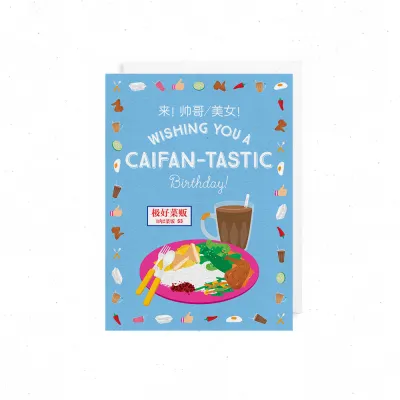



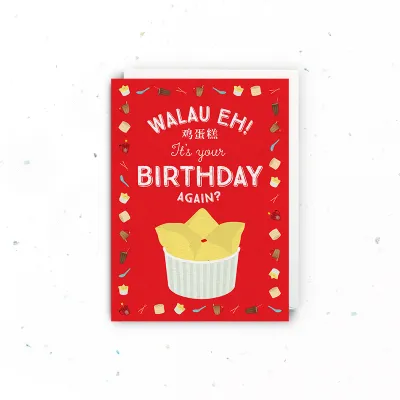

Prices are valid at publication and may change. Please refer to the product page for the latest price.
The finish of the paper significantly impacts both the visual aesthetic and the writing experience. Uncoated, matte, and textured papers (such as linen, laid, or cotton rag) offer a classic, tactile feel and absorb ink beautifully. Glossy finishes make colors appear vibrant and sharp, but they are highly prone to fingerprint smudges and require specific quick-drying pens to prevent ink from smearing.
Because ink performance depends on the exact combination of paper fibers and ink chemistry, it is wise to perform an observable trial before writing your final message. If you are using a fountain pen, gel pen, or heavy marker, test a small stroke on an inconspicuous area, such as the inside fold or the inner flap of the envelope. Observe the drying speed to avoid smudging, and check the reverse side of the paper to ensure the ink does not bleed through or shadow heavily.
Printing techniques elevate a card from a simple printout to a work of art. Look for specialized finishes such as hot foil stamping, which applies metallic foil to create reflective accents, or embossing and debossing, which raise or depress parts of the design to create physical depth. Letterpress printing, which presses inked plates deep into thick cotton paper, offers an unmatched tactile quality that is highly prized in artisanal stationery.
When evaluating these design details, inspect the precision of the execution. High-quality printing features sharp, clean edges on metallic foils without flaking, deep letterpress impressions that do not warp the surrounding paper, and perfect alignment between different ink colors. Poorly executed cards may show misaligned colors, blurry text, or foil that peels off at the corners.
Do not overlook the quality of the accompanying envelope, as it provides the recipient’s first impression. A premium card should be paired with an envelope made from heavy paper, ideally 120 GSM or higher, to ensure it remains opaque and protects the card during transit. Check the adhesive style, whether it is a traditional gummed flap that requires moisture or a convenient peel-and-seal strip, and look for elegant design touches like a contrasting inner lining or a deep V-flap.
Matching Card Aesthetics to Your Recipient
Selecting the right card design requires matching the visual theme and tone to your relationship with the recipient. For professional contacts, mentors, or older relatives, opt for minimalist, elegant, or typography-focused designs. These cards often feature muted color palettes, classic serif fonts, and subtle embellishments like gold foil or blind embossing, conveying respect and sophistication without unnecessary clutter.

For children, close friends, or family members who appreciate playful designs, interactive formats are highly engaging. Pop-up cards, die-cut shapes, and cards with moving parts or slide-out elements turn the greeting into a memorable physical experience. Look for bright, cheerful illustrations and whimsical themes that match the recipient’s favorite animals, hobbies, or colors.
Peers, siblings, and close friends often appreciate humorous, niche-interest, or highly stylized artistic cards. These designs can range from witty puns and pop-culture references to abstract, modern art illustrations. Choosing a card that references a shared joke or a specific aesthetic preference demonstrates a deep personal connection and makes the card feel uniquely tailored to them.
Before finalizing your choice, consider the physical layout and the amount of blank space inside the card. If you plan to write a long, heartfelt message, select a card that is completely blank inside to give yourself ample writing room. If you prefer a quick, impactful signature, choose a card with a short, pre-printed sentiment that leaves just enough space for a brief personal note without leaving large, awkward empty areas.
Where to Find Reliable Card Brands in Singapore
To discover curated, high-quality greeting card brands, explore specialty stationery boutiques and lifestyle concept stores. Often located in creative hubs or central shopping districts, these independent retailers stock a handpicked selection of international artisanal imports and local illustrator brands. Shopping in these physical stores allows you to feel the paper texture and inspect the printing quality firsthand before purchasing.
For a wide selection of established commercial brands, visit major bookstores and premium department stores across Singapore. These retailers offer consistent quality and a diverse range of traditional, humorous, and milestone birthday cards. While they may carry fewer niche or handmade designs, they are highly reliable for finding classic cards quickly and conveniently.
If you are looking for custom, small-batch, or highly specific artistic designs, browse online marketplaces and e-commerce platforms. Use precise search terms such as “hand-painted birthday card,” “letterpress greeting cards,” or “local illustrator stationery” to find independent creators. Many online storefronts offer unique, customizable options where you can add the recipient’s name or select custom color schemes.
When purchasing cards online, always verify the seller’s reviews to ensure the cards are packaged securely. Look for feedback mentioning that cards are shipped with stiff cardboard backing or in rigid mailers to prevent bending during transit. Additionally, check the seller’s return policies and local shipping timelines; standard local delivery in Singapore typically takes 2 to 5 business days, but you should allow extra time during peak holiday seasons.
Exploring Personalized and DIY Card Alternatives
When commercial card designs do not perfectly fit the occasion, creating a personalized or DIY card adds a meaningful, handcrafted touch. To start, source high-quality materials from local art supply hubs or specialized craft stores, such as those found in the Bras Basah area. Look for acid-free, heavy cardstock (300 GSM or higher) or watercolor paper to ensure your base is durable and will not warp when mediums are applied.
Because Singapore’s humid climate can affect paper and adhesives over time, choose materials that resist moisture damage. Acid-free and lignin-free papers prevent yellowing and degradation, ensuring your handmade card remains in excellent condition for years. If you plan to use water-based paints or heavy inks, ensure the paper is specifically rated for wet mediums to prevent warping or fiber pilling.
Apply basic customization techniques to elevate your DIY card without requiring advanced artistic skills. Calligraphy using brush pens or dip pens adds an elegant, personal touch to the cover. You can also use custom rubber stamps with archival, waterproof ink, apply a classic wax seal to the envelope flap, or adhere pressed, dried flowers using a thin layer of clear-drying craft adhesive.
Deciding between a DIY approach and a professionally printed brand card depends on the occasion and your available time. A handcrafted card is highly valuable for milestone birthdays, close family members, or romantic partners, where the effort invested carries deep sentimental weight. However, for professional settings, formal acquaintances, or when time is limited, a professionally printed brand card is more appropriate, as it guarantees a flawless, polished presentation.
Frequently Asked Questions (FAQ)
What is the standard paper weight for a high-quality greeting card?
A high-quality greeting card typically uses paper stock ranging from 300 GSM to 350 GSM. This weight ensures the card feels substantial, stands upright without bending, and resists tearing. Additionally, thicker cardstock prevents ink from bleeding through to the back of the page, allowing you to write with fountain pens, gel pens, or markers with confidence.
How far in advance should I order custom or independent brand cards online?
For custom or personalized cards from independent creators in Singapore, it is best to order at least 7 to 10 business days in advance. This timeline allows 2 to 4 business days for the artist to design and produce your card, and another 3 to 5 business days for local postal delivery. Ordering early provides a safe buffer for any unexpected shipping delays.
Community discussion
Share your experience or ask a question. Comments are reviewed before publication.