
Quick Answer: Choosing Between PVC and PE
Selecting the right plastic wrapping film depends entirely on your specific application, safety requirements, and packaging equipment. There is no single material that serves as a universal solution for every packaging scenario. Instead, your choice must align with whether you are wrapping food, securing heavy shipping pallets, or creating retail-ready shrink packaging.
Polyethylene (PE) film is the standard choice for direct food contact and high-stretch industrial applications. If you need to secure heavy pallet loads or require a material certified for wrapping fresh food, PE is typically the primary candidate to evaluate. Its high elasticity and puncture resistance make it highly reliable for demanding transport conditions.
Polyvinyl Chloride (PVC) film is frequently selected for its exceptional optical clarity, stiffness, and low-temperature heat-shrink properties. It is commonly used in retail display packaging and specific industrial wrapping setups. However, because formulations vary widely, you must verify manufacturer specifications, safety certifications, and intended-use labels before making a final purchasing decision.
Products mentioned in this guide
![[Hommly SG Instock] Shrink Wrap | Stretch Film | Cling Wrap | Pallet Furniture Wrap | Plastic Wrap | Plastic Film|Moving](https://img.lazcdn.com/g/p/e09c6c058a9d85d92a83a2dc21a98bbc.jpg_400x400q80.jpg_.webp)
![[SG Stock] Stretch Film | Heavy Duty Shrink Wrap Packaging | Pallet Wrap | Cling Wrap | Furniture Wrap | 2.5/3kg](https://img.lazcdn.com/g/p/7c4636ed40f09d680825c6d01a74b8f8.png_400x400q80.png_.webp)
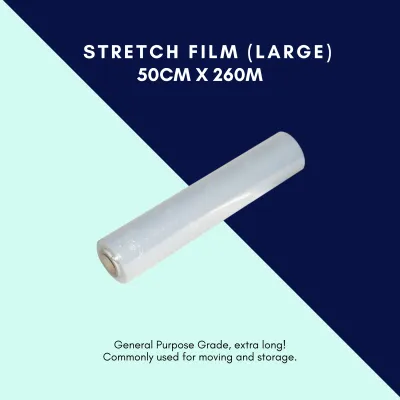
![🏅[CHEAPEST] Stretch Film/ Shrink Wrap / Cling Wrap /Pallet wrapping /Moving Supplies/pallet Wrap/Pallet wrapping](https://img.lazcdn.com/g/p/c69357eb04f4e35ac9ee2d124f108fda.jpg_400x400q80.jpg_.webp)
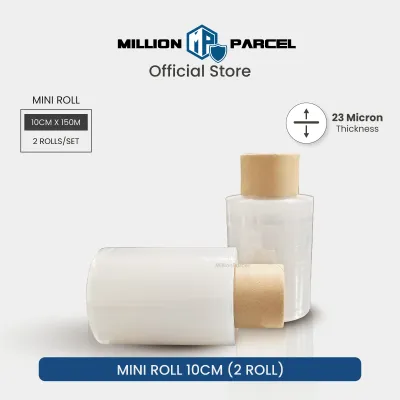
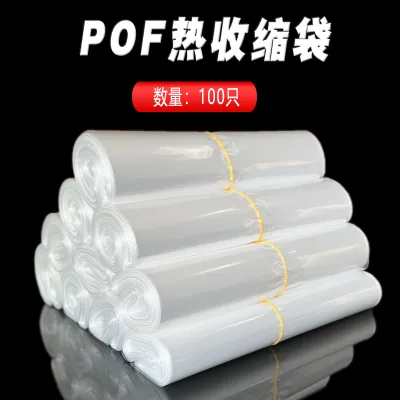
![[SG SELLER] Self Adhesive Clear OPP Transparent Packaging Poly Plastic Bag Retailer Clothes Sealing Wrap Plastic Storage](https://img.lazcdn.com/g/p/22be75670b3840eb6258305648fc2f8f.png_400x400q80.png_.webp)
Prices are valid at publication and may change. Please refer to the product page for the latest price.
Material Basics: Identifying PVC and PE Films
Understanding the fundamental differences between Polyvinyl Chloride (PVC) and Polyethylene (PE) is essential for selecting the correct film. PVC is a synthetic plastic polymer that can be formulated into either rigid or highly flexible sheets. In the wrapping industry, flexible PVC is known for its cling, gloss, and tension. PE is a thermoplastic polymer available in various densities, including Low-Density Polyethylene (LDPE) and Linear Low-Density Polyethylene (LLDPE), which are the primary materials used for stretch wraps.

To accurately identify which material you are handling, look for the Resin Identification Code (RIC) printed on the product packaging or the inner cardboard core. PVC is designated by the number 3 inside the recycling triangle. PE films are typically marked with the number 4 for LDPE/LLDPE or the number 2 for High-Density Polyethylene (HDPE). If no code is visible on the roll itself, you should consult the manufacturer’s technical data sheet (TDS) or product specification label.
While visual and tactile differences can offer general clues, they are not completely reliable. PVC film often exhibits a slight blue or purple tint when viewed in a thick roll, and it tends to feel slightly stiffer and tackier to the touch. PE film generally appears more neutral or slightly milky when layered, and it possesses a softer, more wax-like texture. Because modern manufacturing techniques can alter these physical properties, always rely on official label verification rather than sensory checks.
Safety and Food Contact Verification
When using plastic wrapping film for food-related or sensitive applications, safety verification must be your highest priority. Not all plastic films are formulated to be food-safe. Industrial-grade stretch wraps often contain additives, slip agents, or plasticizers that are not approved for contact with consumable items. Therefore, you must look for explicit “Food Grade” or “Food Safe” labels on the packaging before use.
For food applications, verify that the product complies with relevant local or international safety standards. In Singapore, food contact materials must comply with the food safety regulations enforced by the Singapore Food Agency (SFA). Internationally, look for certifications from bodies such as the US Food and Drug Administration (FDA) or European Union (EU) food contact compliance statements. These certifications confirm that the specific film formulation has been tested for chemical migration limits under simulated use conditions.
Plasticizers are a key point of distinction in material safety. Traditional PVC films often require plasticizers to achieve flexibility, and some of these additives are restricted in food-contact scenarios. Modern food-grade PE films are generally formulated without these specific plasticizers, making them a common choice for direct food wrapping. Always check the manufacturer’s product documentation to confirm that the film is certified for the specific type of food you plan to wrap, as some films are rated for dry goods but not for high-fat or acidic foods.
Strictly avoid using any plastic wrapping film for microwave heating, oven use, or high-heat applications unless the manufacturer’s instructions explicitly permit it. Most standard stretch and shrink films will melt or release volatile compounds when exposed to high temperatures. If a film is labeled as microwave-safe, review the packaging to identify the exact maximum temperature limit and any specific usage instructions, such as leaving a gap between the film and the food during heating.
Durability, Stretch, and Puncture Resistance
Evaluating the physical performance of a plastic wrapping film requires a close look at manufacturer specifications rather than relying on general assumptions. The durability of a film is determined by its tensile strength, stretch yield, and puncture resistance. These metrics are typically detailed in the product’s technical data sheet, which you can request directly from your packaging supplier.
PE films, particularly LLDPE, are engineered for high stretch yield and excellent load retention. Many commercial PE stretch films can be elongated by 150% to over 300% of their original length during application. This high elasticity allows the film to contract tightly around a load, keeping boxes secure on a pallet during transit. PE also offers high puncture resistance, making it suitable for wrapping loads with sharp corners or irregular shapes.
In contrast, PVC films are generally evaluated for their high cling properties, immediate tension, and optical clarity. PVC does not typically offer the same extreme stretch percentages as LLDPE, but it provides a tight, wrinkle-free wrap with minimal effort. This makes it highly effective for wrapping individual items, fresh produce trays, or retail goods where presentation is just as important as protection. However, once a PVC film is punctured, the tear can propagate more easily than it would in a high-performance PE film.
To select the right film thickness, match the product’s micron rating to your specific wrapping load. Light, uniform boxes can be secured with thinner films, typically ranging from 8 to 12 microns. For heavy, irregular, or sharp-edged loads, look for heavy-duty films with a thickness of 15 to 23 microns or higher. Choosing the correct thickness ensures adequate load containment without wasting material or incurring unnecessary costs.
Shrink Properties and Temperature Requirements
If your packaging process involves heat shrinking, you must verify the thermal properties of the film against your existing equipment. Shrink wrapping requires exposing the film to heat, which causes it to contract tightly around the contours of an object. PVC and PE behave very differently under heat, and using the wrong material can lead to poor packaging quality or equipment damage.
PVC shrink film is highly sensitive to heat and contracts at relatively low temperatures, typically starting around 120°C. This low threshold makes it compatible with basic heat guns and smaller, low-power shrink tunnels. It provides a crisp, tight, and highly glossy finish, which is ideal for retail items like books, software boxes, and cosmetics. However, because it is sensitive to temperature, PVC shrink film can become brittle in extremely cold environments or soften if stored in hot warehouses.
PE shrink film, often used for heavy bundling or pallet wrapping, requires significantly higher temperatures to shrink properly. It is much thicker and tougher than PVC shrink film, making it suitable for transit packaging, such as bundling beverage cans or securing large industrial machinery. You must ensure that your shrink tunnel or heating equipment can reach and maintain the higher temperatures required for PE without melting the film or causing uneven shrinkage.
Safety is a critical consideration when applying heat to any plastic film. Overheating PVC can release trace amounts of hydrogen chloride gas, which is corrosive and irritating to the respiratory system. Therefore, you must ensure your workspace has adequate ventilation and air filtration systems in place. Always request the Safety Data Sheet (SDS) from your supplier to understand the specific handling precautions, ventilation requirements, and thermal decomposition limits of the film you choose.
Decision Framework: Which Film Should You Buy?
To simplify your purchasing decision, use the following structured framework to match your operational needs with the correct plastic wrapping film.
Choose PE if:
- Food safety is paramount: You are wrapping fresh food, leftovers, or ingredients, and require a material with certified food-grade compliance.
- You need high stretch and load containment: You are wrapping industrial pallets, shipping cartons, or heavy goods that require maximum elasticity and puncture resistance.
- Recyclability is a priority: You want a material that is widely accepted in commercial soft plastic recycling programs.
- You are calculating cost per usable meter: You want to take advantage of high-stretch yields to reduce the actual volume of plastic used per package.
Choose PVC if:
- Retail presentation is key: You require maximum optical clarity, high gloss, and a wrinkle-free finish for display items.
- You are using low-temperature shrink equipment: Your packaging setup relies on standard heat guns or low-temperature shrink tunnels.
- Immediate cling is required: You are wrapping items on trays, such as fresh produce or bakery goods, where the film must adhere quickly to itself or the container.
Verify first if:
- The application involves extreme temperatures: Check the manufacturer's technical specifications if the film will be subjected to deep freezing or microwave heating.
- You are unsure of chemical compatibility: Request an SDS or technical data sheet to ensure the film will not react with your product's surface or contents.
- You want to compare total costs: Evaluate the price of the film not just by the roll, but by calculating the cost per usable meter in S$ based on the film's actual stretch capability.
Frequently Asked Questions (FAQ)
Can I use PVC and PE wrapping films interchangeably?
No, you should not use PVC and PE wrapping films interchangeably without verifying their specific ratings and certifications. Substituting one for the other can lead to safety hazards or packaging failures. For example, using an industrial-grade PE stretch film for direct food contact can result in chemical contamination, while using a standard PVC cling film in a high-stretch pallet wrapper will likely cause the film to snap repeatedly due to insufficient elasticity. Always match the film’s certified use case to your application.
How should I store plastic wrapping film to maintain its quality?
To prevent degradation, store your plastic wrapping film rolls in a cool, dry warehouse or storage room away from direct sunlight and moisture. Exposure to ultraviolet (UV) light and high temperatures can cause the film layers to fuse together on the roll, making it difficult to unwind. It can also make the plastic brittle, reducing its stretch and puncture resistance. Keep the rolls in their original protective boxes or plastic wrap until you are ready to use them to shield the edges from dust and physical damage.
Is one material easier to recycle than the other?
Yes, PE is generally much easier to recycle than PVC. Most commercial recycling programs and soft plastic collection points accept PE films (such as LDPE and LLDPE) provided they are clean, dry, and free of food residue or adhesive labels. PVC film is highly restricted in standard recycling streams because its chlorine content can damage recycling machinery and contaminate other plastics during processing. You should consult your local waste management guidelines or commercial recycling provider in Singapore to confirm the specific disposal protocols for each material.
Community discussion
Share your experience or ask a question. Comments are reviewed before publication.