
Selecting the right polyurethane (PU) leather sheet requires balancing two critical technical specifications: thickness and backing material. The thickness of the sheet determines its structural rigidity, weight, and drape, while the backing material dictates its stretch, tear resistance, and overall stability. Choosing an incompatible combination can lead to broken sewing machine needles, puckered seams, or structural failure in your finished project. By understanding how these two elements interact, you can confidently select a PU leather sheet that aligns with your specific fabrication tools and design goals.
Understanding PU Leather Thickness for Different Projects
Thickness in synthetic leather sheets is measured in millimeters, and minor variations can alter how the material behaves under tension. Thinner sheets, often ranging from 0.5 mm to 0.8 mm, offer excellent flexibility and a fluid drape that mimics lightweight apparel leather. These thin sheets are highly pliable, making them easy to gather, pleat, or fold. However, they lack the inherent structure to stand upright on their own, requiring additional stabilizers for structured items.
As thickness increases to 1.0 mm or 1.5 mm and beyond, the material gains substantial structural rigidity. Thicker sheets resist bending and maintain their shape under load, which is ideal for items that must support weight or retain a defined silhouette. The trade-off for this structural integrity is a significant loss of drape. Heavy-gauge PU leather will not fold tightly without creating bulky, stiff corners, and it requires careful handling to avoid permanent creasing during the fabrication process.
Products mentioned in this guide
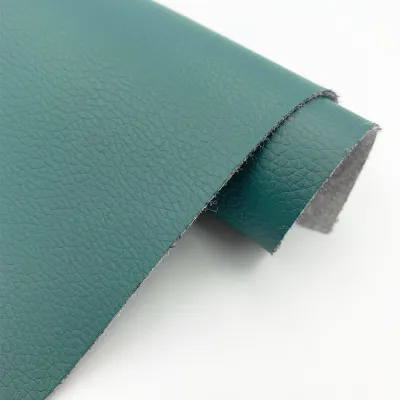
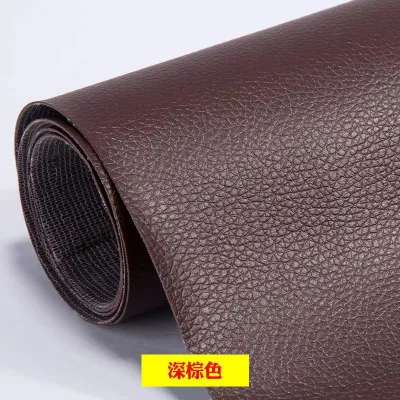
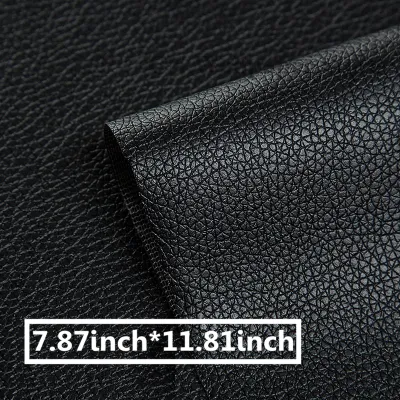
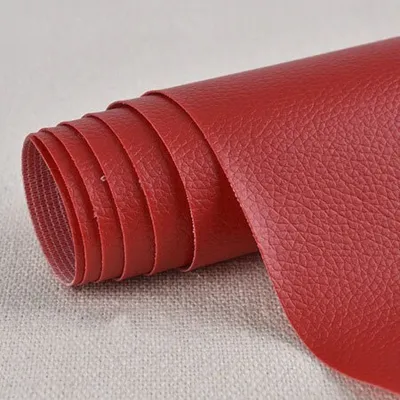
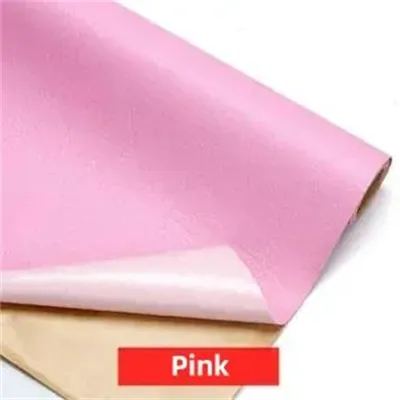
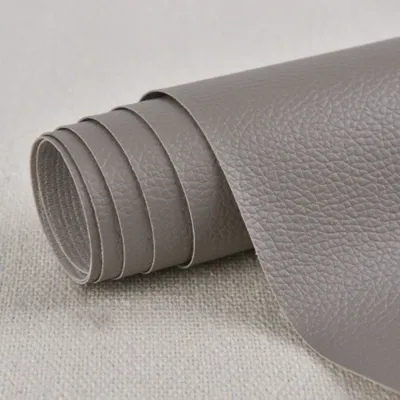
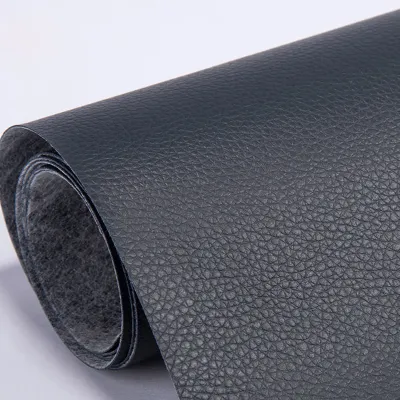
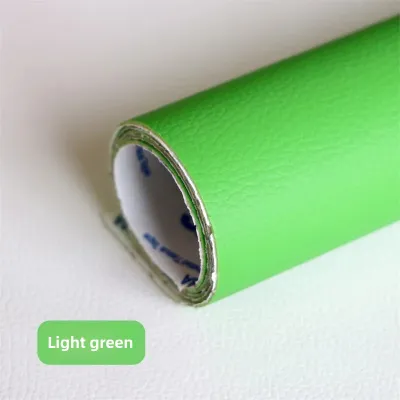
Prices are valid at publication and may change. Please refer to the product page for the latest price.
Working with different thicknesses also demands specific adjustments to your sewing equipment. Standard domestic machines easily handle thin PU leather sheets, but thicker materials increase penetration resistance. When sewing thicker sheets, adjust your machine’s presser foot pressure to prevent slipping. Additionally, thicker sheets require larger needle sizes to punch clean holes without shredding thread. Evaluating thickness before purchase ensures your setup can handle the physical demands of the material.
Decoding Backing Materials and Their Impact on Durability
The backing of a PU leather sheet is the foundation that supports the polyurethane surface layer. Common backing types include knit, woven, and non-woven fabrics, each offering distinct physical properties. Knit backings feature interlocking loops that provide natural elasticity, allowing the PU leather to stretch and recover. This flexibility is highly beneficial for form-fitting applications, but it can lead to distortion if the material is pulled too tightly during sewing or upholstery.

Woven backings, characterized by intersecting warp and weft threads, offer excellent stability and minimal stretch. This structure provides high tensile strength, making woven-backed PU leather highly resistant to tearing along seam lines. Non-woven backings, which consist of bonded fibers, offer a uniform, felt-like texture that does not fray when cut. While non-woven backings are highly stable and easy to work with, they may lack the long-term tear resistance of woven alternatives under high-stress conditions.
Before purchasing, performing visual and tactile checks on the backing can help you assess its quality. Inspect the edges of the sheet to ensure there is no separation between the polyurethane coating and the backing material, as delamination is a common failure point. Rub your fingers across the backing to check for surface uniformity; uneven fibers can interfere with adhesive bonding and cause uneven tension. A high-quality backing should feel securely integrated with the top layer and maintain its structure when handled.
Matching Specifications to Your Sewing, Upholstery, or Crafting Needs
Selecting the appropriate PU leather sheet depends on aligning the material’s specifications with your project’s functional demands. For sewing and apparel, flexibility and comfort are paramount. You will generally want to look for moderate thickness, typically between 0.6 mm and 0.9 mm, paired with a stable knit or lightweight woven backing. This combination allows the garment to move naturally with the body while preventing seams from stretching out of shape or distorting during wear.
For upholstery and heavy-duty applications, such as seat cushions or protective covers, durability and abrasion resistance are the primary concerns. These projects require thicker gauges, usually 1.2 mm or greater, to withstand daily wear and tear. A non-stretch woven or heavy non-woven backing is essential here, as any elasticity in the backing will cause the material to sag and wrinkle over time under the weight of use. The lack of stretch ensures the upholstered surface remains taut and professional for years.
For crafting and small accessories like wallets, keychains, or book covers, the material must be easy to manipulate without specialized equipment. Sheets with a thickness of 0.8 mm to 1.2 mm paired with a non-woven backing are often a highly versatile choice. This combination is easy to cut cleanly with standard shears, accepts fabric adhesives readily, and can be folded or molded into tight shapes without cracking. It allows crafters to achieve clean, professional edges without complex finishing techniques.
Practical Checks Before Buying and Cutting PU Leather Sheets
To avoid material waste and ensure a successful project, always verify the technical specifications before making a purchase. Check the product labels or manufacturer documentation for the exact thickness, backing composition, and recommended care instructions. If you are purchasing sheets online, review the product specifications carefully, as visual representations can often make thin sheets appear much thicker than they are in reality.
Once you have the material, run pre-cutting tests on small scrap pieces before working on your main project. Use these scraps to verify your machine’s tension, test stitch lengths, and check how the material responds to your chosen adhesives. Because PU leather is non-porous, some glues may not bond effectively to the backing, making a physical test essential. If you plan to use solvents or heavy adhesives, follow the manufacturer’s safety instructions regarding ventilation and skin protection.
Establish clear stop conditions during your testing phase to prevent ruining your material. If you observe unexpected peeling, surface cracking, or severe puckering along test seams, halt your work immediately. These issues often indicate that the needle size is incorrect, thread tension is too high, or the backing is incompatible with your machine’s feed dogs. Consulting the manufacturer’s guidelines or seeking professional advice can help you resolve these issues before making permanent cuts.
Frequently Asked Questions (FAQ)
Can I use a standard sewing machine needle for all PU leather thicknesses?
No, standard sewing machine needles are not suitable for all thicknesses of PU leather. While a standard needle might work on very thin sheets, thicker PU leather requires specialized leather or denim needles with a reinforced shaft and a sharp, cutting point. Using an incorrect needle can result in skipped stitches, shredded thread, or machine damage. Always consult your sewing machine manual and the needle manufacturer’s guidelines to select the appropriate needle size and type for your material’s thickness.
Does the backing material affect how I should clean PU leather?
Yes, the backing material significantly affects how you should clean and maintain your PU leather sheets. While the polyurethane surface is water-resistant, certain backing materials, like cotton knits or non-woven fibers, can absorb moisture and trap it against the synthetic layer. In humid environments, this trapped moisture can lead to mold or delamination. Always refer to the manufacturer’s care label for specific cleaning instructions, avoid soaking the material, and ensure it dries completely in a well-ventilated area.
Community discussion
Share your experience or ask a question. Comments are reviewed before publication.