
PU leather sheets offer a versatile, animal-free alternative for sewing, bookbinding, and various crafting projects. Whether you are crafting custom notebook covers, designing handmade pouches, or constructing lightweight fashion accessories, understanding the material composition of these sheets is essential for achieving a professional finish. Evaluating the quality of a polyurethane sheet before cutting into it ensures your finished piece remains durable, flexible, and visually appealing over time. By learning how to inspect the surface coating, backing fabric, and overall structural consistency, you can confidently select the right material for your specific creative needs.
What Is PU Leather Made Of?
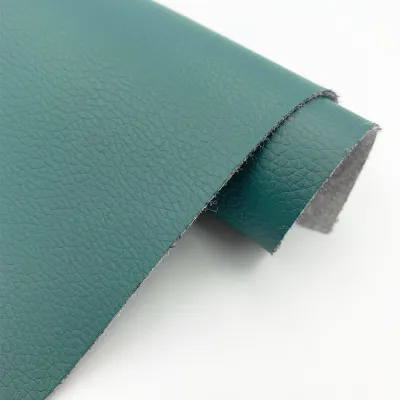
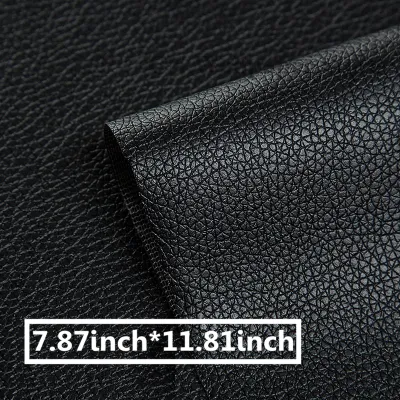
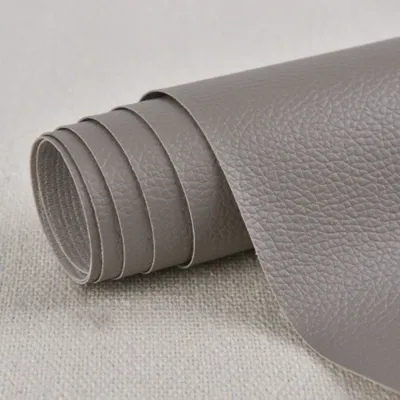
Polyurethane (PU) leather is a composite synthetic material designed to mimic the look and feel of genuine animal hides. At its core, a PU leather sheet consists of two primary layers bonded together: a synthetic polymer top coating and a fibrous backing fabric. The top layer is made of polyurethane, a versatile liquid polymer applied to the backing and embossed with a textured pattern to simulate natural leather grain. This layer determines the material’s color, gloss level, water resistance, and initial tactile feel.
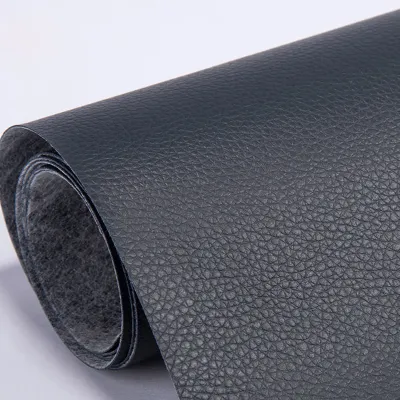
Beneath this coating lies the backing fabric, which serves as the structural foundation. Manufacturers typically use knitted, woven, or non-woven fabrics made from polyester, cotton, or blended fibers. The choice of backing dictates how the sheet behaves, determining its drape, tensile strength, and stretch resistance. For instance, a knitted backing offers more elasticity and pliability, whereas a woven backing provides a stable, rigid base that resists stretching under tension.
Products mentioned in this guide
Prices are valid at publication and may change. Please refer to the product page for the latest price.
How to Evaluate the Quality of a PU Leather Sheet
Selecting a high-quality PU leather sheet requires a systematic inspection of its physical properties before you begin your project. Because synthetic leather is manufactured in batches, quality can vary significantly between different suppliers and production runs. A comprehensive evaluation focuses on three critical areas: the surface coating, the backing fabric, and the overall dimensional consistency of the sheet.

Inspecting the Surface and Coating
The surface of a PU leather sheet is the first indicator of its manufacturing standards and long-term durability. When examining a sheet, look closely at the grain pattern under bright, indirect light to ensure it is uniform. High-quality sheets feature consistent color depth and an even gloss level, without patchy areas where the finish appears duller or shinier. Inspect the cut edges for any signs of premature flaking, fraying, or separation between the polyurethane layer and the backing.
Manufacturing defects can severely compromise both the aesthetics and structural integrity of your project. Run your hands over the surface to check for trapped air bubbles, tiny pinholes, or grit embedded in the polyurethane layer. Additionally, a premium PU sheet should feel supple, smooth, and slightly warm, rather than excessively sticky, tacky, or dry and plasticky.
Checking the Backing Fabric and Flexibility
The backing fabric provides the necessary reinforcement to prevent the polyurethane layer from tearing under stress. Turn the sheet over and inspect the reverse side, looking for a dense, uniform weave or knit. Loose threads, uneven fiber distribution, or excessive fuzziness indicate a lower-grade backing that may stretch out of shape or fail to hold stitches securely.
To assess flexibility and resilience, perform a gentle fold test on a corner or sample edge. Fold the material sharply with the textured side facing outward, apply light pressure, and then release it. A high-quality sheet will recover its original shape quickly without leaving permanent white stress marks, deep creases, or micro-cracks along the fold line. Next, gently stretch the edges; the backing should offer moderate resistance and return to its original dimensions without distorting the embossed grain pattern.
Verifying Thickness and Weight Consistency
Consistency in thickness and weight is crucial for ensuring smooth feeding through sewing machines and achieving uniform seams. Use a pair of calipers to measure the thickness at several points along the edges of the sheet, comparing these readings to the manufacturer’s stated specifications. Even minor variations in thickness can cause skipped stitches, uneven tension, or needle breakage during fabrication.
Beyond edge measurements, run your hands across the entire body of the sheet to detect any hidden irregularities. Feel for sudden thin spots, unusually stiff patches, or areas where the backing application feels uneven. The overall weight and drape should match its designated thickness category; a thicker sheet intended for structured projects should feel appropriately hefty, while a thinner sheet should drape naturally without feeling stiff or paper-like.
Matching PU Leather Sheets to Sewing and Craft Projects
Choosing the right PU leather sheet involves matching the material’s physical specifications to the specific demands of your project. For lightweight applications, such as apparel, soft pouches, or curved stationery items like flexible journal covers, opt for thinner sheets (typically 0.5 mm to 0.8 mm) featuring a knitted backing. These sheets offer the necessary pliability to wrap around tight curves, turn inside out easily after sewing, and conform to delicate shapes without bunching or creating excessive bulk at the seams.
For structured projects that require self-supporting stability, thicker PU leather sheets (ranging from 1.0 mm to 1.5 mm or more) with woven or non-woven backings are highly recommended. These heavier sheets are ideal for constructing structured tote bags, rigid notebook covers, desk mats, and light upholstery. The stable backing prevents the material from sagging or stretching out of shape when carrying weight or subjected to daily tension. When planning your budget, whether you are allocating S$10 for a small craft project or sourcing larger rolls, matching the thickness to the structural requirements saves time and prevents material waste.
Always review the manufacturer’s labels and product specifications for specialized performance traits rather than relying solely on visual appearance. Some PU leather sheets are engineered with specific topcoats to enhance water resistance, UV stability, or abrasion resistance. If your project will be exposed to frequent handling or sunlight, verifying these ratings on the product label ensures you select a sheet designed to withstand those specific environmental demands.
Common Limitations and Care Instructions
While PU leather is a highly versatile and cost-effective material, it is subject to a natural chemical aging process known as hydrolysis. Hydrolysis is the gradual breakdown of the polyurethane polymer chains caused by exposure to moisture and environmental factors. In humid tropical climates, such as Singapore, this process can be accelerated, leading to the characteristic cracking, peeling, or stickiness associated with aging synthetic leather.
Proper maintenance is essential for preserving the appearance and integrity of the polyurethane coating. To clean your PU leather items, use a soft, slightly damp microfiber cloth to wipe away dust and surface oils. Avoid using harsh chemical solvents, bleach, or alcohol-based cleaners, as these substances strip the protective topcoat, drying out the polyurethane and accelerating the peeling process.
Storage conditions also play a critical role in preventing premature degradation. Store your unused PU leather sheets flat or rolled gently on a large-diameter cardboard tube with the textured side facing outward. Avoid folding the sheets tightly or stacking heavy items on top of them, as this can create permanent creases, cause the edges to curl, or place undue stress on the coating. Keep your sheets stored in a cool, dry place away from direct sunlight and heat sources.
Frequently Asked Questions (FAQ)
Is PU leather the same as vegan leather?
Vegan leather is a broad marketing term used to describe any leather-like material made without animal products, which includes polyurethane (PU), polyvinyl chloride (PVC), and various plant-based alternatives like cork or pineapple leaf fibers. While PU leather is a type of vegan leather, not all vegan leathers are made of polyurethane. When purchasing sheets for your projects, always check the specific material composition label to confirm whether the product is made of PU, as different synthetic materials offer distinct physical properties, flexibility, and environmental footprints.
Can I use a standard sewing machine needle on a PU leather sheet?
Using a standard sewing machine needle on PU leather sheets is generally not recommended, as standard sharp needles can struggle to pierce the dense polyurethane coating, leading to skipped stitches, thread shredding, or visible, non-closing holes. Instead, consult your sewing machine manual and select a specialized leather needle or a microtex needle, which is designed to cut cleanly through synthetic layers. Additionally, using a specialized presser foot, such as a Teflon or roller foot, prevents the sticky polyurethane surface from dragging or catching against the machine’s metal components during feeding.
How do I prevent my PU leather sheet from peeling over time?
Peeling is primarily caused by the chemical breakdown of the polyurethane layer through hydrolysis, a process that cannot be completely reversed once it begins. To delay this degradation, store your PU leather sheets and finished items in a temperature-controlled environment with moderate humidity, avoiding damp storage areas or direct exposure to heat sources like radiators. Minimizing excessive friction on high-wear areas and avoiding harsh chemical cleaners will also help preserve the protective topcoat and prolong the overall lifespan of the material.
Community discussion
Share your experience or ask a question. Comments are reviewed before publication.