
Choosing the right paper puncher for your child depends on their educational stage and the specific filing systems mandated by their school. Primary school students typically handle single-page worksheets and lightweight folders, making a compact, low-force 2-hole puncher ideal. In contrast, secondary school students manage a massive volume of subject notes, lecture slides, and past-year exam papers, which often require heavy-duty 2-hole or 4-hole punchers to fit multi-ring binders. Selecting the correct tool ensures your child can organize their schoolwork efficiently without tearing pages or damaging their stationery.
How to Verify Your School's Exact Filing Requirements
Before purchasing any stationery, it is essential to determine the exact filing format your child’s school uses. Many schools issue specific guidelines at the start of the academic year, detailing whether students should organize their work in 2-ring, 3-ring, or 4-ring binders. Checking the official school booklist or subject-specific handbooks is the most reliable way to find these requirements.
Another practical approach is to inspect the folders and ring binders your child already has at home. Count the number of rings and observe the spacing between them to understand what kind of puncher will match. Standardizing your child’s filing system across different subjects can also make organization much simpler.
Products mentioned in this guide
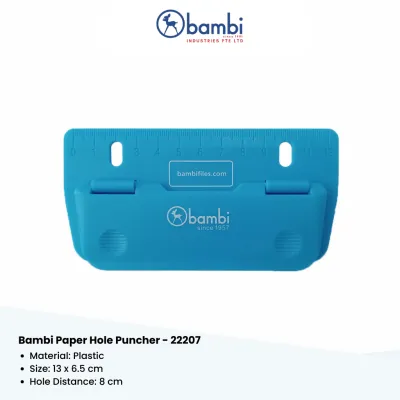
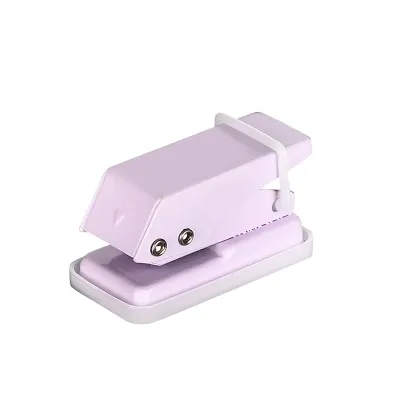
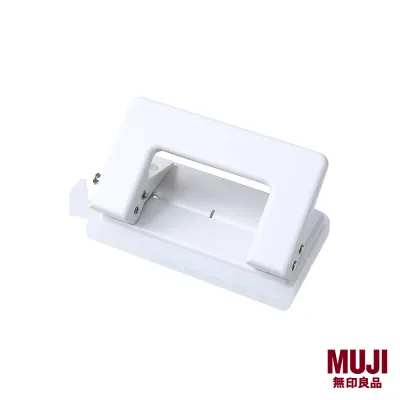
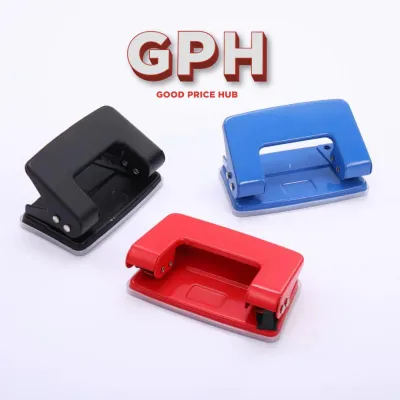
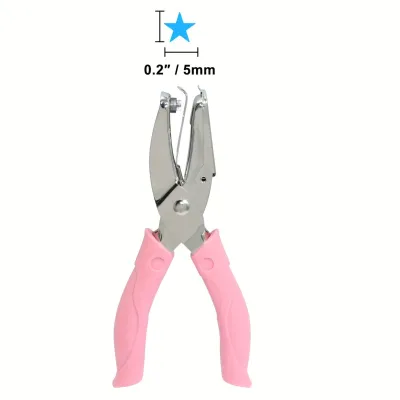
Prices are valid at publication and may change. Please refer to the product page for the latest price.
If the required filing format remains unclear, consider reaching out to other parents in school communication groups or consulting the subject teachers directly. Teachers often have specific preferences for how worksheets and notes should be compiled, especially for subjects with heavy practical or coursework components. Knowing these details beforehand prevents the frustration of buying a tool that does not match the school’s binders.
Primary School Filing: Focus on Ease of Use and Basic Models
In primary school, students are just beginning to learn the basics of personal organization. The worksheets they receive are usually distributed individually rather than in thick booklets, meaning their daily filing workload is relatively light. For these early years, a standard 2-hole puncher is generally the most practical and widely accepted option.

Because primary school children have smaller hands and developing grip strength, the physical design of the puncher is highly important. Look for models featuring ergonomic handles, soft-touch grips, or assisted-force mechanisms. These designs significantly reduce the amount of pressure required to punch through paper, allowing younger children to organize their work independently without straining.
Portability and size are also key factors to consider for younger students. A compact desktop puncher or a slimline model can easily fit into a school bag or a classroom locker without adding unnecessary weight. Choosing a lightweight model ensures that your child can carry it to school on days when teacher-led filing sessions are scheduled.
Secondary School Filing: Managing Heavier Workloads
As students transition into secondary school, the volume of academic material increases dramatically. Subjects like Science, Geography, and History require students to manage extensive lecture notes, topical worksheets, and thick stacks of practice papers. To keep these heavy documents secure, many secondary schools transition to 4-hole binders.
Using a 4-hole system distributes the weight of the paper more evenly across the binder rings, which prevents the pages from sagging or tearing at the corners. Consequently, secondary school students often need to upgrade to a dedicated 4-hole puncher or a high-capacity 2-hole puncher that can handle thicker stacks of paper in a single press.
To manage this increased workload efficiently, look for punchers equipped with built-in paper guides and adjustable margin rulers. These features allow students to align different paper sizes, such as A4 and Letter, with perfect precision. Accurate alignment ensures that multi-page documents sit neatly inside large ring binders without overlapping or sticking out of the edges.
Key Puncher Specifications to Compare When Shopping
When browsing options at a local stationery store or an online marketplace, comparing specific technical features will help you find a durable and reliable tool. First, verify the hole spacing standard of the device. The international standard for 2-hole systems is typically 80mm, which perfectly matches the standard two-ring files sold in local shops.
Next, evaluate the sheet capacity rating, which indicates the maximum number of standard 80gsm sheets the device can punch through at one time. For primary school students, a 10-sheet capacity is usually more than enough. For secondary school students who regularly handle thick exam papers, a 20-sheet or 30-sheet capacity is highly recommended to save time and effort.
Stability and cleanliness are also important for daily desk use. A quality puncher should feature a non-slip rubber base plate to keep the device steady on the desk and protect the tabletop from scratches. Additionally, check the design of the waste tray; a secure, easy-to-open confetti tray prevents paper scraps from spilling out inside school bags or across study areas.
Finally, consider the materials used in the puncher’s construction. While plastic models are lightweight and highly portable, models with metal moving parts and steel cutting pins offer much greater durability. Investing in a sturdy metal mechanism ensures the tool can withstand the rigors of daily use throughout the entire academic year.
Safe Usage and Jam Prevention Tips for Students
Teaching your child how to operate and maintain their paper puncher properly will prevent accidental injuries and extend the lifespan of the tool. Always instruct your child to slide the paper fully into the throat of the puncher and align it flush against the paper guide before pressing down. This simple habit ensures clean, centered holes every time.
Overloading the puncher is the most common cause of mechanical damage and jammed paper. Students should be reminded to respect the manufacturer’s maximum sheet limit and avoid trying to punch through thick cardboard, plastic covers, or laminated sheets unless the device is explicitly rated for those materials.
If a paper jam does occur, safety should always come first. Instruct your child never to use sharp metal objects, such as scissors, compasses, or rulers, to pry the stuck paper out of the cutting mechanism, as this can dull the blades or cause injury. Instead, gently rocking the handle up and down or sliding a stiff piece of cardboard through the slot can help dislodge the stuck fibers. Regularly emptying the confetti tray also prevents paper buildup from blocking the cutting pins.
Frequently Asked Questions (FAQ)
Can a standard 2-hole puncher be used for a 4-hole binder?
While it is technically possible to punch four holes using a standard 2-hole puncher by flipping the paper and punching twice, this method is highly inefficient and prone to errors. The spacing between the holes must be incredibly precise to fit a standard 4-ring binder. Even a minor alignment error of a few millimeters will cause the paper to buckle, resist turning, or tear at the rings. For students using 4-ring binders daily, investing in a dedicated 4-hole puncher is much more practical and keeps notes looking neat.
Are paper punchers allowed in examination halls?
Generally, paper punchers are not permitted or needed in official examination halls. Examination boards typically provide pre-bound answer booklets or collect loose sheets using standardized treasury tags, which are threaded through pre-punched holes in the exam stationery. Students should focus on bringing approved writing instruments, calculators, and mathematical instruments. Always consult the official candidate instructions or check with school exam coordinators to verify the exact list of permitted items before entering the hall.

Community discussion
Share your experience or ask a question. Comments are reviewed before publication.