
Determining the right amount of transparent tape for a student’s stationery list depends heavily on their grade level, the frequency of school projects, and the specific types of tasks they will encounter. Rather than guessing a fixed number of rolls, parents can build a practical and cost-effective supply by matching tape variants to actual classroom needs and understanding how usage shifts from basic book maintenance in early primary years to complex project work in secondary school.
Choosing the right tape involves looking at the tasks your child will perform daily. For younger students, a simple roll of standard clear tape is often sufficient for minor repairs and simple crafts. As students progress to secondary school, their needs diversify to include matte invisible tape for writing notes and heavy-duty tape for mounting presentations. By planning ahead, you can avoid last-minute trips to the bookstore and ensure your child has the exact tools required for their academic year.
Choosing the Right Transparent Tape for School Tasks
Selecting the correct adhesive tape requires understanding the differences between standard clear tape, invisible matte tape, and wide packaging tape. Each variant serves a distinct purpose, and using the wrong type can lead to messy workbooks or ruined project materials.
Products mentioned in this guide
Prices are valid at publication and may change. Please refer to the product page for the latest price.
Standard clear tape is the most common option for pencil cases. It features a glossy finish and is highly transparent, making it ideal for securing paper, sealing envelopes, and repairing torn worksheets. However, its glossy surface resists most inks, meaning students cannot easily write over it with a standard pen.
For labeling or seamless patching, invisible matte tape is the preferred choice. This tape has a frosted finish that becomes virtually invisible on white paper. Crucially, the matte surface accepts pen, pencil, and marker ink without smudging, making it incredibly useful for correcting notebook mistakes or patching torn pages where text must remain legible.
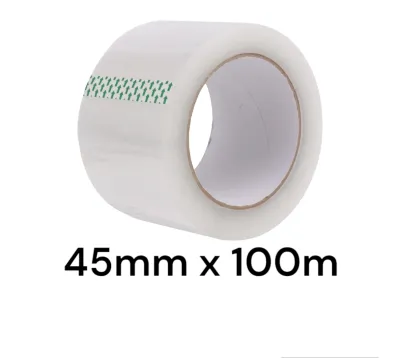
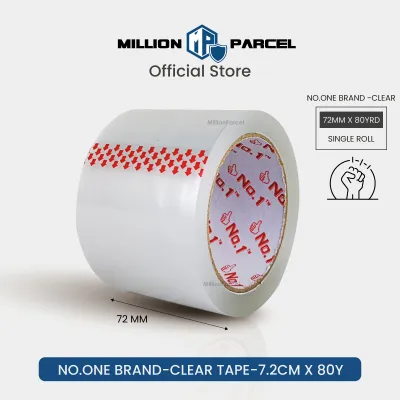
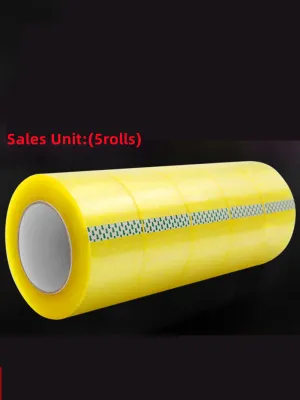
Wide packaging tape is too bulky for a pencil case but remains an essential household item. It is best reserved for heavy-duty tasks like sealing project boxes, reinforcing textbook spines, or securing poster boards. Using narrow clear tape for these large-scale tasks often results in weak bonds and excessive waste.
When selecting tape, dispenser compatibility is critical. Handheld dispensers with plastic teeth are convenient for older students, while younger children benefit from weighted desktop dispensers or child-safe models that prevent accidental cuts. Checking the tape width—typically 12mm or 18mm—ensures refill rolls will fit the dispensers your child already owns.
Estimating Tape Quantities by Grade Level
Estimating how much tape a student will use over a school year prevents mid-term shortages and the accumulation of degraded rolls. A student’s tape consumption is directly tied to their curriculum, the number of hands-on projects they undertake, and how they organize study materials.

In early primary years, tape usage is low and highly supervised, focusing on basic maintenance like securing name tags or fixing torn workbooks. As students transition to upper primary and secondary school, the curriculum introduces science experiments, geography projects, and art assignments that demand significantly more adhesive material.
To estimate needs, consider the number of textbooks, the frequency of group assignments, and personal study habits. Buying bulk refill rolls is more cost-effective than purchasing individual standalone dispensers. A practical approach is to buy one or two durable dispensers initially, then stock up on multi-pack refill rolls to replenish the supply as needed.
Lower Primary School Usage
During lower primary years, students are still developing fine motor skills, and their stationery needs reflect this stage. Primary tasks involving tape include securing name labels on personal belongings, repairing minor tears in workbooks, and completing simple classroom crafts.
For these younger students, standard clear tape is highly suitable. It is easy to handle and provides a strong, immediate bond on paper. To prevent frustration and waste, pair this tape with an easy-tear dispenser. Dispensers with blunt plastic teeth or enclosed safety blades are ideal, allowing children to tear tape independently without the risk of scratching fingers.
When estimating initial quantities, a modest supply is sufficient. One or two small rolls of standard clear tape (typically 15 to 20 metres per roll) housed in a compact dispenser will easily last through the first semester. You can assess the remaining supply during mid-year holidays and decide if a single refill roll is necessary for the second half of the year.
Upper Primary and Secondary School Usage
As students enter upper primary and progress through secondary school, academic workloads and project complexity increase. They must manage extensive study notes, build three-dimensional models for science or design classes, and prepare large poster presentations for group work.
These advanced tasks require a mix of tape types. While standard clear tape remains useful for general binding, invisible matte tape becomes highly valuable. Secondary students frequently use matte tape to attach supplementary notes to textbooks, create custom flashcards, and label complex diagrams where they need to write directly on the taped surface.
For older students, a dual-supply system is highly efficient. Keep a compact, refillable dispenser in their daily pencil case for classroom use, and maintain a larger, weighted desktop dispenser in their home study area. The home station can also house a roll of wider packaging tape for major project construction.
For a typical school year, an upper primary or secondary student will generally require three to five standard-sized refill rolls of transparent or matte tape. If your child is enrolled in subjects with heavy coursework demands, such as art or geography, they may require additional rolls to support their project-building activities.
Smart Buying and Storage Strategies for the School Year
Smart purchasing decisions save money and ensure students always have functional stationery. When shopping for the school year, comparing multi-packs, refill rolls, and standalone dispensers is the first step toward cost-effectiveness.
Purchasing multi-packs of refill rolls is almost always more economical than buying individual rolls with disposable dispensers. A single, high-quality dispenser can last for several years, requiring only inexpensive refill rolls. When buying refills, always check the inner core diameter—usually 2.5 cm for small dispensers and 7.6 cm for large desktop models—to ensure a perfect fit.
Adhesive tape has a shelf life, and buying too far in advance can lead to wasted supplies. Over time, the adhesive on transparent tape can dry out, turn yellow, or become overly gummy, making the tape difficult to unwind and prone to tearing. Before purchasing bulk packs, inspect the packaging for any signs of discoloration or separation along the edges of the rolls.
Storage conditions play a significant role in preserving tape quality, particularly in Singapore’s warm and humid climate. High humidity and ambient heat can accelerate the degradation of tape adhesives, causing rolls to become sticky on the sides or lose bonding strength. To prevent this, store spare tape rolls in a cool, dry place away from direct sunlight.
An airtight plastic container or a resealable storage bag is excellent for keeping dust, lint, and moisture away from spare stationery. Keeping the tape sealed until it is ready for use ensures the adhesive remains fresh and strong, providing reliable performance when your child needs to secure an important school assignment.
Frequently Asked Questions (FAQ)
Can I use standard transparent tape for covering school books?
Standard narrow transparent tape is not recommended for covering entire school books. Because standard tape is typically only 12mm to 18mm wide, attempting to cover a large book surface requires overlapping multiple strips. This process is time-consuming, prone to trapping air bubbles, and often results in an uneven, sticky surface that attracts dust. For protecting textbooks and workbooks, it is much more efficient to use wide transparent tape for reinforcing the spine and edges, paired with dedicated self-adhesive book cover rolls or pre-cut plastic book jackets.
How do I remove sticky residue from textbooks without damaging the pages?
Removing old tape residue from school books requires a gentle touch to avoid tearing paper or lifting printed ink. Start with non-chemical, dry methods. You can often roll the sticky residue off the page by gently rubbing it with a clean, soft pencil eraser or using a clean finger to roll the adhesive into a small ball. If the residue is on a glossy cover, you can press a fresh piece of sticky tape over the residue and pull it away quickly to lift the old adhesive. Avoid using harsh chemical solvents, nail polish removers, or excessive water, which can saturate paper, cause warping, or dissolve printing ink.
Community discussion
Share your experience or ask a question. Comments are reviewed before publication.