
Selecting the right book mark for a back-to-school stationery list is more than a matter of aesthetic preference. The ideal choice depends heavily on a student’s grade level, physical motor skills, and the specific academic demands they face daily. While a primary schooler needs a secure, durable marker that encourages reading habits, a secondary school student requires highly functional, low-profile tools to navigate complex, multi-subject curricula.
By tailoring your bookmark selection to these distinct developmental stages, you can prevent damaged school textbooks, reduce lost homework pages, and streamline daily study routines. This guide breaks down the best bookmark options for both primary and secondary school students, helping you build a practical and efficient back-to-school checklist.
Understanding the Different Reading Needs by Grade Level
Primary school students are still developing their fine motor skills and spatial awareness. They tend to handle books with less caution, frequently dropping school bags or flipping pages quickly. Consequently, their bookmarks must be physically resilient, easy to grip, and highly secure so they do not slip out during transit between the classroom and home.
Products mentioned in this guide

![[SG Ready Stock] Cute Magnetic Bookmarks Kids Magnet Children Party Birthday Gift Cartoon Reward Goodie Bag Clip](https://img.lazcdn.com/g/p/a4566490ec568c939c508825eb518be3.jpg_400x400q80.jpg_.webp)
Prices are valid at publication and may change. Please refer to the product page for the latest price.
In contrast, secondary school students manage a much larger volume of dense reading materials, including thick reference books, literature texts, and multi-chapter science workbooks. Their primary need shifts from simply tracking where they stopped reading to organizing multiple topics simultaneously. They require bookmarks that allow for rapid note-taking, precise line tracking, and multi-point referencing without adding unnecessary bulk to their school bags.
Before adding any book mark to your shopping list, it is essential to evaluate four core selection criteria:
- Material Durability: The bookmark must withstand daily handling, bending, and packing without tearing or fraying.
- Edge Safety: For younger students, edges must be completely smooth and rounded to prevent accidental paper cuts or skin scratches.
- Thickness Relative to Binding: Heavy or thick markers can strain a book's spine, so the bookmark's thickness must match the flexibility of the book's binding.
- Functional Utility: The design should actively support the student's specific tasks, whether that is learning to read line-by-line or indexing exam topics.
Suitable Bookmark Types for Primary School Students
Magnetic Bookmarks
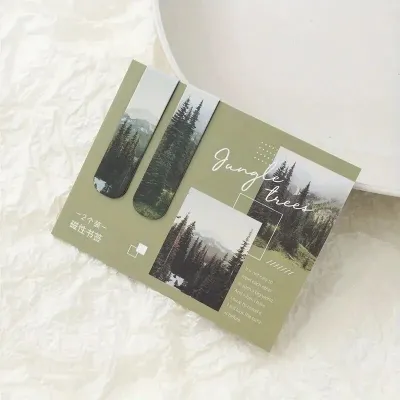
Magnetic bookmarks are exceptionally well-suited for primary school students because they fold over the page and clip together, securing themselves firmly in place. This clamping action ensures the marker remains attached even if the book is tossed into a school bag or dropped on the floor.

When choosing magnetic options, look for lightweight designs with moderate magnetic strength. The magnet should be strong enough to hold two or three pages together securely, but not so powerful that a child struggles to pull them apart, which could lead to torn pages.
Woven or Fabric Bookmarks
Woven or fabric bookmarks, such as those made from thick cotton, ribbon, or felt, offer excellent durability and a soft texture that is highly tactile for younger hands. These materials do not crease or snap when bent, making them virtually indestructible in a child’s hands.
A major benefit of fabric is the complete absence of sharp edges, eliminating any risk of scratches or paper cuts. Ensure any fabric bookmark you select has sealed or stitched edges to prevent fraying over time, especially when exposed to humid climates.
Ruler-Combo Bookmarks
Ruler-combo bookmarks combine a standard reading marker with a short ruler, typically measuring 15 centimeters. This dual-purpose tool is highly efficient for primary schoolers who frequently need to switch between reading and basic math or drawing activities.
Before purchasing, run your finger along the edges of the plastic to verify they are smooth and burr-free. A well-manufactured ruler-combo bookmark should have rounded corners and clear, printed measurements that do not scratch off easily during daily pencil case friction.
Visual and Themed Designs
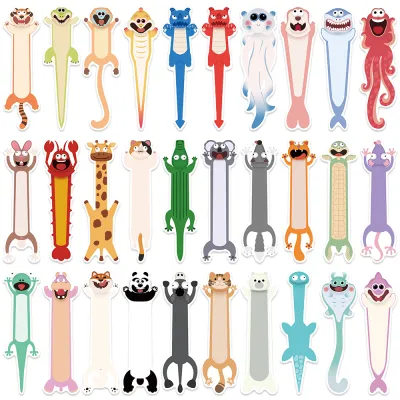
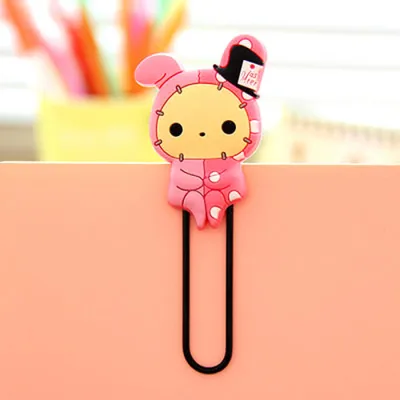
Bookmarks featuring bright colors, familiar characters, or educational themes can significantly boost reading engagement for early learners. These visual cues make opening a book more inviting and help children associate reading with positive, personalized experiences.
When selecting themed bookmarks, prioritize print quality to ensure the ink does not transfer onto book pages when compressed. Always check the packaging for age-appropriate material safety labels, verifying that any plastic coatings or decorative elements are non-toxic and free from sharp, brittle edges.
Suitable Bookmark Types for Secondary School Students
Index Tabs and Sticky Flags
Secondary school students must frequently reference specific formulas, vocabulary lists, or literary passages across multiple textbooks. Index tabs and sticky flags allow them to mark multiple precise locations on a single page without adding bulk to tightly packed school bags.
Opt for reusable, film-based sticky flags rather than paper ones, as film is more durable and less prone to tearing. Ensure the adhesive is gentle enough to allow clean removal without lifting ink or tearing the delicate paper of expensive reference books.
Slim Metal or Minimalist Plastic Bookmarks
Thick textbooks and hardcover reference guides have tight bindings that can easily be damaged by bulky markers. Slim metal or minimalist plastic bookmarks provide an ultra-thin profile that slides between pages without straining the book’s spine.
When selecting metal options, look for lightweight metals like anodized aluminum, which resists bending and rust. Verify that the metal edges are deburred and polished smooth to prevent scratching the paper or cutting fingers during quick page flips.
Transparent or Ruler-Edge Bookmarks
As reading materials become denser, secondary students often struggle to track lines of text quickly. Transparent plastic bookmarks allow students to read through the marker while keeping their place, reducing visual fatigue during long study sessions.
Some transparent designs feature a solid, colored tracking line running horizontally across the middle. This simple visual aid helps students isolate individual lines of text, which is particularly useful when analyzing dense data tables or complex poetry.
Subject-Coded Systems
Managing up to eight or nine distinct subjects in secondary school requires a highly organized system. Using color-coded bookmarks allows students to identify which book belongs to which subject at a single glance.
You can establish a system where blue markers represent science, red represents mathematics, and green represents humanities. Refer to the student’s weekly timetable to determine the exact color range and quantity needed, ensuring they have a dedicated set for each active subject.
How Many Bookmarks to Pack: A Quantity Checklist
Primary School Baseline
For primary school students, a baseline of three to four bookmarks is usually sufficient for daily needs. This covers their school English reading log, their Mother Tongue reading book, a library book, and one active subject workbook.
Because younger children are highly prone to misplacing small items, it is wise to keep these bookmarks simple and easily replaceable rather than investing in expensive individual pieces.
Secondary School Baseline
Secondary school students require a larger inventory, typically ranging from eight to twelve individual markers. This higher count accommodates multiple active textbooks, literature novels, exam preparation guides, and personal reading materials.
Using a mix of reusable index tabs and a few durable metal or plastic bookmarks ensures they have the right tool for both temporary page-marking and long-term referencing.
The Replacement Buffer
Regardless of grade level, bookmarks are frequently lost, worn down, or lent to classmates throughout the school year. Adding a 20% to 30% replacement buffer to your initial back-to-school purchase prevents mid-term shortages.
For a secondary student, this might mean purchasing an extra pack of sticky flags, while for a primary student, a budget-friendly multi-pack of magnetic markers is ideal, often costing only S$2 to S$5 for a complete set.
Storage and Organization
To prevent morning rushes and cluttered desks, establish a clear storage routine for spare bookmarks. Keep a small reserve stash at home in a study desk drawer, and designate a specific zippered compartment in the student’s pencil case for active bookmarks.
This simple habit ensures that a replacement is always within reach, keeping the student focused on their studies rather than searching for lost page markers.
Frequently Asked Questions (FAQ)
Can thick bookmarks damage school textbooks?
Yes, thick or highly rigid bookmarks can cause permanent damage to school textbooks over time. When books are tightly packed into school bags or stacked flat on desks, a thick bookmark exerts concentrated pressure on the binding, which can crack the spine or loosen the glue holding the pages together.
To protect expensive textbooks, always check the flexibility of the book’s binding first. For tightly bound books, opt for ultra-thin materials such as paper, thin film, or sticky flags rather than heavy wood, thick leather, or bulky plastic markers.
Are magnetic bookmarks safe for all types of school paper?
While magnetic bookmarks are highly secure, very strong magnets can pose a risk to thin or low-quality paper, such as that used in standard newsprint workbooks or older library books. If the magnetic grip is too intense, pulling the bookmark off hastily can easily tear the page.
To prevent damage, perform an observable trial by testing the magnetic grip on a blank margin or a less critical back page first. When removing the bookmark, teach students to gently peel the two magnetic halves apart from the side rather than sliding or dragging the bookmark across the paper surface.
How do I clean reusable plastic or metal bookmarks?
Keeping reusable bookmarks clean is essential for maintaining hygiene throughout the school year. For plastic and metal bookmarks, simply wipe the surface with a soft, slightly damp microfiber cloth and a drop of mild dish soap, avoiding abrasive scrubbers or harsh chemical solvents that could strip away protective coatings or prints.
It is critical to dry metal bookmarks completely with a clean towel before placing them back inside any book. Any residual moisture trapped between pages can cause the metal to rust, leading to permanent brown stains and ink transfer on the textbook paper.
Community discussion
Share your experience or ask a question. Comments are reviewed before publication.