
Preparing your child for primary school in Singapore involves managing a detailed stationery list, where the humble glue stick is a constant requirement from Primary 1 through Primary 6. While it may seem like any standard adhesive will do, choosing the wrong type can lead to messy school bags, torn worksheets, and projects that fall apart before they can be graded. The ideal glue stick for your child depends on three core dimensions: adhesive strength, washability, and physical size.
As children progress through school, both their physical coordination and the complexity of their schoolwork change. A Primary 1 student needs an adhesive that is easy to grip and washes out of school uniforms effortlessly, while a Primary 6 student tackling advanced crafts requires a stronger bond for diverse materials. Matching the glue stick’s specifications to your child’s grade level ensures a frustration-free crafting experience and keeps their schoolwork looking neat.
Lower Primary (P1–P3): Prioritizing Washability and Motor-Friendly Sizes
During the lower primary years, children frequently engage in basic paper-cutting, simple collages, and introductory art projects. At this stage, their fine motor skills and grip strength are still developing, making the physical design of the glue stick highly important. Standard small sizes, typically weighing between 8 grams and 15 grams, are ideal for younger hands. These slim tubes allow for a comfortable grip, enabling children to apply even pressure without the stick slipping or mashing down too heavily on the paper.
Products mentioned in this guide
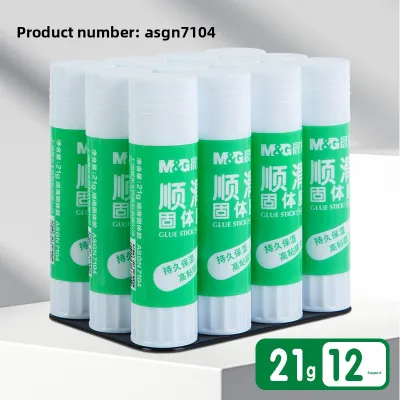
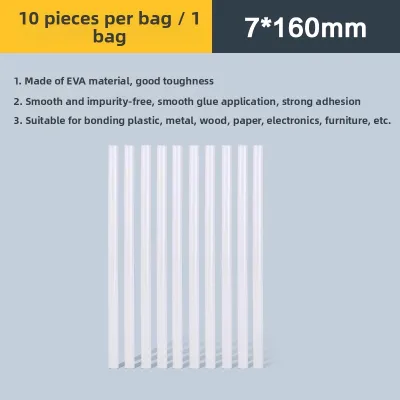
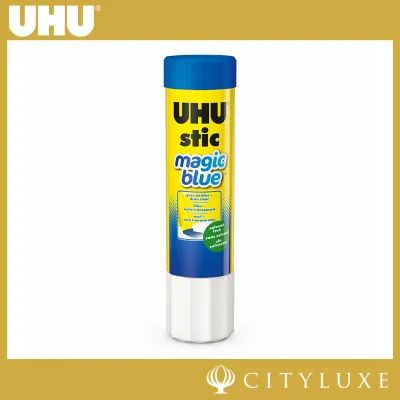
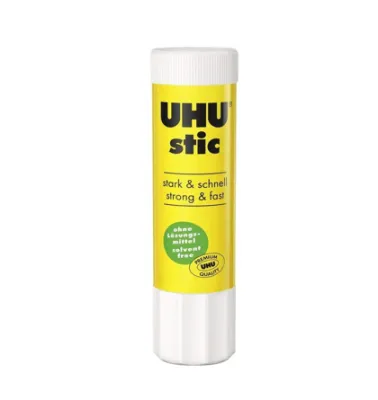
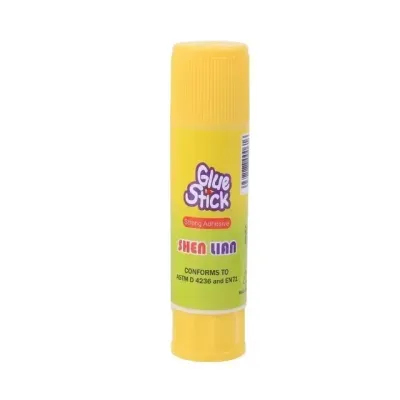
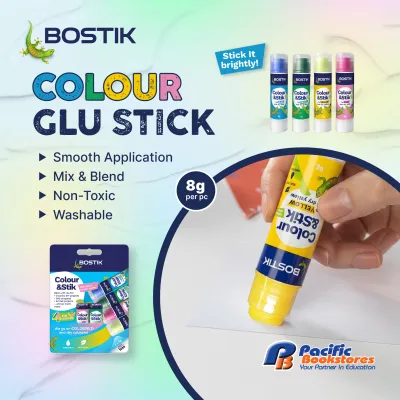
Prices are valid at publication and may change. Please refer to the product page for the latest price.
Washability is the most critical feature to look for during these early school years. Lower primary students are prone to getting adhesive on their hands, classroom desks, and white school uniforms. Opt for formulas explicitly labeled as washable, which are typically made from water-soluble polymers like polyvinylpyrrolidone (PVP) or modified starches. These adhesives dissolve easily in cold or warm water, ensuring that accidental smudges on school uniforms can be cleaned in a standard laundry cycle without leaving permanent stains.
Another essential factor for younger children is a smooth-glide application. High-quality lower primary glue sticks glide effortlessly across thin paper, such as standard A4 worksheets or colored construction paper, without dragging or tearing the sheet. If the glue is too dry or sticky, it can cause the paper to bunch up and rip, leading to unnecessary frustration during class activities.
Safety is paramount when selecting stationery for younger children who may touch their faces or mouths during craft sessions. Always verify that the packaging displays recognized non-toxic safety certifications, such as the AP non-toxic seal or conformity to EN71 standards. These labels guarantee that the product has been evaluated and is safe for prolonged skin contact and accidental mild exposure.
Upper Primary (P4–P6): Stronger Bonds for D&T and Complex Models
As students transition into upper primary, their academic and creative projects become significantly more demanding. Art classes shift toward mixed-media creations, and science or Design and Technology (D&T) tasks require students to build three-dimensional models. These advanced projects involve heavier materials that standard lower primary glues cannot support, such as thick cardstock, corrugated cardboard, felt, fabric, and even lightweight balsa wood.

For these grades, you should look for high-tack or extra-strong glue stick formulas. These products feature a higher concentration of synthetic polymers, providing a much stronger initial grip and a durable permanent bond. Standard washable glues often lack the holding power required for structural models, causing folded cardboard joints to pop open. Heavy-duty glue sticks ensure that complex structures remain securely assembled during transport to school and display.
Larger jumbo sizes, ranging from 22 grams to 40 grams, are highly practical for upper primary students. Because these older children work on larger surface areas and denser materials, small 8-gram sticks will run out too quickly, requiring frequent and inconvenient replacements. A larger diameter stick also allows them to cover wide areas of cardboard efficiently with fewer strokes.
Quick-drying properties are another key specification for upper primary projects. When building 3D models, students cannot afford to hold pieces together for minutes waiting for the adhesive to set. Quick-dry formulas create a stable bond within seconds of application, allowing the student to continue building their model without structural collapse. Before purchasing, check the manufacturer’s instructions on the packaging to verify compatibility with non-paper materials like plastics, wood, or fabrics.
Key Features to Check Before Buying
When evaluating glue sticks at a local stationery shop or on an online marketplace, look closely at the physical construction of the tube. A reliable glue stick should have a robust twist mechanism at the base. The internal screw should advance and retract the glue column smoothly. If the mechanism is too loose, the glue may wobble and break off inside the tube during use; if it is too stiff, younger children will struggle to operate it independently.
An airtight cap seal is essential for extending the lifespan of the adhesive. In Singapore’s warm climate, exposure to air can rapidly dry out a glue stick, turning it into a hard, unusable rubbery plug. Look for caps that snap or click firmly into place, indicating a tight seal. Some brands feature threaded screw-on caps, which provide excellent protection against drying out in a warm classroom environment.
Color-changing indicators are an incredibly helpful feature, particularly for lower primary students. These glue sticks apply purple or blue so children can see exactly where they have spread the adhesive, helping them cover edges thoroughly without over-applying. The color fades and dries completely clear within a couple of minutes, leaving a clean and professional finish on the final project.
Do not assume that all glue sticks marketed for school use are identical. Always read the packaging carefully to confirm specific features like “acid-free” properties, which prevent paper from yellowing or degrading over time. Checking these small details ensures you purchase a reliable tool that supports your child’s learning rather than causing classroom disruptions.
Can One Glue Stick Last Through All Six Years?
While it is tempting to buy a single type of glue stick in bulk to last your child’s entire primary school journey, their changing project needs make this approach impractical. A standard, mid-tier washable glue stick (around 15 grams) is highly versatile and can serve as a great daily driver for pasting worksheets into exercise books from P1 to P6. However, relying solely on this type will present challenges when your child reaches upper primary D&T projects.
Using a standard washable glue stick on heavy cardboard or mixed media usually results in weak bonds and collapsing models. Conversely, keeping a heavy-duty, high-tack glue stick in a Primary 1 pencil case is unnecessary and often leads to messy application, torn paper, and difficult cleanup on uniforms. The most practical approach is to transition your child’s stationery kit as they grow.
Additionally, glue sticks have a limited shelf life, typically lasting between 12 to 24 months before the adhesive properties begin to degrade or the moisture evaporates. Buying a six-year supply in bulk often leads to wasted, dried-out stationery. A better strategy is to purchase a few small, washable sticks for the lower primary years, and then introduce a combination of a standard daily stick and a dedicated heavy-duty stick for specialized projects in upper primary.
Practical Storage and Usage Tips to Prevent Drying
Singapore’s tropical climate, characterized by high humidity and warm temperatures, can affect the shelf life and performance of school adhesives. To prevent glue sticks from melting, separating, or drying out, store them in a cool, dry place away from direct sunlight. Encourage your child to keep their glue sticks inside a closed pencil case or desk drawer rather than leaving them on sunny windowsills or near heat-emitting electronics.
Teaching your child proper application techniques will also save money and preserve their schoolwork. Instruct them to apply the glue along the borders of the paper first, followed by a light cross in the center. Applying a thin, even layer is far more effective than mashing the stick down to create thick clumps. Excessive glue causes paper to warp, wrinkle, and take a long time to dry, which can ruin the appearance of their notebooks.
Always remind your child to twist the glue column back down into the tube slightly before putting the cap on. If the glue is left extended, the cap will slice off the top section, creating a messy buildup inside the lid that prevents a proper airtight seal. Developing the habit of clicking the cap tightly shut immediately after use is the single best way to ensure the glue stick remains fresh and usable for their next project.
Frequently Asked Questions (FAQ)
Is liquid glue better than a glue stick for school projects?
For the vast majority of daily primary school tasks, a glue stick is highly preferred over liquid glue. Glue sticks offer excellent portability, dry quickly, do not warp thin paper, and create minimal mess, making them ideal for a fast-paced classroom environment. Liquid glue, such as white PVA glue, is better reserved for heavy-duty craft projects involving porous materials like wood, thick cardboard, or fabric where a deep, permanent bond is required and longer drying times are acceptable.
How do I remove dried glue stick from school uniforms?
To remove dried glue stick from school uniforms, first check the garment’s care label for specific washing instructions and fabric compatibility. Gently scrape away any excess dried glue from the fabric using a blunt edge, such as a plastic spoon or ruler. Pre-treat the remaining adhesive stain by dabbing a small amount of liquid laundry detergent or a mild stain remover directly onto the spot, letting it sit for five minutes. Wash the uniform in warm water according to the care label’s recommendations; standard washable school glues are water-soluble and should dissolve completely during the wash cycle.
Community discussion
Share your experience or ask a question. Comments are reviewed before publication.