
Premium gift wrapping relies on selecting ribbons with superior drape, dense weave structures, and refined edge finishes. Elevating a gift from ordinary to extraordinary requires moving beyond mass-produced synthetic options and understanding how different ribbon materials interact with packaging. The selection process involves identifying the structural needs of your gift, choosing a material class that complements your wrapping paper, and verifying the manufacturer’s craftsmanship through physical checks.
When presenting a high-end gift, the ribbon is often the first element the recipient touches. A premium ribbon should feel substantial, hold its shape without drooping prematurely, and feature clean, non-fraying edges. By focusing on material composition and structural integrity, you can ensure your presentation looks immaculate and reflects a high standard of care.
Decoding Premium Ribbon Materials and Textures
Selecting the right ribbon material requires an understanding of how different fibers behave when folded, knotted, and draped. Pure silk ribbons offer an unmatched organic drape and a soft, subtle luster that synthetic alternatives cannot replicate. Because silk is incredibly lightweight, it flows naturally and is ideal for creating soft, romantic bows with long, trailing tails. However, pure silk lacks inherent stiffness, meaning it will not hold rigid, upright loops unless it is reinforced or wired.
Products mentioned in this guide
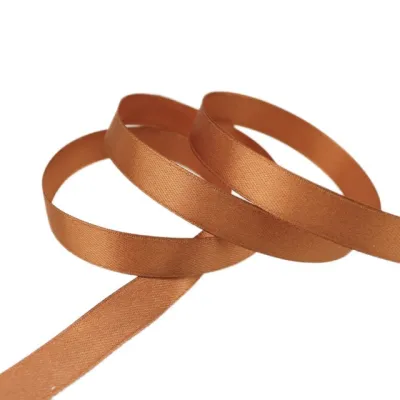
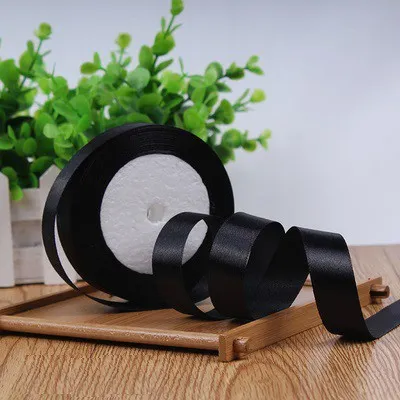

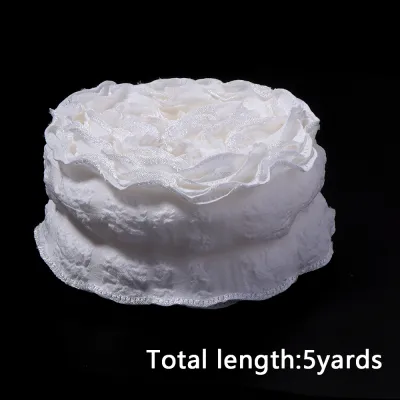
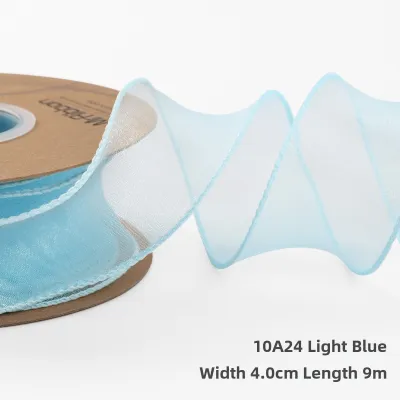
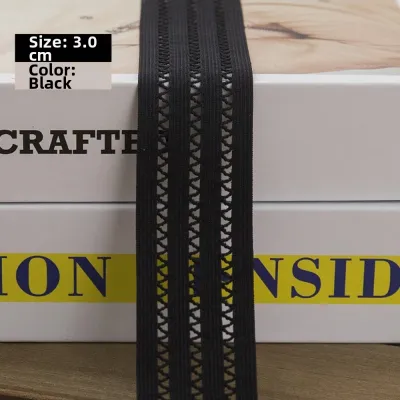
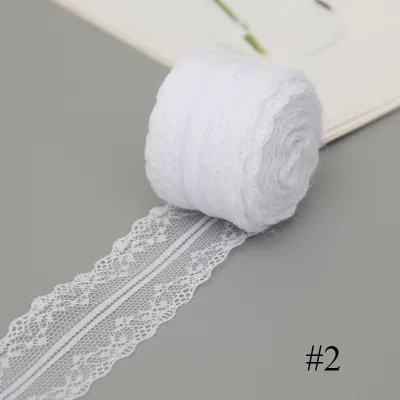
Prices are valid at publication and may change. Please refer to the product page for the latest price.
Velvet ribbons provide a rich, light-absorbing texture that adds immediate depth and warmth to any presentation. Single-faced velvet features a plush pile on one side and a flat, woven backing, while double-faced velvet offers luxury on both sides. High-quality velvet should feel dense and soft, not stiff or scratchy. The structural weight of velvet makes it excellent for formal, dramatic presentations, though its thickness requires a secure knotting technique to prevent the bow from slipping loose.
High-density grosgrain is characterized by its distinct ribbed texture, created by heavy weft yarns that run across the width of the ribbon. This weave structure gives grosgrain exceptional structural memory and stiffness, making it the preferred choice for crisp, geometric bows that must stand upright. When evaluating grosgrain, look for a tight, uniform rib pattern; loose weaves tend to snag easily and lose their shape under tension.
Double-faced satin represents the pinnacle of classic elegance, offering a smooth, glossy finish on both sides of the fabric. This dual-sided finish is crucial for complex bows, as it ensures that every twist and loop reveals a polished, high-sheen surface. In contrast, single-faced satin is dull on the reverse side, which can make bow-tying difficult and ruin the clean look of the presentation if the ribbon twists. Premium satin should feel heavy and fluid, draping smoothly without stiff creases.
The finish of a ribbon’s edge is a primary indicator of its overall quality. Woven edges, also known as selvedges, are finished on the loom and will not fray, ensuring a clean border along the entire length of the ribbon. Cut edges, even when treated with heat or chemical sealants, are highly prone to unraveling and often feel rough to the touch. For a truly premium presentation, always opt for woven-edge ribbons.
Before purchasing, verify the quality of the dye and the consistency of the color. High-end manufacturers use consistent dye lots to ensure that a ribbon purchased today matches the shade of a ribbon purchased months later. To check for colorfastness, gently rub a damp white cloth against a small sample of the ribbon; if any color transfers, the dye is unstable and may ruin your wrapping paper or gift box. Additionally, avoid ribbons that exhibit synthetic stiffness, which is often caused by cheap chemical stiffening agents applied to low-grade polyester.
Evaluating Craftsmanship and Brand Reliability
Assessing ribbon quality goes beyond reading the label; it requires a close inspection of the ribbon’s physical construction. For presentations that require dramatic, sculptural bows, wired ribbons are highly effective. Premium wired ribbons feature ultra-thin, flexible copper or brass wire woven seamlessly into the finished edges. This allows you to shape and reshape the loops repeatedly without the wire poking through the fabric or snapping under tension. Lower-quality alternatives often use stiff, thick steel wire that is simply glued or loosely stitched to the sides, leading to rapid wear and a cheap appearance.

Uniform tension across the spool is another hallmark of a reliable manufacturer. When ribbon is wound onto a spool, it must be done with consistent, moderate tension. If the ribbon is wound too tightly, the fibers can stretch and become permanently distorted, leaving unsightly creases when unwound. Conversely, loose spooling allows the ribbon to shift and rub against itself, causing friction damage, fraying, and tangling inside the packaging.
Packaging and spooling quality serve as excellent indicators of a brand’s attention to detail. Premium brands ship their ribbons on sturdy spools with protective flanges—the flat outer discs—that shield the ribbon edges from crushing during transit. Many high-end suppliers also place protective paper layers between the ribbon wraps to prevent delicate surfaces, such as velvet pile or silk, from flattening or transferring color.
Always read the fiber content labels carefully rather than relying on vague marketing terms. Phrases like “satin-finish” or “velvet-feel” are often used to mask cheap, 100% polyester or nylon compositions that lack the drape and texture of genuine luxury fibers. Look for specific material declarations, such as 100% silk, cotton-rayon blends, or high-grade double-faced nylon. While synthetic fibers can still be high-quality, they must be densely woven and processed correctly to avoid a plasticky sheen and stiff texture.
Pairing Ribbons with Gift Boxes and Wrapping Papers
Creating a cohesive presentation requires matching the weight, width, and texture of your ribbon to the physical dimensions and material of your gift packaging. Heavy ribbons, such as thick velvet or wide, high-density grosgrain, require sturdy, rigid gift boxes to support their weight. Wrapping a delicate, thin cardboard box or a soft paper bag with a heavy ribbon will crush the packaging, ruining the clean lines of your presentation. For lightweight or fragile boxes, opt for delicate silk or narrow, lightweight satin ribbons.
Visual contrast is key to a sophisticated design. Pair matte wrapping papers, such as heavy uncoated kraft paper or textured handmade cotton paper, with high-sheen ribbons like double-faced satin to create a striking interplay of light. Conversely, glossy, metallic, or highly patterned wrapping papers pair beautifully with matte ribbons, such as grosgrain or raw silk, which ground the presentation and prevent it from looking overly busy.
| Ribbon Material | Best Paper Pairing | Ideal Box Type | Best Bow Style |
|---|---|---|---|
| Pure Silk | Textured handmade paper, matte cardstock | Lightweight boxes, soft pouches | Soft, organic drape with long tails |
| Double-Faced Satin | Matte kraft paper, subtle metallic paper | Rigid setup boxes, wooden boxes | Classic multi-loop bow |
| High-Density Grosgrain | Glossy paper, bold geometric patterns | Medium to heavy cardboard boxes | Crisp, structured flat bow |
| Velvet | Heavy embossed paper, velvet-flocked paper | Heavy, rigid luxury boxes | Simple, elegant single-knot bow |
Avoid common material mismatches that can compromise the aesthetic of your gift. Stiff, wide grosgrain ribbon should not be used on small, curved objects or tiny jewelry boxes, as the stiffness of the fabric will cause it to bunch awkwardly rather than wrap smoothly. Similarly, avoid using heavy velvet on fragile tissue paper wraps, as the weight and friction of the velvet can easily tear the delicate paper during the tying process.
Consider the knot style when choosing your ribbon material. A classic, voluminous bow with upright loops is best achieved with wired ribbon or high-density grosgrain. If you prefer a minimalist, modern look, a simple flat band secured with a neat double knot works beautifully with double-faced satin or silk. Always ensure the scale of the bow matches the scale of the gift; a massive bow on a tiny box can look comical, while a tiny knot on a large box can look unfinished.
Sourcing High-End Ribbons and Verifying Claims
Finding truly premium ribbons requires looking beyond standard craft aisles and exploring specialized sourcing channels. Specialized stationery boutiques are excellent for discovering unique, hand-dyed silk ribbons and artisanal textures that add a highly personal touch to your gifts. For bulk needs or consistent corporate gifting, professional packaging suppliers offer high-density satins and grosgrains in large quantities, ensuring consistent quality and color matching across multiple spools.
When shopping online, look out for red flags in product listings that suggest lower-quality manufacturing. Be cautious of listings that omit the exact width of the ribbon in millimeters or inches, using vague terms like “wide” or “medium” instead. A lack of transparency regarding the total length of the spool is another warning sign; premium brands always state the exact yardage or meterage. Finally, avoid listings that fail to specify the exact fiber composition, as this often indicates a cheap synthetic blend.
For high-stakes event planning, corporate gifting campaigns, or bulk holiday wrapping, always order sample swatches or small test spools before committing to a large purchase. This allows you to verify the exact color under your local lighting conditions, as digital screens can distort shades significantly. Testing a small sample also lets you evaluate the ribbon’s knotting behavior, drape, and resistance to fraying in person, ensuring the final presentation meets your exact standards.
Investing in high-quality ribbon is a simple way to elevate your gift-giving. A well-chosen ribbon not only secures the package but also serves as a tactile introduction to the thoughtful gift inside. By understanding materials, verifying craftsmanship, and pairing textures thoughtfully, you can create memorable presentations that leave a lasting impression.
Frequently Asked Questions (FAQ)
How wide should a ribbon be for a standard gift box?
Selecting the correct ribbon width is essential for maintaining visual balance. As a general rule of thumb, the ribbon width should be approximately one-quarter to one-third of the width of the box face it is wrapping. For a standard shoe-box-sized gift, a ribbon width of 25mm to 38mm (1 to 1.5 inches) provides a balanced, classic look without overwhelming the packaging.
Using multiple narrow ribbons can create a delicate, contemporary aesthetic. For example, double-banding a box with two parallel 9mm ribbons looks modern and refined. Conversely, a single, wide band of 50mm or more delivers a bold, traditional luxury statement that works exceptionally well on large, deep boxes. Always scale the ribbon width to the box size to ensure the presentation looks intentional.
Can I reuse premium ribbons, and how should I store them?
Yes, high-quality ribbons are highly durable and designed to be reused multiple times. To preserve their quality, untie knots gently rather than pulling or tugging, which can warp the weave or damage delicate fibers. If a ribbon becomes creased, you can restore its smooth texture by using a garment steamer or a household iron on its lowest heat setting. Always place a clean pressing cloth between the iron and the ribbon, especially when working with delicate silk or synthetic satins, to prevent scorching.
Proper storage is crucial to prevent dust accumulation, moisture damage, and color fading. Wind your ribbons loosely back onto their original spools or wrap them around flat acid-free cardboard cards, securing the ends with soft paper clips or sewing pins. Store the spools in a cool, dry drawer or a dedicated storage box away from direct sunlight. For wired ribbons, take extra care to wind them smoothly to prevent the internal wire from bending or snapping, ensuring they are ready for your next premium presentation.

Community discussion
Share your experience or ask a question. Comments are reviewed before publication.