
The adorable characters Chiikawa, Hachiware, and Usagi have captured the hearts of many primary school students in Singapore. While shopping for school supplies, it is incredibly tempting to fill a pencil case with these charming character-themed items. However, not every piece of Chiikawa merchandise is designed to withstand the rigors of a busy school day or comply with classroom expectations. For primary school students, the priority must always be finding tools that support learning, fit comfortably within standard classroom desks, and perform reliably during daily lessons.
To help parents and students make practical choices, this guide distinguishes between highly functional Chiikawa stationery and novelty collectibles that are better left at home. By focusing on standard specifications, refill compatibility, and ergonomic designs, you can ensure your child’s school supplies are both delightful and highly useful. Let us explore how to establish practical baselines and select the best Chiikawa items for daily classroom success.
Setting School Rules and Practical Baselines
Primary schools in Singapore maintain specific guidelines regarding what students can bring to class to ensure a focused learning environment. Many schools actively discourage stationery items that are overly distracting, noisy, or resemble toys. A pencil case that doubles as a plush toy or features interactive, game-like elements can easily draw a child’s attention away from the teacher during crucial lesson times. Therefore, the first step in selecting Chiikawa stationery is ensuring the items do not violate these classroom policies.
Products mentioned in this guide
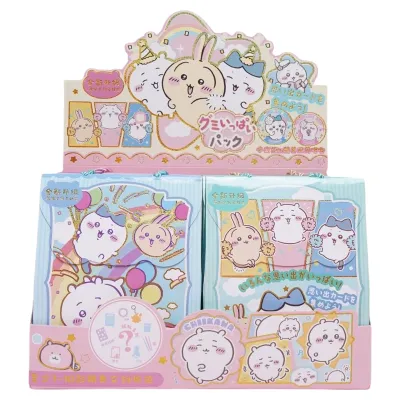
Prices are valid at publication and may change. Please refer to the product page for the latest price.
Physical constraints of standard classroom desks are another critical factor to consider. Student desks have limited surface area, which must accommodate textbooks, exercise books, worksheets, and writing tools simultaneously. Under-desk storage compartments are also compact, designed to hold standard-sized files and books. Oversized, bulky, or oddly shaped stationery items take up valuable workspace, leaving less room for learning materials and increasing the likelihood of items falling onto the floor. Selecting compact, standard-shaped items ensures everything fits comfortably within the designated desk area.
Durability is essential for daily classroom transit and frequent handling. School bags are often packed tightly with heavy textbooks, files, and water bottles, subjecting stationery to constant pressure and friction. Items designed primarily for display shelves or casual home use often feature delicate plastic clips, thin paper covers, or fragile decorative attachments that break easily during transit. Choosing robust materials, such as reinforced plastics and sturdy fabrics, ensures the stationery survives the daily commute and remains functional throughout the school term.
Ergonomics should never be sacrificed for character design, especially for younger students. Lower primary students are still developing their fine motor skills and pencil grip. Writing instruments with excessively thick, thin, or awkwardly shaped barrels can cause hand fatigue and hinder handwriting development. Prioritizing standard, comfortable grips with subtle character prints is far more beneficial than choosing highly stylized, non-ergonomic novelty pens.
Functional Chiikawa Categories for Daily School Use
When navigating the vast array of Chiikawa merchandise, focusing on specific functional categories helps narrow down the choices to school-safe options. The most successful items are those where the character branding is applied to a standard, high-quality stationery template. This ensures the item retains its core utility while still providing the emotional boost of featuring beloved characters.

Reliable daily school tools generally fall into three main categories: standard writing instruments, practical storage solutions, and standard-sized paper goods. By identifying products within these categories that adhere to local school requirements, parents can curate a stationery set that is both delightful and highly functional. Let us examine how to evaluate these categories to make informed purchasing decisions.
Writing Instruments and Erasers
For writing instruments, consistency and ease of maintenance are paramount. When selecting Chiikawa mechanical pencils or ballpoint pens, look for standard barrel diameters that fit comfortably in a child’s hand. Ensure the mechanical pencils use standard lead sizes, such as 0.5mm or 0.7mm, which are readily available in local bookstores. This makes refilling the pencil straightforward and prevents the item from becoming useless once the initial lead runs out.
Erasers require careful scrutiny because character merchandise often features complex 3D shapes. While a 3D Hachiware or Usagi figure looks charming, these shapes are highly impractical for actual erasing. They tend to have weak structural points that snap under pressure, and the colored rubber formulations often smear graphite across the page instead of lifting it. Opt instead for standard rectangular block erasers that feature Chiikawa illustrations on the protective paper sleeve. This design provides excellent graphite removal while keeping the character art intact on the sleeve.
Ink performance is another critical factor, especially for upper primary students who use pens. Fast-drying gel or ballpoint ink is essential to prevent smudging on standard school exercise books. Since paper quality in school-issued books can vary, slow-drying ink can lead to messy pages and stained hands. Before sending a new pen to school, conduct a quick paper-compatibility test at home to observe the drying speed and check for any ink bleed-through on typical notebook paper.
Pencil Cases and Storage
A practical pencil case must balance storage capacity with desk compatibility. Flat, rectangular pouches or standard cylindrical cases are ideal because they slide easily into backpack pockets and fit neatly inside the shallow drawer compartments of school desks. These shapes keep the desk surface organized and prevent the case from rolling off onto the floor during a lesson.
Inspect the construction quality closely before purchasing. Look for sturdy zippers with smooth action, reinforced seams, and durable fabric linings that can withstand sharp pencil tips. Internal dividers or elastic loops are highly beneficial, as they help students organize their pens, pencils, rulers, and erasers, allowing them to locate their tools quickly without rummaging during timed activities.
The physical footprint of the case when open is also important. A good school pencil case should lie flat on the desk when unzipped, providing easy access to all contents without occupying excessive workspace. Avoid rigid, multi-compartment plastic cases with pop-out drawers or magnetic buttons; these are often bulky, heavy, and prone to breaking if dropped on hard classroom floors.
Novelty Items to Keep Out of the Classroom
While browsing retail stores or online marketplaces, you will encounter many Chiikawa items that blur the line between stationery and toys. Oversized plush pen pouches shaped like the characters’ heads are incredibly popular but highly impractical for school. These bulky pouches take up too much space in a school bag, crowd the desk surface, and frequently violate school policies regarding non-academic items. They are best reserved for home study desks where space constraints are less rigid.
Blind boxes, capsule toys, and miniature stationery sets are another category to avoid for school use. These items often include tiny rulers, micro-notebooks, or decorative plastic clips that are too small for practical classroom tasks. Furthermore, bringing collectible blind-box items to school can lead to trading distractions, misplaced items, and unnecessary conflicts among students. Keep these collectible treasures safe at home where they can be displayed and enjoyed without disrupting the learning environment.
Delicate paper goods and fragile accessories also struggle to survive the primary school environment. Thin paper folders, intricate die-cut bookmarks, and tiny memo pads tend to get crumpled, torn, or lost within the first few days of school transit. Standard plastic clear folders with simple Chiikawa prints are a much more durable alternative for organizing worksheets, protecting the contents from spills and rough handling inside the school bag.
Avoid items with liquid-filled compartments, glitter, or moving parts inside the barrels of pens and rulers. While these novelty features are visually captivating, they pose a risk of leaking and creating a mess in the classroom. Additionally, the moving elements can become a constant source of distraction during quiet study periods, drawing the student’s attention away from the teacher’s instructions.
Pre-Purchase Verification Checklist
To ensure your Chiikawa stationery purchases are truly school-ready, use this practical verification checklist before buying. First, measure the physical dimensions of the item. Compare these measurements against the compartments of your child’s school bag and the typical space available on a school desk. If an item is too wide, tall, or bulky, it is likely to cause frustration during daily packing and unpacking.
Second, verify refill compatibility. Check if the pen or mechanical pencil accepts standard, widely available refills from major stationery brands. If a pen uses a proprietary or unusually shaped ink cartridge that is difficult to source locally, it will have a very short lifespan. Ensuring compatibility with standard refills saves money and reduces waste, allowing the student to use their favorite character pen throughout the school year.
Third, inspect the materials and construction for safety and durability. Look for clear product labeling indicating non-toxic materials, especially for items like erasers and glue sticks that involve direct skin contact. Check for small, easily detachable decorative parts, such as dangling charms or loose beads on pen caps, which can easily break off and present choking hazards for younger students or simply get lost in the classroom.
Finally, perform an erasability and smudge test if possible. If you are purchasing erasers or ink pens, try to test them on a standard sheet of paper first. Observe how cleanly the eraser removes pencil marks without tearing the paper, and check how quickly the pen ink dries. This simple step ensures the tools perform reliably during spelling tests, examinations, and daily writing exercises.
Frequently Asked Questions (FAQ)
Are character-themed stationery items more expensive than standard brands?
Yes, character-themed stationery generally carries a price premium due to licensing fees associated with popular brands like Chiikawa. To manage your school budget effectively, consider a balanced approach. Purchase high-volume, utility-heavy items—such as standard blue and black pens, correction tape, and plain exercise books—from reliable, budget-friendly standard brands. You can then selectively introduce a few high-quality Chiikawa items, like a sturdy pencil case or a favorite mechanical pencil, to serve as motivational tools for your child.
How can I clean a plush pencil case without ruining the design?
Always consult the manufacturer’s care label or packaging instructions first, as cleaning methods depend on the specific fabric and printing techniques used. For minor dirt and stains, spot cleaning is the safest approach. Dampen a clean microfiber cloth with lukewarm water and a small drop of mild, color-safe liquid soap, then gently pat the soiled area without harsh scrubbing. Avoid machine washing, tumble drying, or using strong bleach, as these processes can distort the shape of the plush case, damage the zipper, or cause the character’s printed features to fade or peel.
Community discussion
Share your experience or ask a question. Comments are reviewed before publication.