
Selecting the correct PP (polypropylene) plastic bag size for shipping is essential to protect your products, minimize shipping costs, and present a professional package to your customers. Polypropylene bags are highly valued in e-commerce and retail for their high clarity, tensile strength, and moisture resistance. However, choosing a bag that is too small can lead to split seams during transit, while an oversized bag allows items to shift excessively, increasing the risk of damage. By understanding standard dimensions, measuring your items accurately, and accounting for product thickness, you can consistently select the perfect packaging fit.
Standard PP Plastic Bag Dimensions Explained
When browsing options from packaging suppliers, understanding how manufacturers label their bag dimensions is the first step toward a successful purchase. Most PP shipping bags are listed by width and length (W x L), but these numbers typically represent the flat-lay external dimensions of the bag. The actual usable space inside is always slightly smaller due to side seals, bottom seams, and the space required for the closure mechanism.
It is critical to distinguish between flat PP bags and gusseted PP bags. Flat bags are two-dimensional envelopes best suited for thin, flat items like documents, prints, or single garments. Gusseted bags feature folded pleats along the sides or bottom that expand when filled, making them ideal for three-dimensional or bulky items. When reviewing dimensions for gusseted bags, suppliers usually list them as Width x Depth x Length, where the depth represents the fully extended width of the gusset.
Products mentioned in this guide

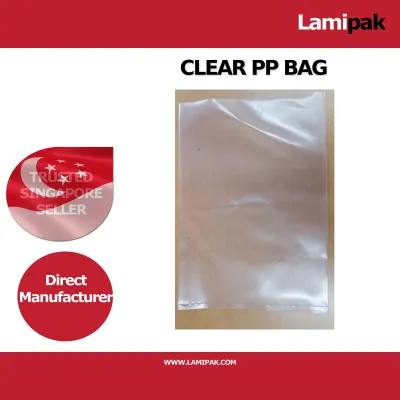
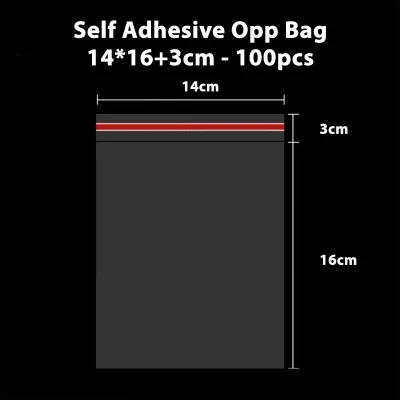
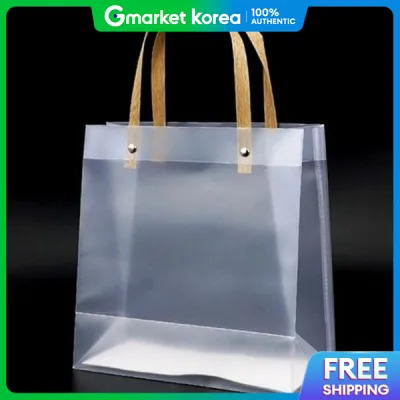
Prices are valid at publication and may change. Please refer to the product page for the latest price.
Standard size categories exist across the packaging industry, ranging from small utility pouches to large mailing sacks. However, because there is no single universal sizing chart, dimensions can vary slightly between different manufacturers. Instead of relying on generic terms like “medium” or “large,” always verify the exact millimeter or centimeter measurements provided in the product specifications before ordering.
How to Measure Your Products for the Correct Fit
To determine the exact bag dimensions required for your inventory, you must measure your products based on their physical shape, volume, and rigidity. For flat items such as notebooks, catalogs, or unframed art prints, the calculation is relatively straightforward. Measure the width and length of the item, then add a safety margin of at least 10 to 15 millimeters to each dimension to allow the item to slide in easily without tearing the plastic.

For bulky, rigid, or three-dimensional items, you must account for the product’s thickness to prevent the seams from bursting. To find the minimum required bag width, add the width of your product to its thickness, plus an additional 15 to 20 millimeters for clearance. To find the minimum required bag length, add the length of your product to its thickness, plus an additional margin for the closure.
The closure mechanism itself requires dedicated space at the top of the bag that cannot be occupied by the product. If you are using self-adhesive peel-and-seal bags, ensure there is enough clearance—typically 30 to 50 millimeters—for the flap to fold over and seal securely on the body of the bag. If you use heat-sealing equipment, leave sufficient space at the open end to feed the plastic flat into the sealer without compressing the product inside.
Matching Bag Sizes to Common Product Categories
Different types of merchandise require specific sizing strategies to ensure safe transit. For flat, flexible items like softcover notebooks, apparel, and textiles, you can use snug-fitting flat PP bags. Because these items can compress slightly, they do not require as much clearance as rigid goods. A standard A4-sized bag, for example, is highly efficient for shipping single t-shirts, thin journals, or flat stationery sets.
For rigid, boxed, or irregularly shaped items, such as board games, desk organizers, or multi-pack stationery supplies, you must use larger dimensions or gusseted bags. Rigid items do not flex, meaning any miscalculation in width or thickness will prevent the item from entering the bag entirely. For these products, it is safer to choose a bag that is slightly too large and fold the excess plastic over before sealing, rather than forcing a tight fit.
When consolidating multiple items into a single shipping bag, such as a bundled order of pens, notebooks, and stickers, measure the items stacked together as a single unit. Use the maximum height, width, and depth of the combined stack to calculate your bag size. Placing smaller items inside a rigid inner box or wrapping them together in paper before bagging can prevent them from shifting and puncturing the outer PP plastic during transit.
Verifying Thickness and Closure Specifications
Selecting the correct dimensions is only half the battle; you must also ensure the PP bag is durable enough to survive the courier network. Material thickness is a key indicator of strength and is typically measured in microns or mils. Rather than assuming a larger bag is automatically stronger, check the manufacturer’s specifications for thickness. For lightweight stationery and apparel, a thickness of 40 to 50 microns is generally sufficient, while heavier or sharp-edged items require 75 microns or more to resist punctures.
The type of closure mechanism also impacts the security of your shipment. Self-adhesive peel-and-seal strips are highly convenient for high-volume shipping, offering a quick, permanent closure that resists tampering. For specialized retail presentation or items that may need to be opened and resealed, look for resealable tape closures. Alternatively, heavy-duty industrial shipping may require open-ended PP bags that are closed using a professional heat sealer for an airtight, waterproof weld.
Finally, inspect the bag’s construction details for added durability features. Reinforced side seals help prevent the bag from splitting when stuffed to capacity. Some PP shipping bags also feature pre-cut tear notches or perforations near the seal to allow customers to open the package easily without using scissors, which could accidentally damage the products inside.
Frequently Asked Questions (FAQ)
Can I use a standard PP plastic bag for shipping fragile items?
Standard PP plastic bags are excellent for protecting items from water, dust, and surface scuffs, but they offer no cushioning or impact resistance. If you are shipping fragile items like glassware, ceramics, or delicate electronics, you should not use a PP bag as the sole outer packaging. Instead, wrap the items securely in bubble wrap or place them inside a rigid cardboard box first, and then insert that protected package into a PP bag for moisture protection.
How do I calculate the right width for a gusseted PP bag?
To calculate the required width for a gusseted PP bag, use the formula: Product Width + Product Depth + Clearance. Because a gusseted bag expands along its side folds, the total usable width is the flat width of the bag plus the depth of the gusset. Ensure that the combined width and depth of your product do not exceed this total, and always add at least 20 millimeters of clearance to allow the bag to expand naturally without putting excessive tension on the side seams.
Community discussion
Share your experience or ask a question. Comments are reviewed before publication.