
When comparing popular notebook pads, the “best” paper quality is not a single universal standard but a match between the paper’s physical properties and your specific writing tools. Because paper performance varies drastically depending on whether you use a fountain pen, a gel roller, or a standard ballpoint, declaring an outright winner among brands is impossible without defining your primary use case. This guide breaks down the core dimensions of paper quality—such as weight, coating, and texture—and provides a practical framework to help you evaluate and choose the right notebook pads available in Singapore for your unique writing experience.
In Singapore’s warm and humid climate, paper selection requires even closer attention. High relative humidity can cause paper fibers to absorb ambient moisture over time, which naturally weakens the paper’s sizing and makes it more prone to ink feathering and bleed-through. Understanding how different paper specifications interact with your environment and writing instruments is the first step toward finding a reliable daily notebook pad.
Key Factors That Define Paper Quality and Writing Feel
Paper weight, measured in Grams per Square Meter (GSM), is the most common specification you will encounter on notebook pad packaging. Standard office copy paper typically ranges from 70 to 80 GSM, while premium writing pads generally feature paper weights between 80 and 120 GSM. A higher GSM indicates thicker, heavier paper, which naturally increases opacity and reduces “ghosting”—the phenomenon where writing is visible on the reverse side of the sheet without actually breaking through the surface.
Products mentioned in this guide
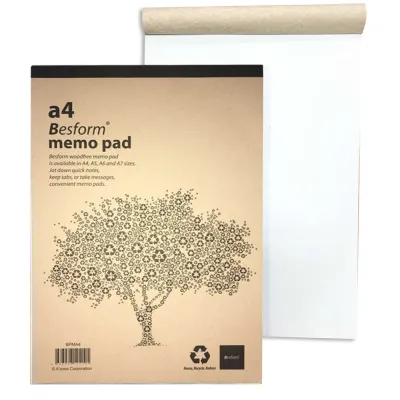
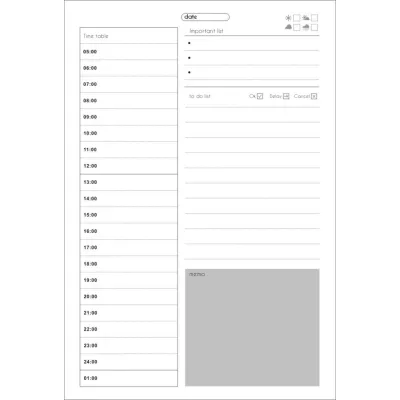
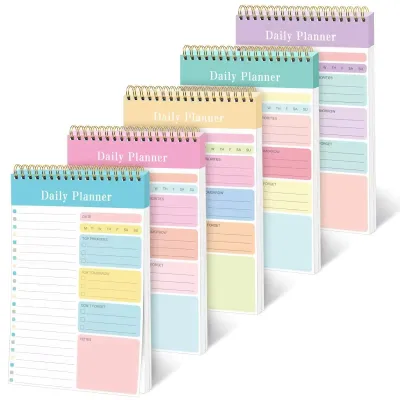
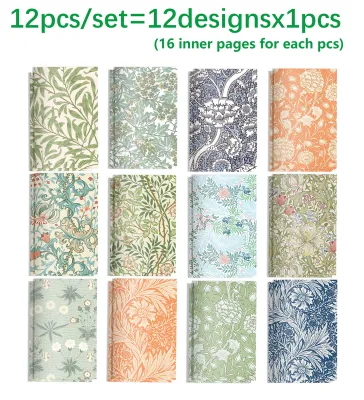
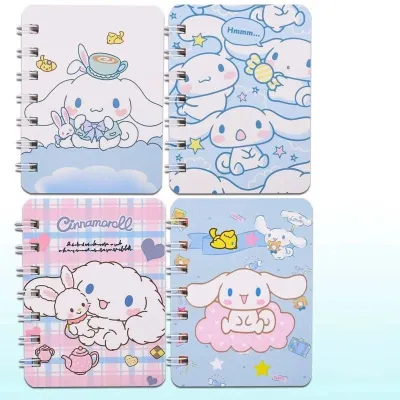
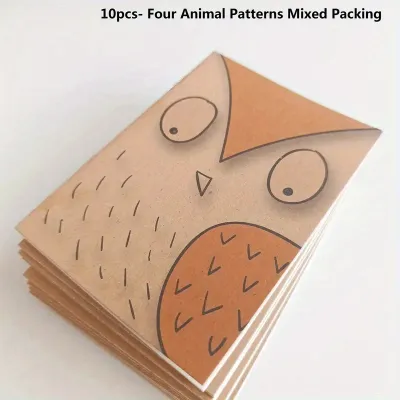
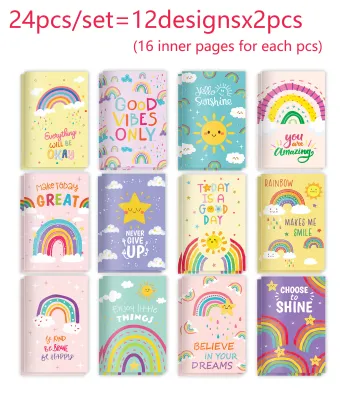
Prices are valid at publication and may change. Please refer to the product page for the latest price.
However, weight alone does not guarantee a superior writing experience. The presence of surface sizing and specialized coatings plays a critical role in how paper handles liquid ink. Sizing is a chemical treatment applied during manufacturing to control water absorption; internal sizing is mixed directly into the paper pulp, while surface sizing is applied to the finished sheet. Coated papers, such as those with satin or clay-based finishes, slow down ink absorption, allowing the ink to dry slowly on top of the page. This preservation of the ink’s liquid state enhances color vibrancy, shading, and sheen, but it also significantly increases drying times.
Paper tooth, or surface texture, determines the tactile feedback you feel as your pen glides across the page. High-tooth paper has a microscopic roughness that provides physical resistance, which is highly beneficial for graphite pencils and ballpoint pens that require friction to function correctly. Conversely, low-tooth or ultra-smooth paper minimizes friction, allowing fine-liner pens and fountain pens to glide effortlessly without catching on the paper fibers. Choosing between a smooth or textured surface is entirely a matter of personal preference and tool compatibility.
Matching Notebook Pads to Your Pen and Writing Style
Fountain pens require highly specialized paper characteristics to perform beautifully. Because fountain pens deposit a relatively large volume of water-based ink onto the page, they demand paper with robust surface sizing and a dense fiber structure. If the paper is too absorbent, the ink will spread rapidly along the paper fibers—a defect known as feathering—and will likely bleed through to the next page. To prevent this, fountain pen users should seek out notebook pads with high-density, well-sized paper, which keeps the ink lines crisp and defined.

Gel and rollerball pens also utilize liquid or gel-based inks, but they are typically applied in finer lines than fountain pens. While they are less prone to extreme bleed-through, they can smudge easily on highly coated, non-porous papers. For left-handed writers, this slow drying time can lead to frustrating smudges across the page as the hand moves. The ideal paper for gel pens strikes a balance: it must have enough sizing to prevent feathering, yet remain porous enough to absorb the ink within a few seconds to ensure clean, smudge-free writing.
Ballpoint pens and graphite pencils perform best on standard, slightly textured paper. Ballpoint pens rely on a thick, oil-based ink that requires physical friction to rotate the tiny ball in the pen tip and transfer the ink to the page. On ultra-smooth, coated papers, a ballpoint pen may slide without rotating, resulting in skipping and faint lines. Pencils similarly require a textured surface to physically shave off the graphite core and leave a dark, legible mark. For these everyday writing tools, standard uncoated utility pads often provide the most reliable and comfortable writing experience.
Evaluating Pad Formats, Bindings, and Physical Features
The physical construction of a notebook pad directly influences your writing posture and overall workflow. Top-bound pads, which are typically bound with staples, glue, or wire spirals at the top edge, are highly favored for professional and academic note-taking. Because the binding is located at the top, it remains completely out of the way of your writing hand, making these pads equally comfortable for both left-handed and right-handed individuals. Side-bound pads are more traditional but can create an uncomfortable bump that disrupts your hand placement near the margins.
Page removal is another critical structural feature to consider. Standard perforated pages can sometimes tear unevenly, leaving jagged, messy edges that look unprofessional. Micro-perforated edges, however, utilize incredibly tiny, closely spaced punctures that allow you to detach pages with a clean, straight edge. This is particularly important if you frequently need to file your notes in binders, scan documents, or hand written sheets to clients and colleagues.
Finally, the rigidity of the backing board determines where and how you can use the notebook pad. A pad with a flimsy paper backing requires a flat desk or a separate clipboard to write comfortably. In contrast, premium notebook pads designed with thick, heavy cardboard backing boards provide a stable, rigid writing surface on their own. This structural support is indispensable for taking notes while standing, during site inspections, or while traveling where a desk is not readily available.
How to Test and Verify Paper Quality Before Buying
When shopping for notebook pads in-store or browsing local e-commerce platforms, verifying paper quality requires a systematic approach. Start by carefully reading the product specifications on the label. Look for terms like “acid-free” or “archival quality,” which indicate that the paper has a neutral pH and will not turn yellow or become brittle over time. If environmental sustainability is a priority, check for certifications such as the Forest Stewardship Council (FSC) to ensure the paper is sourced from responsibly managed forests.
If you have access to a sample sheet or a single pad, performing a simple ink swatch test is the most reliable way to evaluate performance. Use your wettest daily-use pen to draw a solid block of ink on the page, then inspect the reverse side. If the ink is visible but has not broken through the surface, you are observing acceptable ghosting; if the ink has spotted or soaked through completely, the paper lacks sufficient sizing or weight for that specific pen. You can also write a few words and immediately run a finger across them to gauge the drying time under local humidity conditions.
When purchasing online, look for verified user reviews that mention specific writing instruments. Generic comments like “good quality” are less helpful than detailed feedback such as “does not bleed with fountain pens” or “dries quickly with gel rollers.” Paying attention to these specific user experiences will help you avoid purchasing pads that are incompatible with your preferred writing tools.
Decision Framework: Which Notebook Pad Should You Choose?
To make an informed decision, align your notebook pad selection with your primary writing tools and environment. If you write extensively with fountain pens, calligraphic markers, or wet gel pens, prioritize high-GSM, coated, or highly sized paper. These premium pads will preserve the sharp edges of your writing and prevent bleed-through, though you must be prepared for slightly longer drying times.
For daily utility, quick brainstorming, and general office tasks using standard ballpoint pens or pencils, opt for standard, uncoated paper pads. These pads offer the necessary surface friction for smooth ballpoint rotation and quick ink absorption, minimizing the risk of smudging during fast-paced writing sessions. They are also generally more cost-effective for high-volume use.
Before finalizing your purchase, verify the physical format that best supports your workflow. If you require maximum portability and the ability to write without a desk, select a top-bound pad with a stiff cardboard backing board and micro-perforated pages. If you are buying in bulk for an office or school, it is always wise to purchase a single sample pad first to test its compatibility with your team’s preferred pens before committing to a larger order.
Frequently Asked Questions (FAQ)
Does a Higher GSM Always Mean Better Paper Quality?
No, a higher GSM does not automatically guarantee a superior writing experience. While GSM measures the weight and thickness of the paper, it does not reflect the surface treatment, fiber density, or chemical sizing applied during manufacturing. A lightweight 70 GSM paper with excellent surface sizing can easily outperform a poorly sized 100 GSM paper by preventing fountain pen ink from feathering and bleeding. When selecting a notebook pad, you should prioritize surface coating and sizing specifications over pure thickness to ensure compatibility with your specific writing instruments.

Community discussion
Share your experience or ask a question. Comments are reviewed before publication.