
Selecting the right protective packaging material is the difference between an item arriving intact or in pieces. The choice between rigid polystyrene sheets and flexible bubble wrap depends on whether your fragile item requires structural support to resist external crushing forces or flexible cushioning to absorb localized shocks. Polystyrene sheets excel at lining boxes, creating rigid barriers, and preventing heavy items from shifting or breaking through outer cartons. Bubble wrap, on the other hand, is the ideal choice for wrapping oddly shaped, lightweight, or delicate items that need direct surface protection against scratches and minor impacts.
To make an informed decision, you must evaluate the physical properties of your items, the hazards they will face during transit, and how each material behaves under pressure. While both materials serve to protect fragile goods, they do so through entirely different mechanical principles. Understanding these differences allows you to optimize your packaging strategy, reduce damage rates, and avoid the unnecessary costs of over-packaging or using the wrong materials.
Material Profiles: Rigid Polystyrene Sheets vs Flexible Bubble Wrap
Polystyrene sheets are rigid, lightweight foam boards composed of expanded polystyrene (EPS) beads. This material is characterized by its closed-cell structure, which provides excellent compressive strength and thermal insulation. When used in packaging, polystyrene sheets act as a structural shield, distributing heavy loads across a wide surface area and preventing the walls of a shipping box from collapsing inward. They are particularly effective for edge protection and creating solid dividers between multiple items within a single container.
Products mentioned in this guide
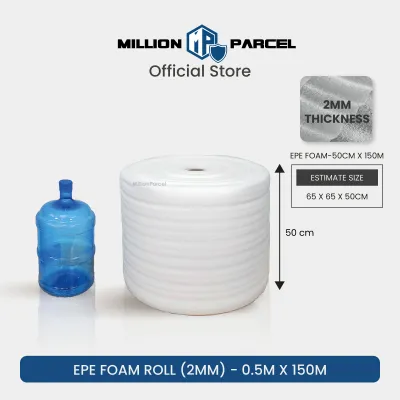
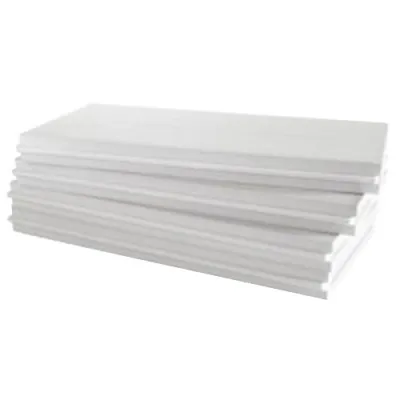
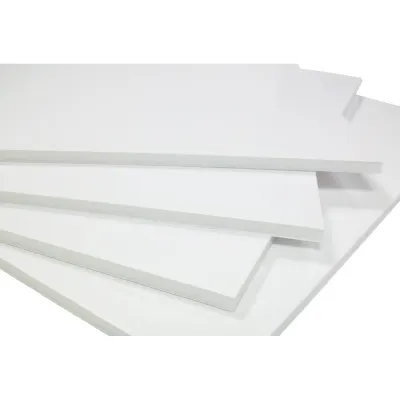
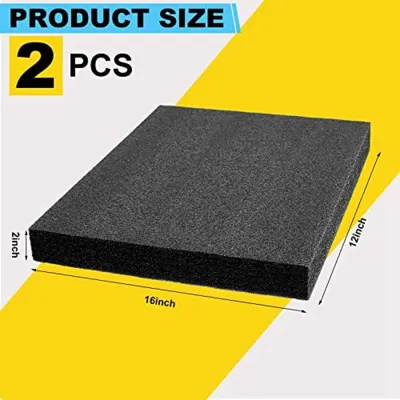
Prices are valid at publication and may change. Please refer to the product page for the latest price.
Bubble wrap consists of regularly spaced, air-filled hemispheres protruding from a flexible plastic film. This design relies on the cushioning properties of trapped air to absorb and dissipate localized impact energy. Because the film is highly flexible, bubble wrap can easily conform to irregular contours, wrap around delicate protrusions, and provide a soft barrier against surface abrasions. It is primarily used to wrap individual items directly, creating a protective envelope that cushions against drops and vibrations.
When sourcing these materials, you should inspect several observable physical traits to ensure they meet your shipping requirements. For polystyrene sheets, check the thickness and density of the board; higher-density sheets offer greater resistance to crushing and are less likely to crumble under heavy loads. For bubble wrap, evaluate the bubble diameter and the thickness of the plastic film. Small bubbles (typically around 10 millimeters in diameter) are best for light cushioning and surface protection, while larger bubbles (25 millimeters or more) provide superior shock absorption for heavier items. Additionally, a thicker backing film prevents the bubbles from popping prematurely under sustained pressure.
How to Match Packaging to Your Fragile Items
To select the appropriate packaging material, you must first analyze the weight and structural integrity of the item you are shipping. Heavy, solid objects like machinery parts, large electronics, or stone sculptures exert significant force on their packaging during transit. These items require the high compressive strength of polystyrene sheets to prevent them from shifting and breaking through the outer carton. Conversely, lightweight, hollow, or highly delicate items, such as glassware, ceramics, or small decorative ornaments, are easily damaged by direct impacts and benefit more from the soft, conforming wrap of bubble wrap.

Next, identify the specific vulnerability types of your item to determine which protective mechanism is most critical. If your primary concern is preventing surface scratches, scuffs, or minor chips on polished wood, glass, or metal, bubble wrap provides an excellent non-abrasive barrier that clings closely to the item’s surface. If your item is prone to shattering from severe drops or has vulnerable corners that can easily chip or bend, polystyrene sheets can be cut and positioned to reinforce the corners of the box, absorbing the brunt of any corner-impact forces.
Finally, consider the transit environment and the physical stresses your package will encounter. Packages shipped through standard courier networks are subject to continuous vibration, stacking under heavier boxes, and potential drops from sorting conveyor belts. Continuous vibration can cause items to rub against each other or the box walls, making bubble wrap highly effective for dampening micro-shocks. However, if your package is likely to be stacked at the bottom of a heavy pile, polystyrene sheets provide the necessary vertical load support to keep the outer corrugated box from collapsing and crushing the contents inside.
Decision Framework: When to Use Polystyrene Sheets or Bubble Wrap
You should choose polystyrene sheets when your packaging strategy requires rigid edge protection, structural framing, or physical separation between heavy objects. For example, flat items like framed artwork, mirrors, or flat-pack furniture panels benefit immensely from being sandwiched between two rigid polystyrene sheets, which prevent bending and distribute external pressure. Polystyrene is also the correct choice when you need to block and brace heavy items inside a box, ensuring they remain locked in a central position and cannot slide during handling.
Choose bubble wrap when your item requires conforming surface cushioning, lightweight shock absorption, or wrapping for irregular and curved shapes. Items with complex geometries, such as vases, figurines, or hand tools, cannot be easily protected by rigid sheets. Wrapping these items in multiple layers of bubble wrap ensures that every curve and protrusion is shielded from direct contact. Bubble wrap is also highly efficient for filling empty spaces inside a box, preventing smaller items from rattling around during transit.
Before finalizing your material choice, verify if your item has specific material sensitivities that require specialized packaging variants. Sensitive electronic components, such as computer motherboards or graphics cards, are highly vulnerable to electrostatic discharge (ESD) caused by friction during shipping. Standard polystyrene and bubble wrap can generate static electricity, so you must opt for specialized anti-static variants, which are typically pink or blue, to prevent electrical damage. Similarly, certain polished metals or chemical-sensitive items may require chemically inert or anti-corrosive packaging films to prevent tarnishing.
In some cases, neither material will provide adequate protection when used entirely on its own. If you are shipping an item that is extremely heavy, highly fragile, or features complex, sharp protrusions, a single-material approach may fail. For instance, a heavy porcelain vase with delicate handles requires bubble wrap to protect the intricate details from scratching, combined with polystyrene sheets lining the box walls to prevent the heavy base from crushing through the carton. For high-volume commercial shipping of complex items, custom-molded pulp or foam inserts may be necessary to achieve the required level of safety.
Best Practices for Packing and Transit Verification
When wrapping an item with bubble wrap, proper technique is essential to maximize its protective capabilities. Always orient the bubbles facing inward, toward the item’s surface. This configuration allows the individual air pockets to cradle the item directly and prevents the bubbles from popping against the rough interior of the outer box. Wrap the item tightly enough to prevent the plastic from slipping, but avoid stretching it so tightly that the bubbles are compressed. Secure all seams and loose edges with high-quality packaging tape to ensure the wrap remains intact throughout the journey.
For polystyrene sheets, the focus is on creating a rigid internal frame that blocks and braces the item. Cut the sheets to fit the exact interior dimensions of your outer corrugated box, lining all six sides to create a protective foam cocoon. If the item does not fill the entire space, cut additional blocks of polystyrene to fill the voids, wedging them tightly between the item and the outer sheets. This blocking technique prevents the item from moving in any direction, effectively transferring any external impact forces directly to the rigid foam structure rather than the fragile item itself.
Once your item is packed and the box is closed but not yet fully taped, perform a physical “shake test” to verify the effectiveness of your packaging. Gently lift the box and shake it from side to side and up and down. If you feel or hear any movement, shifting, or sliding inside, the packaging is inadequate. Internal movement is a primary cause of transit damage, as shifting items can gain momentum and break through their protective layers. Reopen the box and add more cushioning or blocking material until the contents remain completely stationary during the shake test.
Frequently Asked Questions (FAQ)
Can I use both polystyrene sheets and bubble wrap together?
Yes, combining both materials is one of the most effective ways to protect high-value or extremely fragile shipments. A highly recommended layering strategy is to first wrap the fragile item in bubble wrap to provide direct, non-abrasive surface cushioning and shock absorption. Once wrapped, place the item inside a box lined with rigid polystyrene sheets. The polystyrene sheets provide structural integrity and resist external crushing forces, while the inner bubble wrap dampens vibrations and cushions the item against any residual impact that passes through the outer foam barrier.
How do I dispose of or recycle these packaging materials?
Disposing of these materials requires different approaches based on local recycling capabilities. Polystyrene sheets are classified as plastic number 6 (EPS) and are generally not accepted in standard household curbside recycling bins because they easily break into small, environmentally damaging pieces. You should check with your local municipal waste authority or recycling centers to see if they have dedicated collection points for expanded polystyrene. Bubble wrap, which is typically made from low-density polyethylene (LDPE or plastic number 4), should also be kept out of standard curbside bins as it can tangle in sorting machinery. Instead, collect your clean bubble wrap and deposit it at designated soft plastic drop-off points, often located at supermarkets or retail collection hubs.
Community discussion
Share your experience or ask a question. Comments are reviewed before publication.