
To choose between polyester and cotton sewing thread, match the thread fiber to your fabric’s fiber content and stretch characteristics. Polyester thread offers high tensile strength, built-in elasticity, and excellent resistance to chemical wear, making it the ideal partner for synthetic and stretch fabrics. Cotton thread provides superior heat tolerance, a classic matte finish, and zero stretch, making it the standard choice for 100% natural fibers like cotton and linen.
Using the wrong thread can lead to structural failures, such as popped seams on stretch garments or puckered fabric on lightweight woven items. In warm, humid environments like Singapore, selecting the right thread also affects how a garment handles moisture, frequent laundering, and UV exposure. Understanding the physical mechanics of these two dominant thread types ensures your sewing projects remain durable, professional, and structurally sound over years of use.
Core Differences Between Polyester and Cotton Sewing Thread
Tensile Strength and Elasticity
Polyester is a synthetic synthetic fiber known for its exceptional durability. Spun polyester thread stretches slightly under tension and recovers its shape without breaking, which allows seams to give and flex with body movement. Cotton thread, conversely, has minimal elasticity. While high-quality long-staple cotton thread is strong, it does not stretch; under sudden or extreme tension, it will snap rather than yield. This difference makes polyester highly resilient for high-stress applications and activewear, whereas cotton is best suited for stable, non-stretch structures.
Products mentioned in this guide
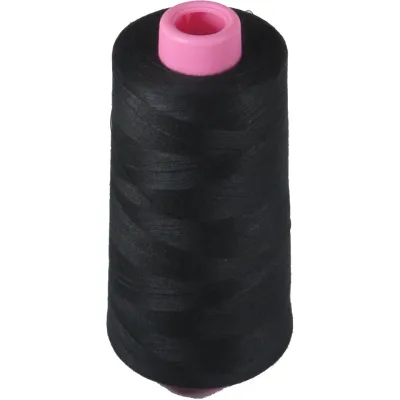
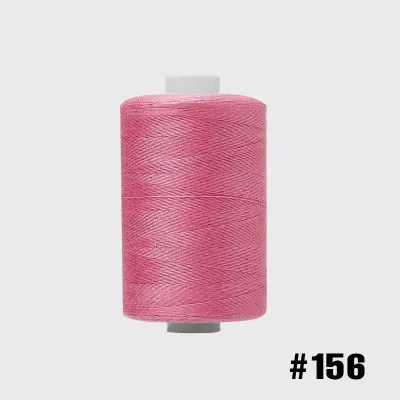
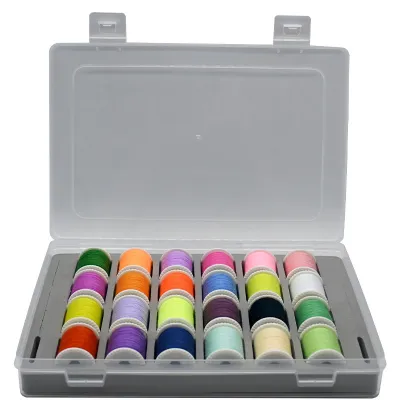
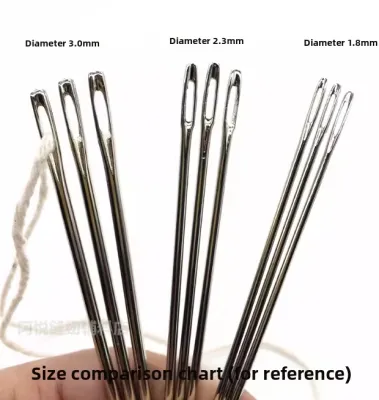
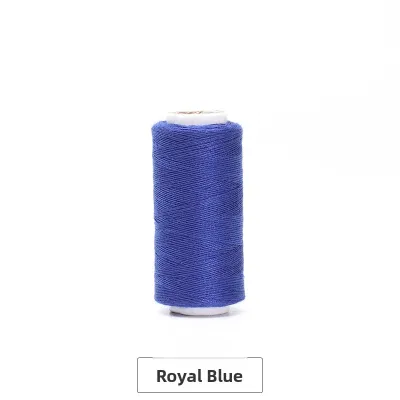
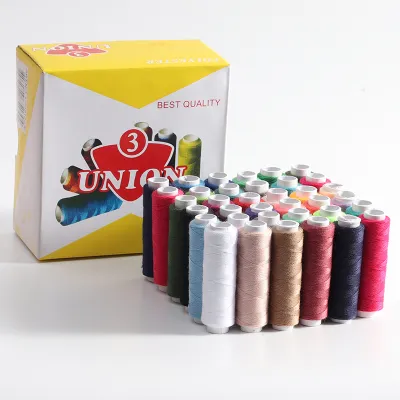
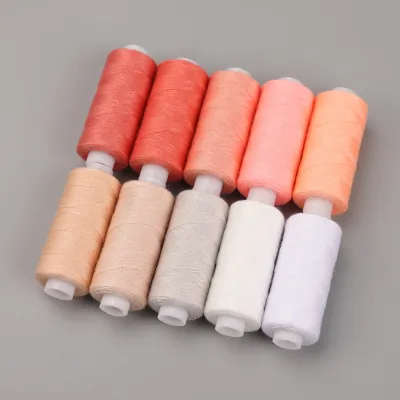
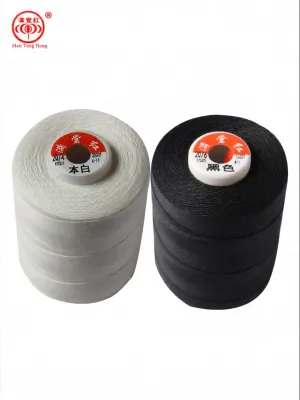
Prices are valid at publication and may change. Please refer to the product page for the latest price.
Heat Resistance
Cotton is highly heat-tolerant, allowing it to withstand the intense temperatures of hot irons (up to 200°C or higher) during pressing. This makes cotton thread ideal for projects requiring crisp, pressed seams. Polyester is thermoplastic, meaning it softens and melts under high heat. Spun polyester begins to weaken around 220°C and can melt or fuse at approximately 250°C to 260°C. If you press a polyester-sewn seam with an iron set to the “cotton” or “linen” high-heat setting, the thread can melt, weaken, or leave shiny residue on the fabric.
Shrinkage and Aging
Cotton is a natural fiber that absorbs moisture and shrinks when washed, particularly during the first few laundering cycles. If cotton thread is paired with a non-shrinking synthetic fabric, the thread’s shrinkage will pull the seam tight, causing permanent puckering. Polyester thread is highly stable and does not shrink, maintaining its exact length through countless wash cycles. Over time, cotton thread is also susceptible to rot, mildew, and UV degradation, especially when exposed to high humidity. Polyester resists moisture, mildew, and UV exposure, offering superior long-term structural longevity.
Finish and Lint Production
Cotton thread has a soft, matte finish that blends seamlessly into natural fabrics, making the stitches less visible on the surface. However, because cotton is spun from short natural staples, it sheds tiny fibers during sewing, creating a significant amount of lint that accumulates in your machine’s bobbin case and tension discs. Polyester thread is made from long continuous filaments or smooth spun fibers. It has a slight sheen, produces virtually no lint, and glides smoothly through machine guides, reducing the need for frequent machine cleaning.
| Material Property | Polyester Thread | Cotton Thread |
|---|---|---|
| Tensile Strength | High (excellent durability) | Moderate (susceptible to wear over time) |
| Elasticity / Stretch | Moderate stretch with recovery | Minimal to no stretch |
| Heat Tolerance | Moderate (can melt under high iron heat) | High (withstands hot iron pressing) |
| Shrinkage | None (dimensionally stable) | Variable (may shrink during first wash) |
| Finish | Slight sheen, smooth | Matte, soft |
| Lint Production | Low to none | Moderate to high |
| Best For | Synthetics, stretch fabrics, activewear | Natural fibers, quilting, heirloom sewing |
How to Match Thread to Your Fabric Type
Sewing Natural Fibers (Cotton, Linen, Silk, Wool)
As a general rule, match natural fabrics with natural threads. Sewing 100% cotton, linen, silk, or wool with cotton thread ensures that the entire item reacts uniformly to environmental factors. When the finished piece is washed, both the fabric and the thread will shrink at similar rates, preventing the seams from puckering. Furthermore, natural fabrics often require high-heat pressing to remove wrinkles, and cotton thread easily tolerates these temperatures without risk of melting.

There are specific exceptions where polyester thread is appropriate for natural fabrics. For heavy-duty natural materials like thick cotton canvas, denim, or heavy linen upholstery, the sheer weight of the fabric can put immense stress on the seams. In these scenarios, a heavy-duty polyester thread or a polyester-core thread provides the necessary tensile strength to prevent seam splitting, provided you press the finished seams with a lower, synthetic-safe iron temperature.
Sewing Synthetic and Stretch Fabrics
Synthetic fabrics, including polyester, nylon, acrylic, and elastane (Spandex), must be sewn with polyester thread. Synthetic garments are highly durable, stretchable, and resistant to shrinkage. Using a rigid cotton thread on a synthetic stretch knit will cause the seams to pop the first time the fabric is pulled or worn. Polyester thread matches the elasticity of synthetic fibers, stretching and recovering in tandem with the fabric.
Additionally, matching synthetic fabric with synthetic thread prevents premature wear. Hard synthetic fibers can act as a mild abrasive against softer, natural cotton threads. Over time, the friction of daily wear and washing can cause cotton thread to fray and break when sewn into synthetic fabrics. Polyester thread resists this friction, ensuring the seams last as long as the garment itself.
Handling Blended Fabrics
When working with blended fabrics, such as poly-cotton, linen-viscose, or wool-polyester blends, apply the “match the dominant fiber” rule. Check the fabric’s fiber content label. If the fabric consists of 60% polyester and 40% cotton, a polyester thread is the safest choice because the fabric’s overall behavior will align closer to synthetic properties, requiring stretch and shrinkage resistance.
Alternatively, a poly-cotton blend thread (often sold as cotton-wrapped polyester core thread) serves as a practical compromise. This hybrid thread features a high-tenacity polyester core wrapped in a outer layer of natural cotton. It provides the strength and elasticity of polyester while offering the heat resistance and matte appearance of cotton, making it a highly versatile option for mixed-fiber projects.
Choosing Thread Based on Your Sewing Project
Garment Construction and Everyday Wear
For modern apparel that undergoes frequent machine washing and tumble drying, polyester thread is the industry standard. Its resistance to modern detergents, bleach, and friction ensures that the seams remain intact and colorfast over time. Spun polyester is suitable for most everyday garments, from lightweight blouses to casual trousers, providing a reliable balance of strength and flexibility.
For heirloom garments, vintage reproductions, or delicate baby clothing made of pure cotton, cotton thread remains the preferred choice. These garments often feature intricate gathers, pleats, or lace insertions that require intense, precise steam pressing. Cotton thread allows you to press these details sharply without the risk of scorching or melting the stitches.
Quilting and Patchwork
In the quilting community, 100% cotton thread is the undisputed standard, particularly in a 50-weight (50wt) 2-ply or 3-ply configuration. Quilts are typically constructed from 100% cotton fabric, and using a matching cotton thread is vital for long-term preservation. A strong, sharp polyester thread can act like a microscopic saw over decades of use and laundering, slowly cutting through the softer cotton fibers of the quilt top and causing the fabric to tear along the seam lines.
Cotton thread also lies incredibly flat within patchwork seams. This reduces bulk at intersections where multiple fabric corners meet, allowing for highly accurate piecing and flat-pressed blocks. The matte finish of cotton thread also ensures that the quilting stitches blend harmoniously into the fabric design rather than reflecting light and distracting from the patchwork.
Home Decor and Heavy-Duty Items
Indoor home decor items like cotton cushion covers, linen tablecloths, and light drapery can be sewn successfully with high-quality cotton or polyester thread. The choice depends largely on the fabric weight and how often the item will be laundered or ironed. Lightweight natural home textiles benefit from the soft, matte look of cotton thread.
For heavy-duty applications, such as outdoor patio cushions, canvas awnings, marine gear, or heavy upholstery, you must use heavy-duty polyester or specialized UV-resistant nylon thread. Cotton thread will rot quickly when exposed to Singapore’s tropical humidity, rain, and intense sunlight. Heavy-duty polyester thread resists moisture-induced mildew, chemical cleaning agents, and UV degradation, keeping outdoor seams secure.
Machine Embroidery and Topstitching
Machine embroidery relies heavily on specialized polyester embroidery thread. This thread is manufactured with a high-sheen finish that catches the light, making decorative designs, monograms, and dense embroidery patterns appear vibrant and lustrous. Polyester embroidery thread is also highly resistant to chlorine bleach and commercial laundering, ensuring the decorative designs do not fade.
For visible topstitching on garments like denim jeans, utility jackets, or structured linen trousers, cotton topstitching thread provides a classic, heritage-style aesthetic. The thicker weight of cotton topstitching thread stands out prominently against the fabric, offering a distinct matte texture that looks traditional and clean. Polyester topstitching thread can also be used, but it will exhibit a slight synthetic shine that may not suit classic denim or linen designs.
How to Test and Verify Thread Compatibility Before Sewing
Check the Manufacturer Labels
Before starting any project, verify the exact fiber content and weight classification of both your fabric and your thread. Thread weight is commonly measured in weight (wt) or Tex. For example, a 50wt thread is finer than a 30wt thread, whereas a Tex 40 thread is thicker than a Tex 25 thread. Ensure your thread weight matches your fabric weight: lightweight fabrics require fine threads (e.g., 50wt to 60wt) and smaller needles (e.g., 70/10 or 80/12), while heavy fabrics require thicker threads (e.g., 30wt or Tex 40) and larger needles (e.g., 90/14 or 100/16).
Perform a Controlled Burn Test
If you have unlabeled thread from an old sewing stash, you can identify its material composition using a simple burn test.
Safety Warning: Always perform this test in a well-ventilated area away from flammable materials. Use long metal tweezers to hold a 5-centimeter snippet of the thread over a heat-safe ceramic or metal dish, and keep a container of water nearby to extinguish any flame immediately.
- Cotton Thread: Ignites easily, burns with a steady yellow flame, and continues to burn after the heat source is removed. It smells like burning paper or leaves and leaves behind a soft, fine, light gray ash that crumbles completely when touched.
- Polyester Thread: Melts first before burning, shrinks away from the flame, and produces a dark, chemical-smelling smoke. It leaves behind a hard, dark, round plastic bead that cannot be crushed between your fingers.
Sew and Wash a Test Swatch
Always sew a test swatch before committing to your final project. Take a 10-centimeter square scrap of your project fabric and sew a straight line of stitching using your chosen thread, machine needle, and tension settings. Inspect the stitches for smoothness, tension balance, and puckering.
Wash, dry, and iron this test swatch according to the fabric’s specific care instructions. After laundering, inspect the seam for any differential shrinkage, thread breakage, or dye bleeding. If the seam puckers severely after washing or if the thread bleeds dye onto the scrap fabric, you must adjust your thread choice, needle size, or machine tension.
If the test results show persistent puckering, or if you are working with highly delicate, expensive, or specialty fabrics, stop and consult the fabric or thread manufacturer’s care instructions before sewing your project.
Frequently Asked Questions (FAQ)
Can I use polyester thread on 100% cotton fabric?
Yes, you can use polyester thread on 100% cotton fabric, particularly on modern utility garments or high-stress structural areas like crotch seams, armholes, and buttonholes where extra strength is beneficial. However, you must exercise caution when ironing. If you press a cotton garment sewn with polyester thread using a high-heat cotton setting, the polyester thread can melt or weaken. For lightweight, delicate, or heirloom cotton fabrics, stick to high-quality cotton thread to avoid tension imbalances and the risk of the stronger thread cutting into the delicate fabric over time.
Is poly-cotton blend thread a good all-purpose choice?
Yes, poly-cotton blend thread (specifically cotton-wrapped polyester core thread) is an excellent all-purpose option for general sewing on medium-weight woven fabrics. It combines the high tensile strength and slight elasticity of a polyester core with the heat resistance and matte appearance of a cotton outer wrap. However, it is not a universal solution. It may not provide enough stretch for highly elastic activewear made of spandex, nor will it offer the high-sheen aesthetic required for detailed machine embroidery.
Does the dyeing process affect thread strength?
Yes, the dyeing process can subtly affect the physical properties and strength of sewing thread. Heavily dyed dark colors, such as black, navy, or deep red, sometimes feel slightly stiffer or more brittle due to the high concentration of dye molecules and the subsequent chemical finishing treatments, particularly in natural cotton threads. High-quality thread manufacturers adjust their finishing processes to minimize this effect, ensuring that thread weight and core material remain the primary factors determining strength. Always test a sample of dark thread on scrap fabric to verify smooth feeding and correct tension before sewing.
Community discussion
Share your experience or ask a question. Comments are reviewed before publication.